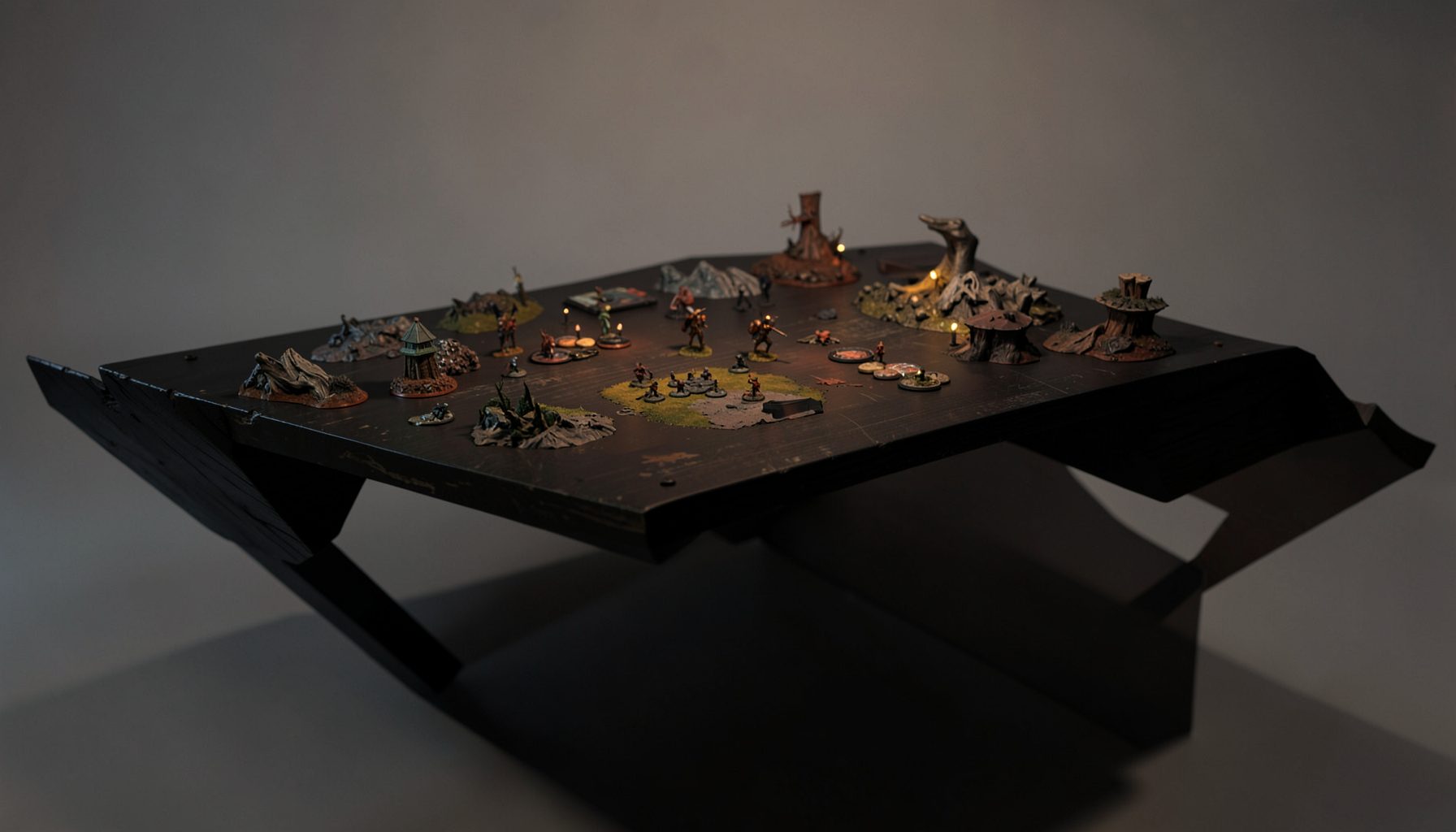
Live-streamed games, recorded matches, and event data gathered in one place.
Kill Team Stream hosts quality live streaming of Kill Team content — tournaments throughout the year on Twitch, regular games streamed to the channel, and tournament data gathered so players can see what's happening in the scene. Powered by WARHAMMER.
Browse tournamentsOfferings
Tournaments
Multiple Kill Team tournaments hosted throughout the year, all live-streamed on our Twitch channel.
Videos
Streams are recorded and uploaded to YouTube alongside original video content we produce.
Event Data
Tournament packets from past events plus resources for upcoming Kill Team tournaments.
Site Directory
The Kill Team Rules Interactions That Spark the Biggest Debates
Kill Team’s appeal comes partly from its precision. A single inch, a concealed operative, or the timing of one tactical ploy can change an entire turning point. That precision also explains why the community’s most debated rule interactions continue to appear at events, in Discord discussions and during livestreamed matches.
Many arguments are not caused by players ignoring the rules. They usually arise when several rules overlap: a terrain trait modifies visibility, an operative ability changes an action, and a mission rule adds another condition. Each sentence may be clear by itself, while the combined result feels uncertain at the table.
The edition, approved rules update, killzone pack and event packet all matter. A ruling that was correct in an earlier season may no longer apply, and tournament organisers can publish interpretations for recurring questions. Players watching a match on Twitch or YouTube should also remember that commentators may be using a packet different from the one at their local club.
That matters particularly in Australia, where a player might travel from Melbourne to Canberra for CanCon, attend a Sydney event on a tight timetable, or join an evening game while following a stream several time zones away. The best competitive habit is to identify the disputed timing, locate the exact rule, and then apply the event’s published ruling consistently.
Conceal, Cover And Vantage
The interaction between Conceal orders, cover and vantage points is probably the most familiar source of disagreement. A concealed operative is generally protected from being selected as a shooting target when the relevant cover requirements are met, but concealment is not the same as invisibility. Cover, visibility and the shooter’s position must all be checked using the terrain and line-of-sight rules for that mission pack.
The common mistake is treating a terrain feature as automatic protection. It may provide cover only from certain angles, or an operative may be too exposed to benefit from it. The reverse mistake is assuming that standing on a vantage point automatically removes every defensive benefit. Vantage rules can create specific exceptions, but they do not replace the normal process for checking visibility, cover and the target’s order.
Players should agree on the terrain interpretation before the first turning point. Is the barricade opaque? Does the platform count as a vantage point? Can the attacker see the target’s head or another visible part? These questions become especially important on streamed tables, where camera angles can make a model appear visible even though the physical line is blocked.
Movement Through Control Range
Movement disputes often involve control range, the distance at which enemy operatives restrict movement and affect the actions available to a model. A Reposition action, Dash or Charge may look legal when measured from the model’s starting and ending positions, yet the path between those points can still matter. Players need to check whether the operative crosses an enemy’s control range and whether the chosen action permits that movement.
Charging creates a second layer of confusion. The charging operative must meet the charge conditions, finish in a legal position and remain eligible to fight under the rules. A model cannot simply pass through an enemy’s space because its final location is more than an inch away. Walls, barricades, doors and climbing routes can also change the distance calculation.
This is a frequent pressure point at Australian tournaments, where dense terrain is often essential for making smaller venues and compact tables work well. At a club night in Brisbane or an arvo event in Adelaide, players may use terrain from different manufacturers with slightly different footprints. Measuring the route openly and declaring the intended path before moving the miniature prevents many arguments.
Fight Actions And Retaliation
Fight actions raise difficult questions about target selection, weapon choice and the point at which an operative can retaliate. The sequence matters: select the target, roll attack dice, resolve successful hits and determine whether the target remains able to act. A player cannot usually wait until after seeing the result to change which target or weapon was declared.
The order in which dice are resolved is also significant. Critical hits, normal hits, parries and special weapon rules can interact in ways that reward careful sequencing. A critical parry may remove a critical hit, while a normal parry may have a different priority depending on the weapon and rule text. If an operative becomes incapacitated during the fight, the remaining steps must be handled according to the timing rules rather than improvised as a simultaneous exchange.
A useful table habit is to state the intended sequence aloud: which operative is fighting, which enemy is targeted, which weapon is used and which result is being resolved. This may feel slow during casual games, but it is valuable in a final-round tournament match where one contested objective decides the score.
Attack Dice, Damage And Incapacitation
Shooting disputes tend to centre on whether damage is applied immediately, whether a special rule triggers before incapacitation, and what happens to unresolved attack dice. The attack sequence is not a single calculation. Rolls are made, dice are retained or discarded through the relevant rules, successful hits are resolved, and damage is applied in the prescribed order.
A critical hit is not simply a larger normal hit. It may have a different damage value, interact with a critical rule or be affected by an ability that specifically refers to critical results. Similarly, a rule that prevents or reduces damage may function at a particular timing point rather than whenever the player notices that an operative is about to be incapacitated.
The safest approach is to separate three questions: what dice were successful, which dice are being resolved, and when the operative’s wounds reach zero. Do not combine the weapon’s damage characteristic with a modifier before checking whether the modifier applies to normal damage, critical damage or the whole attack. Many apparent contradictions disappear when the sequence is followed one step at a time.
APL And Objective Control
Action Point Limit, or APL, is central to objective play, yet its interactions are often reduced to a quick comparison between nearby operatives. Control is determined using the mission’s objective rules and the operatives eligible to contest that marker. An operative’s APL can be modified, and some rules affect whether an operative can perform actions or count for control, so the printed characteristic is not always the final figure.
Timing is the main source of confusion. If an operative gains or loses APL during a turning point, players must establish when the change takes effect and whether the objective is checked immediately or at a later scoring step. A model can also be incapacitated, moved or affected by a status rule before the mission asks players to determine control.
This is where tactical decisions become more complicated than simply standing on a marker. A model may have enough APL to control an objective but not enough actions to reach it, while another may be able to contest without being able to score. Event organisers should make scoring windows clear in the packet, especially for larger Australian events where rounds are tightly scheduled and table results need to be entered quickly.
Ploys, Abilities And Timing Windows
Players frequently debate whether a tactical ploy can be used during an action, after a dice result or in response to another ploy. The answer depends on the exact trigger. “When you perform” is different from “after you perform”, and “when a shooting attack is made” may occur at a different point from “after the shooting attack is resolved”.
Once-per-turning-point limits create another trap. A ploy, ability or weapon rule may be limited by the operative, the player or the named rule itself. Using a similar effect through a different operative does not automatically break the limit, but neither should players assume that every limit resets after each action. The wording and scope of the restriction decide the matter.
It helps to keep a small record beside the turning point tracker. Mark ploys that have been used, announce reactive effects before rolling dice, and let the opponent verify the trigger. On a livestream, commentators can explain these windows clearly; at a local store in Perth or Hobart, the same discipline keeps a friendly game moving without relying on memory.
Mission Rules, Tac Ops And Event Rulings
Tac Ops and mission actions add strategic objectives that may use their own timing language. A condition can be satisfied at the end of a turning point, at the end of the battle or immediately after an action. Confusing those windows can turn a successful play into an invalid score. Players should read the mission rule, the Tac Op and any associated action together rather than treating each as an isolated instruction.
Event packets can also settle questions that the core rules leave open or provide a current interpretation from an FAQ. This does not make every local ruling universal. A tournament in Sydney may use a different approved pack from an event in regional New South Wales, while a streamed league may adopt house terrain definitions for consistency across its season.
The strongest competitive tables handle disagreement through a short pause, a precise statement of the issue and a ruling based on the packet in use. If no answer is available, players should call a judge rather than debate indefinitely. Kill Team rewards sharp tactical play, but the fairest games are built on the same shared timing, measurement and interpretation from the first deployment to the final score.
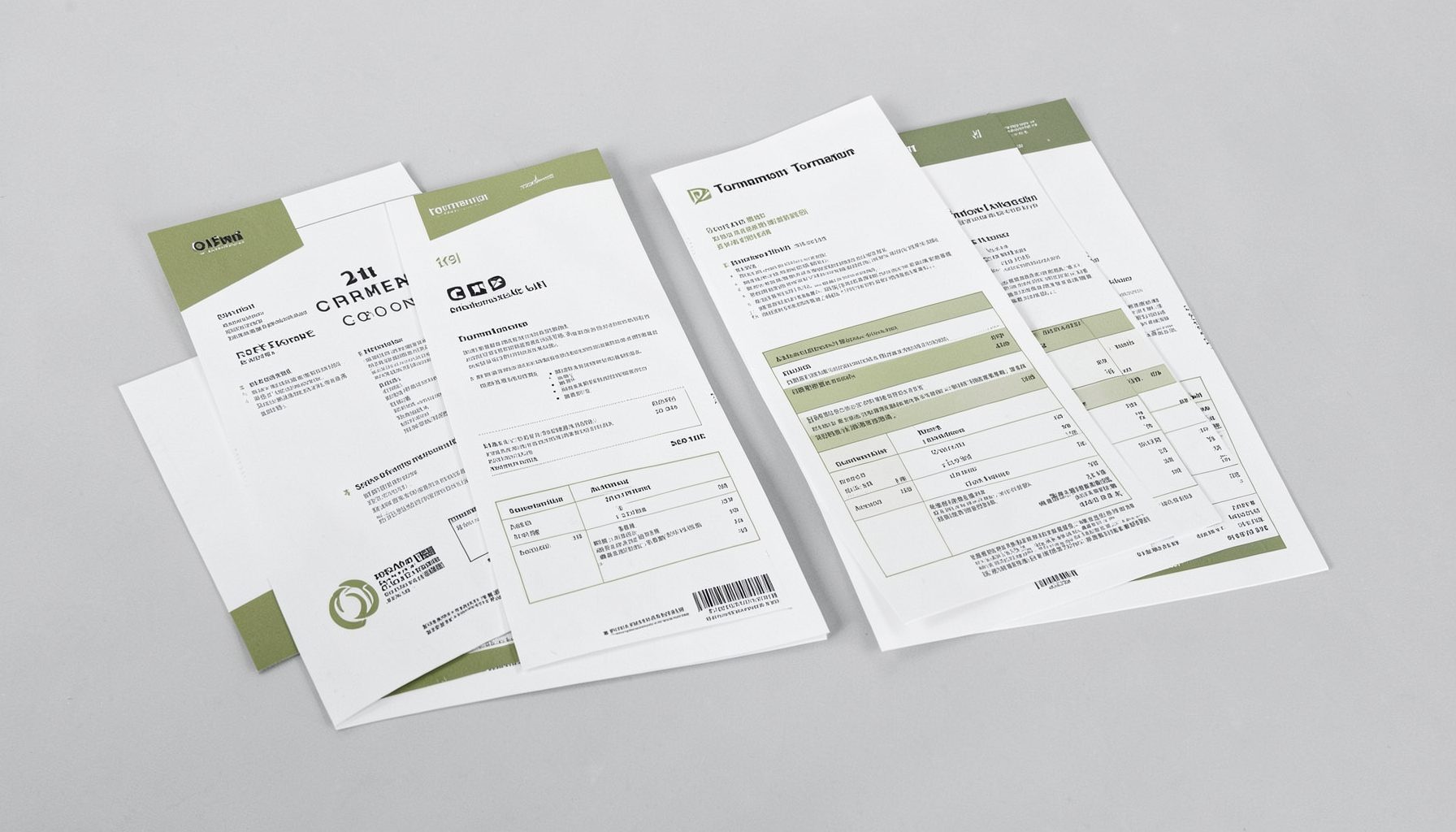
Tournament Packets
Packets from previous Kill Team events are kept here alongside new packets for upcoming tournaments, so organizers and players have what they need in one place.
View Event Data