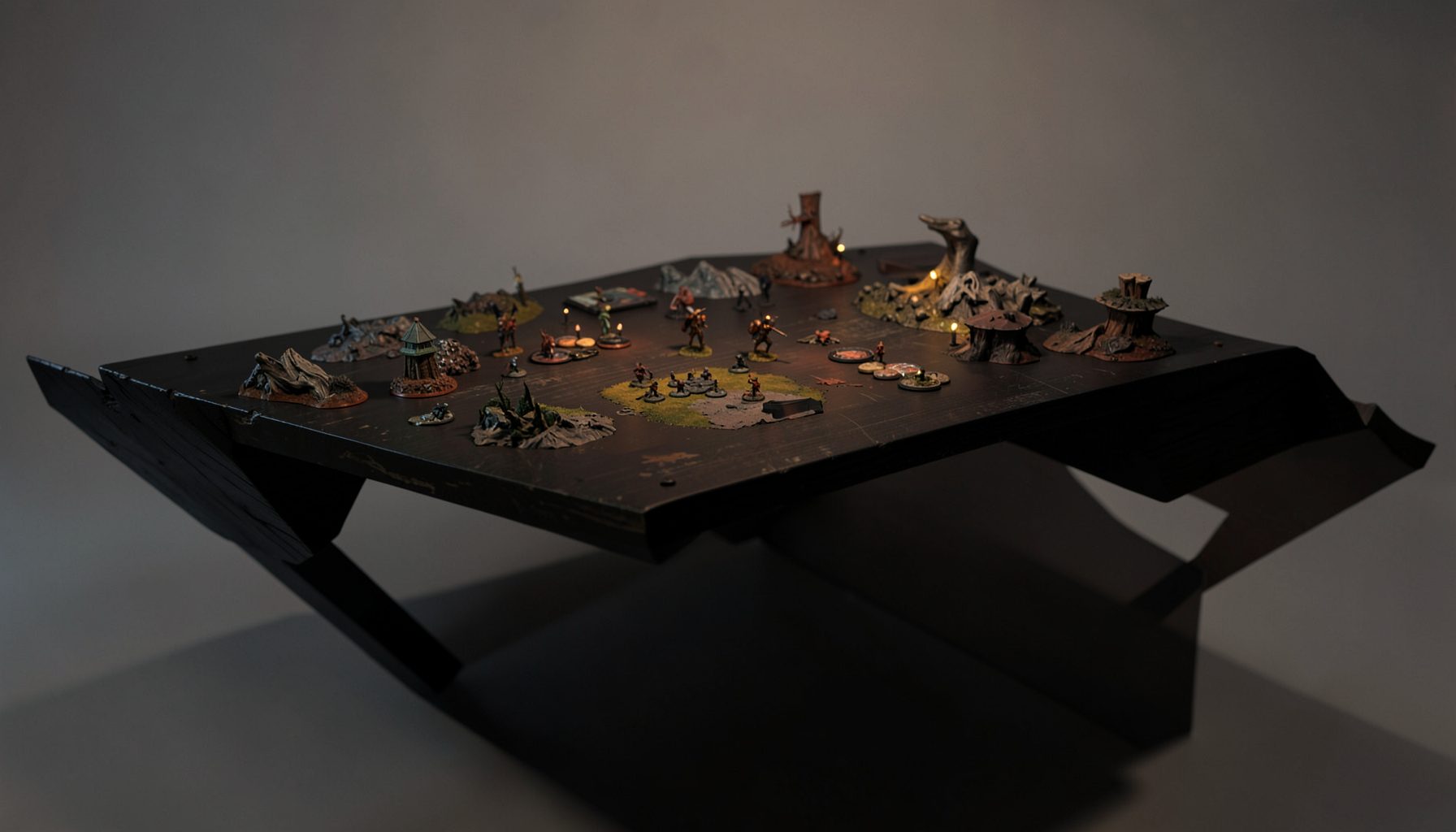
Live-streamed games, recorded matches, and event data gathered in one place.
Kill Team Stream hosts quality live streaming of Kill Team content — tournaments throughout the year on Twitch, regular games streamed to the channel, and tournament data gathered so players can see what's happening in the scene. Powered by WARHAMMER.
Browse tournamentsOfferings
Tournaments
Multiple Kill Team tournaments hosted throughout the year, all live-streamed on our Twitch channel.
Videos
Streams are recorded and uploaded to YouTube alongside original video content we produce.
Event Data
Tournament packets from past events plus resources for upcoming Kill Team tournaments.
Site Directory
Damage Dice and Critical Hits Actually Work in Kill Team
Warhammer Kill Team runs on a dice system that looks deceptively simple at first glance, yet every match rewards players who have spent real time studying how the symbols interact. Each attack involves an attack roll, a defence roll, and then a damage roll, with the famous six-pip star standing apart from ordinary successes. Knowing the difference between a critical hit and a regular hit, and understanding when those crits are retained or cancelled, separates casual players from those placing well at events like the Heatwave Open in Brisbane or the Sydney City Brawl.
This article walks through the entire pipeline of how a single shot or melee swing resolves on the tabletop. We will look at what triggers a critical, how armour saves interact with the defender's own critical successes, and which weapon traits can turn a humble autopistol into a mortal-wound engine. The aim is to give new Australian players a confident grasp of the math while offering tournament regulars a few angles worth testing in their next list.
The damage dice themselves sit in a separate pool that only comes into play after the attacker has navigated the opponent's saves. That distinction matters because some weapons roll a single heavy damage die while others pour out handfuls of small dice that combine into a respectable output. The outcome of those damage rolls is shaped by critical hits earned at the attack stage, retained critical hits on defence, and a handful of keyword abilities that reroute the result entirely.
Australian players often encounter the rules first through local gaming cafés in Melbourne and Perth, or through weekend league nights hosted in community halls across the eastern seaboard. Hobby goods sold locally also attract the Goods and Services Tax, which is worth remembering when budgeting for new kill teams, and tournament organisers frequently schedule rounds around long weekends such as the King's Birthday or ANZAC Day to maximise attendance.
The Anatomy of an Attack Roll
The first dice pool a player touches in a fight is the attack dice. Each weapon profile lists an attack characteristic, often shortened to A, alongside a hit stat of 3+ or 4+ for most faction gear. The attacker rolls that many dice, then reads the results: a six is always a critical hit, while anything meeting or beating the hit stat counts as a normal success. Failing to reach the threshold means the die is discarded, contributing nothing further to the sequence.
Critical hits are special because they bypass the usual comparison against defence dice. A defender cannot cancel an attacker's critical hit with a normal save success, no matter how high the defence characteristic climbs. This single rule ripples through the rest of the game, shaping the value of high-damage weapons, encouraging players to seek out rerolls for sixes, and explaining why certain elite operatives feel so oppressive in the current matched play meta.
The attacker also cares about which attack dice become retained criticals, a term that shows up when a special rule cancels them or strips them from the pool. Retained means the die still shows its six, but it no longer behaves as a critical during the damage step, effectively becoming a normal hit for allocation purposes. Players who ignore this distinction often miscount their damage output by a full die or more.
From Saves to Damage Allocation
Once the attacker has compiled their successes and critical hits, the defender rolls a number of defence dice equal to their defence characteristic. A six on the defence side is a critical save, while a normal success meets the saving threshold printed on the attacker's weapon profile. Each regular success blocks one normal hit, and each critical save blocks one of either flavour, which is where the asymmetry of the system becomes obvious to new players.
A typical rifle might save on a 3+, while a storm bolter might demand a 5+ or even a 6+. Weapons with high save thresholds essentially force the defender to fish for critical saves, because ordinary results stop working at all. Defenders therefore value abilities that grant extra defence dice, such as cover from barricades or specific faction rules, because they widen the pool of chances to roll that elusive six.
After both pools are compared, any attacker success without a matching defence success becomes a successful hit that progresses to the damage roll. This is the moment where the prior attack and defence choices finally translate into tangible wounds removed from the target operative. A clean accounting at this stage is something Australian tournament organisers often flag during rules clinic sessions, since it is also where slow play penalties start to add up.
What Makes a Critical Hit
A critical hit is any unmodified six rolled during the attack dice pool, regardless of the weapon's hit stat. Even weapons with a 2+ hit roll still produce critical hits on sixes, and weapons with a 5+ hit roll rely on those sixes almost exclusively to land damage at all. This universal treatment of sixes is the backbone of many army-specific abilities, from space marine chapter tactics to tyranid bio-abilities that trigger when a critical hit is scored.
A retained critical hit is a six that no longer counts as a critical for downstream effects, such as mortal wounds or piercing damage. Some faction abilities say a defender can cancel critical hits, which converts the attacker's sixes into ordinary hits. Other abilities let the attacker reroll attack dice that did not land a critical, essentially trading volume of dice for guaranteed sixes. The interplay between these two mechanics produces the swingy moments that make Kill Team broadcasts on YouTube so compelling.
For newcomers in Adelaide or Hobart who are picking up their first kill team, the simplest way to remember the rule is this: crits are sixes, sixes are crits, and only another six can stop them in the defence roll. Everything else flows from that single, memorable fact.
Retaining and Cancelling Crits in Defence
The defender's critical save is the only thing that can cancel an incoming critical hit. A normal save success stops a normal hit and nothing more, so an attacker who rolls three critical hits forces the defender to find three critical saves of their own. This is why elite models with a 2+ save characteristic remain so durable, since their defence dice are statistically much more likely to land sixes than a 3+ save operative facing the same volley.
Certain faction abilities and equipment options let a defender treat a normal save as a critical save, or reroll defence dice hoping for sixes. Cover can also play a role, because being in light cover blocks one attacker's normal hit outright, removing the need for a defence roll on that particular swing. Heavy cover can remove two normal hits, which is a quiet but powerful defensive tool across most maps and tournament packs in the Australian ITC scene.
Players planning to attend events like the Perth Major or a community-run league night in Geelong should double-check which terrain rules their organisers use. The difference between light cover and heavy cover, or between obscured and engaged, often determines whether a clutch defence roll needs to be a critical save or merely a regular success.
Weapon Traits That Bend the Rules
Weapon traits sit on the right-hand side of a profile and modify the basic attack, defence, and damage pipeline. Hot turns critical hits into mortal wounds, while Severe converts any retained critical on the defence roll into mortal wounds against the defender. Lethal adds extra damage dice to a successful hit, and Shock can force operatives to fall back or skip actions. Together, these keywords transform ordinary dice into specialised tools that shape list building.
Balanced weapons trade raw damage output for accuracy, often gaining +1 to hit rolls or rerolls against targets in cover. Torrent attacks ignore line of sight within a short range, making them perfect for cramped kill team boards common in suburban halls across the eastern seaboard. Saturate weapons are designed to chew through barricades and barricade-wielding operatives, granting extra dice against targets behind light cover.
Players chasing tournament success in Australia often spend hours theory-crafting combinations of these traits, looking for ways to amplify critical hits or strip away the defender's saving grace. The interplay between Blast, Torrent, and Hot on a single operative can produce a glass-cannon profile that wins games outright when the dice cooperate. For those still learning the system, the community FAQ glossary breaks down each keyword in plain language.
Reading the Math for Match Play
Translating dice probabilities into match-winning decisions takes practice, but a few rules of thumb help. A weapon that hits on 3+ with three attacks and deals 3/3 damage averages roughly two wounds against a 4+ save operative, while the same profile against a 2+ save averages closer to one wound. Critical hits skew that math sharply, since a single six bypasses the save entirely and lands full damage on the target.
Tournament players in Sydney and Melbourne often track expected damage output during list submission, comparing each operative's threat range against the most common defensive profiles in the meta. A squad that can average nine wounds across its shooting phase tends to dismantle a five-wound elite operative before the second turning point, which shapes deployment and activation order alike.
The Australian competitive scene also rewards players who understand the difference between absolute damage and damage efficiency. Spending three action points to deal four expected wounds might sound good, but spending two action points to deal the same four expected wounds leaves a whole extra activation for objective play. That kind of arithmetic, combined with a clean grasp of critical hits and damage allocation, is what separates a casual game night from a top-table finish at an event like the Melbourne Invitational.
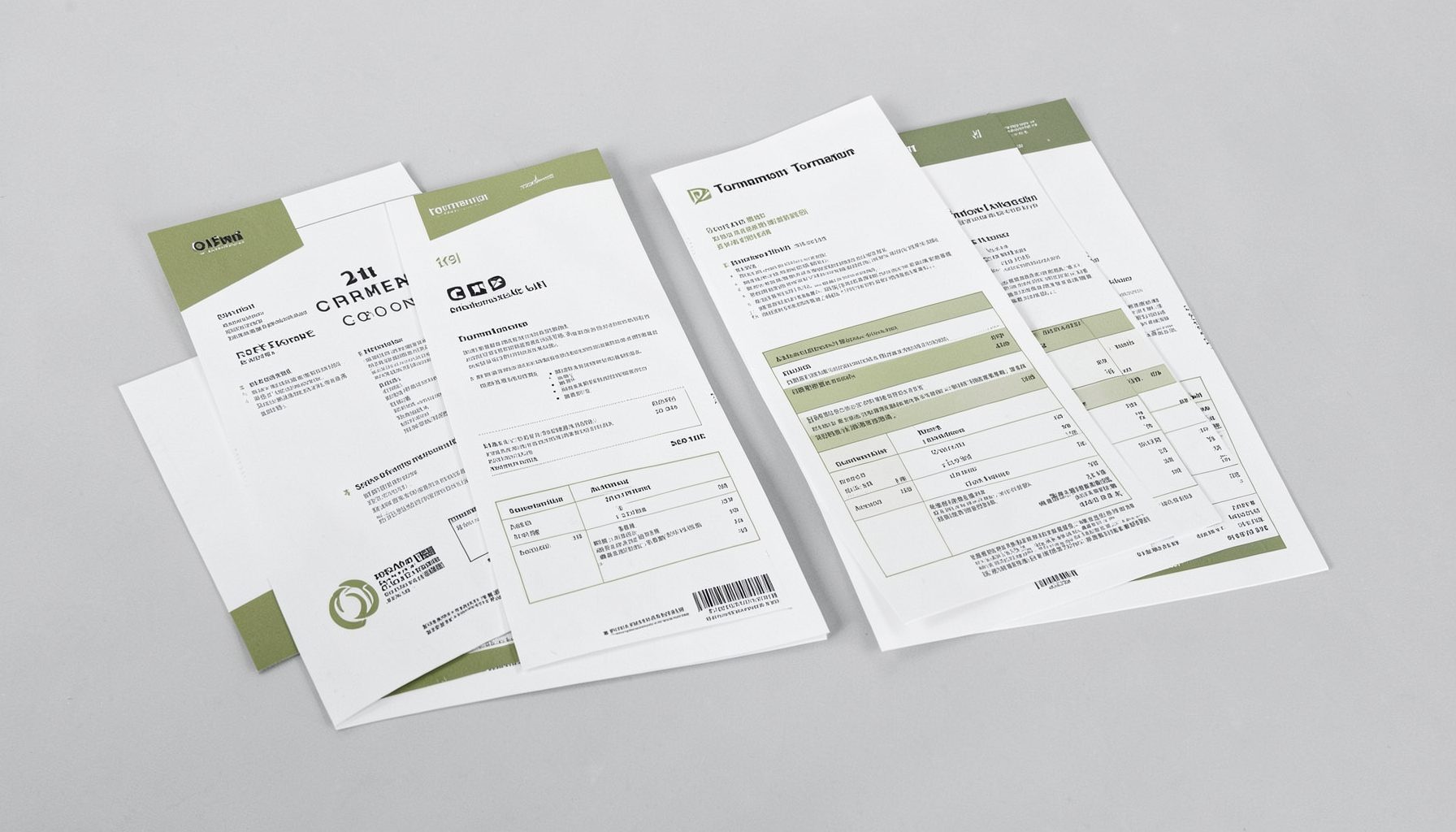
Tournament Packets
Packets from previous Kill Team events are kept here alongside new packets for upcoming tournaments, so organizers and players have what they need in one place.
View Event Data