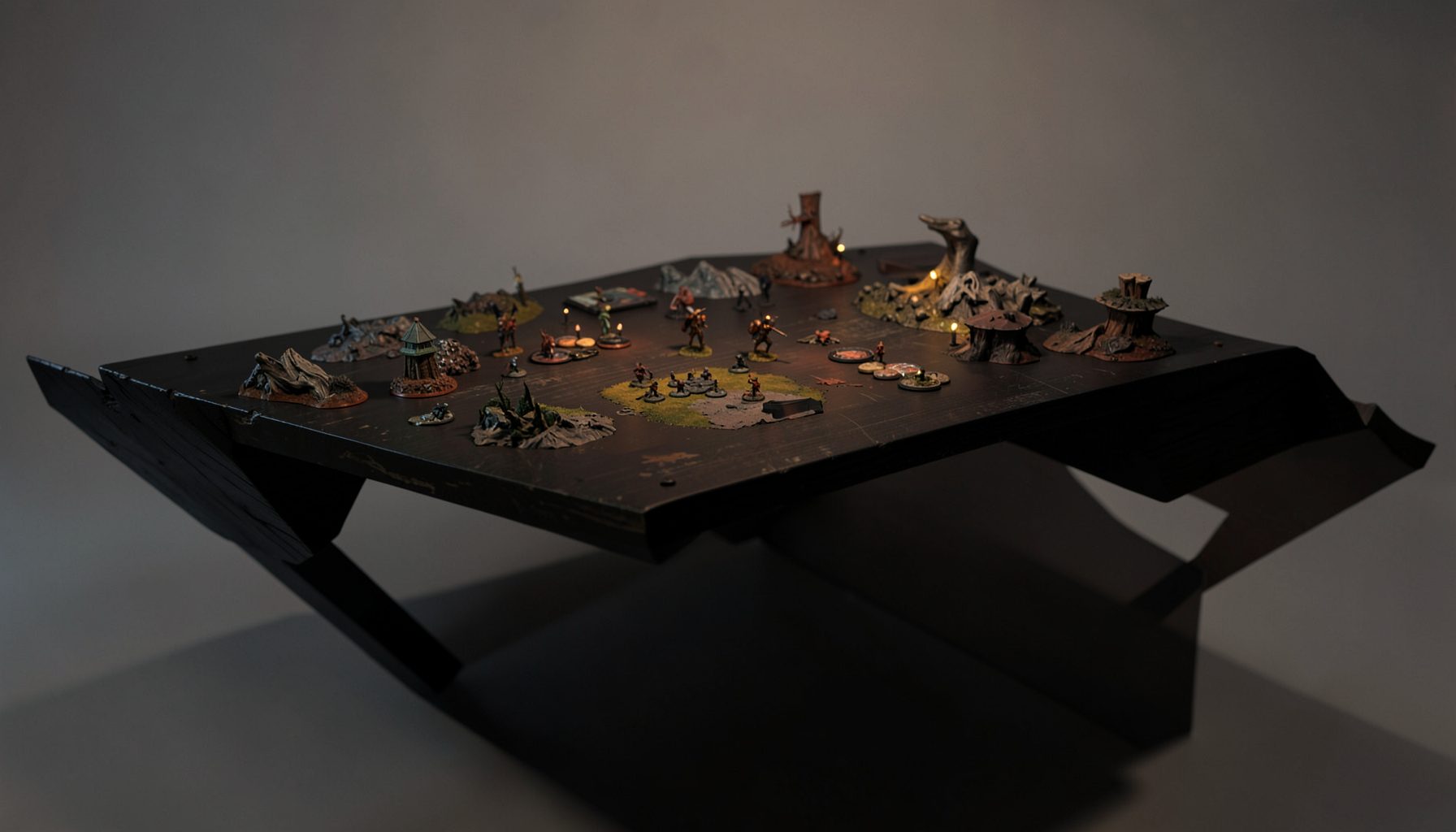
Live-streamed games, recorded matches, and event data gathered in one place.
Kill Team Stream hosts quality live streaming of Kill Team content — tournaments throughout the year on Twitch, regular games streamed to the channel, and tournament data gathered so players can see what's happening in the scene. Powered by WARHAMMER.
Browse tournamentsOfferings
Tournaments
Multiple Kill Team tournaments hosted throughout the year, all live-streamed on our Twitch channel.
Videos
Streams are recorded and uploaded to YouTube alongside original video content we produce.
Event Data
Tournament packets from past events plus resources for upcoming Kill Team tournaments.
Site Directory
Understanding the Pathfinder Kill Team markerlight mechanics
The Pathfinder Kill Team stands apart from most factions thanks to its reliance on a token-based support system. Rather than delivering raw damage, Pathfinders trade fire for tactical flexibility, building a layered targeting network that any friendly T'au Empire operative can exploit. For players watching competitive Kill Team through platforms like Kill Team Stream, understanding the Markerlight system is essential reading.
Across Australian tables in Sydney, Melbourne, Brisbane and Perth, the Pathfinder faction has carved out a loyal following among players who enjoy a cerebral, support-oriented playstyle. The team rewards careful positioning, patient shooting, and an awareness of when to hold tokens back rather than spend them recklessly. This guide walks through the Markerlight system from action to payoff, while looking at how the rules interact with Australian tournament play.
The markerlight action and how it works
Every Pathfinder operative has access to a unique action called Markerlight. It is a Support action costing one Action Point and targeting a single visible enemy operative. When resolved successfully, the target receives one Markerlight token, which sits on the model until spent. Up to three tokens can stack on a single enemy, so repeated Markerlight actions on the same target are the heart of the team's offensive engine.
Because Markerlight is a Support action rather than a shooting or fighting action, it does not directly damage the enemy. Its value lies in preparation, setting up the next phase where allied fire becomes dramatically more accurate. Players in local game stores like Good Games and Maelstrom Games describe this as a "soft alpha strike", where Pathfinders spend the first turns building a token bank before unleashing heavier weapons.
Tokens persist on enemy operatives until spent, so a target that survives a round of Markerlight work continues to carry the tokens into the next turning point. This persistence rewards teams that can survive long enough to capitalise on their stacking, making Pathfinders dangerous in missions with fixed deployment or extended objective play.
Sources of markerlight tokens
While the Pathfinder keyword is the headline source, the wider T'au Empire ecosystem contributes additional token-generating actions. Recon Drones and other support drones can carry Markerlight-equivalent abilities in certain loadouts, and team-building choices across approved rulesets shift how many sources a roster fields. Most Australian competitive lists take the maximum legal number of Pathfinder operatives to maximise token production.
Each source carries different constraints, including range, line of sight requirements, and whether the action requires the operative to remain stationary. Pathfinders tend to have shorter Markerlight ranges but the most flexibility in deployment, while drones extend the range but consume an activation slot for a non-damaging action. Players building lists for CanCon in Canberra or the Australian Team Championship routinely weigh these trade-offs.
A typical tournament build runs three to five Markerlight-capable operatives. With a fixed activation count per game, players must balance Markerlight output against shooting output, since the same operatives cannot be expected to both stack tokens and deliver damage every turn. This is the central tension of the faction, one that experienced players manage through pacing and positioning.
Spending tokens and the cost of accuracy
Markerlight tokens are not consumed automatically. The active player chooses when, against whom, and which operatives spend them. Each token confers a specific benefit to attacks against the marked target, and the benefits are progressive, with multiple tokens offering increasingly powerful effects.
| Tokens spent | Effect on attack rolls | Effect on wound rolls | Tactical purpose |
|---|---|---|---|
| 1 | Reroll attack dice | — | Chewing through armour saves on mid-value targets |
| 2 | — | Reroll wound dice | Pushing high-damage weapons past tough defences |
| 3 | Critical hits on 5+ or +1 to hit | — | Punishing elite operatives with concentrated fire |
A single token rerolls attack dice, ideal for low-strength weapons that would otherwise struggle to wound heavy targets. Two tokens reroll wound dice, dramatically improving high-damage, low-volume weapons such as rail rifles and ion rifles. Three tokens can grant critical hits on a 5+ or push Ballistic Skill by one, depending on the rule version your local group uses.
The decision to spend is not trivial. Spending too early against a target removed by another operative wastes the resource, while hoarding risks losing tokens if the marked operative falls to enemy shooting. Tournament players in Adelaide and Hobart often keep a notepad or use Kill Team Stream's recorded matches to track token flow, learning when aggressive spending is worth more than banking for a future turn.
Building a pathfinder team around markerlights
A competitive Pathfinder roster treats the Markerlight network as a single combined weapon system. The classic skeleton includes a Pathfinder leader for command utility, two or three Pathfinders with carbines for reliable token generation, a sniper or two carrying rail rifles for high-damage follow-ups, and a drone or two to extend the action economy. Each operative serves either the supply side or the demand side, and a list that conflates the two struggles to apply pressure.
Rail rifles and ion rifles pair especially well with stacked tokens, because their low rate of fire makes every hit disproportionately valuable. A rail rifle firing with two tokens rerolling wounds can comfortably threaten elite targets that would otherwise shrug off T'au small-arms fire. Carbine-armed Pathfinders spend tokens on the way in, using the reroll attack dice effect to keep volume fire consistent at long range.
Drone support is the other major lever. Gun Drones and Recon Drones relieve activation pressure on Pathfinders, freeing them to spend more turns generating tokens rather than trading fire. Players across Brisbane and Perth hobby communities often note that drone-heavy builds feel more forgiving in the opening turning points, where the team is most vulnerable before tokens are banked.
Matchup considerations and counterplay
Markerlights are strongest against factions with few but tough operatives, where concentrated firepower picks off elites one at a time. Custodes, Deathwatch and elite-heavy Heretic Astartes builds all struggle when a Pathfinder team stacks tokens on a priority target and cracks it open with rerolled wounds. Conversely, horde factions dilute the value of each token, since Pathfinders cannot easily mark every threat.
Positioning is everything. Pathfinders need line of sight to apply Markerlights, so dense terrain can stall the token engine. Australian tournament tables at stores like Ace Comics frequently feature heavy terrain layouts reflecting global Games Workshop tournament standards, and players who master the line-of-sight dance outperform those who rely on raw stats. Stealth and obscure terrain are the natural enemies of Markerlight plans.
Counterplay from opposing players is straightforward but disciplined. Avoiding clustering, breaking line of sight, and applying early pressure on the Pathfinder operatives themselves can all starve the team of its resource generation. Experienced opponents at Australian events often open aggressively, using first-turn charges or fast melee threats to deny Pathfinders a comfortable setup phase. The faction is fragile early, so player skill in the first two turns often decides the match.
Tournament trends and the meta conversation
In the global Kill Team meta, Pathfinder rosters cycle between high and mid tiers depending on the latest Balance Dataslate updates. Recent dataslates have nudged the faction's damage output and activation economy, prompting competitive players to adjust whether they run more token drones, more Pathfinders, or more hybrid gun platform builds. Kill Team Stream's tournament coverage regularly shows these adjustments, with commentators walking viewers through token-by-token decisions.
Australian results have tracked global trends closely. Strong showings at CanCon, regional GTs in Sydney and Melbourne, and the Australian Team Championship have all featured Pathfinder lists in the top cut. The faction rewards preparation and stream study, which suits the Australian community's habit of reviewing recorded matches on Twitch and YouTube before committing to a list.
Where the meta tilts toward elite factions, Pathfinders surge. Where it tilts toward horde or fast melee, the faction drops down the rankings. Players planning their next tournament list would do well to monitor the latest dataslate and check event packets on Kill Team Stream before locking in operative choices.
Pathfinder play across Australian tables
Australian players punch above their weight in the global Kill Team scene, and Pathfinder players are no exception. Local communities in Sydney, Melbourne, Brisbane, Adelaide, Perth and Hobart run regular RTTs and team events, with game stores like Good Games, Maelstrom Games and regional Ace Comics branches hosting weekly Kill Team nights. The community tends to be generous with list advice, especially for newcomers learning the Markerlight system.
Streaming the local scene has grown over the past few years, with Australian players tuning in to Kill Team Stream's coverage from a range of time zones. AEDT coverage slots can clash with West Coast primetime, but most major events schedule around the broadest possible Australian audience. Players in Perth and other western communities often watch VODs the following morning rather than catching live broadcasts.
Australian Consumer Law also gives players an extra layer of protection when buying product locally, with guarantees that hobby purchases from Australian retailers must be of acceptable quality and match their description. For hobbyists investing in T'au Empire models and codex bundles, this can simplify warranty claims and replacements if a kit arrives damaged or missing parts. It is one of the quieter advantages of buying through Australian distributors rather than parallel-importing from overseas.
Across the country, the Markerlight system remains the core mechanic that defines the faction, rewarding patience, punishing recklessness, and turning a few well-placed tokens into a decisive firing solution at every level of competitive play.
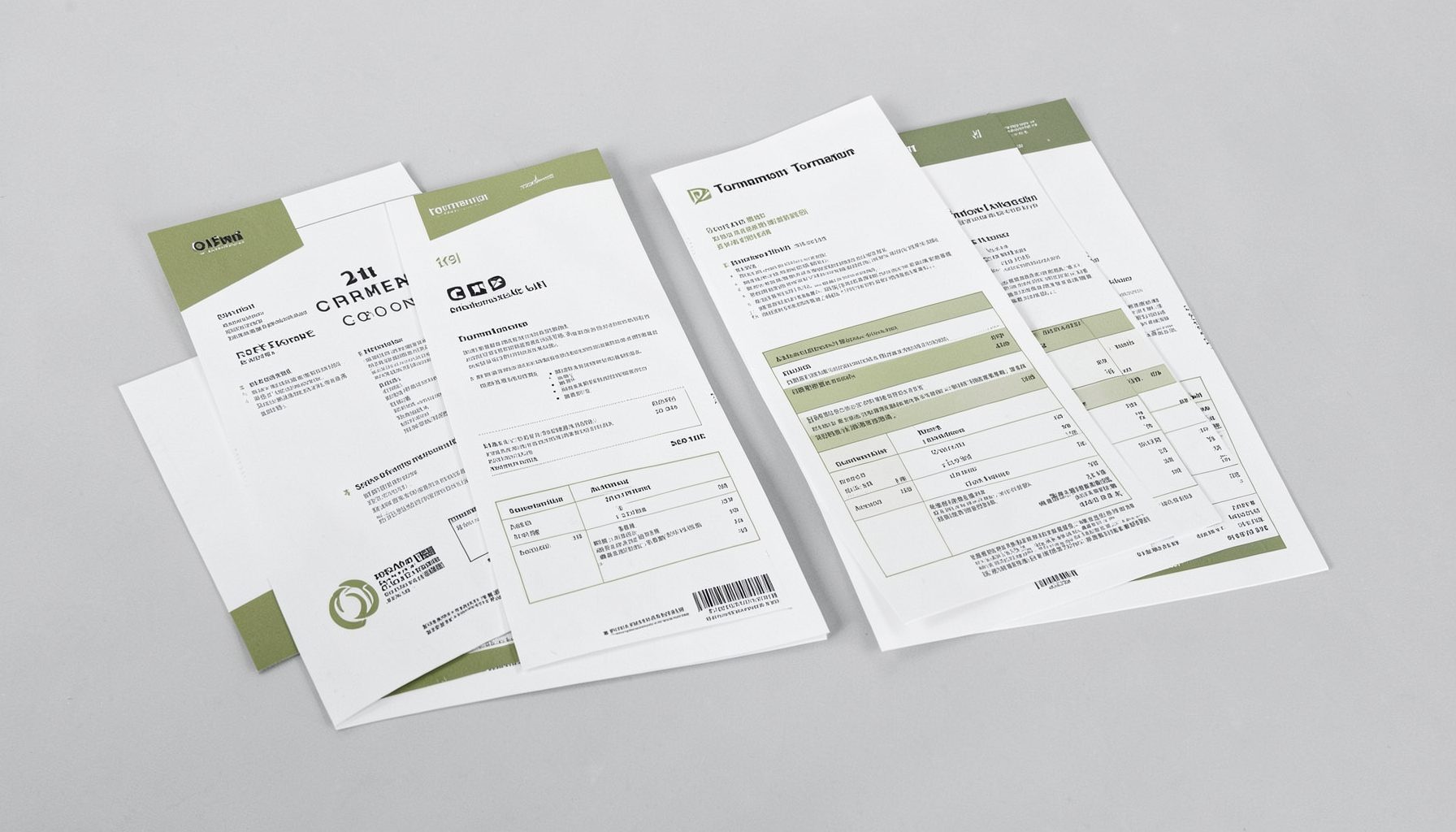
Tournament Packets
Packets from previous Kill Team events are kept here alongside new packets for upcoming tournaments, so organizers and players have what they need in one place.
View Event Data