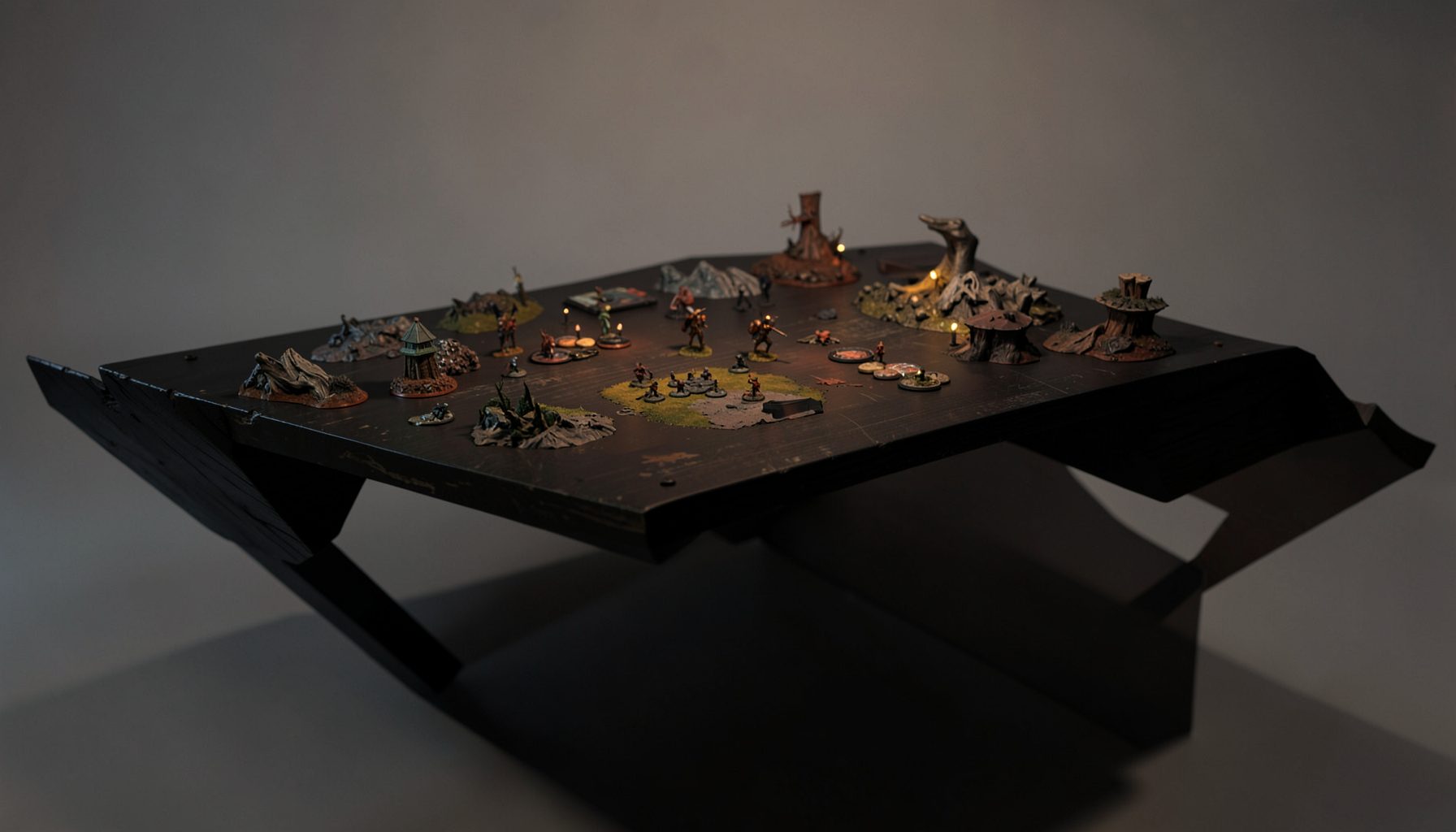
Live-streamed games, recorded matches, and event data gathered in one place.
Kill Team Stream hosts quality live streaming of Kill Team content — tournaments throughout the year on Twitch, regular games streamed to the channel, and tournament data gathered so players can see what's happening in the scene. Powered by WARHAMMER.
Browse tournamentsOfferings
Tournaments
Multiple Kill Team tournaments hosted throughout the year, all live-streamed on our Twitch channel.
Videos
Streams are recorded and uploaded to YouTube alongside original video content we produce.
Event Data
Tournament packets from past events plus resources for upcoming Kill Team tournaments.
Site Directory
What the Latest Kill Team Top 8 Cut Reveals About the Meta
When the dust settled at a recent competitive Kill Team event, a fascinating Top 8 emerged that tells a compelling story about where the game currently stands. Kill Team Stream has been tracking these results closely because they offer a window into how players are adapting to shifting mission packs, balance updates, and the ever-evolving tactical landscape of Warhammer's specialist skirmish game. Whether you're a casual viewer tuning in from a store in Parramatta or a veteran competitor preparing for an upcoming Grand Tournament, understanding what made this particular bracket click can sharpen your own approach.
The Top 8 list from any major Kill Team event reads like a snapshot of the current state of play. Faction distributions, list archetypes, and mission-specific choices all combine to reveal the pressures shaping tournament play. In a region like Australia, where events stretch across Sydney, Melbourne, Brisbane, and Perth, players often face unique logistical challenges that influence their list-building decisions. From timezone differences affecting practice partners to the long weekends that cluster around tournaments, the local context matters. Let's break down what stood out and what it means for anyone chasing a podium finish of their own.
The Tournament Structure and How the Cut Was Reached
The event in question followed the standard three-stage format familiar to Kill Team players: a Swiss-style open day, a cut to a single-elimination bracket, and best-of-three matchups from the quarter-finals onward. Players accumulated match points across five rounds on day one, with tiebreakers determined by Strength of Schedule and total Victory Points. A noteworthy aspect of this particular event was its geographic spread, drawing competitors from across Australia and abroad, which made the resulting bracket feel especially representative of the broader competitive community.
Reaching the cut typically required a 4-1 record or a strong 3-2 finish with a favourable strength-of-schedule metric. Mission rotations during the Swiss phase alternated between the faction-flavoured decks from the current Nachmund, Gallowdark, and Chalnath expansions, forcing players to prepare for a wide spread of tactical objectives. The tournament organisers live-streamed the Top 8 across both YouTube and Twitch, allowing armchair generals watching from Brisbane's late-evening comfort to call plays in real time. Streamed coverage matters because it provides a verifiable record of every critical play, list reveal, and faction choice that shaped the elimination rounds.
A few unique wrinkles elevated this event beyond a standard local run. Players submitted two full kill team lists, swapping faction allegiance between games in a best-of-five environment. The strategic flexibility of double-list play has become a defining feature of high-level Kill Team, rewarding players who can pivot between two distinct archetypes without sacrificing muscle memory. Watching how the cut was reached, and which factions survived each Swiss round, provides the foundation for analysing the meta-shaping choices that followed.
Faction Distribution Across the Top 8
Once the bracket was set, the faction breakdown painted a revealing picture. Of the eight players remaining, a mix of elite, medium, and horde factions were represented, though the elite designations, those built around a handful of powerful operatives, held the strongest presence. Veteran kill teams consistently outperformed their peers, a trend that aligns with the broader competitive discussion around board control and per-operative efficiency. Specific faction performance varied, with both legacy and newer kill teams proving that data slate balance updates have not fully equalised the field.
What stood out most was the role of hybrid teams that combined a damage-dealing core with mission-play support operatives. Players in Melbourne and Sydney have long favoured these flexible builds, and this Top 8 confirmed their continued relevance. A single representative from a previously underperforming faction also cracked the bracket, signalling a possible resurgence worth monitoring. Whether that result was a one-off upset or the leading edge of a wider shift remains an open question, and upcoming events across Brisbane and Perth will help settle it.
The faction spread also reflected the resource constraints many Australian players navigate. Flying out for international events is rarely viable for casual competitors, so local meta knowledge carries extra weight. Lists that succeed in events like these often get refined through repeated local testing at stores such as Good Games or Battlefield Sydney, where weekly leagues double as practice grounds. The Top 8 distribution therefore reflects not only raw tactical merit but also the cumulative effect of community-driven list crafting in the lead-up to the event.
Standout Performances and Pilots to Watch
Among the eight finalists, several performances deserve closer attention. The eventual winner, piloting an elite kill team with surgical deployment skills, swept through their quarter-final and semi-final opponents with a combination of melee pressure and objective denial. Their list featured a heavy reliance on positioning tricks that reward patient play, and watching their games back reveals a player who rarely leaves initiative to chance. Australian viewers tuning into the Twitch broadcast noted that this finalist regularly streams practice games from their home setup in the Adelaide Hills, making their style particularly accessible to study.
Another standout was a Brisbane-based player who reached the Top 8 with an unconventional list built around a faction that most pilots had written off. Their path through the Swiss rounds included a notable upset over a heavily favoured opponent, and the live chat caught fire during the deciding turn. What made their run compelling was the willingness to bring off-meta picks into high-stakes games, betting on mission play and opponent unfamiliarity rather than raw lethality. It is the kind of risk that rarely pays off in major events but serves as a useful reminder that tournament play rewards preparation depth as much as list strength.
Lower-bracket finishers also offered insights. A Sydney player running a horde-style team demonstrated that, under the right mission conditions, volume of action economy can rival per-operative quality. Their elimination came courtesy of a single bad matchup in the quarters, but the earlier rounds showcased clever use of faction ploys to out-pace elite opponents on objective capture. For viewers looking to study different competitive philosophies, browsing match archives on the Kill Team Stream YouTube channel provides an invaluable record of these performances.
Tactical Trends and List Construction Choices
Digging into the lists themselves reveals broader patterns. Across the Top 8, virtually every player leaned into current mission secondaries tied to board control rather than raw killing power. This represents a continued maturation of how competitively-minded pilots approach the game, valuing the scoring potential of area-denial operatives over straight fighting stats. Wargear selections trended heavily toward mobility and utility, with fewer players splashing on heavy weapon upgrades that might shine in casual play but fall short in objective-focused tournament settings.
Ploy usage offered another window into the current meta. Players who reached the later rounds consistently used faction ploys to set up two-turn lethal sequences, catching opponents in scoring positions they could not retreat from. Several lists also packed utility ploys designed to disrupt opponent action economy, effectively trading pure offence for tempo control. The trade-off is a steeper learning curve during practice, since these tools only deliver value when the user can predict the opponent's plan. Many Australian pilots credit their success to weekly practice sessions at local halls and Discord groups, where iterating on ploy timing becomes part of the weekly routine.
A final trend worth noting concerns the choice of Tac Ops. The Top 8 lists prioritised Tac Ops with high scoring ceilings and flexible execution paths, avoiding narrow picks that depend on specific matchups. Recon, Seek and Destroy, and similar board-wide objectives appeared repeatedly, while more situational Tac Ops made far fewer appearances. This bias towards flexibility reflects the uncertainty of best-of-three elimination play, where a single bad draw can wreck even the cleanest list. Players refining their own rosters would do well to consider this principle, picking Tac Ops that succeed across multiple mission packs rather than specialising too tightly.
What This Means for Upcoming Events
For anyone plotting their next tournament appearance, the implications of this Top 8 are clear but worth taking seriously. The current meta rewards flexible list construction, depth in tactical ploy usage, and a willingness to prepare for a wide spread of mission packs. Players who narrowly built around a single dominant faction without a backup plan found themselves vulnerable once the cut began. Looking ahead to events scheduled around Australia Day long weekends, or the Brisbane and Perth opens later in the year, expect pilots to refine these archetypes further.
Practically speaking, viewers and competitors can use the Top 8 as a research library. Re-watching the streamed matches with a notebook, even a casual one, helps identify decision points where the player differed from conventional play. Local stores in Sydney, Melbourne, and Adelaide will likely feature practice sessions in the weeks following any major event, giving amateurs a chance to test freshly revealed tech before the next major. Joining those sessions is often the fastest way to absorb the kind of advanced techniques that take months to develop in isolation.
This Top 8 reminds us that Kill Team remains one of the most strategically rich skirmish games on the market. The variety of factions, the depth of mission design, and the social fabric of the tournament community all combine to create a hobby that rewards thoughtful engagement. Whether your next game happens at a kitchen table in Hobart or a packed convention hall in Melbourne, the lessons from this bracket will travel with you. Tune into the next Kill Team Stream broadcast, study the lists, and bring your own innovations to the table.
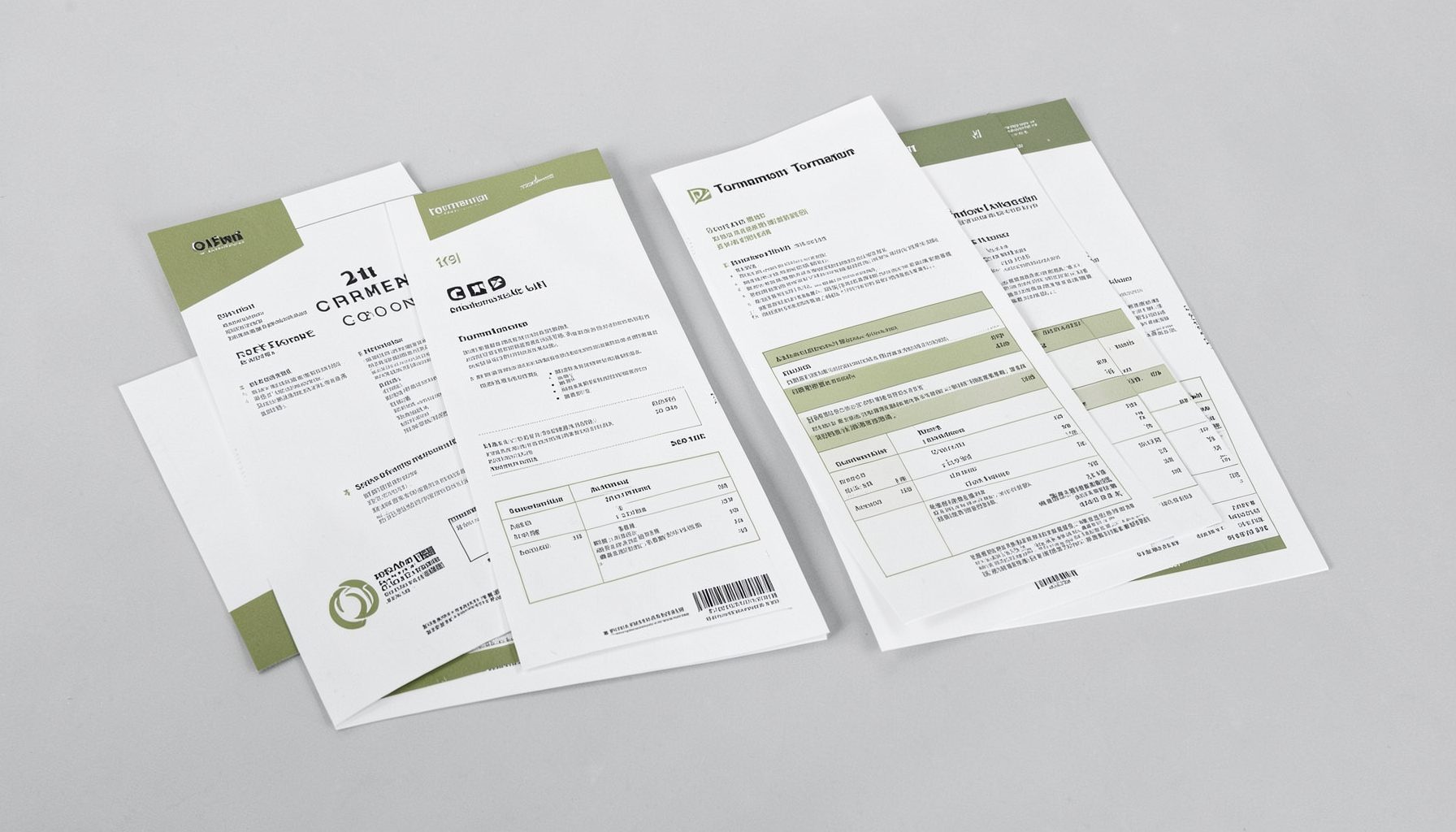
Tournament Packets
Packets from previous Kill Team events are kept here alongside new packets for upcoming tournaments, so organizers and players have what they need in one place.
View Event Data