Live-streamed games, recorded matches, and event data gathered in one place.
Kill Team Stream hosts quality live streaming of Kill Team content — tournaments throughout the year on Twitch, regular games streamed to the channel, and tournament data gathered so players can see what's happening in the scene. Powered by WARHAMMER.
Browse tournamentsOfferings
Tournaments
Multiple Kill Team tournaments hosted throughout the year, all live-streamed on our Twitch channel.
Videos
Streams are recorded and uploaded to YouTube alongside original video content we produce.
Event Data
Tournament packets from past events plus resources for upcoming Kill Team tournaments.
Site Directory
A guide to the Kill Team killzone: how to choose the right board
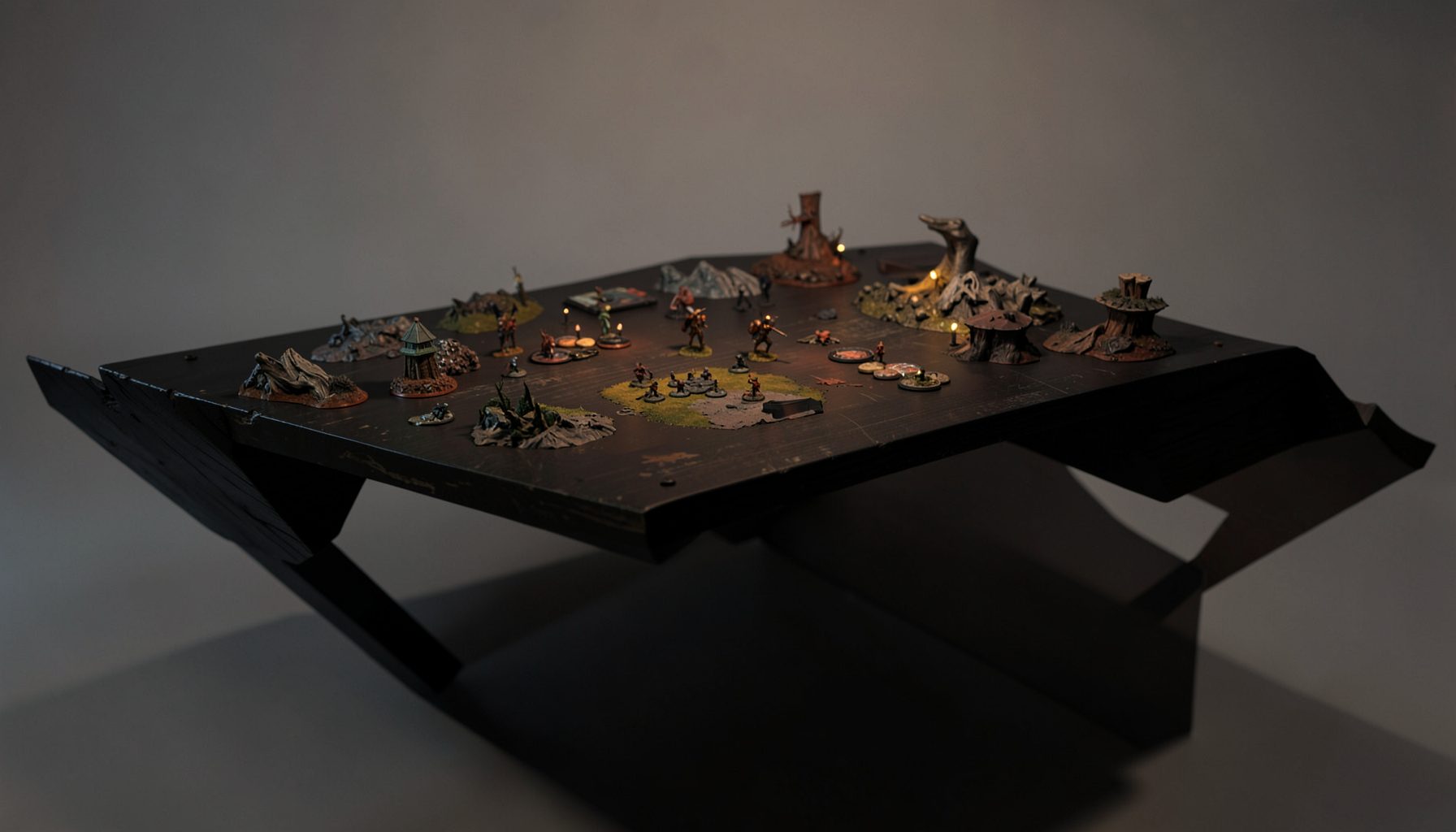
Every Warhammer Kill Team battle unfolds on a roughly 22 by 30 inch board known as a killzone, and the look, density, and shape of that board influence almost every decision you make on the table. The piece of terrain you choose to fight over shapes line of sight, controls how aggressive your operatives can be, and biases the mission structure in ways that beginners often underestimate. Whether you're playing a casual pickup game at a local hobby store or competing for a podium finish, the killzone is the silent third player in every matchup.
The range of available killzones keeps growing. From the cardboard foldout board that came in older Kill Team starter sets to custom MDF layouts carved by independent makers, players are spoiled for choice. Each option comes with trade-offs in cost, portability, and aesthetic quality, and a board that looks beautiful on social media can also be tactically awkward to play on. Knowing how to evaluate a killzone before you buy or build one saves both money and frustration across many seasons of competitive play.
Australia's competitive Kill Team scene has matured into something quietly impressive. Brisbane hosts the long-running No Quarter series, Melbourne sees regular events at venues like M&G Games and Topside, and Sydney's player base is large enough to sustain weekly leagues across multiple suburbs. Canberra's CanCon, Adelaide's independent leagues, and Tasmania's tighter-knit community round out a national picture where tournament packs, mission rotations, and terrain rules vary between organisers, rewarding players who can adapt to unfamiliar boards at short notice.
This piece walks through how Kill Team players at any experience level can pick a board that suits their style, decode tournament terrain requirements, and start thinking about build-it-yourself options. Reading it through once should give you a working vocabulary for terrain density, line-of-sight logic, and mission compatibility so your next killzone feels like an ally rather than an obstacle.
What a killzone is and what it includes
At its most basic, a killzone is the physical play area plus every piece of terrain placed on it. In current Kill Team matched play, that play area is usually 30 inches deep by 22 and a half inches wide, although narrative formats and tournament organisers sometimes tweak the footprint to suit custom missions. The terrain stack on top of that footprint is where board-to-board variation really begins, because the official rules suggest certain themes but rarely specify a fixed arrangement for casual games.
Competitive play typically uses one of three terrain sources. The first is the layouts published by Games Workshop in their matched play mission pack, which feature a fixed arrangement of barricades, containers, walkways, and ruined buildings within the killzone footprint. The second is the World Tournament Circuit, or WTC, style layout favoured by many global events, which often relies on dense, evenly distributed L-shaped ruins and a wealth of obscuring terrain. The third is the local terrain standard, and this is where Australian tournaments often have their own flavour, with organisers creating custom maps that reflect the venue, the hobby preferences of their regulars, or the constraints of a smaller gaming space.
The choice matters because different boards reward different playstyles. A killzone filled with tall obscuring terrain slows movement and pushes games toward a slower objective-based grind, while a sparse board with plenty of medium-height ruins invites alpha strikes from deepstriking kill teams. Players whose lists rely on ranged firepower tend to prefer open layouts where long sight lines punish out-of-position enemies, whereas melee-heavy rosters often need the cover of dense LOS-blocking walls to close the distance safely.
Reading the mission pack before the event
Almost every Australian Kill Team tournament publishes a terrain pack weeks in advance, often as a PDF on social media, Discord, or a dedicated event page. Ignoring this pack is one of the most common errors made by newer competitors. The packet usually contains the mission set, the killzone footprint and rotation rules, the official list size, and any special terrain tweaks the organiser wants players to know about. Reading it once at registration can change how you build your roster and which faction you're running on the day.
Mission matters as much as terrain in this equation. The matched play mission types in standard Kill Team each lean on terrain in different ways: Critical Ops pushes players into dense central ruins to score kill ops, while Into the Breach rewards careful staging and map control across multiple deployment zones. A killzone that's perfectly balanced for one mission can feel lopsided for another, and organisers regularly rotate which mission set is active across an event weekend.
Australian pack examples worth studying include the ones published by No Quarter Brisbane, the Melbourne Open Kill Team events, and the independent leagues running in Adelaide. Each tends to specify GW standard, WTC standard, or a hybrid that mixes official terrain with custom MDF pieces. Knowing which standard your upcoming event uses tells you whether to expect a tightly controlled board from Games Workshop's imagery or a more varied arena made from third-party terrain makers.
Once you have the pack in hand, do a quick dry run. Pick up a few representative pieces of terrain from your collection, lay them out roughly, and walk your operatives through the likely staging areas for both sides. If your faction depends on a particular piece of high ground or a specific cheeky line of sight through a ruin window, you will know before you arrive whether the killzone will let those tricks land.
Terrain density, line of sight, and tactical shape
A killzone's tactical identity comes down to three interconnected qualities: density, line of sight, and shape. Density is how much physical terrain fills the board, often described as light, medium, or heavy. Line of sight refers to the rules of visibility between operatives and whether a piece of terrain blocks shooting outright, provides heavy cover, or is considered light cover. Shape is the silhouette and footprint of the board itself, including any large obstacles that force movement into predictable routes.
Australian players often debate which standard their local meta prefers. Sydney and Brisbane scenes tend toward medium density with a healthy mix of obscuring and light cover pieces, encouraging balanced play. Melbourne events sometimes lean denser, particularly when community-style venues host their own terrain pools, which tends to favour melee armies and assassination-style play. Reading your local community's preferences through a couple of weeks of social media posts tells you a lot about the kind of board you'll likely face at the next meetup.
Practical evaluation means bringing a measuring tape and a couple of operative stand-ins to a store or a mate's house and physically testing the board. Walk from one deployment zone to the centre and count how many turns it would take a typical operative to reach each objective marker. If the answer is "always one turn", the board is too open and your kill team will likely get picked apart by ranged firepower. If the answer is "two or three turns" across multiple objectives, you've found a balanced killzone that rewards careful pacing.
Custom Australian boards frequently include distinctive features, ranging from shipping container stacks in portside venues to eucalyptus-themed tree ruins for narrative flair, and some hobbyists put similar care into the surface their terrain sits on. Anyone investing seriously in a long-term display and play space may want to look at how premium surfaces change the atmosphere, and resources such as Baccarat top Australia reviews shed light on the kind of high-quality tabletop surface used for serious presentation, with similar care applied to choosing a board material that holds up to years of games and transport between venues.
Watching how killzones play out on stream
One of the fastest ways to internalise board logic is to watch other people's games rather than just your own. Replays let you see how a top-tier player uses terrain rather than just where they stand on it. On the Kill Team Stream platform you'll find recorded tournament footage from around Australia and overseas, paired with commentary that often calls out specific terrain features as the action unfolds.
Beginners benefit because they see how a turn-by-turn plan evolves when line of sight suddenly changes after a piece of terrain is destroyed. Intermediate players learn how list choices interact with terrain, especially how a single piece of obscuring wreckage can swing an entire match in the third turning point. Casual viewers pick up on little tricks too, like leaning operatives around a specific corner to draw an opponent out of position, that are easier to spot in motion than by reading a rule book.
When you watch with a purpose, take notes on which boards produced the most varied games. A killzone where every match looks identical, regardless of mission, is usually too one-dimensional. By contrast, layouts that produced surprises, comebacks, and unexpected tactical pivots are usually the ones where terrain density and shape are well matched to the mission set. That marriage between terrain and mission is the gold standard you should aim for when picking or building your own.
Building or buying your own killzone
Once you know what you want from a board, the final decision is whether to buy or build. Buying a complete killzone is the simplest route. Official Games Workshop sets, the wider Barricades and Boxes range, or third-party MDF kits from makers like TTCombat, Warlord, and other small producers deliver cohesive-looking results quickly. They're heavier, more expensive, and harder to transport, but they're popular at Australian competitive events where organisers expect a consistent standard of presentation.
Building your own board offers greater flexibility and often lower cost over time. A stack of foamcore, some leftover cardboard from shipping boxes, and a few sheets of plasticard can produce custom ruins tailored to a specific mission or local meta. Add a coat of textured paint, some weathering, and a few licks of basing material, and your board looks just as good as anything in the official range. Many Australian hobbyists share their build projects on Discord, Instagram, and YouTube, so it's rare to find a layout idea you can't borrow from someone else.
Common pitfalls include forgetting to test the killzone at mission scale before painting, choosing too few or too many obscuring pieces, and ignoring transport realities. A beautiful board that lives in a cupboard because it's too heavy to bring to a Brisbane or Perth event isn't doing you any good. Start with a portable core and add pieces as your collection and confidence grow.
The best killzone is the one you enjoy playing on and can carry to your local venue. Whether you build it yourself or buy a themed set, treating the terrain stack as a long-term investment in your hobby experience pays off across every faction you collect and every mission you play. The board you choose quietly shapes your list, your deployment, and your tournament results for years to come.
Tournament Packets
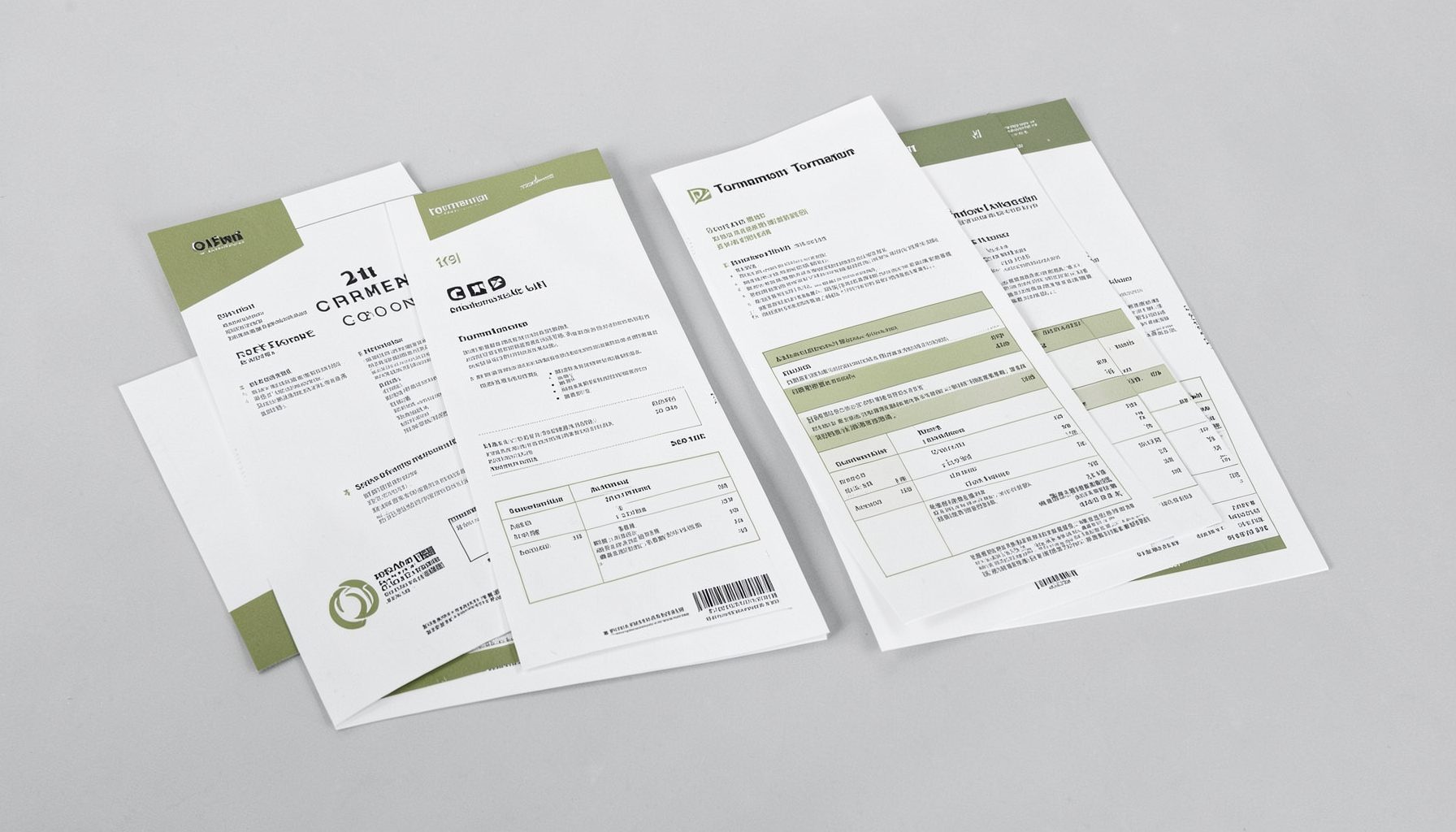
Packets from previous Kill Team events are kept here alongside new packets for upcoming tournaments, so organizers and players have what they need in one place.
View Event Data