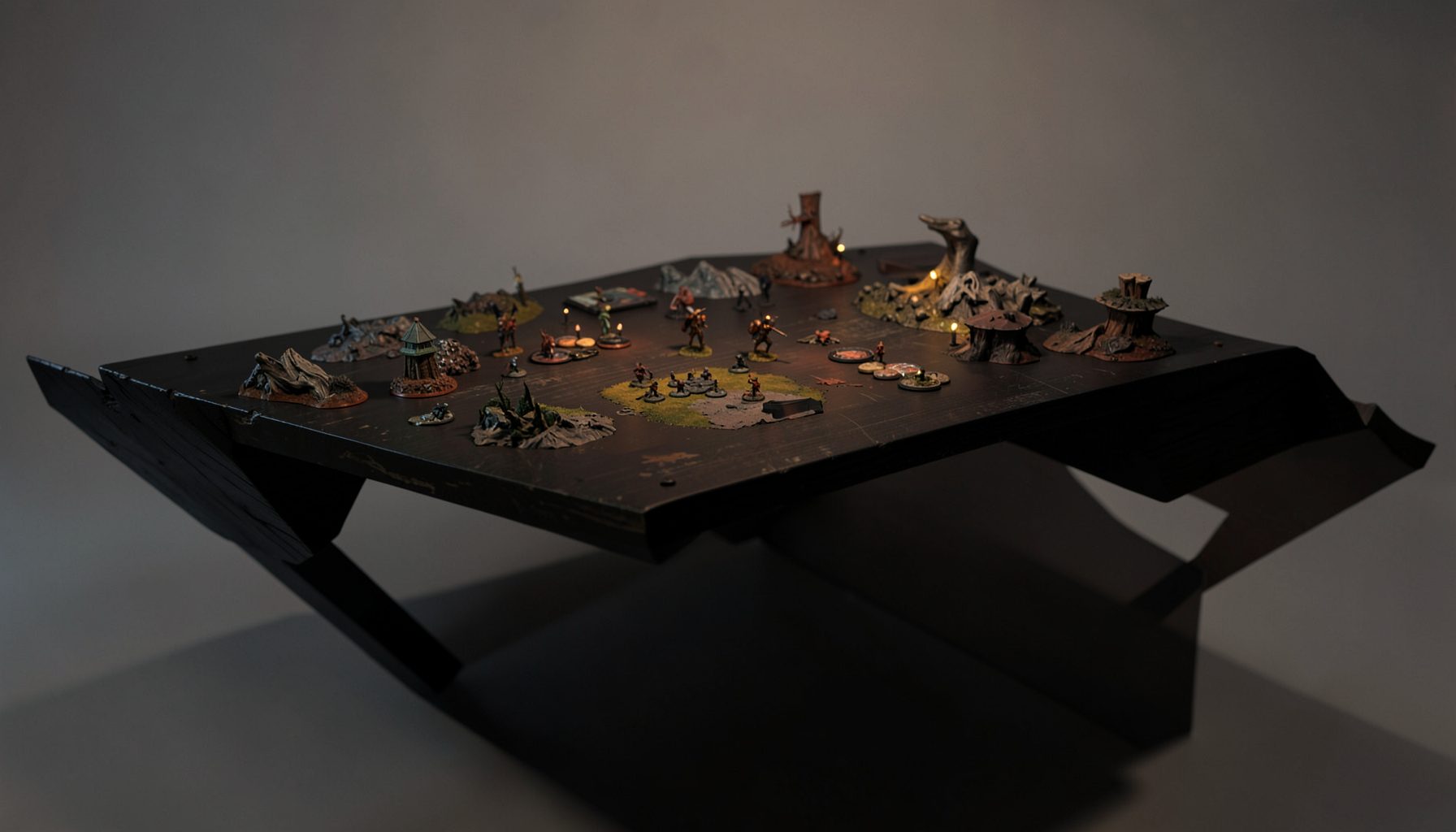
Live-streamed games, recorded matches, and event data gathered in one place.
Kill Team Stream hosts quality live streaming of Kill Team content — tournaments throughout the year on Twitch, regular games streamed to the channel, and tournament data gathered so players can see what's happening in the scene. Powered by WARHAMMER.
Browse tournamentsOfferings
Tournaments
Multiple Kill Team tournaments hosted throughout the year, all live-streamed on our Twitch channel.
Videos
Streams are recorded and uploaded to YouTube alongside original video content we produce.
Event Data
Tournament packets from past events plus resources for upcoming Kill Team tournaments.
Site Directory
Scoring software and pairing tools for Kill Team tournaments
Running a Kill Team event in Australia means juggling the usual tournament headaches: enough tables, snacks, prize support, and a clear head for the maths of who plays whom in round four. Pairing and scoring software exists so that the organisers, usually a few dedicated volunteers from a local Games Workshop stockist or a community-run club, can focus on the players instead of the spreadsheet. Whether the gathering is a quiet weekly in a Brisbane hobby café or a 64-player showdown hosted in a Melbourne games hall, the right tool changes everything.
Pairings are the heart of competitive play. Get them wrong and the loudest complaint of the day lands before round two even starts. Swiss systems reward players for winning while protecting newcomers from running into veterans every match, but only if the software actually understands the rules of who can be paired against whom. Tiebreakers need to be calculated the same way every round so that no one in the venue, or watching from home, feels cheated. Tools that automate these decisions lift a weight off the Tournament Organiser and keep the atmosphere friendly.
In the pre-app era, many an Australian club used printed brackets, manual lists, and a stack of handwritten result slips. Some still do, and there is real charm to it. The risk is human error creeping in after round three, especially when fatigue, smashed Tim Tams, and a crowd gathered around the top table are all demanding attention. Software keeps a record that survives the event, which matters for feeding results into rankings, verifying prize eligibility, and archiving who showed up.
Modern platforms handle registration, deck-list or roster checks, pairings, score entry, and the final cut. Most run in a browser or a phone, sync to a central database, and let players follow their own progress live. For an Australian audience used to clear public information and consumer protections from the ACCC, having a transparent record of every round is less a luxury and more an expectation.
What tournament software does for a Kill Team event
At its core, Kill Team scoring software performs three jobs: registering players and their kill teams, generating the pairings for each round, and recording the results. Beyond those basics, the better programs also track mission scoring, secondary objectives painted into the rulebook, and any house rulings a particular tournament adopts. A clean dashboard shows the TO how many matches are still pending and which tables need an umpire's eye.
For players, the visible benefit is the live standings page. Spectators in the venue can watch their favourite teams climb or slip, while those watching a Twitch relay from another state see the same numbers update in seconds. Most tools integrate with streaming overlays, which is useful when a Melbourne event wants to showcase matches on the same screen as a Perth player joining remotely.
The less visible work is just as important. The software logs every list, every score correction, and every dropped round. When a dispute arises, as it sometimes does when a player claims a secondary was scored incorrectly in round two, the TO can pull up the exact entry and the timestamp. This audit trail is also valuable for after the event, when rankings are published and prize kits are mailed out across the country.
Choosing the right pairing tool for your event size
A weekly casual league at a friendly local game store in Adelaide does not need the same horsepower as a 96-player Grand Tournament in Sydney. Hobby nights with eight or ten players can get away with a Google Sheet and a printed bracket, as long as everyone trusts the person at the laptop. Once numbers climb past twenty, the spreadsheet starts to creak. Tiebreakers get messy, byes get mishandled, and the TO spends more time on admin than on the game itself.
Best Coast Pairings has become the default for the Warhammer 40k scene and works just as well for Kill Team. It handles Swiss pairings, single-elimination cuts, custom missions, and even tracks sportsmanship scores from player feedback forms. The free tier covers most small Australian events, while paid tiers unlock features like event listings on the BCP discovery map and multi-day support. For TOs who already use BCP for 40k, adding a Kill Team event is a small lift.
Alternatives worth a look include T3 Pairings for those who prefer a desktop application, and Stat-Check for organisers who want deeper analytics after the dust settles. Some Australian communities have built their own tools using Notion databases and Discord bots, which is impressive but rarely survives the lead organiser moving interstate. Choosing a tool that is supported, documented, and used elsewhere in the country makes handoffs easier when a new volunteer steps up.
Setting up your event: from registration to round one
Preparation begins weeks before the dice start rolling. The TO picks a venue, confirms capacity, books the barbie for the Saturday lunch (a Bunnings-style sausage sizzle is a fine tradition at Australian events), and publishes the event packet. Once the packet is out, registration opens. A good pairing tool lets players enter their faction, their operatives, and their list online, so the TO can spot illegal rosters before they ever leave home.
The morning of the event is when the software pays for itself. Players scan a QR code or type a short URL into their phones to check in. The TO then generates round one pairings from the confirmed list. Most tools apply seeding automatically based on prior event results, so a returning champion from Brisbane lands near the top while a first-timer from regional Queensland gets a fair opening match. Lists are locked at this stage, which prevents last-minute swaps designed to dodge a bad pairing.
For anyone running events under the Australian Consumer Law framework, accurate registration data also protects the organiser. Refund policies, ticket GST obligations, and prize eligibility all rely on a clean attendee record. The software produces receipts, exports CSVs for accounting, and keeps the event defensible if anyone questions the outcome. It is dull work, but it is the kind of dull work that separates a smooth day from a messy one.
Managing rounds, scoring and tiebreakers mid-event
Once play begins, the TO's phone becomes a second brain. Each round, the tool generates the pairings, prints or pushes them to a screen in the hall, and starts a clock. Players enter their results through a tablet at the registration desk, or directly from their own phones if the tool supports it. The numbers feed straight into the standings, which update on a projector or a big screen so everyone can see who is climbing.
Swiss pairings rely on accumulated points to match players of similar records. After round three, every player has won, lost, or drawn some matches, and the software pairs winners against winners, losers against losers, and so on. Tiebreakers are added based on the margin of victory across the day, the strength of schedule, and other secondary metrics. Players who understand how these numbers work tend to play the late rounds differently, chasing objectives that boost their tiebreaker score as well as the raw win.
Many Australian TOs apply lessons from major international events to their own runnings. The breakdown of what we learned from the last grand tournament finals is a useful starting point for tweaking missions and pairings at smaller scales. Sportsmanship scoring is one area where opinions vary, and the tool collects anonymous votes that the TO can review after the event, separating real complaints from grumpy noise.
A practical tip is to set a hard deadline for score entry. Without one, players wander off to the food court for a chicken parmi and forget to log their result, leaving the next round's pairings stuck in limbo. Most tools let the TO nudge late entries or apply a default loss after a grace period, which keeps the day moving even when the timetable slips.
Reporting results and feeding them back into the community
The last round ends, the prizes are handed out, and the clean-up crew sweeps the venue. The software's final job is to publish the standings, the lists, and any awards. A polished event page becomes part of the venue's marketing, part of the players' bragging rights, and part of the national ranking ecosystem. For newcomers, seeing a complete result sheet from a recent local event is the best advertisement for the next one.
Exporting the data is straightforward. Most platforms produce a CSV of all attendees, their factions, their match results, and any sportsmanship notes. Some integrate directly with Warhammer Community's official tournament reporting system, which feeds into global rankings and faction balance analysis. For Australian events, sharing results on community Discords and Facebook groups helps players who travelled from Hobart or Darwin feel connected to the wider scene.
Photos, videos, and replays sit alongside the data on sites like Kill Team Stream, where the tournament's story continues to attract viewers for months after the dust has settled. A well-run event with a clear digital footprint is easier to sponsor, easier to grow, and easier to hand over to the next batch of volunteers. The software is not the most exciting part of running a Kill Team tournament, but it is the part that makes everything else possible.
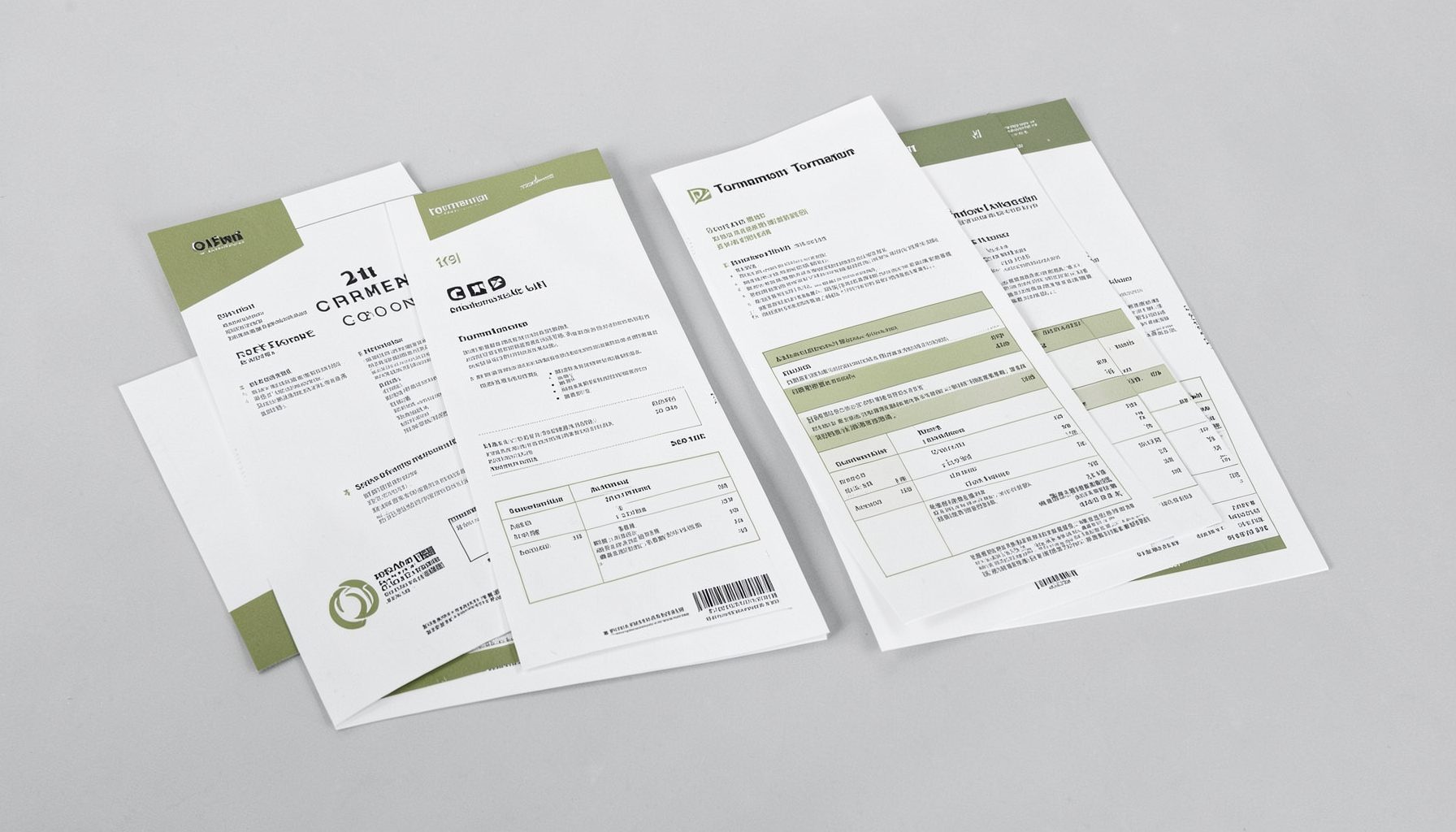
Tournament Packets
Packets from previous Kill Team events are kept here alongside new packets for upcoming tournaments, so organizers and players have what they need in one place.
View Event Data