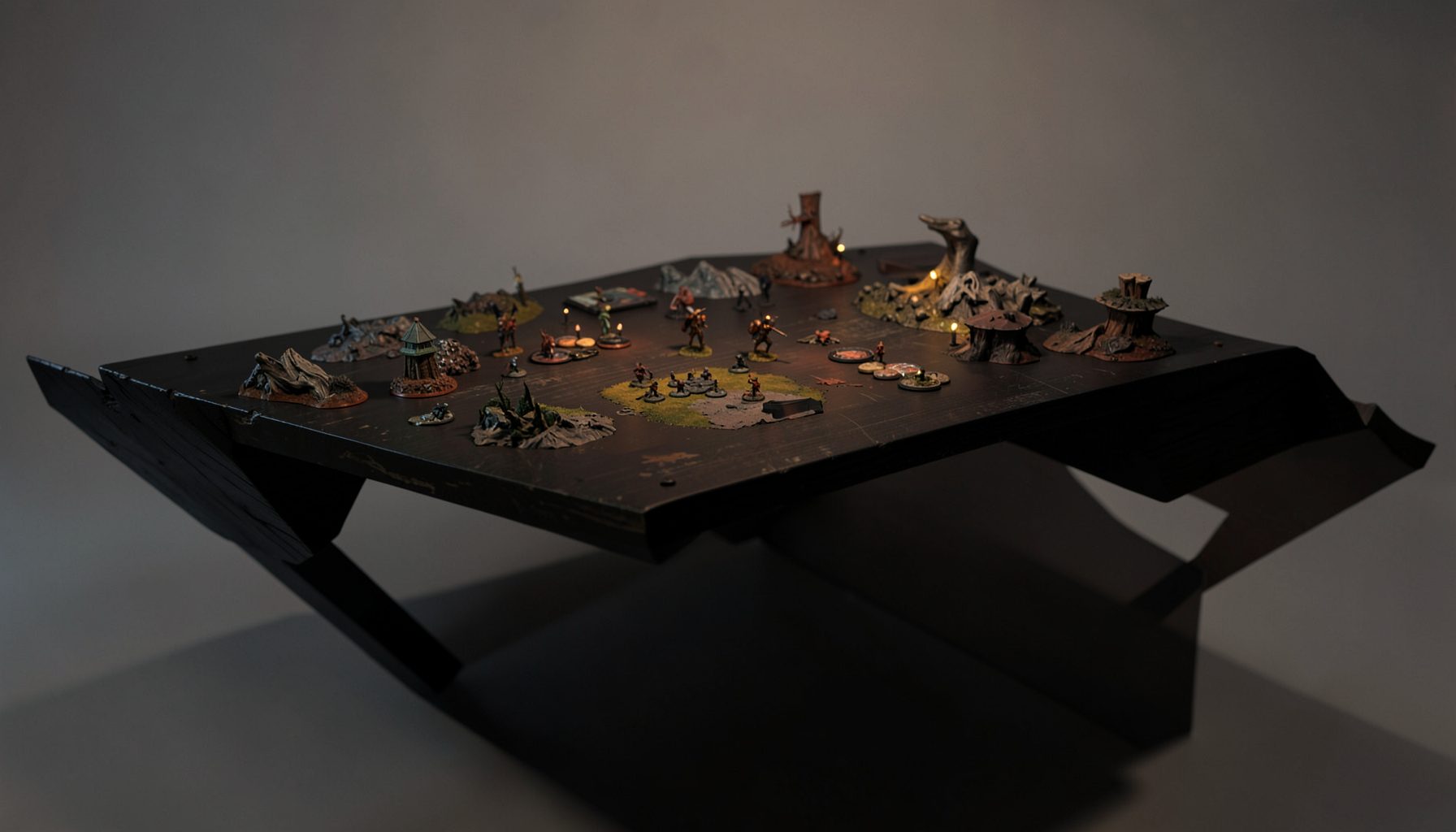
Live-streamed games, recorded matches, and event data gathered in one place.
Kill Team Stream hosts quality live streaming of Kill Team content — tournaments throughout the year on Twitch, regular games streamed to the channel, and tournament data gathered so players can see what's happening in the scene. Powered by WARHAMMER.
Browse tournamentsOfferings
Tournaments
Multiple Kill Team tournaments hosted throughout the year, all live-streamed on our Twitch channel.
Videos
Streams are recorded and uploaded to YouTube alongside original video content we produce.
Event Data
Tournament packets from past events plus resources for upcoming Kill Team tournaments.
Site Directory
Stun in Kill Team: A Tactical Guide to the Special Rule
In the cramped corridors and broken streets where Kill Team battles unfold, the Stun special rule turns a single hit into a chain reaction of hesitation. Rather than dealing wounds outright, Stun applies a temporary condition that can cripple an opponent's activation, leaving their operative fumbling through one wasted turn. Understanding when this rule outshines raw damage is what separates a casual player from a tournament-tested commander.
For Australian players travelling between clubs in Sydney, Melbourne and Brisbane, mastering conditions like Stun has become a hallmark of competitive play. Local events such as the weekend open days run by Games Workshop stores and independent hobby shops often shape the metagame, and operatives carrying Stun effects frequently dictate which teams make the cut. This guide walks through the mechanics, the operatives that wield it best, and the moments on the tabletop where Stun delivers more value than a sharpened blade.
The Mechanics Behind Stun
Stun is a condition marker applied to an operative after a successful attack that includes the special rule. While the marker is active, that operative's options are dramatically reduced during their next activation. The stunned model is generally limited to Dash, Fall Back, or similar minimal movement actions, and cannot shoot, fight, or perform mission actions. Once the operative's activation ends, or under certain conditions specified in the kill team faction rules, the marker is removed before the next turning point begins.
The reason Stun is so disruptive is that it bypasses the typical wound trading that defines most firefights. A player can deliver Stun through melee or ranged attacks, and the effect does not always require the attacker to deal a wound to apply it. This means even operatives with relatively low damage output can contribute meaningfully by stripping enemy actions off the board. In objective-based missions, that single lost activation often translates directly into denied objectives or missed scoring windows.
Players will also notice that Stun interacts with other conditions such as Bleed, which might cause the operative to suffer damage over time. Combining these pressures can force the opponent into a no-win scenario: lose the operative to chip damage or waste a precious turn trying to reposition. Australian tournaments frequently feature terrain layouts that favour this style of attrition, and post-event data shows Stun-heavy lists performing well on tables with dense line-of-sight blockers and elevated positions.
Operatives That Carry Stun into Battle
Not every faction has access to Stun, but several kill teams include it as a defining tool. The Phobos Strike Team, for instance, brings operatives equipped with shock weapons and grenade options capable of applying the condition from surprising angles. Similarly, the Novitiate kill team includes zealots whose neural whips and shock mauls can Stun enemies in close combat, turning a charging threat into a stumbling liability.
Veteran players in Brisbane's competitive scene have started running these teams in synergy-heavy lists, pairing Stun delivery with operatives who benefit from opponent inaction. For example, a Stunned enemy becomes a prime target for a follow-up melee operative who can finish the job without retaliation. The economy of action is powerful: two operatives can effectively shut down a third for an entire turning point, swinging the scoreboard in your favour.
It is also worth noting that Stun weapons tend to have slightly lower damage profiles than their lethal counterparts. A plasma gun might kill outright, but a shock weapon can deny. This trade-off means list builders need to weigh whether their faction's playstyle benefits from board control or pure elimination. Australian hobbyists often discuss this balance during the lunch break of local events, comparing notes over meat pies and soft drinks while rolling dice and adjusting lists.
When Stun Outshines Pure Damage
Stun tends to shine on objectives where action economy matters more than body count. In missions requiring operatives to perform mission actions like Retrieve Item or Secure, denying the opponent's activation can be worth more than eliminating a model. A single stunned operative on the opponent's side means one less set of objective points, while your team continues to score freely.
Another scenario is the late-game pivot, where players must choose between holding territory or contesting enemy positions. A well-timed Stun on a key holder can free your team to push into a contested zone without fear of immediate retaliation. Tournament players in Sydney have used this tactic in critical turning point three to flip the scoreboard, especially when the mission favours aggressive board control.
Stun also excels at countering elite kill teams with low model counts but high-impact operatives. If your opponent is running a three-model team, denying even one activation can cripple their plan. This is particularly relevant in formats where every model matters, and Australian events sometimes run low-model-count tournaments that reward this kind of surgical play. The psychological pressure of a potential Stun can also force opponents into suboptimal positioning, afraid to expose their key operatives across the table.
Australian Tournament Scenes and Stun Play
Across the country, the competitive Kill Team calendar includes events like the Brisbane Open, Sydney's Northern Suburbs Grand Clash, and the Melbourne Winter Showdown. These tournaments draw players from across the eastern seaboard, and the conversation around Stun has grown louder as more factions gain access to it. The Australian dollar pricing on event packs and registration fees tends to keep these gatherings accessible, with most major tournaments falling between thirty and sixty AUD per entry, inclusive of GST.
Time zone considerations also shape how Stun is used. Players in AEST often face off against competitors in AWST during online qualifiers, and the early starts from Western Australia mean players need to plan their activations carefully across long sessions. Watching streams from Kill Team Stream tournaments gives local players a feel for how top finishers integrate Stun into their match play, and many aspiring competitors tune in before their own events to study recent lists.
The Australian hobby community also benefits from a strong network of independent retailers who stock Kill Team boxed sets and chapter-approved terrain. Shops in Adelaide and Perth often host learn-to-play nights where Stun mechanics are taught to newcomers, helping grow the pool of players familiar with condition-based tactics. This grassroots education has turned Stun from a niche pick into a recognised threat at higher-level play across the country.
Common Pitfalls and Stun Tactics to Avoid
The biggest mistake players make is using Stun on operatives who are already isolated or about to die. If an enemy operative is stuck in a corner with no further use to your opponent, applying Stun wastes a powerful attack that could have eliminated them outright. Reserve Stun for operatives in scoring positions, on objectives, or who hold tactical value for the opposing team.
Another pitfall is over-committing to Stun delivery at the expense of board control. Players sometimes stack their list with shock weapons and forget that the rest of their team still needs to push objectives and complete actions. Balance is key, and successful lists typically include two or three operatives capable of applying Stun, with the rest focused on traditional firepower. Australian tournament data from events in Brisbane and Melbourne suggests that hybrid lists outperform pure Stun strategies in matched play formats.
Finally, watch for opponent factions that ignore or shrug off Stun through special abilities. Some teams have access to rules that remove condition markers automatically, or whose operatives gain bonuses while wounded. Reading the mission and the opponent's team composition carefully helps determine whether Stun will have the desired effect on the table. The best players treat Stun as a scalpel rather than a hammer, and apply it where the math favours denial over destruction.
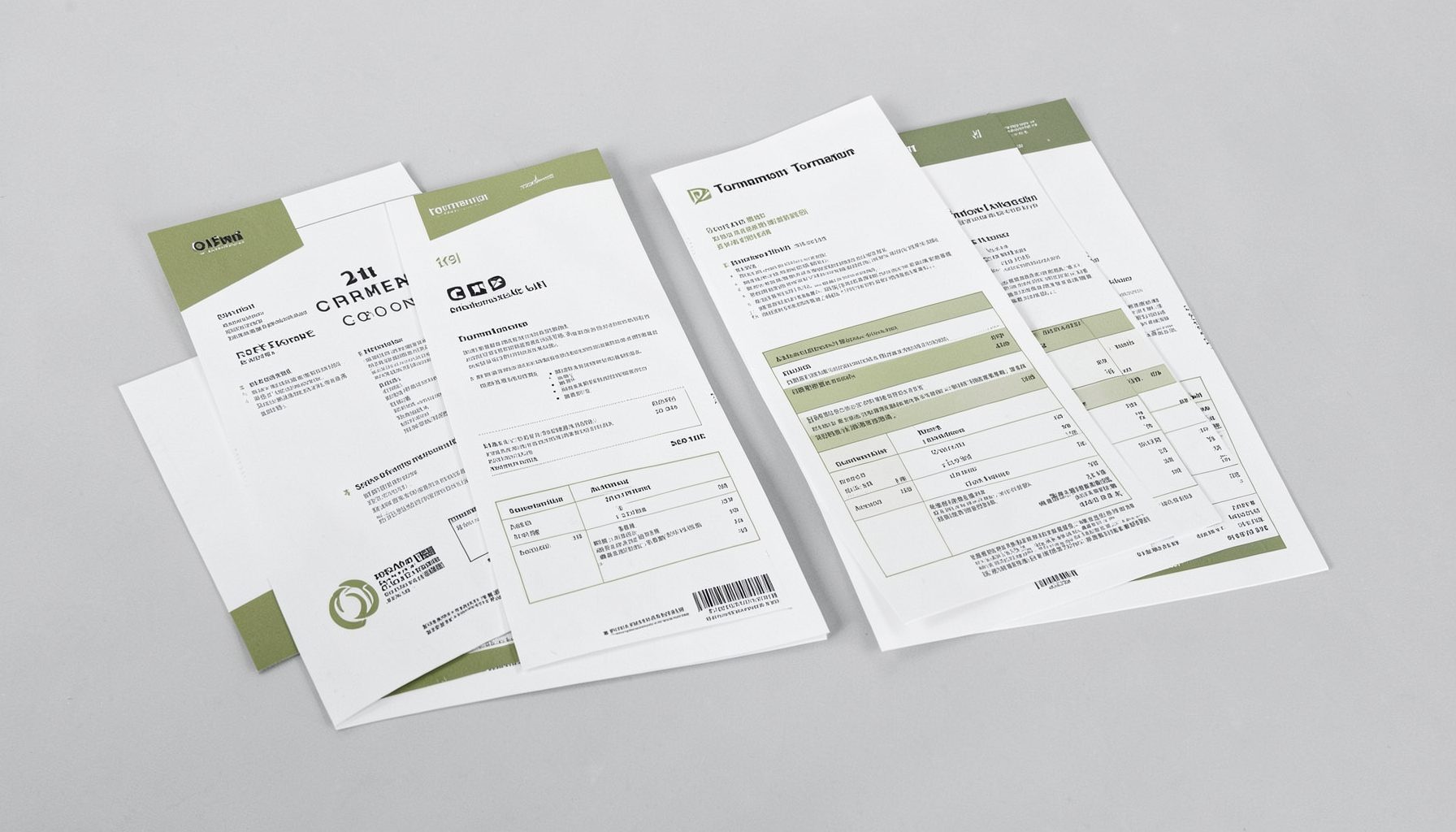
Tournament Packets
Packets from previous Kill Team events are kept here alongside new packets for upcoming tournaments, so organizers and players have what they need in one place.
View Event Data