Live-streamed games, recorded matches, and event data gathered in one place.
Kill Team Stream hosts quality live streaming of Kill Team content — tournaments throughout the year on Twitch, regular games streamed to the channel, and tournament data gathered so players can see what's happening in the scene. Powered by WARHAMMER.
Browse tournamentsOfferings
Tournaments
Multiple Kill Team tournaments hosted throughout the year, all live-streamed on our Twitch channel.
Videos
Streams are recorded and uploaded to YouTube alongside original video content we produce.
Event Data
Tournament packets from past events plus resources for upcoming Kill Team tournaments.
Site Directory
The best Kill Team terrain for competitive play
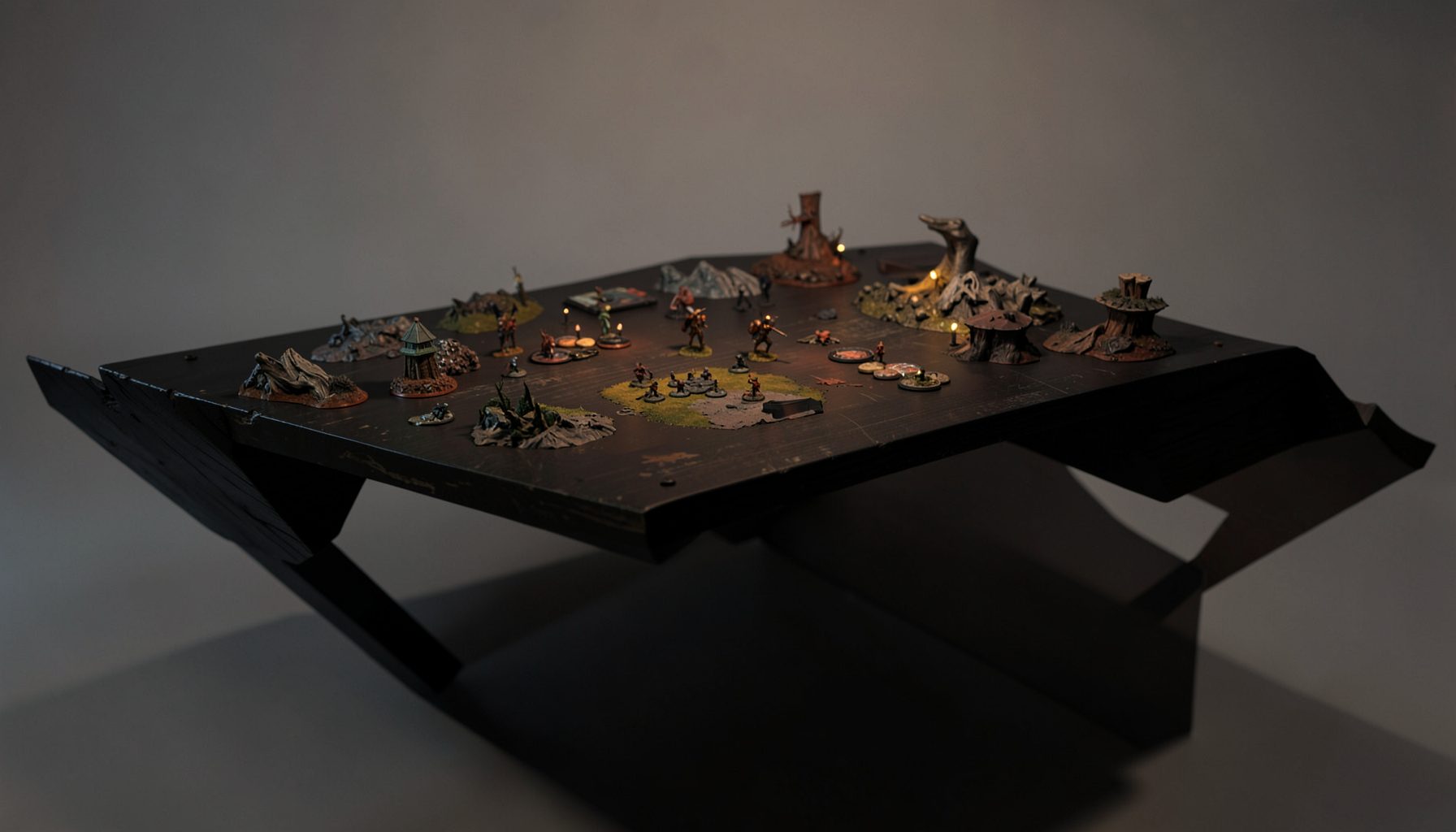
Terrain is one of the strongest influences on a Kill Team match. It controls firing lanes, creates safe routes for operatives, determines how quickly a team can reach objectives and gives board control a physical shape. A beautifully painted table can be enjoyable, but competitive terrain needs to do more than look impressive: it must produce clear, repeatable decisions.
For Australian players, the choice is also practical. Games Workshop stock, independent hobby shops, event organisers and interstate postage all affect which set makes sense to buy. A compact Gallowdark board may suit a Melbourne apartment, while a large club in Brisbane or Sydney may prefer several open layouts that can be reconfigured for weekly events.
What competitive terrain needs to provide
Good tournament terrain creates a balance between protection and exposure. Operatives should be able to leave their deployment zone without crossing a completely open killing ground, while long-range teams should still have meaningful firing positions. Too little cover can make the first turning point decisive; too much can reduce movement, shooting and tactical variety.
The best sets also provide terrain at several heights. Ground-level barricades help models survive an early advance, medium structures divide the board and tall vantage points reward careful positioning. The vertical elements should be usable rather than decorative. A ladder, platform or doorway that cannot be reached reliably wastes table space and may cause arguments during a timed round.
Consistency matters just as much as density. Tournament players need to know whether a wall blocks visibility, whether an operative can stand on a platform and whether a model can fit through a gap. Modular pieces with obvious edges are easier to measure than irregular scenic clutter. This is particularly useful at large Australian events, where a pack may need to prepare many tables before the first round begins.
Octarius remains a strong open-board choice
The Octarius terrain set is still one of the most useful foundations for an open-board competitive table. Its scrapyard aesthetic includes ramshackle structures, platforms, barricades and industrial obstacles that create several levels of cover without turning the board into a maze. It supports movement-heavy games where players must weigh a safe route against a faster but more exposed advance.
Its main strength is flexibility. Pieces can be spread across the board to form firing lanes, clustered around objectives or arranged to protect a central approach. The terrain is also visually distinct, which helps players identify large features quickly during a streamed match. For a club that wants a familiar, readable battlefield rather than a dense close-quarters layout, Octarius remains an excellent benchmark.
There are limitations. Open industrial terrain can favour teams with strong shooting if the layout leaves too many diagonal lanes across the board. Event organisers should avoid placing tall pieces in a way that gives one deployment zone an obvious advantage. Rotating the layout between rounds and checking sightlines from both deployment areas keeps the set fairer.
Octarius is especially attractive when purchased second-hand or as part of a collection. In Australia, local Facebook trading groups and hobby stores can make older terrain easier to find than a currently boxed release. Buyers should check that platforms, ladders and connecting parts are complete, because missing access points can change how the set functions in play.
Gallowdark changes the rhythm of a match
Into the Dark and the wider Gallowdark terrain range offer a very different competitive experience. Instead of an open battlefield, players navigate corridors, rooms, hatchways and bulkheads. Visibility is restricted, movement choices become more deliberate and close-range weapons gain opportunities that might be difficult to create on an outdoor board.
This style is ideal for teams that thrive on short-range pressure, ambushes and controlled engagements. It also makes the table easier to read. Walls clearly define rooms, and the enclosed structure reduces the number of accidental long-distance firing lanes. For newer players, this can make the relationship between movement, cover and objective play easier to understand.
Gallowdark is not universally superior. Some teams can feel constrained by the narrow routes, and a player who loses control of a key corridor may struggle to recover. The terrain rewards knowledge of hatchway placement and turning-point timing, so repeated games on the same layout can create a steep advantage for experienced players.
For competitive events, the enclosed board is valuable because it offers a clear alternative to open terrain. A Sydney club running regular leagues can alternate Gallowdark missions with outdoor layouts to test different team strengths. Players should confirm which terrain rules and mission pack are being used before an event, since the practical meaning of a wall, door or hatch can depend on the relevant rules set.
Bheta-Decima and Volkus suit players who want specialised tables
Bheta-Decima is built around elevated walkways and hazardous industrial platforms. It gives vertical movement a central role, with gantries and separated levels creating dramatic decisions about whether an operative should climb, hold a high position or remain on the ground. It is a strong choice for players who enjoy board control and carefully planned movement.
The risk is that a highly vertical layout can become too dependent on specific missions or team abilities. Platforms need enough access points to avoid turning the upper level into a private area for one side. Event organisers should also inspect model stability. Narrow walkways may look excellent in photographs, but oversized bases, long weapons and unstable scenic pieces can slow a timed round.
Volkus offers a more developed urban setting, with substantial structures and varied sight-blocking features. It tends to produce a modern city-board feeling rather than the improvised scrapyard look of Octarius. Properly arranged, it can give ranged teams firing opportunities while still allowing assault teams to move through protected routes and contest central objectives.
Both sets are best treated as specialist tools rather than automatic replacements for every other option. Their value depends on the missions, faction mix and event style. A terrain collection with one open set, one enclosed set and a selection of additional scatter pieces will usually serve more players than several versions of the same highly themed board.
How terrain affects scoring and event preparation
Terrain should be judged alongside mission objectives, not separately from them. A safe objective that sits behind an impenetrable wall may become too easy to hold, while an objective in a completely open lane may be nearly impossible to contest. Players studying competitive games should watch how terrain changes the timing of scoring, not just how often an operative lands a successful shot.
Objective selection adds another layer to this assessment. A team may choose a secondary objective that rewards movement, positional pressure or eliminating a vulnerable enemy model, but the best option depends on what the board makes possible. Kill Team Stream’s secondary objective guide is useful when linking terrain choices to scoring plans rather than treating objectives as an afterthought.
For Australian organisers, transport and storage deserve serious attention. Terrain may travel between a games shop, a community hall and a tournament venue in tubs or foam-lined boxes, while hot cars and sudden rain can damage paper terrain mats, paint finishes and cardboard components. A set that packs into a few labelled containers may be more practical than a larger collection that requires several trips.
Local pricing should also be calculated carefully. Australian retail prices generally include the 10% goods and services tax, while imported products may involve postage, currency conversion and possible customs handling. Under the Australian Consumer Law, a product bought from a business must be of acceptable quality and match its description; this is relevant when purchasing expensive boxed terrain, particularly if components are missing or warped. Second-hand private sales do not provide the same protections as purchases from a business.
| Terrain set | Board style | Competitive strengths | Main cautions | Best use |
|---|---|---|---|---|
| Octarius | Open industrial | Flexible layouts, varied heights, clear firing lanes | Can favour shooting if spread too thinly | Clubs and general tournament use |
| Into the Dark / Gallowdark | Enclosed corridors and rooms | Readable walls, strong close-range play, controlled sightlines | Can feel restrictive and reward layout familiarity | Close-quarters events and leagues |
| Bheta-Decima | Elevated platforms | Strong vertical decisions and dramatic movement | Narrow access points and model stability | Specialist vertical missions |
| Volkus | Urban structures | Strong line-of-sight blocking and thematic variety | Needs careful balance between dense and open areas | Modern competitive boards |
| Mixed collection | Modular combination | Supports varied missions and team archetypes | Requires consistent standards across layouts | Larger clubs and tournament organisers |
Choosing a set for your collection
A first terrain purchase should usually prioritise versatility over theme. Octarius is a dependable starting point for an open board, while Gallowdark is the better choice for players who specifically enjoy enclosed combat. If a local club already owns several open industrial tables, adding an enclosed or vertical set will contribute more variety than buying another similar scrapyard board.
Competitive players should also consider the models they use most often. Teams that depend on shooting appreciate controlled sightlines and useful vantage points, but they still need enough blocked routes to avoid losing the game before they can act. Melee teams benefit from rooms, barricades and staggered cover that let them approach without relying entirely on a perfect deployment roll.
The strongest collection is rarely made from one box alone. A core terrain set, a consistent supply of barricades and a small amount of neutral scatter terrain can produce several balanced layouts. Paint the edges of walkways and mark removable doors clearly, so players can understand the board at a glance even when the venue lighting is uneven.
For Australian tournament play, standardisation is worth the effort. Written layout diagrams, fixed terrain footprints and a short pre-round explanation reduce disputes and keep games moving. Whether the table is in a specialist hobby store in Melbourne, a community venue in Adelaide or a large convention space in Sydney, clear terrain creates a fairer competitive environment and makes every match easier to follow.
Tournament Packets
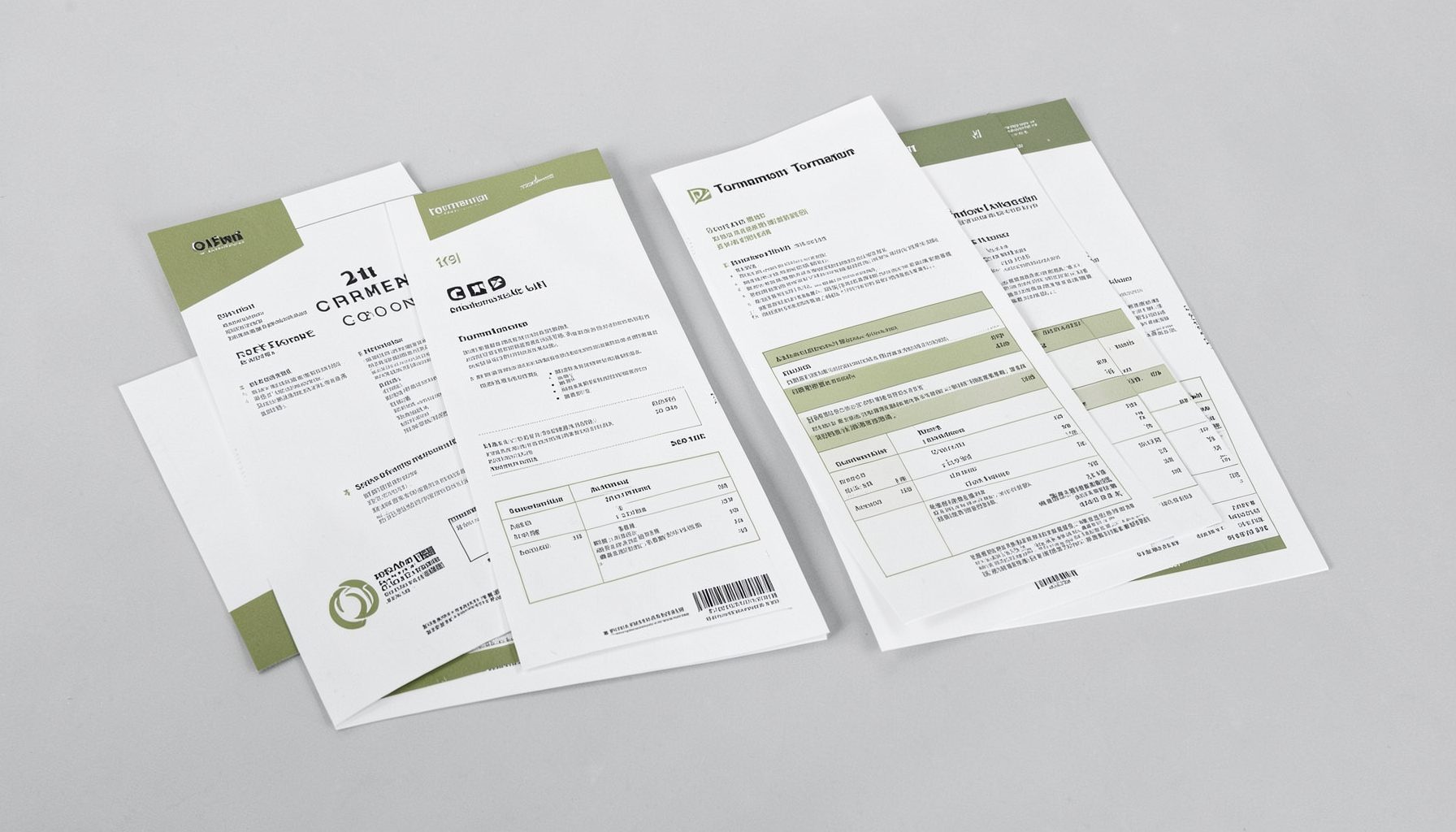
Packets from previous Kill Team events are kept here alongside new packets for upcoming tournaments, so organizers and players have what they need in one place.
View Event Data