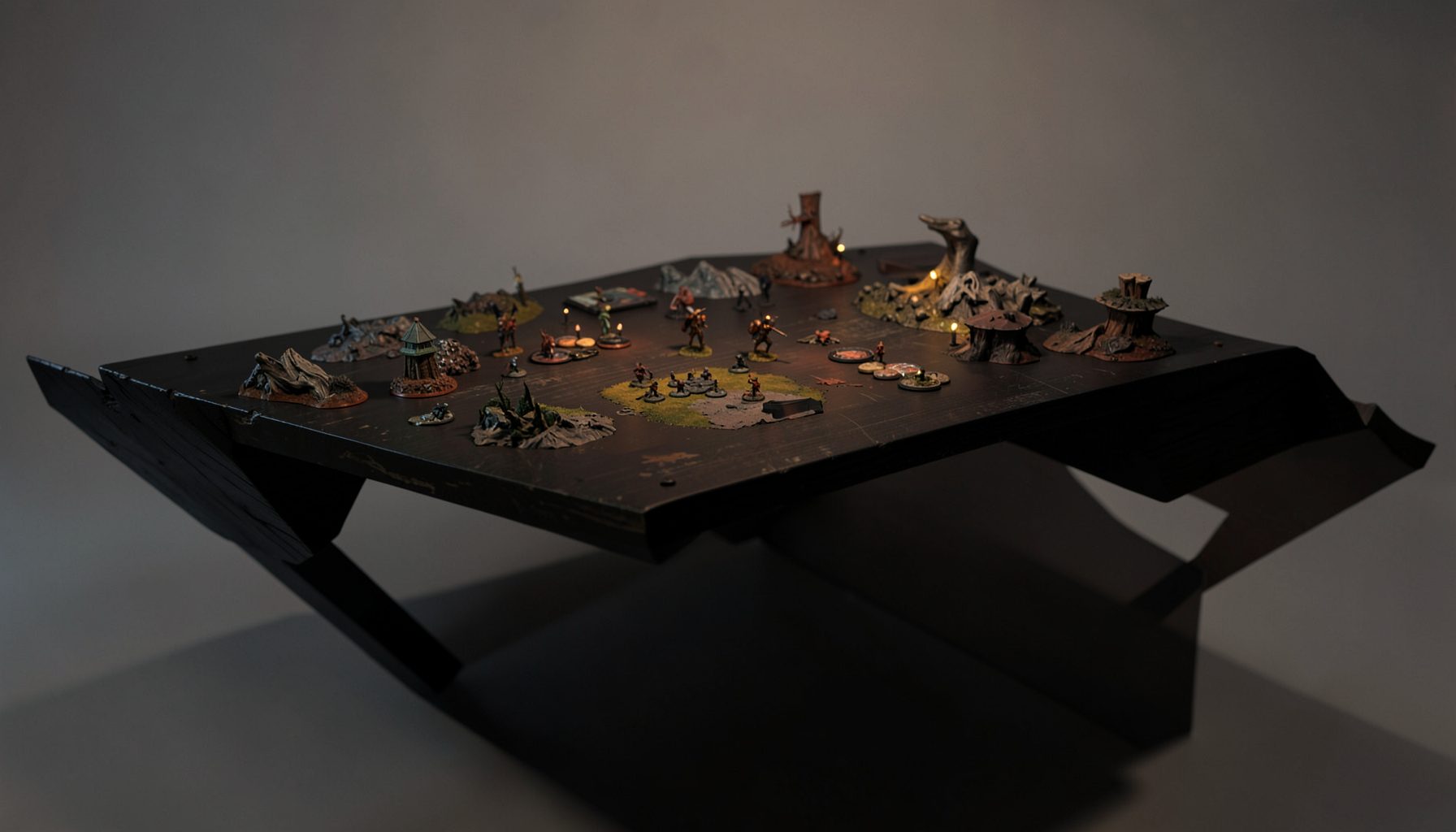
Live-streamed games, recorded matches, and event data gathered in one place.
Kill Team Stream hosts quality live streaming of Kill Team content — tournaments throughout the year on Twitch, regular games streamed to the channel, and tournament data gathered so players can see what's happening in the scene. Powered by WARHAMMER.
Browse tournamentsOfferings
Tournaments
Multiple Kill Team tournaments hosted throughout the year, all live-streamed on our Twitch channel.
Videos
Streams are recorded and uploaded to YouTube alongside original video content we produce.
Event Data
Tournament packets from past events plus resources for upcoming Kill Team tournaments.
Site Directory
Kill Team tournaments across Europe and the United States
A look at the Kill Team tournament circuit in Europe vs. the US reveals two competitive ecosystems shaped by geography, population, travel habits and event culture. Both regions support regular matched-play events, ambitious players and strong online communities, yet the route from a local shop game to a major tournament can feel very different depending on where a player lives.
For Australian players watching streamed rounds from Sydney, Melbourne or Brisbane, these differences are useful. European events often operate through a dense network of nearby cities and national scenes, while the United States relies more heavily on regional hubs connected by long road trips and domestic flights. Comparing the two helps explain variations in attendance, tournament pacing, faction trends and the way competitive knowledge spreads.
Geography shapes the tournament calendar
Europe’s greatest advantage is proximity. A player in England, Germany, the Netherlands or Belgium may have access to several events within a few hours by train or car. International attendance is common at larger tournaments because crossing a national border can require less time than travelling between two American states. Shared rules, broadly compatible event formats and the popularity of Games Workshop products make cross-border competition practical.
That density creates a busy calendar of independent tournaments, store events and larger conventions. A competitive player can build experience through frequent weekend outings, then test their roster against opponents from neighbouring countries. Language differences remain part of the landscape, but round pairings, published rules and a shared understanding of Kill Team terminology reduce much of the friction.
The United States has a wider physical footprint. A player based in California may have a deep local community, while someone in the Midwest or Mountain West could face a smaller choice of events. Major tournaments often become destination occasions, with players combining competition and travel. Driving for several hours, booking accommodation near a convention centre and flying with miniatures are familiar parts of the American tournament routine.
This scale can produce powerful regional scenes. Cities such as Chicago, Atlanta, Dallas, Seattle and Los Angeles can draw players from surrounding states, while conventions offer a focal point for the national community. The circuit may be less geographically compact than Europe’s, but large events can generate impressive attendance and a strong sense of occasion.
Event culture and competitive pathways
European Kill Team events frequently reflect the character of the local gaming community. Some are tightly focused competitive tournaments with strict terrain standards and carefully prepared event packs. Others place greater emphasis on social play, narrative themes or a welcoming environment for newer competitors. Because players can attend events across several countries, they encounter a wider range of terrain layouts, mission preferences and judging practices.
The result is a broad testing ground for tournament preparation. A roster that performs well in a familiar club may need adjustment when it meets different boards or mission selections. Players who follow European battle reports and recorded games can identify recurring strategic patterns, such as the value of early objective pressure, concealed positioning and efficient use of specialist operatives.
American events often put a visible premium on production and scale. Convention tournaments may include large player caps, dedicated registration systems, judges, prize support and an extensive schedule around the main competition. Independent organisers can also create strong identities through distinctive terrain, themed events or regular livestreams. The atmosphere may feel closer to a convention programme than a weekly club tournament.
Competitive progression in the US is often built through a mix of local leagues, store championships, regional events and major conventions. A player might begin at a friendly game night, move into monthly tournaments, then travel to a larger event once their team and rules knowledge are established. Rankings and event results help create a sense of a wider national scene, even when players are separated by thousands of kilometres.
What makes the European scene distinctive
European competition benefits from the interaction between national communities. The United Kingdom has a mature tabletop gaming infrastructure, with clubs, retail venues and conventions that provide regular opportunities for organised play. Germany, France, Spain, Italy and the Nordic countries also contribute active local scenes, each with its own preferred event style and player networks.
This variety is visible in tournament terrain and mission preparation. Some communities favour highly controlled competitive boards, while others tolerate more variation to reflect the practical resources of independent clubs. European players often pay close attention to event packs before travelling, since details such as terrain layouts, scoring procedures, pairings and painting requirements can have a direct effect on roster choices.
Travel also makes international rivalries and friendships easier to maintain. A player may meet the same opponents at events in multiple countries, creating a recognisable circuit around particular organisers and conventions. Streamed games extend that community beyond the venue, allowing viewers to study deployment decisions, operative sequencing and the way experienced players manage a close final turning point.
The European scene can still be fragmented. Rules translations, different tournament software, local registration systems and varied expectations around sportsmanship may create administrative complications. Events are also influenced by national holidays, rail strikes, venue costs and changing convention schedules. Its strength is density, but density requires players and organisers to stay alert to local details.
How the US circuit builds momentum
The American tournament landscape tends to reward regional concentration. A strong club or store can become the centre of a local community, bringing together players from surrounding suburbs and nearby towns. Once attendance becomes reliable, organisers can support leagues, beginner sessions and regular competitive events that give players a steady reason to practise.
Large conventions act as meeting points for the broader scene. They provide a chance to face opponents who use different local habits and to watch top tables in person. For players who cannot attend, Twitch broadcasts, YouTube recordings and community coverage are valuable substitutes. A well-filmed match can show the practical effects of a mission rule more clearly than a written discussion.
The long distances create a different relationship with preparation. Travelling players often need to finalise lists, repair models, pack tools and review the event packet well before departure. Airline baggage limits, rental cars and hotel proximity can influence whether someone brings multiple teams or commits to a single carefully tuned roster. These practical considerations are less visible in a battle report, yet they shape participation.
American events can also feel more commercially structured. Venue hire, entry fees, prize support, merchandise and sponsorship may all be part of the calculation. That structure can improve the player experience when managed well, although it may place pressure on organisers to fill a large number of places and maintain consistent production standards.
Where Australia fits into the picture
Australia shares the English-language gaming culture of the United States and United Kingdom, but its geography creates its own tournament rhythm. Sydney and Melbourne have large player bases and regular access to gaming venues, while Brisbane, Adelaide and Perth can support strong communities with fewer nearby cross-city options. A player travelling from Perth to the east coast faces a much larger commitment than someone moving between many European capitals.
Domestic travel costs matter. Flights, accommodation and the need to transport painted miniatures can make a major event a planned annual trip rather than a casual weekend outing. Australians are also accustomed to organising social activities around a Saturday or Sunday arvo, and local clubs often combine competitive rounds with a relaxed community atmosphere. A tournament that publishes pairings, terrain details and finish times clearly is easier to fit around work, family commitments and public transport.
The Australian market is smaller than the US or the combined European market, so local stock availability and shipping times can affect roster preparation. Players may order specialist miniatures, paints or terrain from interstate retailers, and a delayed parcel can matter when a new team is being prepared for an event. Australian Consumer Law gives buyers protections for faulty or misdescribed goods, but those protections do not remove the practical inconvenience of waiting for replacement stock.
Event organisers also work within Australian legal and venue requirements. GST is built into many advertised prices, and venues may have their own rules around food, alcohol, insurance, accessibility and public liability. State and territory regulations differ, so a club, shop or convention cannot simply copy an overseas event model without checking local obligations. These administrative realities are part of why Australian tournaments may scale carefully while building a dependable player base.
Streaming connects local scenes
For Kill Team Stream, the most interesting comparison may be how digital coverage links these separate communities. A live match from a European event can be watched in Australia during the evening or early morning, while a US broadcast may fit more conveniently into another part of the day. Recorded games remove the time-zone barrier and let players pause, rewind and compare decisions across missions.
Commentary adds value when it explains why a move matters. Viewers can learn how a player evaluates an objective, protects a key operative or trades a model to deny a turning-point action. Tournament results and standings provide the wider context, while event packets clarify whether a surprising choice came from a mission rule, terrain layout or faction-specific interaction.
The contrast between Europe and the US also gives Australian players a broader reference point. European footage can demonstrate how dense event networks produce varied matchups and polished tournament habits. American coverage can show how large conventions, regional travel and high-attendance events influence preparation. Neither model is automatically superior; each reflects the scale and logistics of its community.
Australia sits between these influences. Its players can draw on European tactical variety, American event production and local club culture while adapting everything to long travel distances, smaller markets and state-based practicalities. Streaming, recorded matches and reliable tournament documentation make that adaptation easier, turning isolated games into part of a connected international competitive scene.
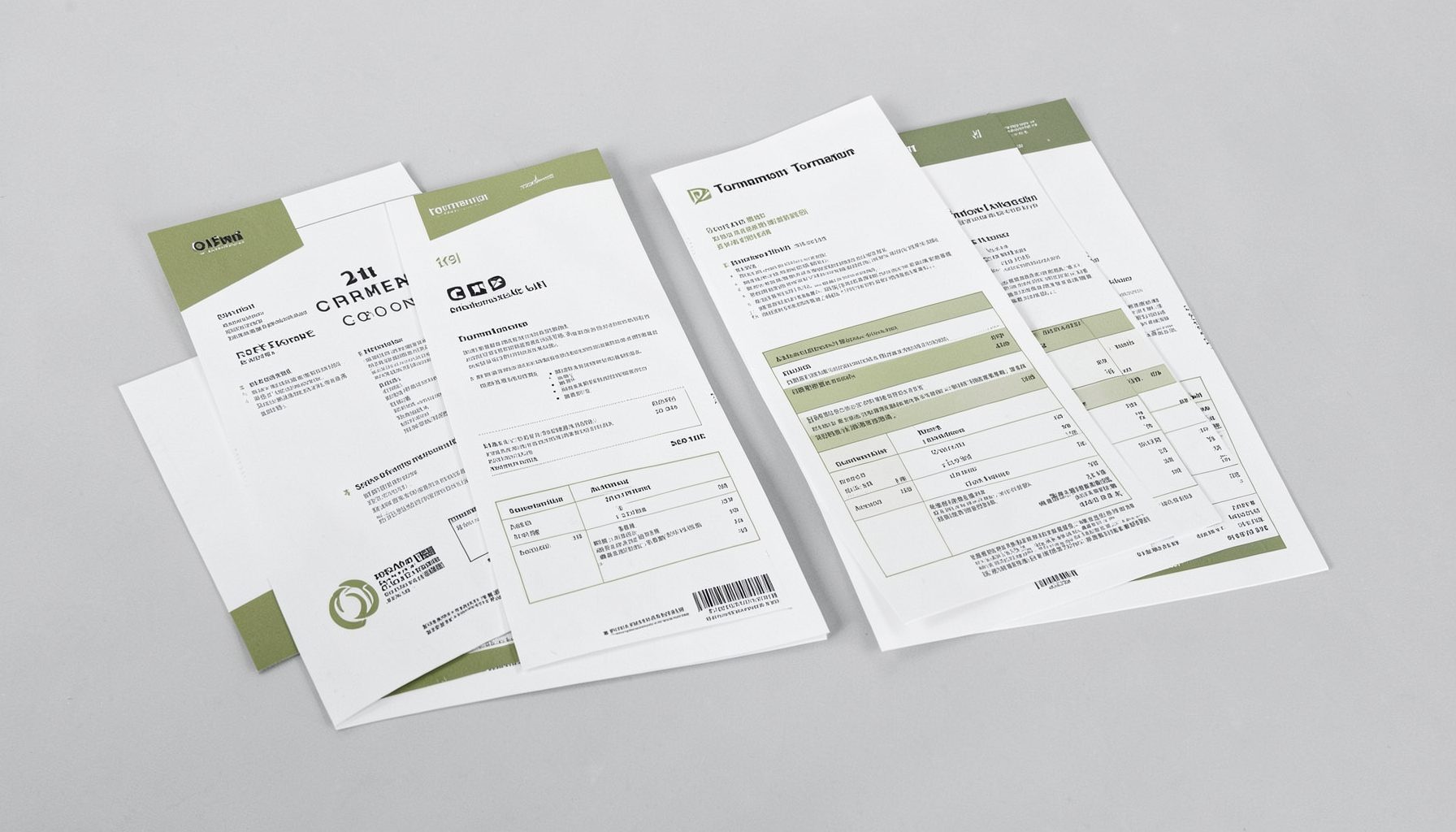
Tournament Packets
Packets from previous Kill Team events are kept here alongside new packets for upcoming tournaments, so organizers and players have what they need in one place.
View Event Data