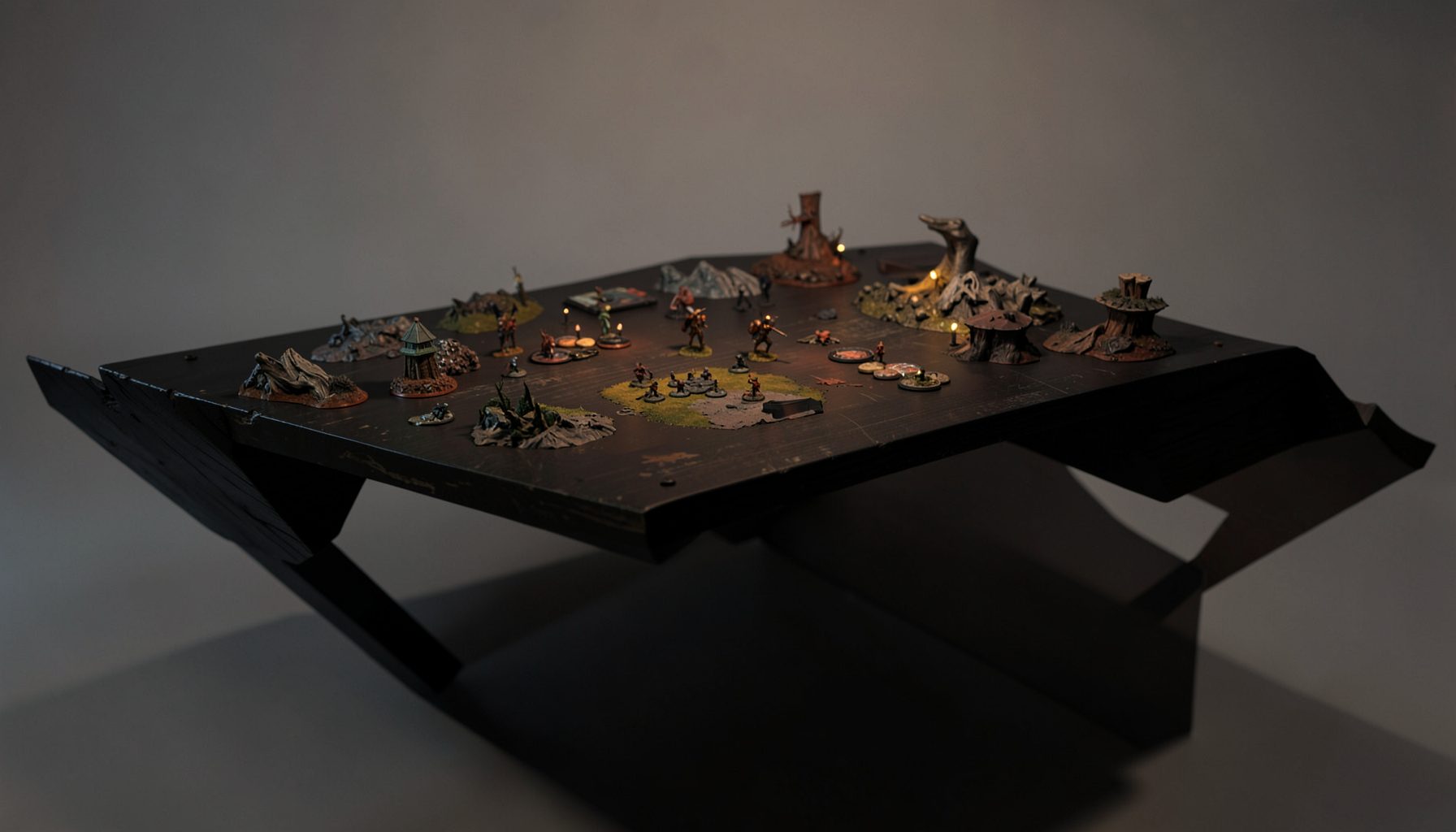
Live-streamed games, recorded matches, and event data gathered in one place.
Kill Team Stream hosts quality live streaming of Kill Team content — tournaments throughout the year on Twitch, regular games streamed to the channel, and tournament data gathered so players can see what's happening in the scene. Powered by WARHAMMER.
Browse tournamentsOfferings
Tournaments
Multiple Kill Team tournaments hosted throughout the year, all live-streamed on our Twitch channel.
Videos
Streams are recorded and uploaded to YouTube alongside original video content we produce.
Event Data
Tournament packets from past events plus resources for upcoming Kill Team tournaments.
Site Directory
A Look at the Kill Team World Championship Qualifiers
The Kill Team World Championship qualifiers sit at the point where local club play meets the international tournament circuit. They attract players who have built confidence through store events, independent tournaments and online practice, then ask them to perform across a demanding series of competitive games. For spectators, the events offer a concentrated view of the factions, missions and decision-making shaping high-level Kill Team.
Exact qualification routes, dates, pack requirements and championship invitations can change between seasons. Players therefore need to treat the official event packet as the authority, rather than relying on an older tournament post or a remembered ruling. The broad experience remains familiar: a limited number of rounds, strict timing, strong opponents and very little room for careless choices.
For the Australian community, these events also highlight the practical side of competitive play. Travelling between Sydney, Melbourne, Brisbane, Perth and Adelaide can require serious planning, while streaming schedules may fall at inconvenient hours because of international time zones. The reward is a tournament environment where preparation, sportsmanship and tactical clarity matter as much as painting an impressive kill team.
| Competitive route | Main focus | Most useful preparation | Typical pressure |
|---|---|---|---|
| Local store event | Learning the current rules and mission flow | Repeated games and basic roster practice | Moderate |
| Regional tournament | Adapting to varied opponents and terrain | Timed rounds, pairing knowledge and table awareness | High |
| World Championship qualifier | Consistent performance across several rounds | Event packet study, matchup plans and mental endurance | Very high |
| Championship-level event | Executing under elite competition | Deep faction mastery and precise decision-making | Extreme |
Reading the Qualifier Structure
A qualifier is usually more than a test of whether a player knows the core rules. The event packet can define legal kill teams, equipment, terrain layouts, mission selection, scoring, round length, roster restrictions and tie-breakers. Small details can have a major impact. A player who understands the standard rules but misses a packet-specific restriction may lose an advantage before the first turning point begins.
Competitive players should read the pack in layers. Start with eligibility, registration and the route to the final championship. Then examine the army or kill team requirements, followed by missions, terrain and scoring. Finally, check practical matters such as check-in, pairings, submission deadlines, painting standards and what happens if a game reaches the time limit.
Qualification systems can also reward consistency rather than spectacular individual results. A player may need to win a particular event, place near the top, collect circuit points or succeed through a final playoff. These routes create different incentives. A single-elimination stage rewards immediate aggression, while a multi-round event favours reliable planning and the ability to recover after a close loss.
The Meta Will Reward Flexible Teams
The qualifier metagame will be shaped by the latest rules update, faction balance and the mission pack. Kill teams that can score primary objectives while threatening key enemy operatives tend to remain valuable, but their success depends on terrain and mission choice. A roster that looks dominant on an open board may struggle when firing lanes are restricted or when objective actions demand early commitment.
Flexibility is especially important across a long event. Players may face elite teams, numerous operatives, high-ranged damage output, stealth mechanics or factions that specialise in mission actions. The strongest preparation is not simply memorising a favourite opening. It is developing a small number of adaptable plans: how to take the centre, when to trade an operative, how to deny a secondary score and when to preserve resources for the final turning point.
Watch recorded matches with a notebook rather than passively following the result. Mark the first important decision, the moment a player gave up an objective, and the point where command points or once-per-game abilities changed the game. Commentary from Kill Team Stream can help explain why a move mattered, particularly for newer viewers who are still learning how action economy and threat ranges interact.
Match Day Demands More Than Rules Knowledge
A championship qualifier often exposes weaknesses that are invisible in casual games. Rounds run to a firm schedule, and players must make meaningful decisions while tracking objectives, wounds, abilities and victory points. A technically correct plan can fail if it takes too long to execute. Practising with a chess clock or a visible round timer helps create habits that remain dependable under pressure.
Terrain reading is another decisive skill. Before deployment, identify safe routes, vulnerable objectives, likely vantage points and areas where an operative can perform an action without becoming an easy target. During the scouting and deployment stages, avoid making decisions on autopilot. A few minutes spent checking line of sight and movement distances can prevent an avoidable early loss.
The social environment matters as well. Competitive Kill Team relies on clear communication about measurements, declared actions and rules interactions. Ask for a judge when a genuine dispute cannot be resolved quickly, and keep the tone calm even when a ruling affects the game. Good sportsmanship protects the event experience and helps the community grow, especially when established players are sharing a table with first-time tournament competitors.
Australian Players Need A Practical Plan
Australian competitors face a distinct travel equation. A tournament in Melbourne is not a simple local trip for someone based in Perth, and even Sydney to Brisbane can require flights, accommodation and time away from work or study. Add the possibility of interstate finals, and the cost of qualification can include transport, meals, baggage and an extra night near the venue. Booking early is useful, but flexible fares may be worth considering when event dates or flight schedules are uncertain.
Time zones also affect preparation and viewing. A streamed qualifier held in North America or Europe may begin in the early morning or late evening in Australia, with daylight saving creating further differences between Sydney, Melbourne, Brisbane, Adelaide and Perth. Players following international coverage should rely on the event’s published schedule rather than a casual time conversion, then watch the VOD if live viewing would harm sleep before a local tournament.
The local market has its own considerations. Australian players commonly buy from hobby stores, specialist online retailers and second-hand groups, with prices affected by shipping, exchange rates and the Goods and Services Tax included in many advertised retail prices. Consumer guarantees under Australian Consumer Law generally apply to eligible purchases, but they do not remove the need to check return policies for opened kits, event tickets or customised services. Planning purchases around a roster’s genuine needs is safer than buying every new release in response to a single result.
Training Should Mirror The Event
A strong preparation block begins with the current packet and a realistic roster. Build the exact legal team, prepare tokens and reference materials, and play games using the same terrain density and mission style wherever possible. Practise deployment, first-turn priorities and end-game scoring rather than stopping once one side appears to have gained control.
Set aside sessions for difficult matchups. Ask a club partner to use a faction that causes problems, then repeat the game after changing only one element of the plan. This reveals whether the problem is the matchup itself or an untested habit. Australian clubs in larger cities such as Melbourne, Sydney and Brisbane can often support regular league nights, while smaller communities may need to organise travelling practice days or online discussion groups.
Keep a short post-game record. Note the mission, opponent, final score, three decisions that worked and three that did not. Include practical observations such as whether the roster had enough mission pieces, whether a key operative was exposed too early, and whether command points were spent from panic rather than purpose. Over several weeks, these notes create a personal matchup guide that is more useful than copying a public tier list.
Streaming Makes The Circuit Easier To Follow
Live coverage gives the qualifier scene value beyond the players at the venue. Viewers can compare faction choices, terrain layouts and tactical priorities across multiple rounds. A commentator may explain why an apparently passive move preserves an activation advantage, or why a player declines an attractive attack to protect a scoring route. These details make tournament broadcasts useful educational resources rather than background entertainment.
Recorded matches are particularly valuable for Australian viewers who cannot follow an overseas stream in real time. Pause before a key decision and predict the best action, then compare that prediction with the player’s choice and the commentator’s reasoning. Watching the same game twice can reveal information missed during the first viewing, such as concealed threat ranges or an objective that was never realistically safe.
Photos, standings and event reports add another layer. Results show which teams succeeded, but images and round summaries reveal how terrain, tables and event operations affected the experience. This is useful for Australian organisers planning events under local venue conditions, whether that means a community hall in Adelaide, a games store in Canberra or a club space in Perth. Clear tables, readable terrain and reliable round management contribute directly to competitive quality.
The Road Beyond Qualification
Qualifying for a world-level event is a milestone, but it does not end the learning process. The field will usually be deeper, the preparation more focused and the consequences of small errors greater. A player may need to refine travel routines, arrange practice against unfamiliar factions and become comfortable playing on streamed tables where cameras and commentary add another layer of attention.
The broader benefit is the exchange of ideas between regions. International qualifiers expose local players to different interpretations of terrain, roster construction and mission priorities. Australian competitors can carry those lessons back to their clubs, while overseas viewers may discover approaches developed in the Australian tournament scene. That exchange helps the game evolve without reducing every event to a single dominant strategy.
For spectators and players alike, the qualifiers provide a useful snapshot of competitive Kill Team: rules knowledge translated into timed decisions, faction strengths tested against real missions, and preparation measured through a full day of games. Whether followed through a venue, a livestream or a later recording, the circuit offers a clear view of where the game is heading and what high-level tournament play demands.
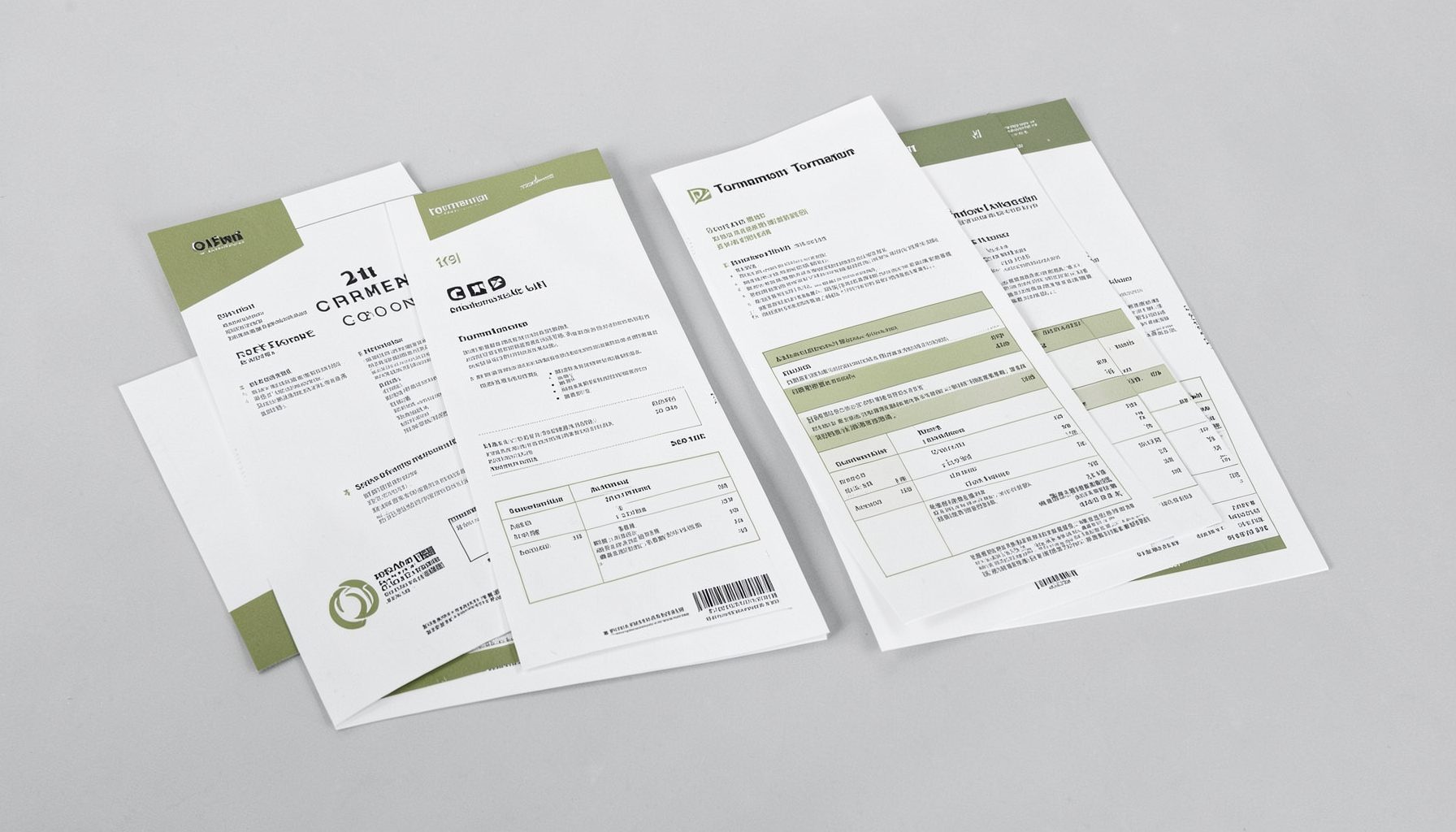
Tournament Packets
Packets from previous Kill Team events are kept here alongside new packets for upcoming tournaments, so organizers and players have what they need in one place.
View Event Data