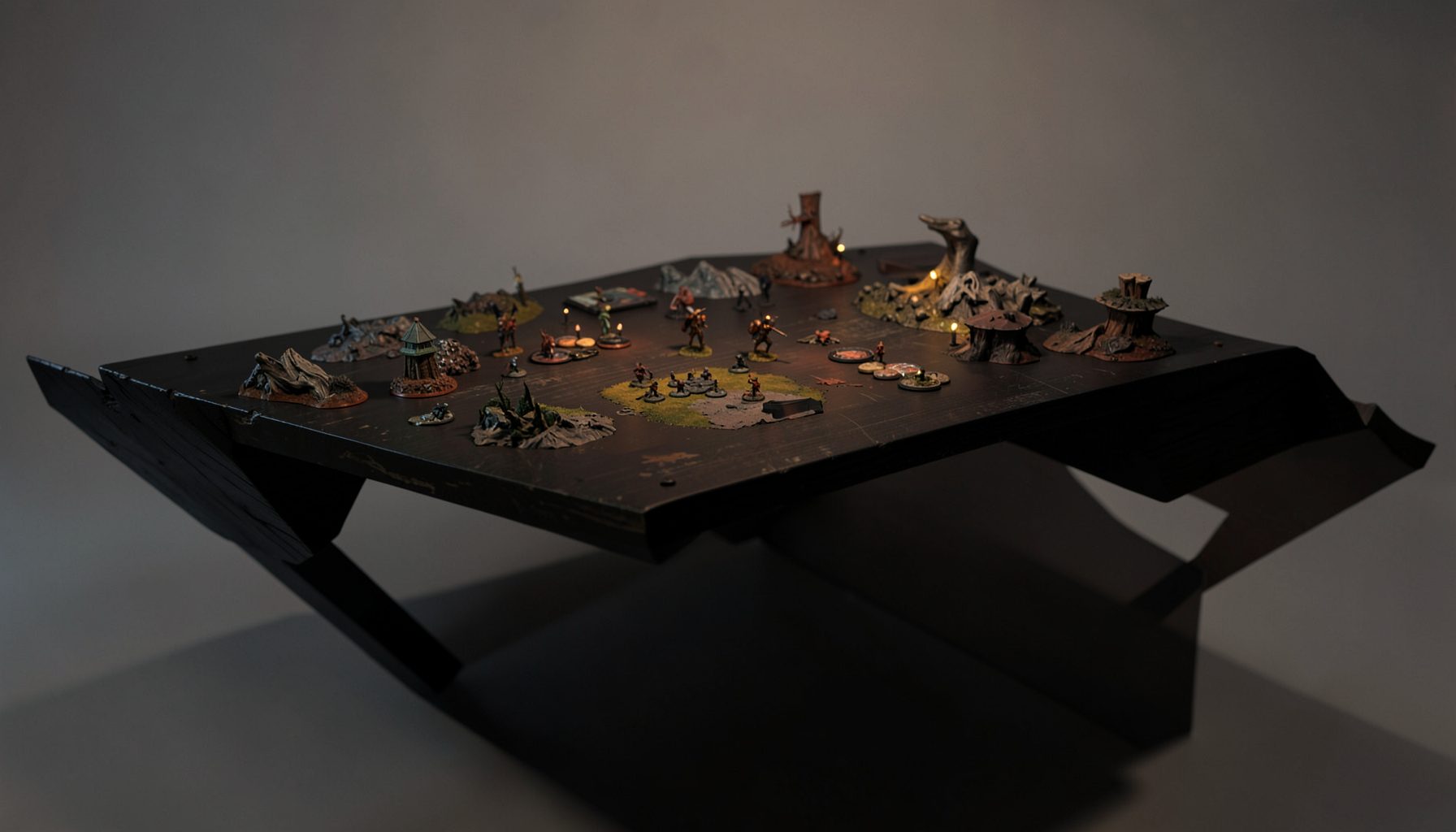
Live-streamed games, recorded matches, and event data gathered in one place.
Kill Team Stream hosts quality live streaming of Kill Team content — tournaments throughout the year on Twitch, regular games streamed to the channel, and tournament data gathered so players can see what's happening in the scene. Powered by WARHAMMER.
Browse tournamentsOfferings
Tournaments
Multiple Kill Team tournaments hosted throughout the year, all live-streamed on our Twitch channel.
Videos
Streams are recorded and uploaded to YouTube alongside original video content we produce.
Event Data
Tournament packets from past events plus resources for upcoming Kill Team tournaments.
Site Directory
A Look at the Most Popular Competitive Kill Teams from the Last Six Months
Competitive Kill Team has settled into a lively rhythm of streamed events, regional tournaments and local club nights. Across the last six months, the teams appearing most often near the top of results have shared a few traits: reliable mission play, strong operatives, flexible deployment options and enough depth to survive unfamiliar match-ups. Popularity has also been shaped by accessibility. A team that is powerful, easy to collect and frequently featured on Twitch can attract far more players than a faction with a similar win rate but a steeper learning curve.
The current scene is best understood through a mix of tournament results, player attendance, streamed matches and discussion around event packs. A podium finish does not automatically make a team the strongest choice, while a faction that appears everywhere may have a large player base rather than an exceptional record. This look at the most popular competitive Kill Teams from the last six months focuses on both sides of that picture: performance and presence.
How The Current Meta Is Being Measured
The phrase “popular” covers several different measurements in the tournament scene. Nemesis Claw, Blades of Khaine and Warpcoven have been common talking points because they combine serious competitive potential with a clear identity. Other teams, including Legionary, Pathfinders, Hierotek Circle and Fellgor Ravagers, continue to appear because experienced players know how to extract value from their rules and because many collections already contain the required miniatures.
Event size also affects the picture. A large two-day tournament can reveal how a team performs across several rounds, while a small local event may show which faction players trust for a relaxed but competitive Saturday. Streamed matches add another layer, since visually distinctive teams and dramatic tactical situations receive more attention than quiet, efficient victories. Results and broadcasts therefore need to be read together rather than treated as identical evidence.
The format of the event matters as well. Kill Team rewards teams that can score primary objectives, complete tac ops and deny the opponent’s plan at the same time. A faction with a spectacular killing turn may struggle if it cannot control a marker in the final turning point. This is why flexible operatives and dependable mission actions have remained more valuable than a simple reputation for damage.
Nemesis Claw Sets The Pace
Nemesis Claw has been one of the most visible teams in recent competitive coverage. The Night Lords bring a force that can pressure opponents psychologically as well as tactically, using threat ranges, close-combat power and disruptive rules to make ordinary movement decisions feel dangerous. Their operatives are capable of punishing exposed models, while the team’s tools encourage a player to create several threats rather than rely on one dramatic attack.
The team is particularly attractive to players who enjoy an aggressive but calculated style. Nemesis Claw cannot simply rush forward without considering lines of fire, counterattacks and objective timing. Its strongest games often involve establishing control early, forcing the opponent into awkward positions and then exploiting a mistake. That combination has made the faction a regular feature in competitive discussion and a popular choice for players moving from standard Warhammer 40,000 into Kill Team.
Its main weakness is that powerful operatives still need a coherent plan. If the team commits too many models before the board state is understood, it can lose control of mission actions. Players also need to manage risk carefully against shooting-focused teams. The result is a faction with a high competitive ceiling, but one that rewards patience rather than constant charges.
Blades Of Khaine Reward Precision
Blades of Khaine remain a leading example of a team that turns positioning into a weapon. Aspect Warriors offer different battlefield roles, giving the player access to speed, shooting, melee pressure and tactical tricks in a compact roster. Their mobility can make them excellent at reaching objectives or threatening a flank, particularly on boards with enough terrain to create safe staging positions.
The team has appeared regularly in competitive conversations because it is difficult to screen and difficult to predict. A skilled player can use movement and concealment to control the tempo, then switch from a defensive posture to a sudden strike. This makes Blades of Khaine especially entertaining on a streamed table: a match may seem settled until a carefully prepared activation opens a route to a key target or objective.
That precision comes with a demanding learning curve. Each operative is valuable, and a poor early trade can leave the team short of bodies when the mission becomes crowded. New players may also find that the roster’s flexibility creates difficult choices during team selection. Experienced Aeldari players, however, continue to show why the faction is among the most respected competitive options.
Warpcoven And Legionary Stay Relevant
Warpcoven have held their place in the competitive conversation through a mixture of psychic abilities, durable operatives and tactical flexibility. Their appeal is easy to understand: the team can present a serious threat at range, punish opponents in close combat and use specialist abilities to alter the expected flow of a turning point. The roster asks its player to plan several activations ahead, especially when protecting valuable sorcerers and managing resources.
On suitable terrain, Warpcoven can make the opponent’s safe areas disappear. A concealed operative may suddenly become a threat, while a psychic effect can turn an ordinary exchange into a decisive one. The faction is less forgiving when its key models are exposed or when it falls behind on mission actions. That balance between power and complexity has kept it popular among players who want a technical team with plenty of decisions.
Legionary have a different kind of appeal. The team is familiar, visually strong and comparatively straightforward to collect, making it a common entry point for players who want an elite force without the additional complexity of a highly specialised roster. Its operatives are resilient, its weapons are dependable and its game plan is easy to recognise: establish threatening positions, trade efficiently and control important areas of the board.
The competitive challenge with Legionary is converting quality into mission points. Elite teams cannot afford to lose models cheaply, yet they must still interact with objectives. Successful players use cover, activation order and selective aggression to avoid being dragged into unfavourable trades. Their continued tournament presence shows that a solid, adaptable team can remain relevant even when flashier factions attract more attention.
Shooting Teams Punish Careless Movement
Pathfinders remain one of the clearest examples of a shooting team that can dominate a table when its plan is protected. Their combination of ranged weapons, marker support and strong activation sequencing creates significant pressure against teams that expose themselves too early. A Pathfinder player often wins by making every open lane feel unsafe, then using mobility to score while the opponent hesitates.
The team’s popularity is linked to the quality of its decision-making. It is not enough to place guns in strong positions; the player must know which targets matter, when to spend key abilities and how to preserve enough models for later turning points. Dense terrain can reduce the team’s influence, while missions requiring constant movement can challenge a static approach. Still, its threat profile makes it a fixture in competitive preparation.
Hierotek Circle offers a different shooting experience, combining advanced weapons, reanimation and durable specialist models. When the team’s mechanics work together, losing an operative does not always mean losing the exchange. This resilience gives Hierotek a loyal following among players who enjoy a slower, methodical style and want to punish opponents for failing to finish important targets.
The faction can struggle when the opponent controls the tempo from the opening activation. Its models are valuable, and its activations need to be sequenced with care. A strong Hierotek player therefore treats positioning as a form of insurance, keeping the team close enough to support itself without allowing one attack to compromise the entire plan.
Newer And Specialist Teams Add Variety
Fellgor Ravagers continue to attract attention because they create a highly interactive game. Their ability to remain dangerous after taking losses can make conventional target priority unreliable. An opponent may believe that removing a key operative has solved a problem, only to discover that the team’s momentum has changed rather than disappeared.
Their best games are built around controlled aggression and timing. Fellgor players need to know when to contest a central objective, when to accept a trade and when to delay a charge. The team is less comfortable when it is forced to cross open ground without support, but its disruptive nature makes it a dangerous opponent for elite teams that expect every casualty to reduce pressure.
Hernkyn Yaegirs have also added variety to the competitive field. Their scouting tools, ranged options and ability to shape the early turns give them a useful presence before the main exchange begins. The faction suits players who enjoy establishing board control and forcing the opponent to reveal a plan before committing valuable operatives.
Gellerpox Infected and Exaction Squad remain examples of teams that can perform strongly in the right hands even when they are not the first names mentioned in every power-ranking discussion. Gellerpox can overwhelm an opponent with bodies and unusual threats, while Exaction Squad rewards careful sequencing and objective discipline. Both demonstrate why popularity should not be confused with a fixed tier list.
The Australian Scene Has Its Own Character
Australian players experience the international meta through a practical local lens. Events in Sydney, Melbourne, Brisbane, Perth and Adelaide can be separated by substantial travel, so a strong regional community may develop around one venue or regular tournament organiser. Players often prepare for a major event through club nights, local leagues and streamed games rather than travelling interstate every month. That makes versatile teams especially attractive: a faction needs to handle a broad range of boards and opponents when practice partners are limited.
The Australian market also affects faction choice. Miniatures, paints and accessories are generally priced in Australian dollars, and imported stock can cost more after shipping and the 10% GST applied to many purchases. A player may select Legionary or another readily available team because it can be bought locally, while a harder-to-source faction may be delayed by restocks or international postage. Hobby budgets and delivery times have a direct effect on tournament attendance.
Time zones shape online preparation too. Australian viewers may watch European or North American broadcasts at inconvenient hours, so recorded matches and YouTube analysis are particularly valuable. Local creators and tournament streams fill that gap by showing how teams perform on Australian terrain layouts and under regional event packets. The country’s consumer and privacy laws also matter to organisers selling tickets, handling player details and publishing event photography, even though those rules do not alter the game’s rules themselves.
At larger events, travel costs and annual leave can matter as much as faction strength. A Melbourne player attending a Sydney tournament may need flights, accommodation and transport, while a Perth player faces an even larger commitment. These realities help explain why dependable teams with established player guides remain popular: preparation time is precious when attending a major event requires serious planning.
What The Rankings Mean For Players
The recent competitive field is broad enough that a player does not need to chase the most fashionable faction. Nemesis Claw, Blades of Khaine and Warpcoven offer high ceilings, while Legionary provides a stable route into elite play. Pathfinders and Hierotek Circle reward strong ranged planning, and Fellgor Ravagers create a more volatile style built around pressure and timing.
The most useful lesson from tournament coverage is to study patterns rather than copy a single winning list. Watch how successful players score during the first turning point, how they protect their specialists and which trades they refuse. Pay attention to terrain, mission selection and opponent experience, because a result is shaped by all three. A team that dominates one layout may look ordinary on another.
The meta will continue to move as players discover new combinations and organisers use different mission packs. Balance changes, model availability and streamed performances can quickly influence what appears popular. For Australian players, the best choice is usually the team that combines competitive tools with genuine interest, reliable local availability and enough flexibility to survive the varied conditions of the tournament circuit.
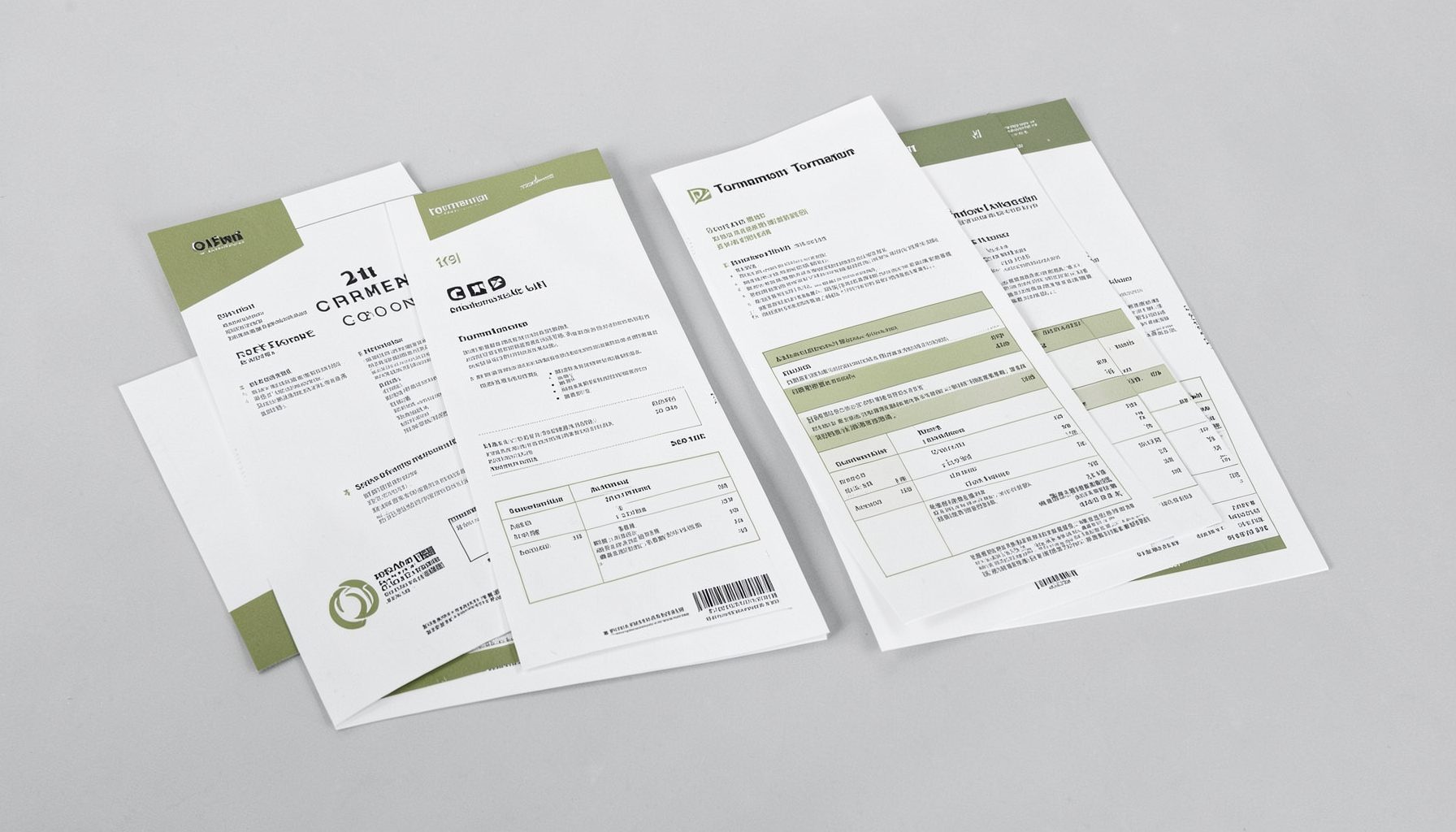
Tournament Packets
Packets from previous Kill Team events are kept here alongside new packets for upcoming tournaments, so organizers and players have what they need in one place.
View Event Data