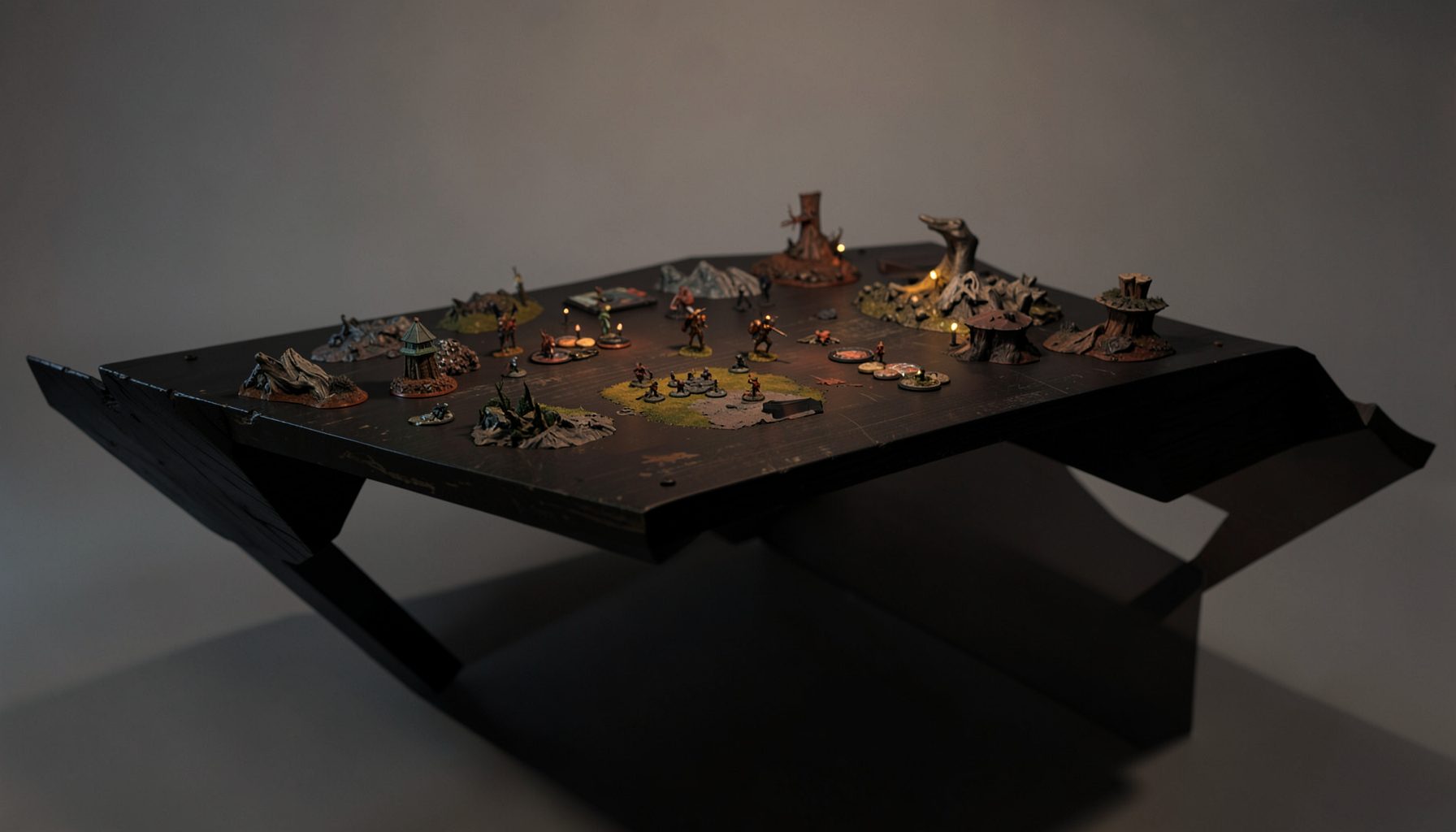
Live-streamed games, recorded matches, and event data gathered in one place.
Kill Team Stream hosts quality live streaming of Kill Team content — tournaments throughout the year on Twitch, regular games streamed to the channel, and tournament data gathered so players can see what's happening in the scene. Powered by WARHAMMER.
Browse tournamentsOfferings
Tournaments
Multiple Kill Team tournaments hosted throughout the year, all live-streamed on our Twitch channel.
Videos
Streams are recorded and uploaded to YouTube alongside original video content we produce.
Event Data
Tournament packets from past events plus resources for upcoming Kill Team tournaments.
Site Directory
Welcoming New Players Into Kill Team
Warhammer Kill Team competition combines fast tactical decisions, specialist rules, and constant adaptation on the board. That variety attracts players who want a hobby where careful preparation matters, yet the learning curve can feel formidable to someone encountering a tournament roster for the first time. Veterans often absorb rules through years of play, making their casual comments and rapid decisions difficult for beginners to follow.
The gap between an experienced player and a first-time competitor is rarely about talent alone. It includes knowledge of deployment, weapon interactions, marker placement, mission priorities, and the unwritten expectations surrounding tournament behavior. New players need support that respects their enthusiasm without assuming they already understand the community’s language or established traditions.
Building a diverse community means preserving the depth that draws competitors to Kill Team while removing avoidable barriers to participation. Livestreams, recorded matches, commentary, event packets, standings, photographs, and player stories can turn scattered knowledge into a shared resource. When those materials are organized around real player needs, beginners gain a clearer route from watching the game to enjoying their first match.
Why newcomers drift away
A common source of early attrition is uncertainty. A novice may understand the objective but not how the turn sequence works, while another may build a legal operative list without knowing which choices are competitive. Small gaps in preparation can create the impression that an entire roster or faction is weak, especially when advanced players use specialized terminology without explanation.
Tournament culture can intensify those gaps. Spectators may treat unusual tactics as mistakes, and opponents may discuss optimal play in ways that makes a beginner feel exposed. Silence during a match can look like disapproval even when players are simply concentrating. Communities that establish patient expectations and basic codes of conduct give first-time competitors more room to learn from mistakes.
Retention often improves when organizers identify the point where participation becomes difficult. It may occur during registration, roster validation, a difficult pairing, or the gap between events. Asking players which stage felt confusing is more useful than assuming they simply lost interest. The answers can reveal simple remedies, such as clearer instructions, shorter novice divisions, or an informal practice session before competitive rounds.
Building a friendlier first tournament
Beginner divisions should offer meaningful competition rather than serving as holding areas for players expected to lose. Pairing based on experience, a published baseline for roster complexity, and separate awards for best newcomer can create confidence without diluting the main event. The important distinction is that novice events still use clear rules, fair play, and goals that players can realistically pursue.
An organizer can make the first day easier by publishing a schedule in advance, explaining the event format, and providing a short guide to the venue and equipment list. Practice tables, a designated rules helper, and time for setup reduce avoidable stress. Briefings should explain tie-breakers, deployment procedures, and how penalties work before players need to understand them under pressure.
The Kill Team Stream community can support that experience by documenting how local events operate and making their resources accessible beyond the venue. Recorded rounds provide examples of common situations, while event pages can explain the structure behind a tournament result. Sharing practical information makes the wider scene visible to someone deciding whether their next event will feel welcoming.
Creating clear paths for learning
New players often need a progression they can recognize. A useful path begins with the core turn structure, continues through operative abilities and team construction, and ends with mission-specific tactics. Video lessons, rules summaries, and recorded matches work best when each explains a distinct stage rather than presenting an unrelated stream without context.
Gameplay content should also show the reasoning behind decisions. A commentator who explains why an operative moved, how a marker affected the turn, or which information shaped a deployment teaches more than someone simply announcing the outcome. Written recaps can preserve those explanations in a searchable format, allowing a beginner to revisit a rule or tactical principle after the match ends.
Regular events should create natural milestones. A first practice game can lead to a local qualifier, followed by a larger tournament and a season-long standings list. This ladder helps players understand what they are working toward and where to find assistance. It also gives experienced competitors reasons to share knowledge, since they can guide rookies through a progression they remember beginning themselves.
Making mentorship part of the format
Mentorship works best when it is woven into normal play rather than presented as an elite benefit. Organizers can pair each registered beginner with a returning player for check-in, mission guidance, and post-match discussion. The mentor’s role is to support preparation and interpretation, not to choose the novice’s list or dominate the conversation at the table.
Useful mentors model habits that reduce pressure. They explain the rules when a situation is unclear, ask what the other player understands, and treat mistakes as part of learning. They also know when to step back, since constant intervention can prevent a new competitor from developing independent judgment. Training volunteers in these habits produces a more reliable culture than relying on a few highly visible personalities.
A community mentor program can extend beyond tournament days through online channels and recorded sessions. Players might review a sample roster, examine the board before deployment, or discuss a mission objective in advance. Recognising patient guides through badges, articles, or featured interviews signals that teaching belongs beside winning. It also offers an accessible form of leadership for people who enjoy the game but dislike the spotlight.
Designing competition people can enter
Accessibility begins with physical and sensory needs as well as social ones. Event organizers should consider travel routes, seating, lighting, noise levels, and the availability of clear digital instructions. Written summaries of spoken announcements help players who cannot process rapid commentary. Extra time or flexible scheduling can support competitors with limited energy or caring responsibilities.
The rules and social language of an event should be equally accessible. Organizers can avoid treating particular factions, identities, or play styles as inherently lesser choices. Photographs, videos, and recaps should represent more than the leading finishers, giving novices visible role models with similar experience levels. Recognition based on sportsmanship, best sports game, or exemplary deployment encourages standards that everyone can understand.
Competitive pressure and intimidation are not the same thing. Rounded terrain, live tracking, and published tie-breakers improve clarity, but a broader code of conduct is equally important. Expectations around photography, result disputes, and communication can be stated before the first round. A visible process for resolving concerns tells players that fairness is an active practice rather than a claim made by an event poster.
Turning events into community rituals
Regular community features make participation easier to sustain. Short tactical showcases can appear between tournament rounds, giving players a low-pressure way to test an idea or explain a specialist operative. Organizers might run a best-deployment contest, a rules clinic, or a casual mission using community units. Such activities connect competition with the social reasons people first joined the hobby.
Streams and recorded matches create continuity between events. Players who cannot attend in person can follow standings, watch selected games, and study the decisions that shaped a result. Commentators can identify first-time competitors, explain unfamiliar terrain, and invite players to discuss alternatives after a round. Photos and short interviews add personality to names that would otherwise appear only in a spreadsheet.
Every event should include time for more than final standings. A debrief can highlight the most instructive games, unexpected choices, and improvements players made during the day. A shared document can collect corrections to rules interpretations and answers to recurring questions. These rituals preserve institutional knowledge, reduce the need for veteran players to repeat themselves, and make the tournament calendar feel like one connected community rather than a series of isolated rooms.
Tracking retention beyond final standings
Event success cannot be measured only by the winner’s margin or the number of tables filled. Organizers should compare registrations with actual attendance, note how many first-time players complete a full event, and track whether those players return to a later session. Simple follow-up surveys can identify whether the experience was difficult, unclear, enjoyable, or disconnected from the wider scene.
Retention figures need context. A player may leave because of travel, work, or a change in interest rather than a failure within the community. Breaking down feedback by experience level and event format helps organizers act on patterns without blaming individuals. A short question about the next event a player plans to attend can provide a more immediate indicator than waiting for another registration cycle.
Long-term growth also depends on welcoming the same people as they gain experience. Players who once needed rules explanations eventually understand more than their first opponents, and communities can invite them into mentoring, commentary, organizing, or artwork. Recognising that development keeps the support cycle moving. Healthy Kill Team competition grows when every stage of experience has a place, and when beginners can imagine a future for themselves within it.
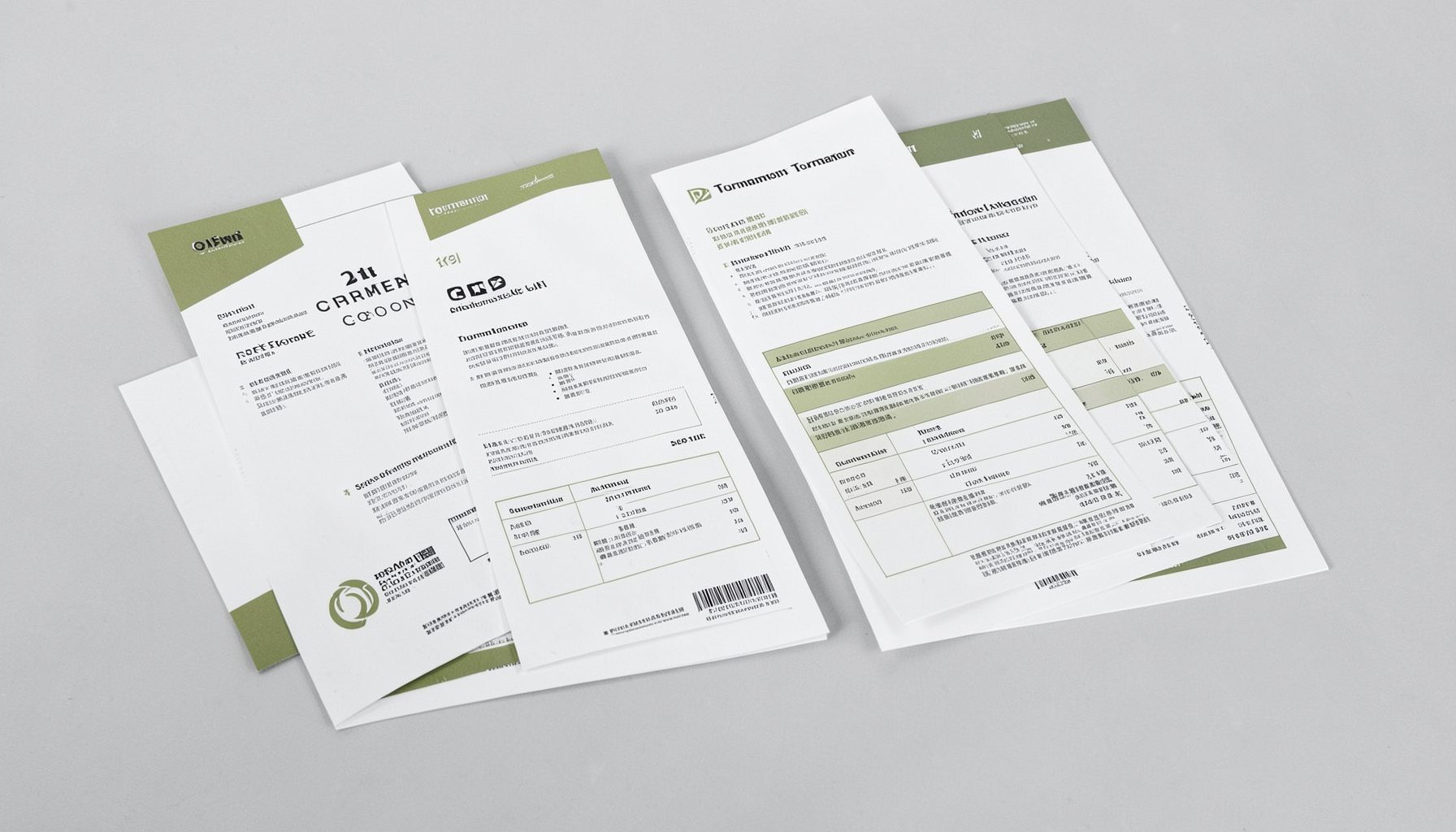
Tournament Packets
Packets from previous Kill Team events are kept here alongside new packets for upcoming tournaments, so organizers and players have what they need in one place.
View Event Data