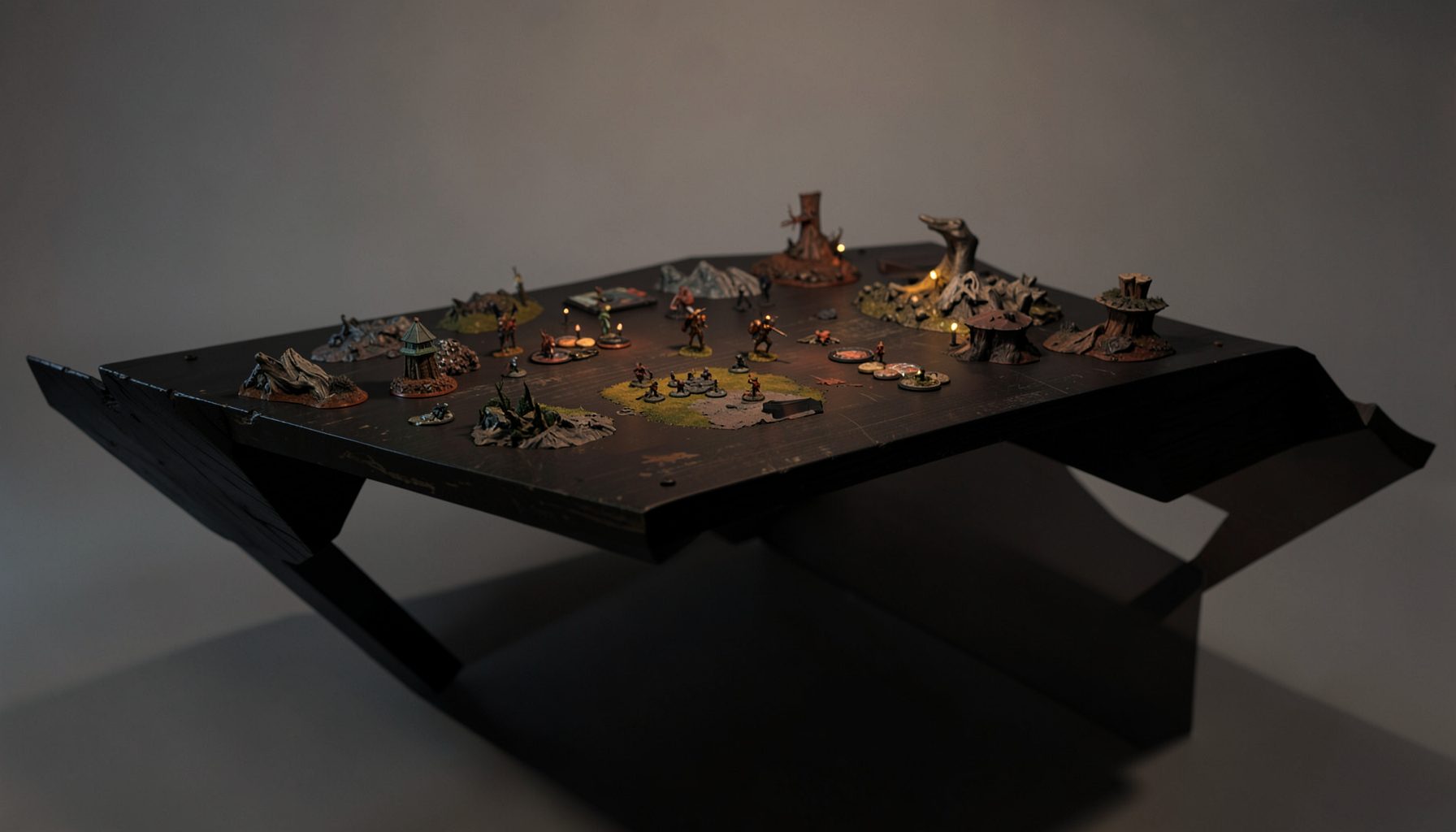
Live-streamed games, recorded matches, and event data gathered in one place.
Kill Team Stream hosts quality live streaming of Kill Team content — tournaments throughout the year on Twitch, regular games streamed to the channel, and tournament data gathered so players can see what's happening in the scene. Powered by WARHAMMER.
Browse tournamentsOfferings
Tournaments
Multiple Kill Team tournaments hosted throughout the year, all live-streamed on our Twitch channel.
Videos
Streams are recorded and uploaded to YouTube alongside original video content we produce.
Event Data
Tournament packets from past events plus resources for upcoming Kill Team tournaments.
Site Directory
Collaborating With Creators To Reach New Audiences
Kill Team competition generates more than final scores: every round reveals bold deployments, difficult objectives, and tactical adjustments made under pressure. Creators who broadcast, analyse, build terrain, or document the game can turn those moments into useful entertainment for dedicated fans and an invitation for newcomers to join. A well-planned collaboration extends that reach without losing the personality or expertise that made each creator valuable. Learn more about Skrill Casino Minimale Storting Basics.
The strongest partnerships are designed around a shared purpose rather than borrowed follower counts. Two channels might combine their audiences for a live tactical discussion, a tournament broadcast, or a series of match breakdowns. On platforms such as Twitch and YouTube, these formats can introduce viewers to unfamiliar factions, improve understanding of the rules, and create reasons to attend future events. For Australian creators, that matters in a geographically dispersed market where local communities often rely on regional hubs and online events to stay connected.
Why Creator Partnerships Grow Audiences
Different creators attract audiences for different reasons. A tournament organiser may be trusted for accurate standings and event updates, while a rules expert is followed for clear explanations of difficult rulings. A terrain builder might offer visual inspiration, and a veteran player may provide candid advice about roster selection. When these strengths appear together, viewers receive several reasons to watch and can move naturally from one channel to another.
Complementary audiences are often more valuable than identical ones. A channel centred on narrative campaigns can introduce competitive players to squad building and objective play, while a tournament channel can show casual viewers how a dramatic final round unfolds. Kill Team Stream already brings together live matches, recorded games, commentary, event packets, results, photographs, and standings, creating a natural home for collaborations that move between spectacle and education.
Trust also determines whether discovery becomes loyalty. Viewers are more likely to sample a new creator when someone they already respect explains why the collaboration is worth their time. A host can introduce a guest through a specific strength: extensive experience with a faction, a precise knowledge of the rules, or a reputation for clear tactical analysis. That gives the partnership immediate purpose and makes the guest appear as an expert rather than simply another name on the screen.
Designing Complementary Stream Formats
Begin with one clear viewer promise, such as learning how to improve a difficult mission, understanding a tournament ruling, or watching an underdog squad challenge a favoured roster. Joint sessions work best when both creators contribute to that promise in distinct ways. One may handle the broadcast and production, while the other leads the analysis, asks the questions, or explains the decisions visible on the table.
The format should also create room for each creator’s natural style. A conversational review can combine a veteran player’s experience with a newer host’s useful questions, making advanced concepts easier to follow without dumbing them down. Tournament channels can add a second broadcast focused on objectives and deployment, while a separate lesson can slow down the same match to examine positioning, line of sight, and reserve timing.
Specificity keeps supporting content from distracting from the main event. Creators can borrow the discipline of narrow beginner guides; minimal casino staking basics is one example of reducing a subject to a single clear promise. A Kill Team collaboration can apply that same approach by focusing on one tactical problem, publishing a concise match timeline, and linking directly to the relevant rules reference instead of sending viewers through several unrelated resources.
Connecting Players Across Australian Cities
Australia’s geography makes creator collaboration especially useful. Melbourne, Sydney, Brisbane, Perth, Adelaide, and Hobart each have distinct player communities, store networks, and tournament habits. Live sessions can connect participants who would never share a table, while regional co-hosts can make a national broadcast feel grounded in local play rather than presenting it from a single central location.
Time zones need careful planning. Perth is usually two or three hours behind Sydney and Melbourne, while Adelaide sits between several eastern and western schedules. A regular evening broadcast in one city may therefore work well as a lunchtime session in another. Coordinated start times, clearly displayed in Australian Eastern Standard Time, and archived recordings can keep the event accessible to people working different shifts or travelling interstate.
Local game stores and community clubs remain important meeting points. Creators can build a calendar around store-run qualifiers, club practice nights, painting sessions, and larger conventions rather than treating online content as separate from the wider scene. The Australian preference for informal community gatherings also helps: a tournament stream can be paired with a watch party, a beginner demonstration, or a relaxed terrain-building session at a local venue.
National scheduling should respect Australian customs and commemorative dates. Public holidays, Easter, school vacation periods, and ANZAC Day can influence travel and attendance, so announcements and match deadlines should account for them. Dates such as Sunday 1 May are less confusing to the intended audience than a US-style month-first format. These details reduce friction for players and make it easier for interstate collaborators to plan together.
Turning Matches Into Reusable Learning
A live broadcast creates value in the moment, but recorded content extends its life. Creators can divide a match into focused chapters covering deployment, first-turn priorities, difficult casualties, and the final scoring objective. Short clips can then answer individual questions without requiring viewers to watch an entire tournament session. This is particularly valuable for newcomers, who may understand the objective but still need help recognising why a seemingly small decision mattered.
Event material provides another source of learning content. Results, standings, packets, photographs, and updated mission information can support previews, post-event summaries, and faction analysis. When creators combine these resources, the stream becomes more than entertainment: it becomes a record that helps players understand the metagame and prepare for the next event. Commentary can explain how a terrain choice affected the round, turning an archive into a practical coaching tool.
Reusable material should still be edited for the intended audience. A spoiler-free summary works for casual viewers, while a detailed tactical breakdown can assume knowledge of the relevant rules. Captions, readable graphics, and clear timestamps improve access across busy households and noisy venues. Australian audiences also value direct but respectful feedback, so creators can explain mistakes without mocking a player who has only recently started competing.
Building Trust With Transparent Promotion
Before recording, collaborators should agree on the purpose, format, recording rights, promotion channels, and how each person will be credited. A guest appearing on a channel may expect exposure to that channel’s audience, while both parties may want permission to reuse clips elsewhere. Written agreements prevent misunderstandings when a popular clip travels beyond the original broadcast and attracts viewers to a later event.
Commercial relationships must be disclosed plainly. A paid collaboration, free product, travel subsidy, or affiliate link should be identified in the video, description, and relevant platform tools rather than hidden in a vague mention. This is especially important when creators move between Twitch, YouTube, community groups, and Australian event pages. Clear labelling allows viewers to assess the recommendation without undermining the playful tone of the stream.
The community also needs clear boundaries around chat, player likenesses, music, and tournament footage. Creators can moderate language, remove harmful messages, and avoid exposing private conversations without permission. Attribution should follow every reused clip, photograph, rules explanation, and recorded segment. These practices make collaboration safer for creators and competitors while demonstrating that the partnership is built on respect rather than short-term attention.
Measuring Growth And Sustaining Momentum
Audience size is only one measure of a successful collaboration. Creators should also watch concurrent viewers, average watch time, returning viewers, chat participation, and the number of viewers who follow or subscribe after the session. Engagement with event registration, community Discord channels, or local store activities can reveal whether the partnership creates meaningful participation rather than a brief spike in traffic.
Testing different formats helps partnerships improve. One broadcast may attract viewers through a guest’s reputation, while a co-hosted tactical lesson may generate more comments and repeat viewing. Creators can compare similar sessions across Twitch and YouTube, note where new viewers arrive, and ask partners which format felt most natural. Short feedback from players and organisers can also identify confusing explanations or scheduling barriers that analytics alone will not reveal.
A recurring series gives both audiences a reason to return. Monthly match reviews, regional tournament watch parties, or faction-specific preparation clinics can become fixtures on the competitive calendar. Kill Team Stream can connect these broadcasts with archived results, standings, and event materials so viewers have a clear path from watching to playing. Creators should also announce the next session while the current one is still fresh, then credit every partner across their own channels and community spaces.
When each appearance offers viewers clearer knowledge, a stronger connection to the tournament scene, and a reason to return, collaboration becomes a durable growth engine rather than a one-off promotional event.
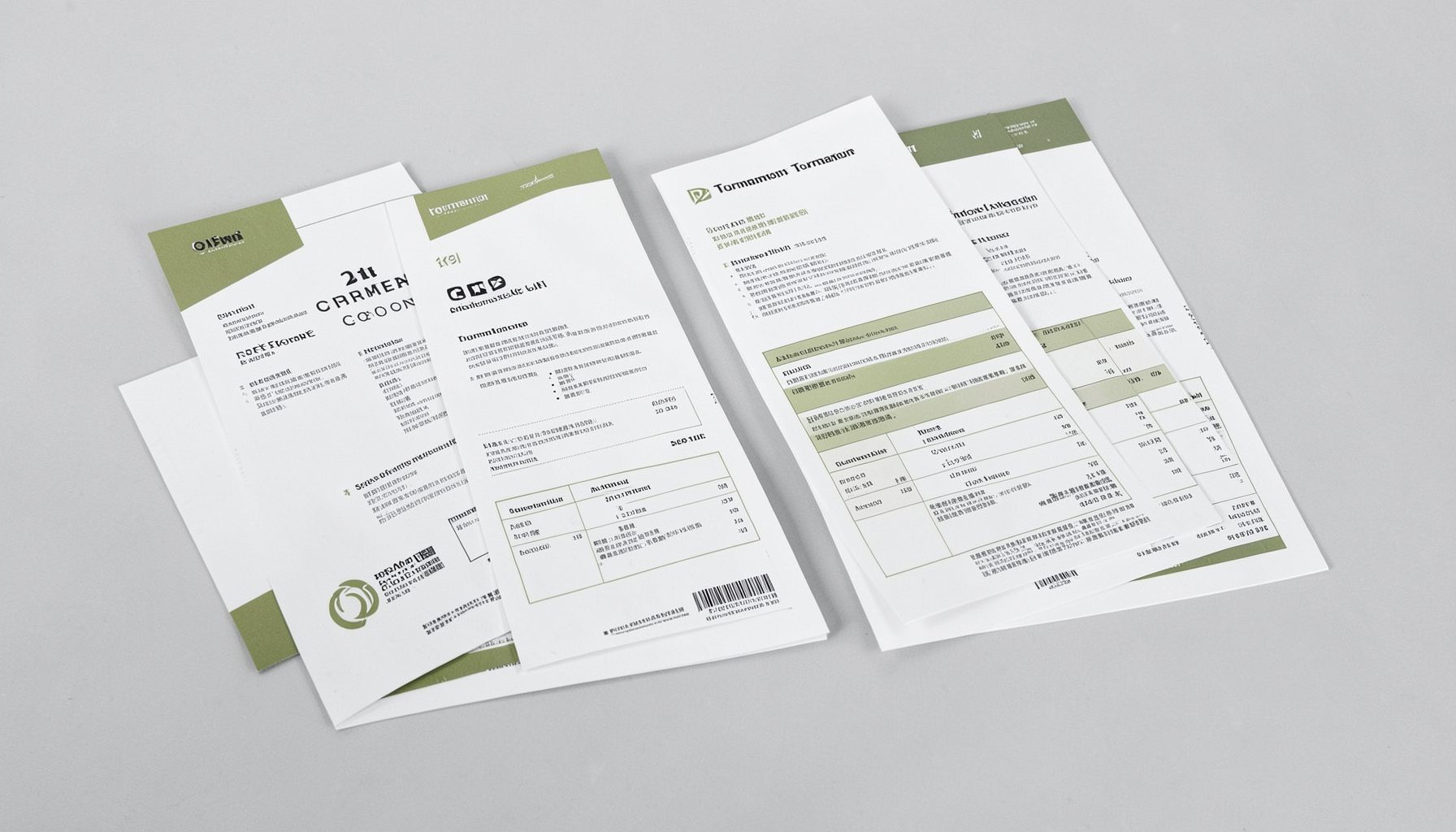
Tournament Packets
Packets from previous Kill Team events are kept here alongside new packets for upcoming tournaments, so organizers and players have what they need in one place.
View Event Data