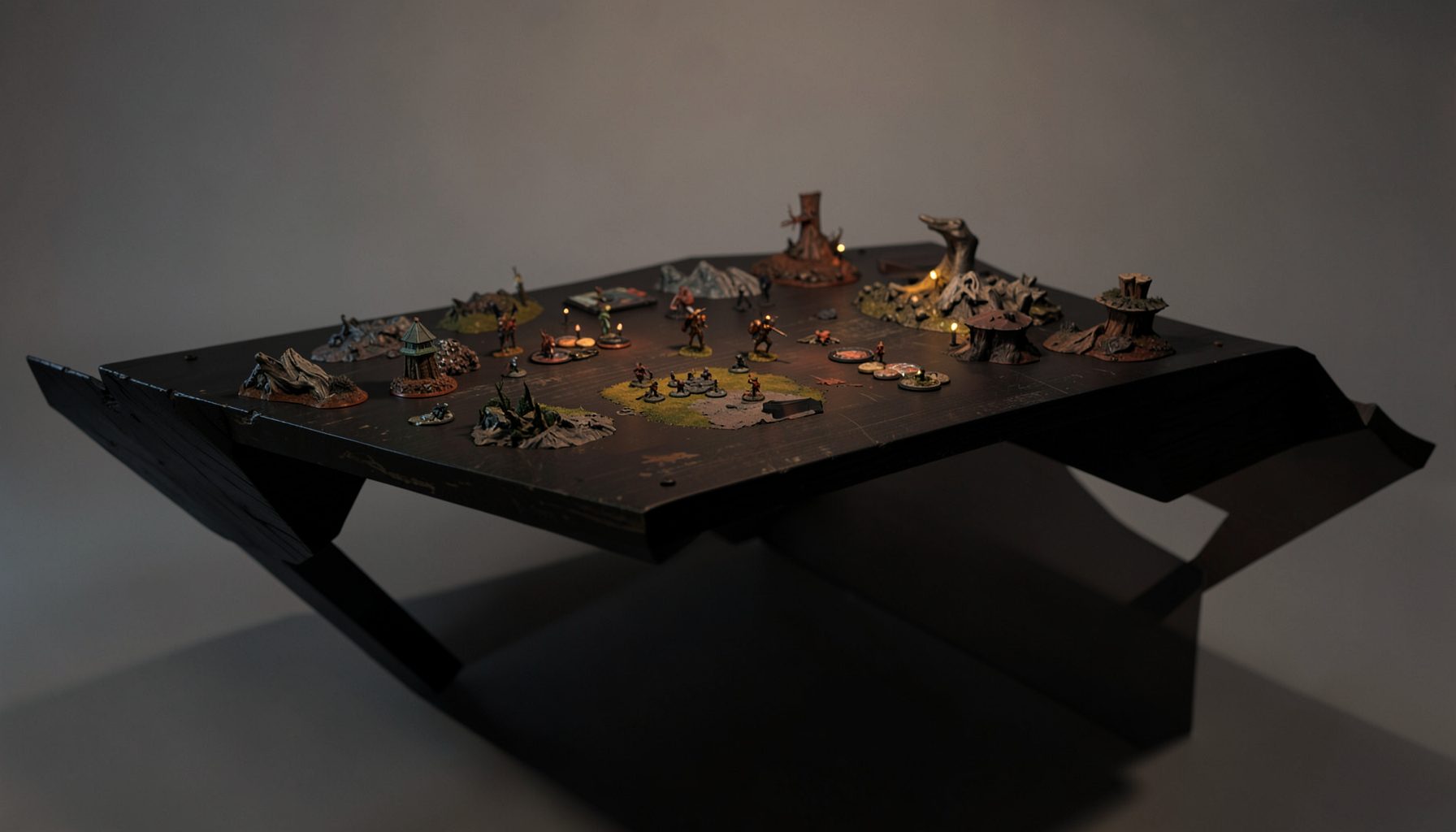
Live-streamed games, recorded matches, and event data gathered in one place.
Kill Team Stream hosts quality live streaming of Kill Team content — tournaments throughout the year on Twitch, regular games streamed to the channel, and tournament data gathered so players can see what's happening in the scene. Powered by WARHAMMER.
Browse tournamentsOfferings
Tournaments
Multiple Kill Team tournaments hosted throughout the year, all live-streamed on our Twitch channel.
Videos
Streams are recorded and uploaded to YouTube alongside original video content we produce.
Event Data
Tournament packets from past events plus resources for upcoming Kill Team tournaments.
Site Directory
Turning Kill Team Experience Into Player Development
Kill Team competition asks players to balance precise rules knowledge, tactical planning, roster management, shooting, objective play, and adaptation to each mission. Small decisions can swing a match, especially when both sides understand the terrain, scoring system, and deployment options. Broadcasts from Kill Team Stream offer valuable examples of these decisions, but viewing elite play is only the first step toward improvement.
A structured mentor program for aspiring competitors can turn that footage into practical development. The program should help players identify weaknesses, build better habits, prepare for tournament opponents, and gain confidence without turning mentorship into unpaid coaching or rigid instruction. Its strongest form combines accessible guidance, thoughtful feedback, and access to the community’s tournament resources.
Why mentorship strengthens competitive play
Competitive improvement often stalls because players can see that a tactic failed without understanding why it failed. A mentor examines the setup, deployment, target priorities, activation sequence, and choices that followed the first scoring opportunity. This analysis teaches transferable thinking rather than encouraging a player to memorize a single solution.
Recorded matches and regular commentary are useful learning materials, but they rarely reveal every assumption behind a decision. A player may hear that a unit was badly placed without learning how to recognize the same issue in a different matchup. Mentors can connect these examples to faction rules, mission play, line of sight, command resources, and end-game scoring. They help players move from recognizing outcomes to understanding causes.
Mentorship also supports the less visible parts of tournament preparation. Players may struggle with time management, roster construction, practice priorities, nerves, or communication after a difficult loss. A trusted guide can normalize these difficulties and offer specific routines for preparation and review. The result is more resilient development, particularly for newcomers who may not know which questions are worth asking before their first event.
Designing roles and mentor-player matches
A clear role description prevents confusion about what participants can expect from one another. Mentors can provide strategic guidance, demonstrate specialist techniques, review recorded games, organize practice sessions, or help players prepare for a particular tournament metagame. Some may focus on fundamentals, while others specialize in factions, matchup analysis, or adjudication-related scenarios. Assigning several mentors to one player without explaining their responsibilities can create duplication, so each relationship should have a defined purpose.
Matching should consider more than win totals. Skill level, faction experience, available time, communication style, and development goals all affect the partnership. A newer player may benefit most from a patient mentor who explains concepts clearly, while an experienced competitor might want a partner who challenges established habits. A trial period allows both participants to confirm that the fit works before committing to a longer arrangement.
Boundaries should protect both sides. Mentors should avoid sharing confidential team lists, pressuring players into faction choices, or treating every disagreement as a contest of authority. Players should arrive prepared, take notes, and complete agreed development tasks. Recognition can include event credit, community visibility, priority access to workshops, or responsibility for future mentoring. Rewarding contribution helps the program remain sustainable without making participation feel compulsory.
Building a practical development pathway
Each participant should begin with a short baseline assessment covering rules knowledge, tactical decision-making, unit selection, objective play, and tournament experience. The assessment should produce a small number of specific goals rather than a generic list of skills. Examples include improving mission selection, reducing deployment errors, strengthening a firing lane, or making better end-of-game decisions. Clear goals give the mentor and player a shared reference point throughout their work together.
The pathway can then follow a repeating cycle of study, practice, review, and application. Study covers the relevant faction rules, competitive terrain, recent tournament lists, and common scoring priorities. Practice turns those ideas into drills or structured games with defined objectives. Review examines footage from those sessions, while application occurs in live event play. The exact schedule can change, but each stage should lead to the next so that every session produces something the player can use.
Feedback should distinguish an observation from an explanation and an action. For instance, a mentor might note that two models were deployed into overlapping firing lanes, explain how that reduced the available space, and suggest a deployment that creates a safer approach. The player then tests the idea in the next game. This cycle makes coaching measurable and prevents feedback from becoming a stream of disconnected advice.
Kill Team Stream recordings, event packets, standings, and photographs can support every stage of the pathway. Organizers might build themed sessions around a popular roster, a terrain-heavy mission, or a recurring tournament trend. Mentors can annotate relevant clips, while players review the original broadcast to understand the full context. Permission and attribution should be handled carefully when recorded games or images are used in training materials.
Delivering useful practice and event support
Group sessions are efficient for foundational instruction because one mentor can address a rules dispute, deployment problem, or scoring decision for several players. Small groups also let competitors compare approaches and hear alternate solutions. These workshops work best when each has a defined theme, practical examples, and time for questions. Open-ended strategy discussions without a practical objective often leave participants with ideas they cannot apply at the table.
Individual reviews are better suited to personal habits. A mentor and player can select one or two recent games, pause at significant decision points, and examine what information was available at the time. The player should explain their reasoning before the mentor offers an alternative. This order keeps the session developmental rather than performative and reveals whether a mistake came from knowledge, attention, confidence, or an unavoidable game state.
Event support should follow the same principles. Before a tournament, mentors can help participants check event information, construct a roster, review likely opponents, and identify a realistic practice schedule. On the day, they may help interpret the mission, explain unusual rulings, or support post-match analysis. Mentors must respect the boundaries of live competition and should never coach during an active game. Their role is preparation and reflection, not interference with adjudication or the opponent’s experience.
A consistent debrief closes the learning loop after each event. Players can record what worked, what created difficulty, which decisions deserve another look, and what they will change before the next round. Mentors may add an opponent scouting note or a tactical recommendation, but the player should choose the priority for follow-up. That ownership turns tournament experience into directed practice rather than a sequence of wins and losses without analysis.
Tracking progress and protecting the community
Program organizers need evidence that mentorship is producing improvement and maintaining participation. Useful measures include repeat-session attendance, completion of development goals, quality of submitted reviews, event retention, and changes in assessed tactical decisions. Match results and ranking gains can contribute to the picture, but they should not be the only measures. A player may demonstrate substantial progress while still encountering demanding opponents or unfavorable mission draws.
Records should remain proportionate and confidential. Collect only what participants need to share, use aggregated feedback for program decisions, and avoid creating public comparisons that shame beginners or turn mentors into selectors for elite teams. Organizers should also check in with participants regularly, since a technically useful program can still feel unwelcoming. Respect, clear expectations, and welcoming feedback are core performance measures rather than secondary details.
Supporting mentors requires occasional training, moderation, and shared resources. Experienced players can offer strong game knowledge without being natural teachers, so short workshops on feedback, consent, conflict handling, and inclusive coaching are valuable. Rotating mentors, archiving useful sessions, and refreshing training materials prevent the program from depending on one personality. Kill Team Stream can then preserve selected exercises and commentaries as part of a wider learning library for the tournament scene.
| Program model | Best suited to | Typical format | Main advantage | Common risk |
|---|---|---|---|---|
| Individual consultation | Players with specific tactical or skills gaps | Short one-to-one reviews using recorded games | Focused feedback tied to individual habits | Limited reach and inconsistent mentor availability |
| Small-group workshop | New players learning shared fundamentals | Regular sessions covering rules, mission play, and preparation | Efficient teaching and useful peer comparison | Less attention to each player’s individual weaknesses |
| Mentor-player pairing | Players seeking sustained development | Scheduled coaching, practice goals, and event debriefs | Strong accountability and continuity | Poor matching can create pressure or dependency |
| Hybrid league program | Tournaments wanting broad community support | Pairings plus group clinics and event support | Combines scalable instruction with personal guidance | Requires more administration, moderation, and quality control |
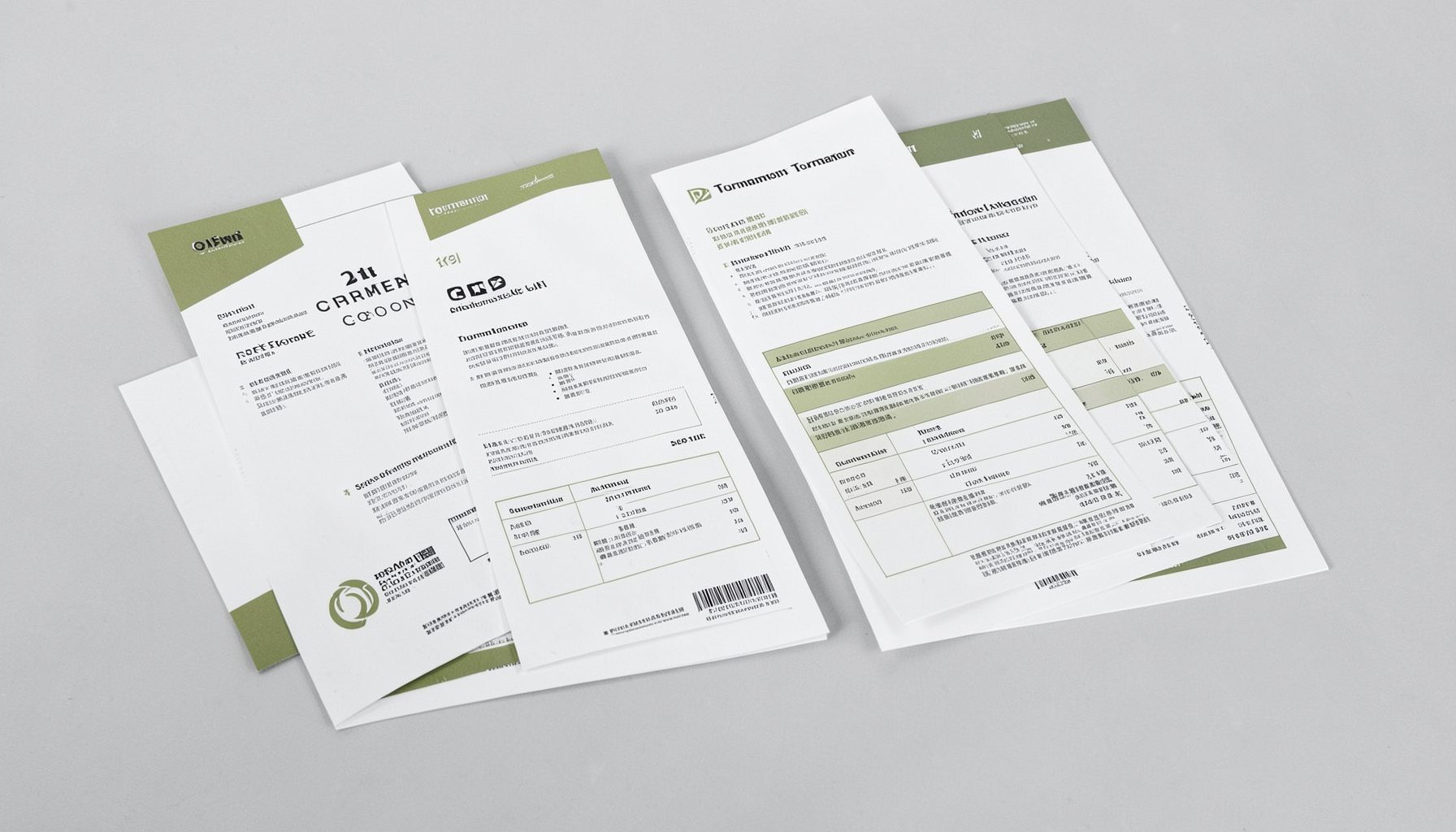
Tournament Packets
Packets from previous Kill Team events are kept here alongside new packets for upcoming tournaments, so organizers and players have what they need in one place.
View Event Data