
Live-streamed games, recorded matches, and event data gathered in one place.
Kill Team Stream hosts quality live streaming of Kill Team content — tournaments throughout the year on Twitch, regular games streamed to the channel, and tournament data gathered so players can see what's happening in the scene. Powered by WARHAMMER.
Browse tournamentsOfferings
Tournaments
Multiple Kill Team tournaments hosted throughout the year, all live-streamed on our Twitch channel.
Videos
Streams are recorded and uploaded to YouTube alongside original video content we produce.
Event Data
Tournament packets from past events plus resources for upcoming Kill Team tournaments.
Site Directory
Kill Team Core Rules Changes That Matter On The Table
The new Kill Team core rulebook changes more than a few technical details. It reshapes how players read the battlefield, plan an activation sequence, score primary objectives, and judge whether a risky play is worth giving up board control. For returning players, familiar concepts remain visible, but their relationships have changed enough to make old habits unreliable.
The result is a game that rewards deliberate positioning and clearer timing. A strong team still needs efficient operatives, useful abilities, and a coherent game plan, yet victory increasingly depends on understanding the order in which decisions happen. The rules are built to make each turning point feel consequential rather than allowing one player to solve the entire round in advance.
That matters for competitive players, tournament organizers, and anyone learning through streamed games. A match can look fast on screen, but the important decisions are often hidden in movement distances, conceal orders, objective timing, and the choice to spend a valuable action before the opponent has responded.
The Core Structure Is Easier To Read
The biggest change is the clearer separation between phases of a turning point. Initiative, Strategy, Firefight, and Turning Point End each have a distinct purpose, which makes it easier to understand when a rule can be used and when a player has missed its window.
The Initiative phase establishes who controls the tempo. Winning the roll does not guarantee a successful turning point, but it gives a player the first opportunity to shape the exchange. The Strategy phase then lets both players commit to strategic ploys and broader resources before operatives begin taking actions.
The Firefight phase remains the center of the game. Operatives activate one at a time, so every move, shot, charge, or mission action can change the value of the next activation. This alternating structure keeps both players involved and makes initiative a resource to manage rather than a simple bonus.
The end-of-turn sequence also carries more weight than new players may expect. Conditions are checked, objectives are scored, statuses are updated, and temporary effects expire. A player who reaches an objective early may still lose its value if the operative is removed, displaced, or unable to satisfy the scoring condition at the correct point.
Activation Order Has Become A Strategic Weapon
The new rules place greater emphasis on activation sequencing. Players must decide whether to use a key operative immediately, preserve it as a threat, or activate a less important model to force the opponent to reveal their plan. This turns every ready operative into a question mark for the opposing player.
A forward operative may be able to charge, fight, and contest an objective, but activating it first could expose the model to a counterattack. A concealed specialist may seem passive, yet holding that activation can protect a mission action or threaten a late-turn objective swing. The strongest choice is often the one that preserves several options.
This also changes how players evaluate combat. Removing an enemy model is useful, but it is not automatically the best activation. A dash onto an objective, a mission action, or a move that blocks a route can be worth more than a low-probability attack. Competitive Kill Team rewards players who connect damage, movement, and scoring instead of treating them as separate systems.
The practical lesson is to plan in short sequences. Rather than mapping out an entire turning point, identify the next two or three decisions that must succeed. This reduces the impact of unexpected reactions and makes it easier to adapt when a shooting attack fails or an opponent contests a position.
Movement, Cover, And Visibility Demand Precision
The updated terrain and visibility language encourages players to treat the board as a tactical puzzle. Cover is not simply a decorative feature or a place to hide. It affects how operatives are seen, how shooting attacks are resolved, and whether a model can safely perform an objective action.
Players should distinguish between being concealed, being in cover, and being fully protected by terrain. These ideas interact, but they are not interchangeable. An operative can occupy a defensible position and still be vulnerable if the attacker has the correct line of sight or a rule that changes how cover is used.
Movement planning is equally important. A move that appears to reach an objective may fail because of a corner, a barricade, or the distance required to finish a mission action. Measuring before committing is essential, particularly when a model needs to move, pick up an item, and still have enough action points to survive the opponent’s response.
Terrain layouts therefore become part of list and mission strategy. Open boards increase the value of ranged threats and mobility, while dense boards make charges, short-range weapons, and durable specialists more attractive. Watching tournament coverage can help players see how experienced competitors use the same terrain rules differently depending on the mission and team matchup.
| Area Of Play | What The New Approach Emphasizes | Common Mistake |
|---|---|---|
| Initiative | Controlling the order of important decisions | Treating the roll as an automatic win |
| Activation | Preserving options and forcing reactions | Activating the strongest operative first every time |
| Movement | Measuring routes, objectives, and escape paths | Assuming a model can reach a point without checking |
| Cover | Reading visibility and protection together | Treating concealed as completely untargetable |
| Combat | Weighing damage against mission value | Taking attacks that do not improve the position |
| Scoring | Planning when an objective becomes valuable | Leaving scoring actions until the final activation |
Shooting And Fighting Reward Better Risk Assessment
Combat remains familiar at a glance: attacks are rolled, defensive dice are generated, and successes are resolved according to the weapon or rule involved. The important change is how combat fits into the wider game. A successful attack must be judged by what it accomplishes on the board, not just by how much damage it deals.
Shooting is strongest when it removes a model that controls space, carries an item, threatens a specialist, or prevents an objective action. A high-damage weapon may be less useful against a concealed target than a lower-damage attack that can reliably chip away at an operative or force it into a weaker position.
Fight actions require similar discipline. Entering combat can protect an operative from enemy shooting, but it may also lock both models in a location that has little scoring value. Players should consider who benefits from the engagement, whether either model can disengage, and what the surviving operative will do during the next turning point.
Critical hits and special weapon rules can create dramatic swings, but they should not replace probability management. Strong players create situations where a roll has several acceptable outcomes. They use cover, positioning, and support to ensure that a failed attack does not immediately lose the game.
Mission Actions And Scoring Shape The Battle
The core rulebook changes are especially visible in mission play. Objectives are no longer just locations to occupy at the end of a round. They are often connected to actions, tokens, carried items, control thresholds, or timing windows that force players to expose valuable operatives.
This creates a more balanced tension between aggression and scoring. A team that focuses entirely on eliminating enemies may fall behind on victory points, while a team that ignores combat can lose the operatives needed to complete mission actions. The best game plans combine pressure with a realistic route to primary and secondary objectives.
Tac Ops and mission-specific tasks should be considered during deployment, not after the first turning point. A player should know which operatives are suited to the required actions, which lanes provide safe access, and what the opponent can do to interrupt the plan. If a secondary objective depends on a fragile specialist surviving, that model may need to play a supporting role rather than chase an early attack.
For tournament players, scoring awareness also improves commentary and review. A match that appears one-sided because one team has lost more operatives may still be close if the remaining models control the correct objectives. Following victory points, available actions, and likely endgame positions gives a more accurate picture than counting casualties alone.
Team Rules Still Need A Fresh Reading
The core rules provide the framework, but faction rules determine how that framework feels in practice. Operative abilities, team-specific ploys, equipment, strategic options, and bespoke mission tools can alter the value of movement, concealment, combat, or initiative.
Players returning from an earlier edition should avoid importing assumptions about their favorite team. A specialist that previously dominated through shooting may now need better support or more careful activation timing. A melee operative may gain value from the new mission structure, while a durable objective holder may become less effective if the opponent can bypass it rather than fight directly.
Equipment choices deserve particular attention. Universal equipment can fill a weakness, improve consistency, or open a route to an objective, but taking several defensive options may leave a team without the mobility needed to execute its plan. Faction equipment should be evaluated according to the mission and terrain rather than selected from a fixed list every game.
Before a tournament, read the full team rules alongside the core rules. Pay attention to exact timing words such as “when,” “after,” “during,” and “until the end of the turning point.” Many competitive interactions are decided by timing rather than by the headline effect of an ability.
A Practical Way To Learn The New Rules
Learning through complete games is more effective than memorizing isolated pages. Use a small number of repeatable checks during each turning point, then review the decisions that changed the score or exposed an operative.
- Before deployment, identify the safest routes to primary objectives and the lanes that threaten key specialists.
- At the start of each turning point, decide which operative must activate early and which one should remain ready as a counter-threat.
- Before every attack, ask whether the result improves scoring, removes a major threat, or protects an important lane.
- Record missed mission actions, failed measurements, and unused ploys so they can be reviewed after the game.
- Watch competitive matches with the rules in hand and pause before major activations to predict the likely choice.
This process builds rules fluency without turning every game into a lecture. It also helps separate genuine rules changes from differences caused by team design, mission selection, or terrain layout.
The best review question is simple: what did each player gain from the activation? The answer might be a casualty, a point, a protected position, information about an enemy operative, or control of the next decision. Thinking in those terms makes the new edition easier to follow and easier to improve at.
The new Kill Team core rulebook rewards players who treat the battlefield as a sequence of connected choices. Learn the timing windows, measure movement carefully, read cover precisely, and value mission progress as highly as damage. Then put those principles into practice by following streamed matches, studying tournament results, and testing your decisions in organized play.
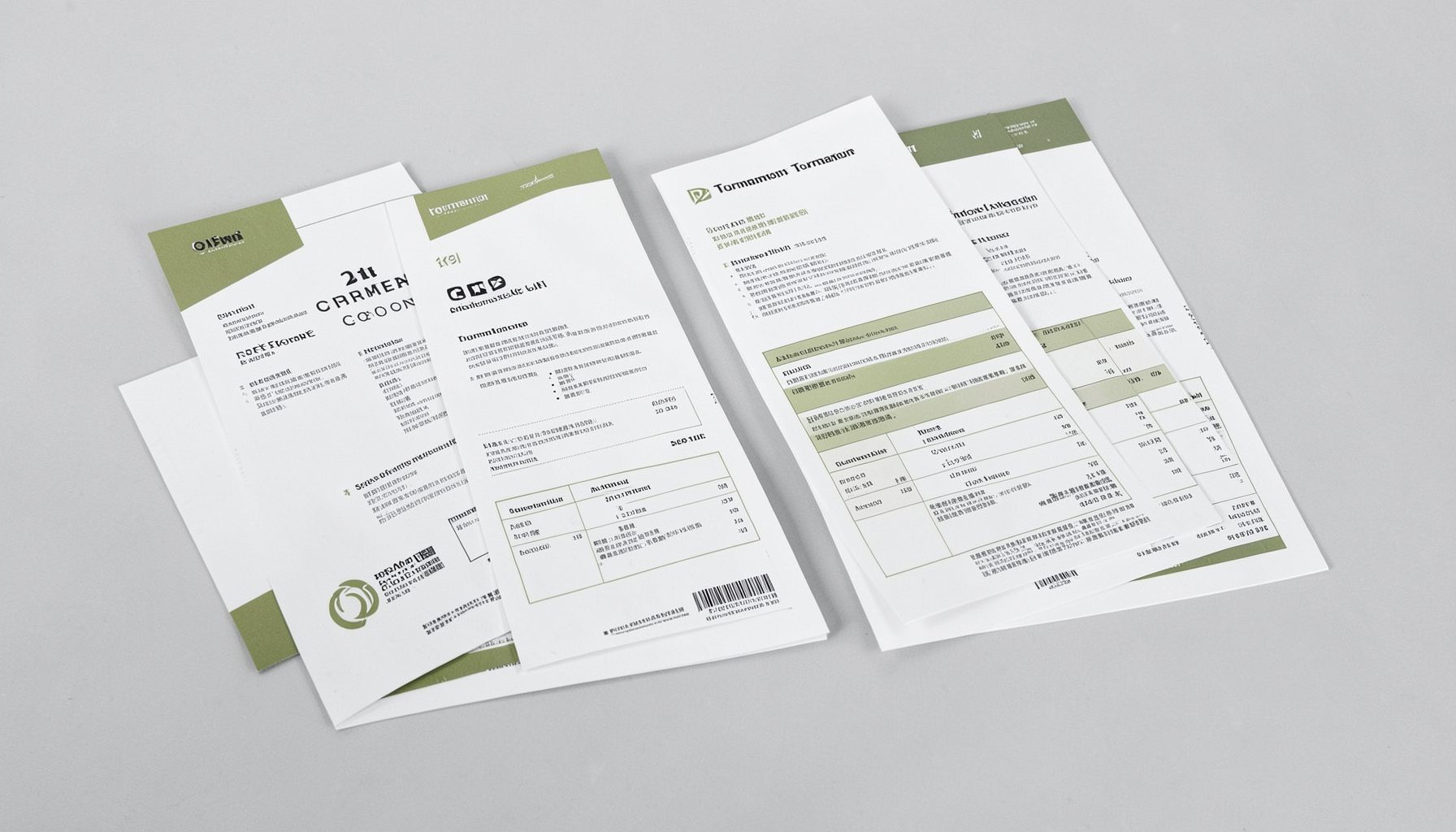
Tournament Packets
Packets from previous Kill Team events are kept here alongside new packets for upcoming tournaments, so organizers and players have what they need in one place.
View Event Data