
Live-streamed games, recorded matches, and event data gathered in one place.
Kill Team Stream hosts quality live streaming of Kill Team content — tournaments throughout the year on Twitch, regular games streamed to the channel, and tournament data gathered so players can see what's happening in the scene. Powered by WARHAMMER.
Browse tournamentsOfferings
Tournaments
Multiple Kill Team tournaments hosted throughout the year, all live-streamed on our Twitch channel.
Videos
Streams are recorded and uploaded to YouTube alongside original video content we produce.
Event Data
Tournament packets from past events plus resources for upcoming Kill Team tournaments.
Site Directory
Texas Hold’em And Omaha: Rules, Strategy, And Game Flow
Poker offers several formats that share familiar foundations while creating very different decisions at the table. Texas Hold’em and Omaha are the two most widely discussed variants, and the distinction between them becomes clear as soon as players compare their private cards, possible combinations, and betting choices.
Both games use community cards and follow the same broad sequence: pre-flop, flop, turn, and river. Players must still evaluate position, pot odds, opponents’ tendencies, and the strength of a completed hand. The number of hole cards, however, changes the entire rhythm of a hand.
For readers who enjoy analysing competitive games, poker provides a useful example of how small rule changes can reshape strategy. Much like studying a Kill Team match, the important details are often found in positioning, timing, probability, and the way each decision affects the next phase of play.
Mafia Casinò presents a broad online gaming environment with poker-related table action alongside slots, live casino games, crash titles, and other formats. Its offer includes more than 3,500 games from different providers, mobile access, several payment methods, customer support, and promotional campaigns that may vary according to the applicable terms.
The Core Rules Of Texas Hold’em
In Texas Hold’em, every player receives two private cards, known as hole cards. Five community cards are then revealed in stages: three on the flop, one on the turn, and one on the river. The goal is to make the strongest five-card poker hand using any combination of the seven cards available.
A player may use both hole cards, one, or neither. For example, a board showing a complete straight may give every remaining player the same five-card hand, even if their private cards do not improve it. This freedom makes Hold’em relatively accessible because players can quickly understand how the board interacts with their starting hand.
The betting structure is also central to the experience. Pre-flop decisions are based on limited information, while later streets provide more evidence about possible draws, pairs, sets, and made hands. Position matters greatly: acting later usually provides more information before a player commits chips.
How Omaha Changes Hand Construction
Omaha usually gives each player four hole cards instead of two. The community cards are dealt in the same pattern as Hold’em, but there is a crucial restriction: players must use exactly two hole cards and exactly three community cards to create their final five-card hand.
That rule produces frequent misunderstandings among new players. If the board contains four hearts and a player holds only one heart, that player does not have a flush in standard Omaha. Two hole cards of the same suit are required, and three cards of that suit must appear on the board.
The additional private cards create a much larger number of possible combinations. Players can hold several draws at once, such as a straight draw combined with a flush draw, or multiple ways to improve to a full house. As a result, Omaha hands often develop into high-equity confrontations with more potential outs than a typical Hold’em hand.
Comparing Starting Hands And Equity
A strong starting hand in Hold’em may be a premium pair, a high suited combination, or connected cards with good potential. In Omaha, the best hands are usually coordinated across all four hole cards. A hand with a high pair and three unrelated cards can be less useful than a connected double-suited holding that supports several post-flop possibilities.
The table below highlights the main practical differences between the two formats:
| Feature | Texas Hold’em | Omaha |
|---|---|---|
| Private cards | Two | Four |
| Cards used at showdown | Any five from available cards | Exactly two hole cards and three board cards |
| Typical hand strength | Made hands can remain competitive | Strong draws and made hands are common |
| Variance | Moderate to high | Often higher |
| Starting-hand priority | Individual card strength and position | Coordination, connectivity, and suits |
| Bluffing environment | More straightforward | More dependent on blockers and redraws |
| Beginner difficulty | Easier to learn | More complex to evaluate |
In Hold’em, pocket aces are usually a premium pre-flop holding. In Omaha, aces need support from the other two cards, preferably through suits, connected ranks, or additional pairs. A hand such as A-A-7-2 with no useful coordination may be vulnerable after the flop, especially when several opponents can hold powerful draws.
Equity can also be deceptive. A hand may be ahead on the flop but still have many dangerous turn and river cards to face. This is one reason Omaha players frequently assess the quality of their draw, the possibility of redraws, and whether a made hand can survive future action.
Betting Strategy And Position
The difference between Hold’em and Omaha is especially visible in betting strategy. In Hold’em, a player can often represent a narrow range of strong hands. In Omaha, the number of possible combinations is much broader, so a bet may represent a set, a wrap draw, a nut flush draw, two pair with redraws, or a powerful combination of these holdings.
A “wrap” is a straight draw involving many possible cards. For example, a coordinated Omaha hand can produce a draw with a large number of outs, giving the player substantial equity even against a made set. This makes pot-limit Omaha, the most common Omaha format, highly tactical: the pot can grow quickly, but betting limits prevent unlimited pre-flop escalation.
Position remains valuable in both games. Acting later allows a player to observe checks, bets, and raises before choosing a line. The advantage is often even more pronounced in Omaha because the player must interpret a wider range of possible holdings and future cards.
Players who enjoy reviewing tactical decisions can find useful parallels in competitive gaming analysis. A close assault review shows how timing and positioning can determine whether an aggressive plan succeeds, much like selecting the right moment to pressure an opponent in a poker pot.
Bluffing, Draws, And Risk Management
Bluffing in Hold’em often depends on representing a credible range and applying pressure to hands that cannot withstand several streets of action. A dry board can be useful for a continuation bet because it may have missed many starting hands. In Omaha, boards are frequently more coordinated, giving opponents more legitimate ways to continue.
This does not make bluffing impossible. It changes the information required. Blockers become important because holding a particular card can reduce the number of strong combinations available to an opponent. A player holding the ace of a relevant suit may be better placed to bluff on a flush-completing board, especially when the betting story is consistent.
Risk management should guide every format. A draw is not automatically worth chasing, and a strong-looking hand may be vulnerable when several opponents remain in the pot. Players should establish a budget, understand the stakes, and avoid treating gambling as a way to recover losses. Online casino play should be limited to adults and approached as entertainment rather than income.
Mafia Casinò advertises a welcome offer of up to €500 plus 200 free spins, as well as cashback and weekend deposit promotions. Bonuses, wagering conditions, eligibility rules, and withdrawal requirements can apply, so players should review the relevant terms before depositing or using any promotional balance.
Choosing Between The Two Formats
Texas Hold’em is often the natural starting point because its hand construction is intuitive and its strategic concepts are easier to isolate. New players can focus on position, starting-hand selection, pot odds, and board texture without first accounting for four private cards and the exact-two-card Omaha requirement.
Omaha suits players who enjoy complex combinations, frequent draws, and hands that can change dramatically from one street to the next. It rewards careful evaluation of nutted hands, redraws, blockers, and equity against a range. The learning curve is steeper, but the format offers substantial depth for players who enjoy detailed analysis.
For users who prefer playing on a larger screen or switching between different gaming categories, mafia casinò per tablet is promoted as a convenient option. The platform also advertises mobile apps, alternative mirror links, live casino content, table games, and payment methods designed for online access, subject to availability and local requirements.
The best choice depends on the type of decision-making a player finds most engaging. Hold’em generally presents clearer situations and more room for straightforward range pressure. Omaha creates denser tactical puzzles in which a hand’s apparent strength must be tested against draws, blockers, and possible redraws.
A Practical Learning Path
A sensible way to learn Hold’em is to begin with hand rankings, starting ranges, position, and the relationship between pot size and bet size. Reviewing recorded hands can reveal why a player continued, folded, or raised before the outcome was known. The quality of a decision should be judged by its information at the time, rather than only by the final card.
For Omaha, learners should first master the exact-two-hole-card rule. They can then study coordinated starting hands, nut potential, wrap draws, flush draws, and the danger of non-nut holdings. Tracking how many clean outs remain is more useful than simply counting every card that appears to improve the hand.
Tournament coverage and community analysis can make these concepts easier to apply. Kill Team Stream’s focus on live events, recorded matches, standings, and strategic commentary reflects the same value of reviewing decisions in context. Whether analysing a poker hand or a competitive mission, attention to sequencing often reveals why an apparently small choice shaped the entire result.
Both variants reward patience and disciplined observation. Hold’em offers a clear route into community-card poker, while Omaha expands the number of possible lines and creates more volatile confrontations. Understanding the rule difference, selecting suitable stakes, and maintaining responsible play are the foundations for enjoying either format.
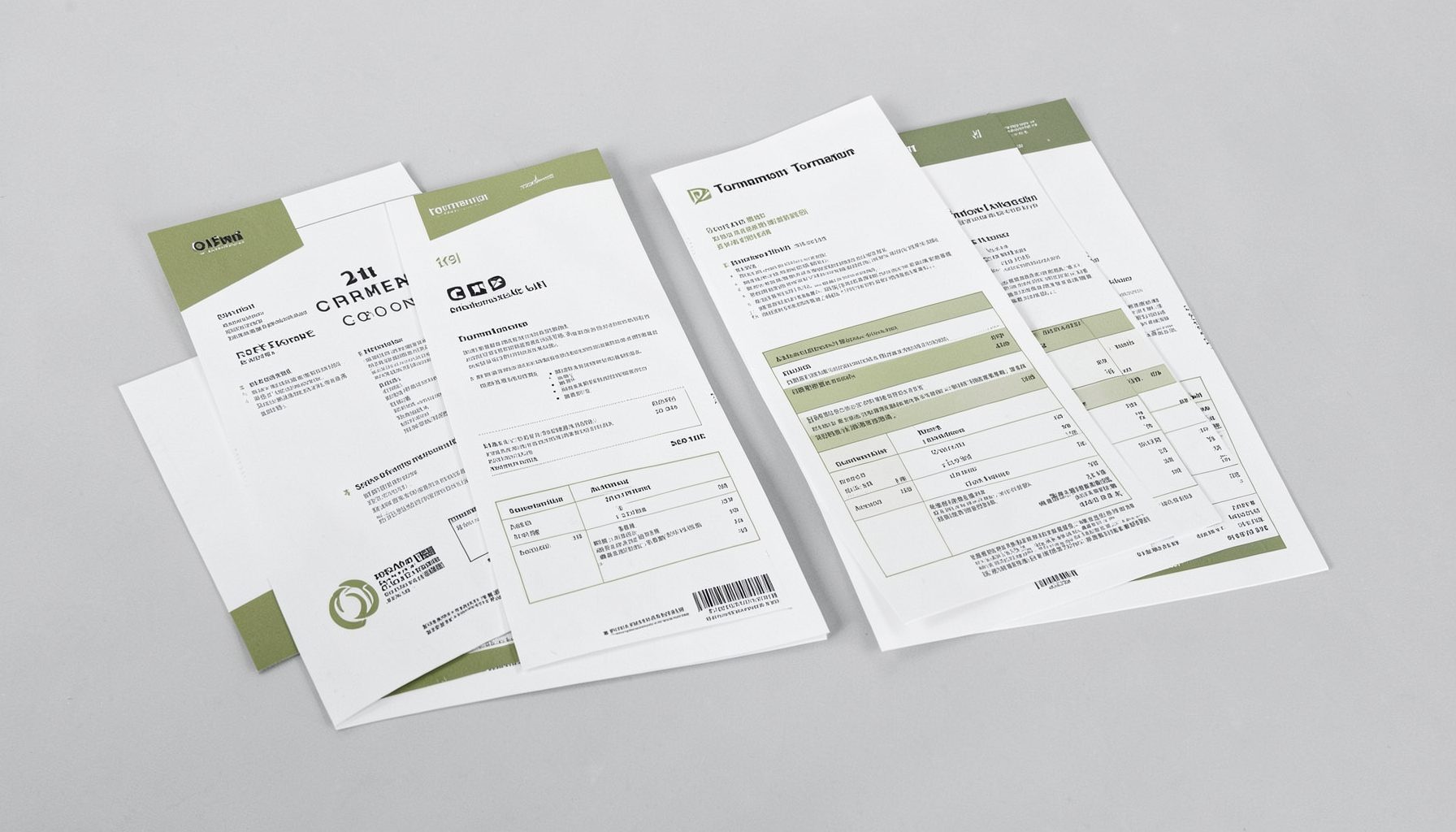
Tournament Packets
Packets from previous Kill Team events are kept here alongside new packets for upcoming tournaments, so organizers and players have what they need in one place.
View Event Data