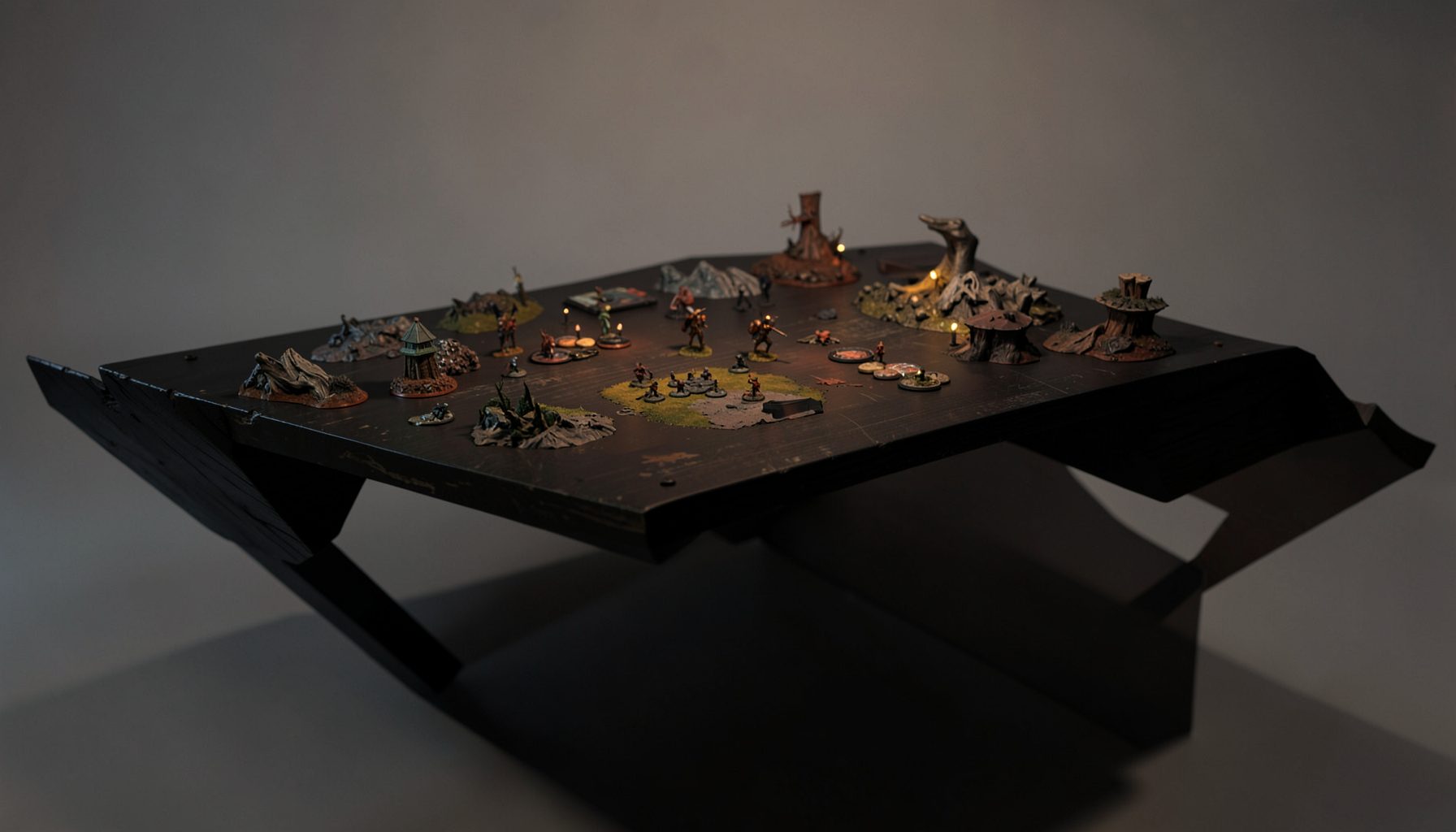
Live-streamed games, recorded matches, and event data gathered in one place.
Kill Team Stream hosts quality live streaming of Kill Team content — tournaments throughout the year on Twitch, regular games streamed to the channel, and tournament data gathered so players can see what's happening in the scene. Powered by WARHAMMER.
Browse tournamentsOfferings
Tournaments
Multiple Kill Team tournaments hosted throughout the year, all live-streamed on our Twitch channel.
Videos
Streams are recorded and uploaded to YouTube alongside original video content we produce.
Event Data
Tournament packets from past events plus resources for upcoming Kill Team tournaments.
Site Directory
Build A Competitive Kill Team On A Budget
Building a competitive Kill Team does not have to mean buying every new release, collecting multiple factions or spending heavily on premium hobby supplies. A focused purchase plan can produce a legal, enjoyable and tournament-ready force while leaving room in the budget for event fees, transport and the occasional takeaway after game night.
The most effective approach is to spend on decisions that affect games: a suitable faction, the correct operative options, reliable equipment and enough practice to understand your team. Hobby presentation still matters for enjoyment, but a beautifully painted collection will not compensate for an unfocused roster or unfamiliar rules.
Start with the rules before buying models
Before choosing a faction, read the current team rules, balance updates, approved operations and event pack used by local tournaments. Kill Team changes over time, so advice based on an older edition or a previous balance state can lead to expensive purchases that no longer match competitive expectations. Official downloads, tournament packets and community discussions are useful starting points.
Look for a team with a clear game plan and a manageable number of operatives. A team that relies on a small set of essential specialists is often cheaper and faster to learn than one requiring several build options from multiple kits. Teams with straightforward movement, shooting or objective plans can also produce better results while you are still learning the fundamentals.
The faction guide for beginners can help narrow the field before you compare prices. Treat any recommendation as a starting point, then check current rules and local event preferences. A faction that suits your decision-making style will usually provide better value than a theoretically powerful team you dislike playing.
Choose a box with useful options
The strongest budget purchase is usually a single box that supplies the full team, or nearly all of it, with meaningful operative choices. Study the sprue contents and assembly instructions before ordering. Some kits include specialists that are essential in competitive play, while others contain alternate builds that are rarely used. Knowing this prevents you from paying for options that will stay in the bits box.
A team with interchangeable arms, separate heads or easy-to-magnetise weapons can be more flexible, but magnets are not compulsory. For a first force, build the options most commonly used in current competitive rosters and keep unused parts labelled in a small zip-lock bag. If rules change, those spare components may become valuable later.
Kill Team is often played with a fixed operative limit, so avoid buying extra models simply because the box contains them. Extra bodies can be useful for narrative games, but they should not be part of the first purchase unless the team’s rules genuinely require a wider selection. Ask experienced players at your local club which models see regular table time.
Buy second-hand with a checklist
The Australian second-hand market can offer substantial savings through Facebook groups, Gumtree, eBay and local club trading tables. Sydney and Melbourne have large gaming communities, while Brisbane, Adelaide and Perth also host regular events where players sell assembled teams or spare sprues. Buying locally can reduce postage and lets you inspect the models before handing over money.
Check that the models are genuine, complete and built in the intended configuration. Ask for clear photos of weapons, specialist equipment and bases, then compare them with the official contents list. Missing arms or poorly repaired joints can turn a cheap purchase into an expensive restoration project. Models covered in thick paint may be recoverable, but stripping them takes time and can damage delicate details.
Second-hand teams are often excellent for a competitive starting point because somebody else may already have assembled the required specialists. Still, calculate the complete cost, including shipping, cleaning supplies, replacement bases and any missing parts. An apparently cheap listing from interstate may cost more than a discounted new box from an Australian retailer once Australia Post fees are added.
Spend carefully on tools and paint
You do not need a full studio setup to make a tournament-ready team. A sharp hobby knife, plastic cement, small files, a cutting mat and two or three reliable brushes cover most basic assembly and painting tasks. If money is tight, use a household palette, an inexpensive lamp and a simple brush soap rather than buying every branded accessory at once.
For paint, start with a primer, a main colour, a dark shade, a light highlight and colours for weapons and bases. A limited palette creates visual consistency and makes the team faster to finish. Spray primers can be useful, although Australian weather matters: very hot, humid or windy conditions can affect the finish, so follow the product instructions and avoid spraying in unsuitable conditions.
Paint quality has little influence on competitive performance, but unfinished models can make identification difficult during a match. Aim for clean, readable details rather than display-standard work. A simple three-colour scheme, tidy bases and clear specialist markings will look strong under tournament lighting and save hours that could be spent learning the team.
Build for the missions, not the catalogue
Competitive value comes from how a roster handles objectives, deployment zones and common threats. Before gluing every model, identify which operatives score, provide reliable ranged pressure, contest areas or create opportunities through unique abilities. A cheap team becomes expensive if its roster lacks the tools needed for the missions played at local events.
Keep a written roster with equipment choices and alternate options. Practise with the same legal team several times instead of constantly changing models after watching a new battle report. Repetition reveals which operatives are essential, which are situational and where your command points or tactical ploys are being wasted.
Terrain is part of the budget calculation as well. You can begin with cardboard, foamboard or household storage boxes arranged safely and consistently, then replace temporary pieces gradually. Many Australian clubs provide terrain, and some stores run events with a shared table setup. Ask about the event standard before buying a large terrain set that will rarely leave home.
Use practice to replace expensive upgrades
Regular games provide more competitive improvement than a second team or a premium carrying case. Watch recorded matches and live tournament streams to study deployment, activation order, concealment, objective timing and the way experienced players trade operatives. Pause videos before key decisions and predict what you would do, then compare your choice with the player’s action.
Local communities are particularly valuable for budget players. Games nights at a friendly local game store, university club or community hall can offer opponents with different styles without requiring travel to every major event. In Melbourne, Sydney and Brisbane, competitive groups often share advice on roster construction and terrain, while smaller regional communities may provide more relaxed opportunities to learn fundamentals.
Keep a short record after each game: the mission, your deployment, the first major mistake and one decision that worked. This costs nothing and gradually builds a personal strategy guide. It also helps separate genuine roster weaknesses from errors caused by unfamiliarity. Many players spend money searching for a stronger faction when better positioning would have solved the problem.
Plan Australian tournament costs
A realistic budget includes more than miniatures. Add event entry, transport, food, sleeves or roster cards, dice, objective markers and a way to carry the team safely. A one-day tournament in another suburb may be affordable, while travelling from regional New South Wales to Sydney or flying from Perth to the east coast requires a different calculation. Choose nearby events while developing your skills.
Look for store discounts, loyalty programmes, free-shipping thresholds and second-hand tables at tournaments. Australian retailers sometimes offer better value through starter bundles or seasonal sales, but compare the final delivered price rather than relying on the advertised discount. Splitting a large order with club members can reduce postage, provided everyone agrees on payment and delivery arrangements.
Protect finished models with a small plastic storage container, foam, or even carefully cut household sponge. Label specialist operatives and pack tokens separately so setup is quick. Saving a little on transport and accessories can fund several extra events, and tournament experience usually improves competitiveness more than buying a second set of premium paints.
Upgrade only when a weakness is proven
After several games, review what your team actually lacks. You may discover that a missing operative option is holding back your roster, or that the real problem is insufficient practice with mission actions. Buy the smallest upgrade that addresses the repeated issue. This might be a single model, a shared box, alternate bases or a small set of objective markers rather than a complete new faction.
Avoid chasing every balance update immediately. Competitive players often test changes before the wider community understands them, and early enthusiasm can make a previously affordable team seem obsolete. Wait for clear evidence from local results, tournament streams and your own games. A well-practised roster with sensible choices can remain effective through minor rules changes.
The best budget collection is compact, legal and familiar. One carefully chosen team, basic hobby equipment, reliable terrain access and regular games can provide a strong path into competitive Kill Team. Spend first on opportunities to play, then on upgrades that solve observed problems, and your results will reflect decisions at the table rather than the size of your shopping list.
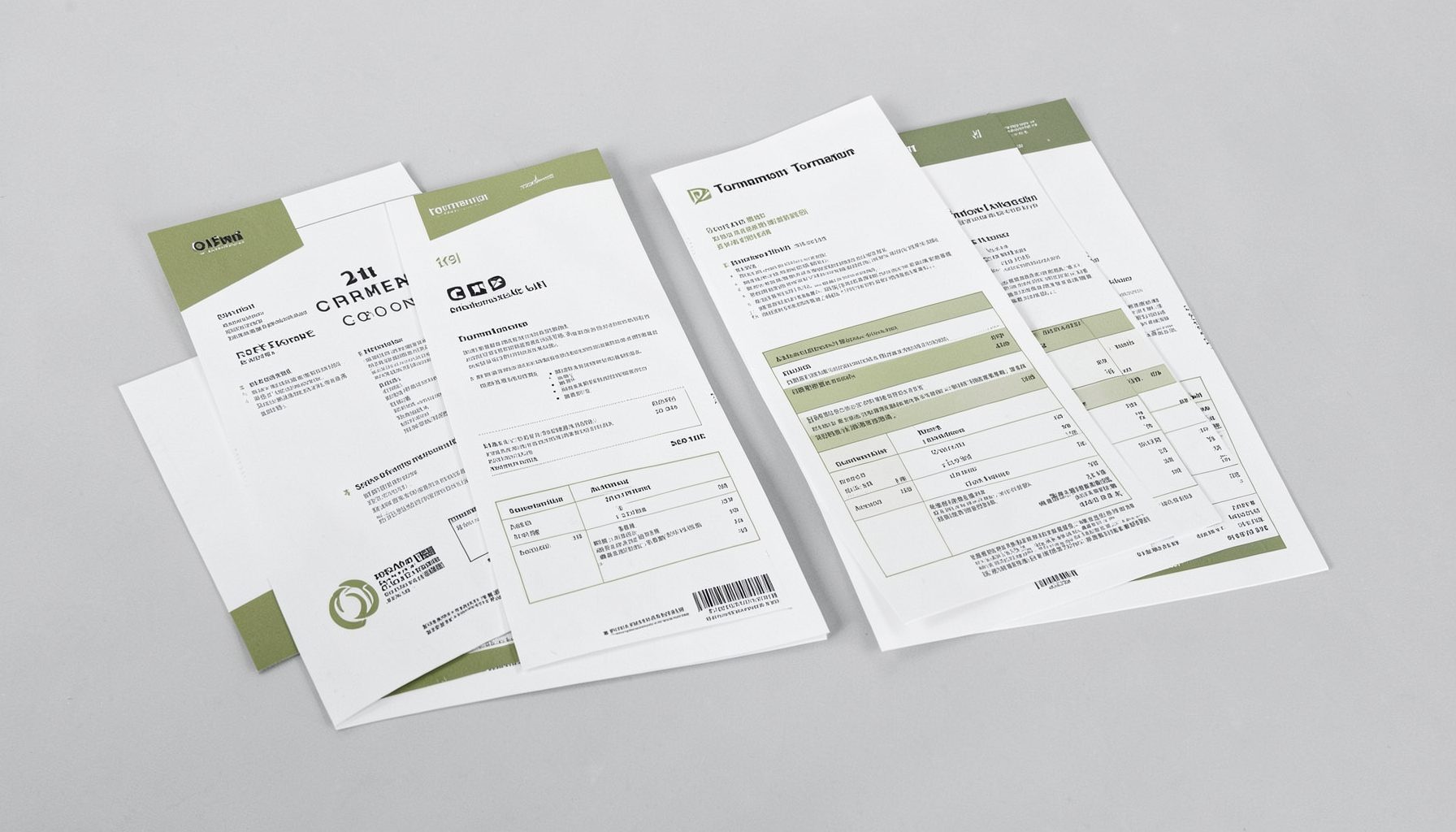
Tournament Packets
Packets from previous Kill Team events are kept here alongside new packets for upcoming tournaments, so organizers and players have what they need in one place.
View Event Data