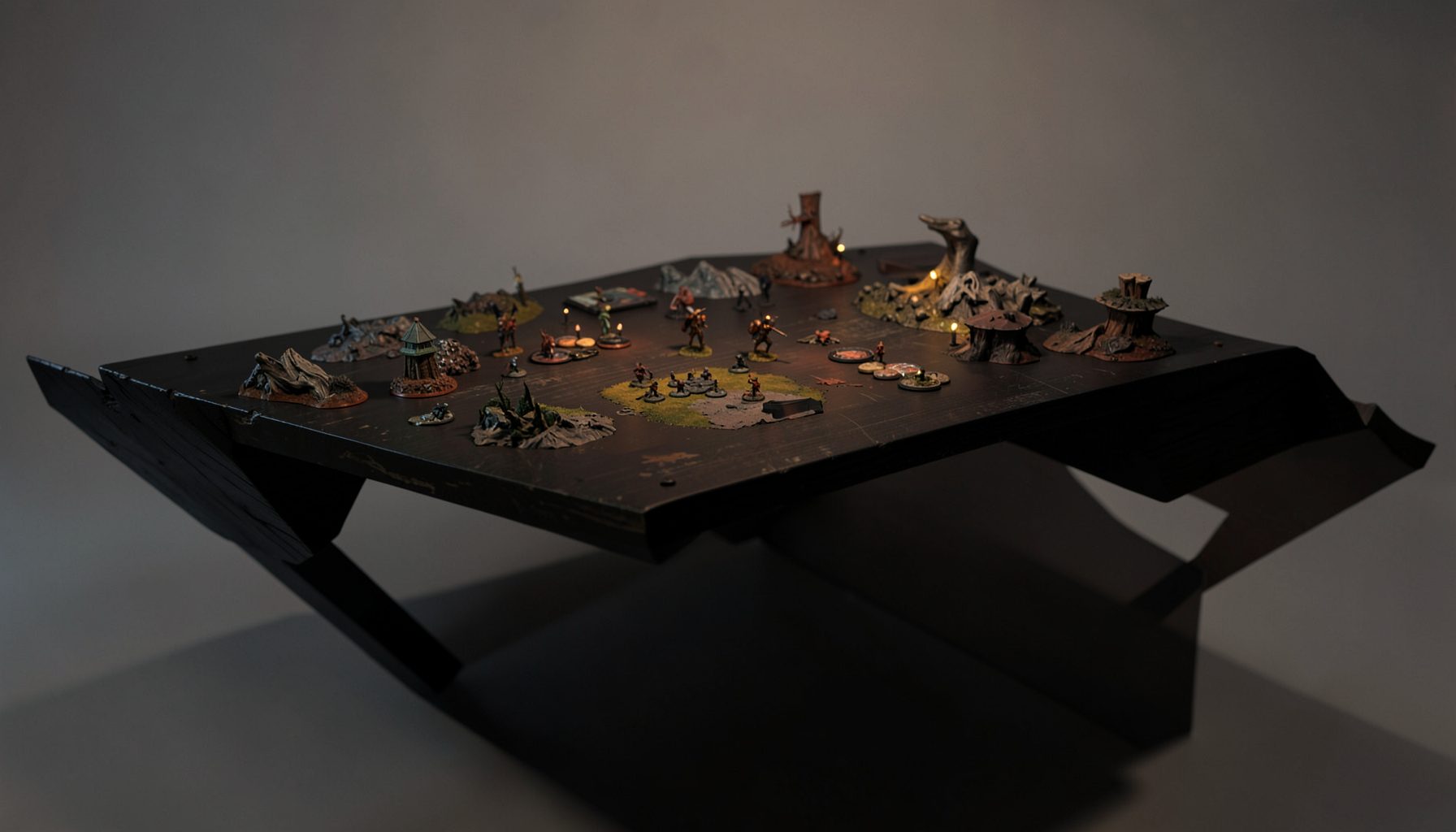
Live-streamed games, recorded matches, and event data gathered in one place.
Kill Team Stream hosts quality live streaming of Kill Team content — tournaments throughout the year on Twitch, regular games streamed to the channel, and tournament data gathered so players can see what's happening in the scene. Powered by WARHAMMER.
Browse tournamentsOfferings
Tournaments
Multiple Kill Team tournaments hosted throughout the year, all live-streamed on our Twitch channel.
Videos
Streams are recorded and uploaded to YouTube alongside original video content we produce.
Event Data
Tournament packets from past events plus resources for upcoming Kill Team tournaments.
Site Directory
Building a Kill Team roster for every mission type
A strong Kill Team roster is built for decisions, not decoration. The best-looking collection can still struggle if every operative performs the same job, if the team lacks reliable objective control, or if its strongest pieces depend on a single deployment pattern. A flexible roster gives you credible options before the first turning point begins.
Mission variety makes this especially important. A team may need to score safely from cover in one game, cross the board quickly in the next, or remove a key enemy operative before it can disrupt an objective. Your roster should contain answers to these demands while remaining practical for the faction’s activation economy, weapons and ploys.
For Australian players, roster planning also needs to fit local tournament conditions. Events in Melbourne, Sydney, Brisbane, Perth and Adelaide can involve different terrain layouts, travel distances and player pools. A compact, well-tested collection is often easier to carry on a domestic flight than a large case full of models chosen for theoretical possibilities.
Kill Team Stream’s tournament coverage, recorded matches and event resources can help connect those theory choices with actual table behaviour. Watching competitive games reveals which operatives consistently create pressure, which specialists need protection, and how experienced players adapt when a mission does not favour their preferred game plan.
Read the mission before choosing models
Mission types usually reward different forms of pressure. A Seek and Destroy-style mission places greater value on fighting power, angles and target priority. Security rewards dependable control of objectives and the ability to hold ground. Recon tends to favour movement, information and efficient actions, while Infiltration can ask you to contest or reach areas that are difficult to access safely.
The exact scoring rules and mission actions matter more than the label. Read the event packet and identify how many victory points come from objectives, how easy it is to perform mission actions, and whether operatives must survive in particular zones. A powerful combat operative that spends the whole game standing on a home objective may be less useful than a modest model with a reliable action profile.
Before finalising a roster, write down the jobs your team must perform. These may include opening a door, operating a console, carrying an item, screening a vulnerable specialist, contesting a central objective and eliminating an enemy leader. If one operative is the only model capable of a vital task, your plan is fragile. Whenever possible, give at least two models access to each essential function.
Build a roster with distinct battlefield jobs
Start with a dependable core rather than selecting every exciting specialist. Most teams benefit from a leader who can improve activation efficiency or damage output, a durable operative that can occupy dangerous ground, and several models that can score while avoiding unnecessary fights. The core should still function after the first casualty, since missions rarely go exactly to plan.
Then divide the remaining roster into battlefield roles. A mobile operative can reach a distant objective or create a late turning-point play. A long-range shooter can control a corridor and punish exposed movement. A melee threat can discourage enemies from approaching a central point, even when it never makes an attack. A utility operative may provide a smoke effect, a unique mission action or a crucial support ability.
Avoid filling the roster with models that all want the same space. Three short-range fighters may look intimidating, yet they can block one another in narrow corridors and leave you unable to answer a long firing lane. Likewise, several slow heavy operatives may dominate a central brawl while conceding wide objectives. Variety should mean different threat ranges, speeds and activation purposes.
Equipment choices should reinforce those jobs. Accuracy upgrades are valuable on a model expected to fire repeatedly, while defensive equipment belongs on an operative that must survive exposure. Extra movement, climbing assistance or action efficiency can have greater scoring value than a small increase in damage. Consider the mission action first, then decide whether the equipment helps that operative complete it.
Match specialists to mission archetypes
For Seek and Destroy missions, build a clear plan for removing high-value targets without trading your whole team. Include at least one operative that can threaten an enemy leader or elite model, but protect that asset until the target is exposed. A reliable shooter, a concealed attacker or a fighter with a strong charge threat can each fill this role. The key is having a way to create the engagement on your terms.
Security missions place a premium on staying power. Choose operatives that can hold an objective while contributing to nearby fights, and avoid relying entirely on fragile models that collapse after one successful enemy attack. A roster with several competent objective holders can rotate damaged operatives away from danger. This creates scoring options even when the opponent wins an early exchange.
Recon missions reward movement that achieves something. Fast operatives should have clear destinations, such as a flank objective, a vantage point or a position that blocks enemy movement. A model that moves quickly but cannot survive or score may only offer temporary pressure. Include ways to protect mobile pieces, such as obscuring terrain, supporting fire or a second wave that can take over after the first model advances.
Infiltration missions can punish a roster that has no method for contesting forward areas. Look for operatives with deployment flexibility, strong first-turn actions or tools that deny enemy routes. A concealed specialist may be more valuable than a high-damage model if it can reach a scoring zone safely. At the same time, do not send every model forward; retaining a rear guard prevents a quick enemy play against your own objectives.
Test the roster in Australian conditions
Tournament terrain changes the value of each operative. A board packed with ruins and barricades favours models that can move through cover, perform actions efficiently and fight at short range. Open layouts increase the importance of concealment, long-range fire and careful activation order. Ask event organisers for the terrain pack when possible, then practise on something similar rather than testing every game on the same home layout.
Local travel can influence roster size and preparation. A player travelling from Perth to an event on the east coast may need to protect models in carry-on luggage and limit bulky terrain accessories. Someone attending a weekly club night after work in Sydney or Melbourne may prefer a roster that can be packed quickly and set up in a small gaming bag. Australian summers also make heat-sensitive storage relevant: resin parts, adhesives and painted miniatures should not be left in a hot car.
The local market affects replacement and experimentation. Specialist miniatures, paints and equipment may take longer to arrive outside major cities, while postage can make small orders expensive. Build the roster around models you can repair and replace without waiting for an international shipment. When buying from an Australian business, the Australian Consumer Law provides consumer guarantees for products and services, so keep receipts for expensive purchases and check the seller’s terms before committing to a large collection.
Practise with ordinary routines in mind. Weekend tournaments often involve early starts, public transport, café stops and limited time between rounds. A roster that requires a dozen fragile tokens or frequent reference to obscure rules can create avoidable errors when you are tired. Keep a printed or digital roster, mark equipment clearly and use a compact token system that remains readable under venue lighting.
Refine choices from games and events
After each game, record what the roster actually did. Note which operative scored, which model remained unused, and whether a failure came from the roster or from deployment and activation order. If a specialist repeatedly spends the game unable to reach a useful position, the problem may be its speed, its equipment or the terrain assumptions behind your plan.
Review games from strong events to compare your choices with successful patterns. The Grand Tournament lessons can be useful when assessing target priority, turning-point pacing and how competitive players convert small advantages into points. Focus on the decisions rather than copying a list exactly, since a roster’s performance depends on faction rules, terrain and the player’s habits.
A flexible roster should have a primary plan and a fallback plan for every mission family. If the opponent shuts down your shooting lane, you need an alternative route. If your leader is injured early, another operative should be able to coordinate the attack or complete a key action. If you lose the central fight, mobile models should still have a scoring route around the edges.
Make changes gradually. Replacing half the roster after one bad game removes the evidence needed to understand what went wrong. Test one new operative, equipment option or deployment approach across several missions, then compare its contribution with the model it replaced. Over time, this creates a roster that covers mission requirements through repeatable choices rather than hopeful match-ups.
The finished collection does not need an answer to every possible situation. It needs enough movement, durability, ranged threat, close-combat pressure and mission utility to keep scoring when the battle develops unexpectedly. That balance gives you room to adapt, which is the defining quality of a roster prepared for the full range of Kill Team missions.
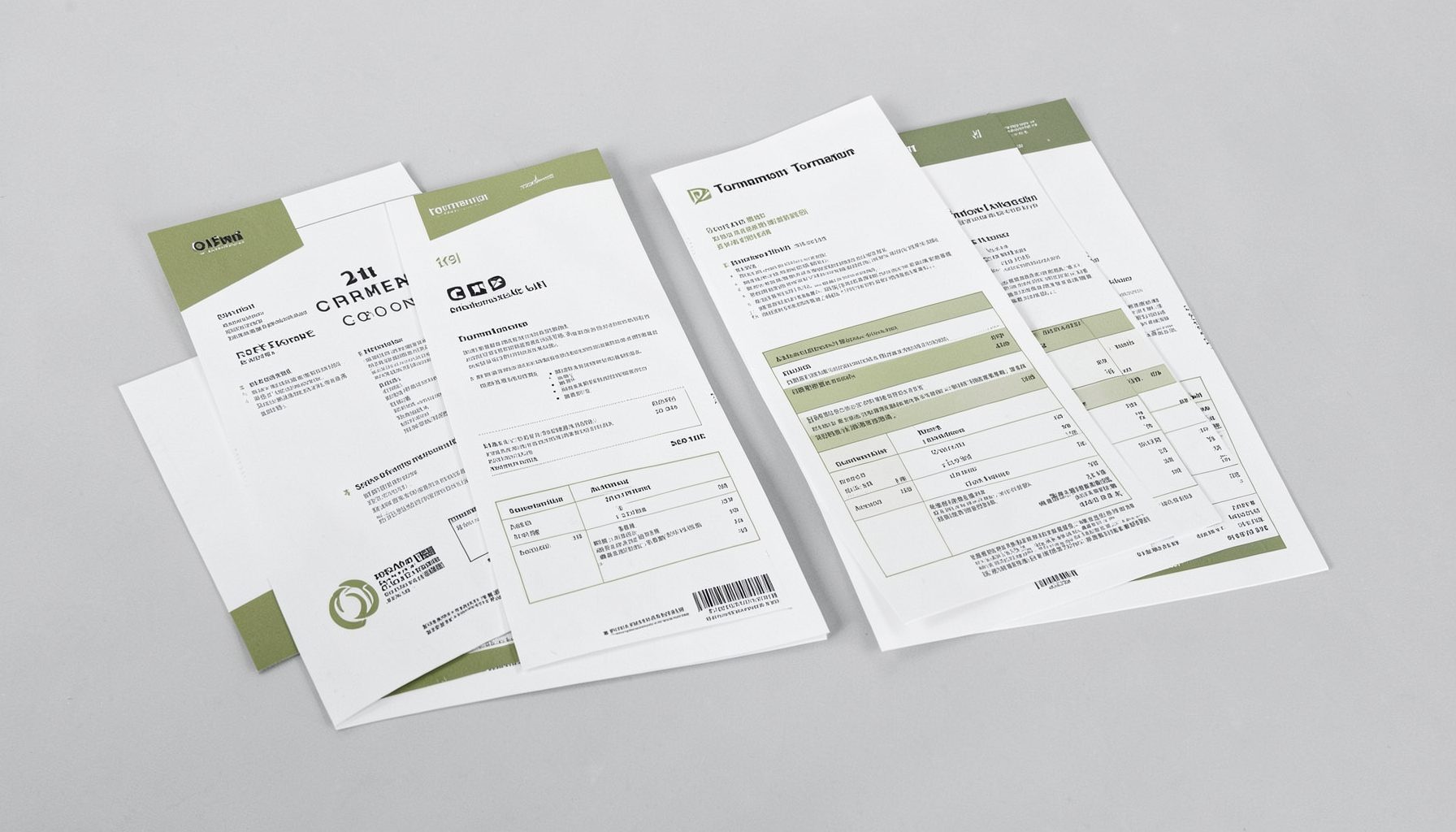
Tournament Packets
Packets from previous Kill Team events are kept here alongside new packets for upcoming tournaments, so organizers and players have what they need in one place.
View Event Data