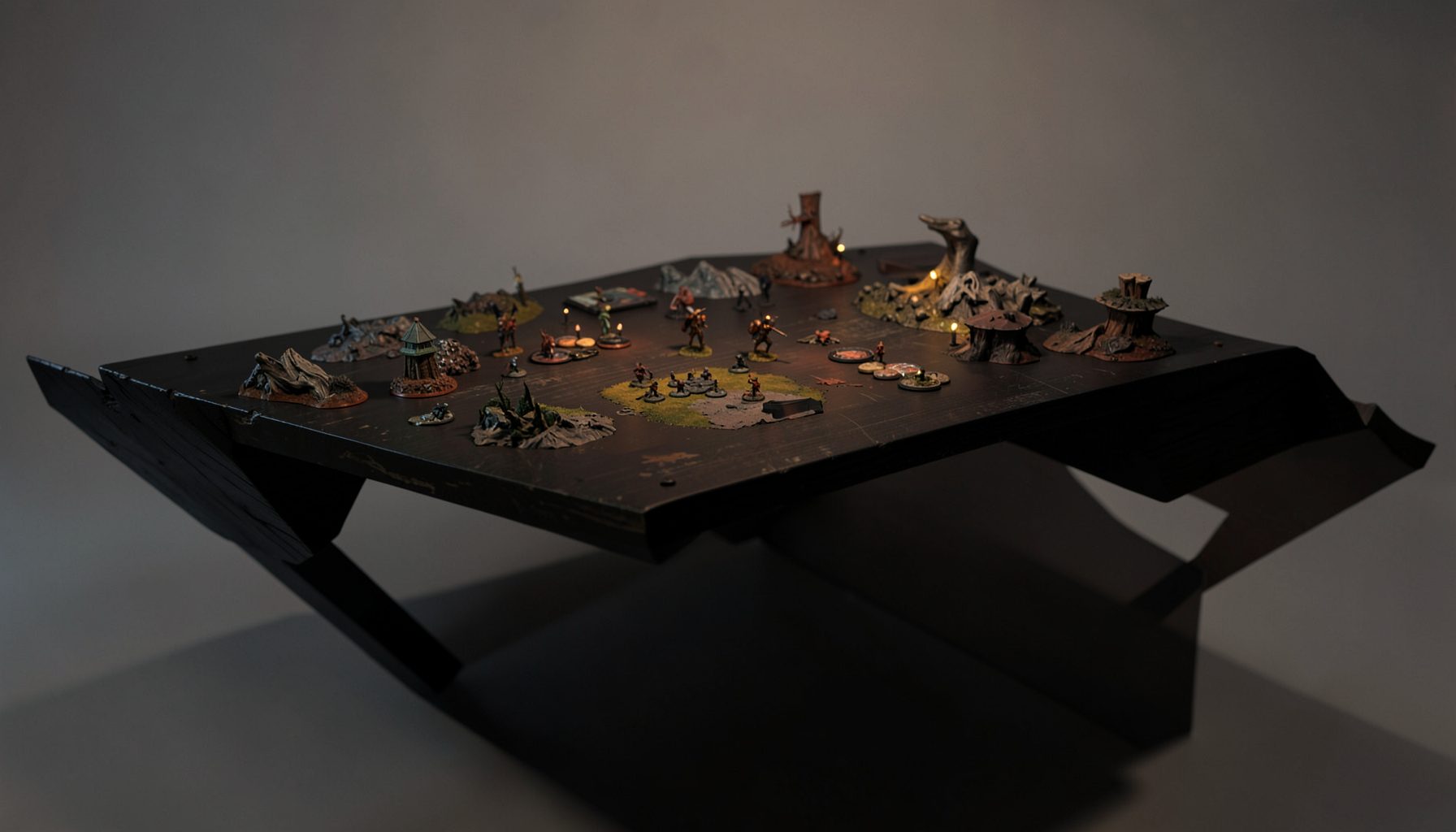
Live-streamed games, recorded matches, and event data gathered in one place.
Kill Team Stream hosts quality live streaming of Kill Team content — tournaments throughout the year on Twitch, regular games streamed to the channel, and tournament data gathered so players can see what's happening in the scene. Powered by WARHAMMER.
Browse tournamentsOfferings
Tournaments
Multiple Kill Team tournaments hosted throughout the year, all live-streamed on our Twitch channel.
Videos
Streams are recorded and uploaded to YouTube alongside original video content we produce.
Event Data
Tournament packets from past events plus resources for upcoming Kill Team tournaments.
Site Directory
Building a Kill Team that excels on the Volkus terrain set
Volkus dropped onto the tournament scene as one of the most vertical and claustrophobic terrain sets Warhammer has ever shipped. Its tangled walkways, shattered tower blocks, and narrow bridges reward teams that can climb, hide, and strike from above. Many Australian players first encountered the board at a weekend event in a Melbourne community hall, or on a club night at a Sydney hobby store, and quickly realised that the usual kitchen-table lists struggle to make the most of the multi-level sprawl.
Streamers based in Brisbane and Perth have been showcasing how to navigate the ruins on camera, often with locals in the chat calling out favourite vantage points. The terrain set changes the rhythm of every firefight because most engagements now take place across chasms rather than across open ground. A Kill Team that worked on the ITD or Octarius boards may suddenly feel clumsy, exposed, and one round behind.
For those still learning the ropes, the https://thelegacypit.com/ storefront has been a popular source of painted terrain pieces and tournament packs. Veterans tend to study the official tournament packet, rewatch stream VODs, and then rebuild their rosters with verticality in mind. The result is a different kind of Kill Team: lean, mobile, and built to exploit the broken skyline of Volkus.
This article walks through the practical steps of shaping a roster for the board. It covers terrain awareness, faction choice, operative loadouts, movement tricks, mission play, and how to drill against the kind of opponents you will meet at Australian competitive events. By the end, you should have a clear framework for assembling a team that feels right at home among the rubble.
Read the board before you choose a faction
Volkus is defined by its gantries, half-collapsed buildings, and the long sightlines that open up whenever a walkway is exposed. A walkway running the length of one quarter of the board can be controlled by a single operative with a long-rifle, while a doorway choked with rubble might turn into a death trap the moment someone drops a grenade down the stairwell. Before you write a single list, walk around a physical board if you can, or spend an hour panning across digital renders on a stream.
Australian clubs have already built custom Volkus boards for friendly leagues. The crew at a Brisbane tabletop space recently put together a board that mirrored a stretch of the old Tote Bar ruins near Victoria Park, with re-purposed container gantries as walkway supports. Looking at how they arranged elevated platforms gave local players a fresh idea: the high ground is rarely symmetrical, so whichever team reaches it first often wins the first turning point.
The other thing the terrain teaches you is the value of concealment. Most Volkus boards are dense enough that operatives can move from one piece of cover to another without ever crossing an open lane. That makes scouting operatives, infiltrators, and any rule that grants a free dash or climb extremely valuable. When you sit down to choose a faction, weigh how naturally that team can climb, drop, and reposition without burning every action.
Faction choices that suit the vertical battlefield
Factions with native access to climbing, falling, or repositioning are obvious winners on Volkus. Phobos Strike Teams, Pathfinders, Wyrmblade, and many of the newer Void-Dancer Troupes all have rules that reward them for being somewhere unexpected. A Path with a carbine perched on a gantry can crack open a midfield objective while the rest of the team hides below, and the team is just as happy to push up a collapsed stairwell as it is to run across open ground.
That said, the right faction is the one you know best. A seasoned player running Vet Guard or Hierotek Circle will usually outperform a newer player on a flavour-of-the-month roster, even on a board that seems to favour different keywords. In Australia, the local meta has shown a healthy mix of elite teams, horde teams, and a steady number of experimental Breacher lists. The trick is to map your existing strengths onto the terrain's quirks.
Australian pricing also matters when you choose. Hobby budgets here are squeezed by import duties and the strong Australian dollar against the pound, so picking a faction whose operative kits you can already field locally saves a small fortune. A quick check with your local store, whether that is a large chain in Sydney or an indie shop in Hobart, will tell you which factions are well stocked and which will need a long wait on a Games Workshop mail order. Local tournament organisers also publish recommended faction lists in their event packets to make sure new players can build something playable without chasing rare boxes.
Tune operative selection, wargear, and Tac Ops
Roster construction on Volkus leans toward mobility and ranged output. Most successful lists include one or two long-range specialists who can hold a gantry or a window, a couple of mid-field fighters who can take and retake objectives, and a single expendable body who can draw fire or contest a corner. For most teams, that means trimming back on heavy weapons and leaning into rifles, pistols, and tools that grant extra dashes or ignores of climb penalties.
The operatives you bring to the board can be split into four rough roles, each of which pulls weight on a vertical map. The table below sketches the typical setup used by players who regularly top cut at Australian events.
| Operative role | Key equipment | Best position on the board | Volkus advantage |
|---|---|---|---|
| Long-range specialist | Long rifle, suspensor | Gantry or window | Locks down a walkway for several activations |
| Climbing specialist | Grappling hook, climbing gear | Mid-field, switching levels | Reaches the high ground without burning actions |
| Objective holder | Pistol, concealment tool | Ground level near a doorway | Cheap and expendable, scores on turns 2 and 3 |
| Drop specialist | Free-dash equipment | Above enemy positions | Falls into cover and pushes models out of the way |
Wargear should reinforce the same idea as the table suggests. Grappling hooks, climbing gear, and any rule that lets an operative treat a drop as a free action pay for themselves within the first two turns. Veteran players often take a piece of equipment that lets them interact with objectives more freely, because the spread of cover on Volkus means you spend more time clambering over ruins and less time crossing the table. If your faction has access to equipment that grants a free dash after climbing, that is almost always the right pick for the Volkus meta.
Tac Ops selection also changes on this terrain. The ability to flip an objective on a contested gantry, or to score a kill on an operative who has climbed into a sniper nest, is worth more than a single point from a generic action. Many Australian tournament winners in the past year have leaned into the Recon, Seek and Destroy, and Security Tac Ops decks, all of which interact well with vertical boards. Pick two or three that suit the operatives you actually have, and practice them in friendly games until the triggers feel automatic.
Movement, climbing, and holding the high ground
The single most important rule on Volkus is that climbing a gantry is a slow action. If you spend your entire activation getting up to a vantage point, you have very little left to shoot with. Veteran players climb on one activation, shoot on the next, and dash down to a new position on a third. That rhythm takes practice, because on a flat board you rarely need to think two activations ahead.
Where you stand matters as much as how you get there. A model perched on a gantry in the corner of a board is often safer than one in the middle, because the corner limits the angles of attack. Conversely, a model standing at a doorway in the middle of the board can be shot from three sides. The trick is to map the dangerous arcs before each fight phase, then move your operatives into the gaps. Australian commentators often point out that the same doorway can be a fortress on one board and a coffin on another, depending on the sightlines.
There is also a real advantage to falling on purpose. Some factions can drop from a gantry, count it as a free dash, and use the impact to push models out of cover. Others can throw a grenade down a stairwell before they even reach the top. Combining those moves with a well-timed command reroll can flip a midfield fight in a single activation. Watch a few recent streams from Perth or Adelaide players to see how they sequence these drops in real time.
Mission play on the broken skyline
The standard Critical Operations missions play very differently when the board is three storeys tall. Take and Hold, for example, is usually a midfield brawl, but on Volkus the middle of the board is often an open chasm. The real objective is the gantry above the chasm, which means a Kill Team that can climb quickly controls the central axis. When you deploy, think about which objective you can realistically contest from the high ground in the first turning point, and ignore anything lower than your second-floor vantage.
Many Australian tournament organisers now publish mission packs that lean into this. The cards from the last Brisbane Open, for example, asked players to hold gantries and rooftops, and the final round was won by a team that used a Phobos sniper to lock down the central walkway for three straight activations. If you can, find the local event pack before you build your list, because the missions will tell you which operatives are worth the points and which are dead weight.
Scoring also rewards flexible teams. The further the objectives are from the centre, the more important it is to have a couple of cheap operatives who can walk over, take a point, and then hide. Elites can do most of the heavy lifting, but you need bodies to throw onto the easy scores. If you have questions about the local ruleset or want to check whether a mission counts gantries as elevated terrain, the event organiser FAQ page is a good place to start before you pack your bag.
Drill, watch, and refine your game
A Volkus-ready Kill Team is built in the same way any other competitive list is built, with one big difference: you need a board that actually looks like Volkus. Many Australian clubs now own at least one shared Volkus board, and the major game centres in Melbourne, Sydney, and Adelaide have them on permanent display. Book a table for a quiet Sunday session, run your roster through three practice games, and take notes after every fight.
Streaming is also a fast way to learn. Australian tournaments are often broadcast late at night local time because European audiences want to watch them, so check the schedule and catch the VODs the next morning. The commentary will highlight common errors, like trying to climb a gantry in the wrong order, or failing to use a falling dash in the right turn. With a few hours of viewing each week, your tactical vocabulary grows quickly.
Above all, treat the terrain set as a fresh puzzle rather than a handicap. The operatives you have already painted still have a role to play, and the rules you already know still apply. Once you start reading the board, picking the right operatives, and practising the climbs and drops, the Volkus terrain set stops being a wall and starts being a ladder. From there, every tournament, friendly, and stream becomes another chance to refine the list until the wins start to feel routine.
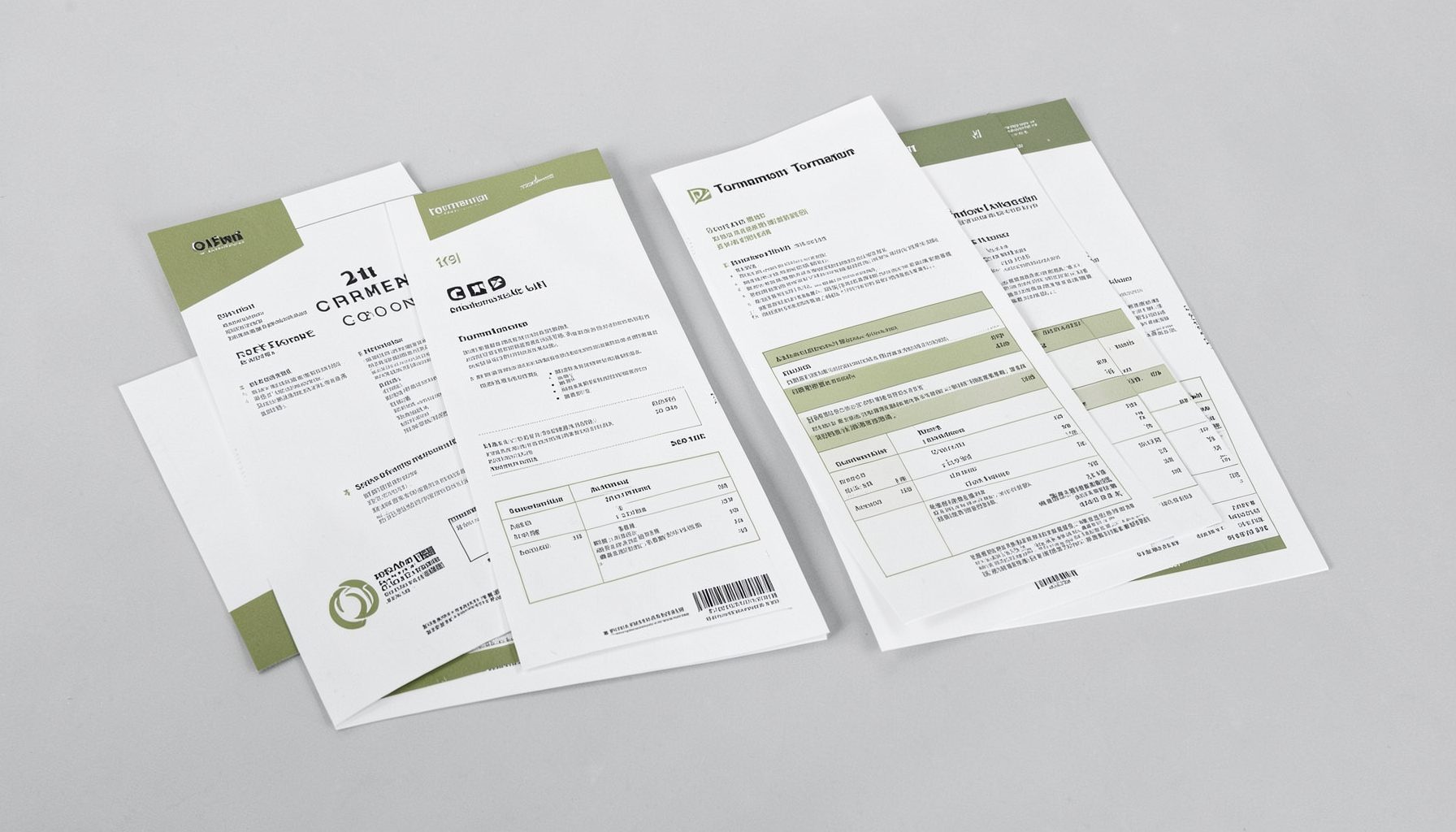
Tournament Packets
Packets from previous Kill Team events are kept here alongside new packets for upcoming tournaments, so organizers and players have what they need in one place.
View Event Data