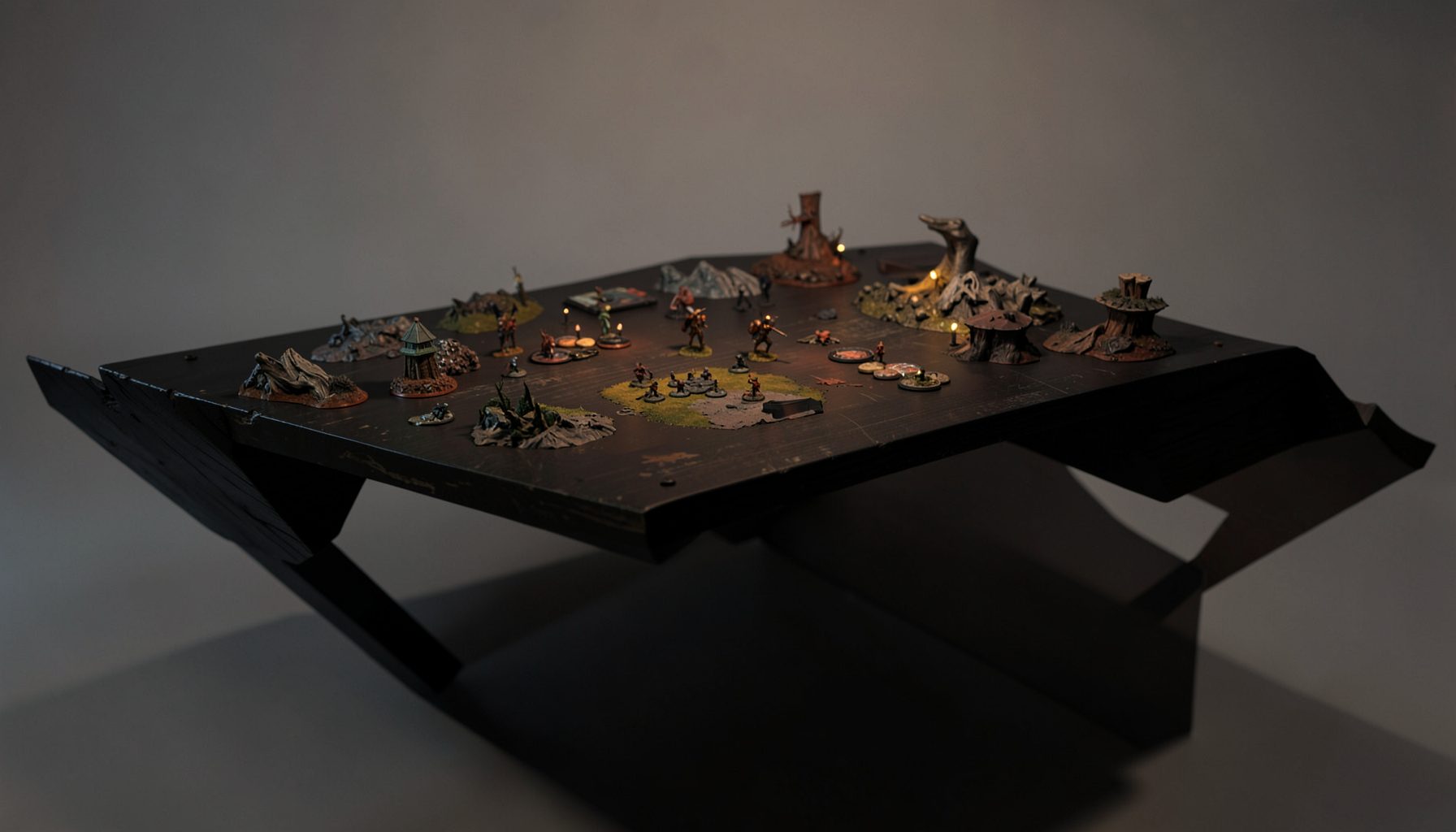
Live-streamed games, recorded matches, and event data gathered in one place.
Kill Team Stream hosts quality live streaming of Kill Team content — tournaments throughout the year on Twitch, regular games streamed to the channel, and tournament data gathered so players can see what's happening in the scene. Powered by WARHAMMER.
Browse tournamentsOfferings
Tournaments
Multiple Kill Team tournaments hosted throughout the year, all live-streamed on our Twitch channel.
Videos
Streams are recorded and uploaded to YouTube alongside original video content we produce.
Event Data
Tournament packets from past events plus resources for upcoming Kill Team tournaments.
Site Directory
Building a Narrative Campaign Around Your Local Kill Team League
Tournament leagues in the Warhammer Kill Team community often focus purely on win rates, list optimisation and standings tables. While that competitive focus attracts plenty of dedicated players, many groups eventually crave something deeper, a reason to care about the fate of a particular squad beyond a single match outcome. A narrative campaign adds storytelling weight to every game, turning a three-month league into a living chronicle where every kill, every objective secured and every ambush sprung carries consequence.
For local organisers in Australia, weaving a story around an existing league also solves a familiar problem. Hobbyists often drift away once standings feel predictable, but a campaign with twists, betrayals and shifting alliances keeps players engaged through poor dice rolls and rough patches alike. The following sections walk through how to design such a campaign from scratch, blending mechanics, hobby work and the social fabric of the local scene.
Establishing the Campaign Premise
The first decision is the scale and tone of the story. A short, punchy arc covering six weeks might focus on a single contested outpost, perfect for a suburban league meeting in a community hall in Parramatta or a hobby café in Fitzroy. A longer seasonal campaign, running across an entire Australian summer, could span multiple territories, mimicking the length of an ACDL season and culminating in a grand finale event at a larger venue like the Brisbane Convention Centre.
Keep the premise tight enough that players can memorise the stakes in a single sentence. Something like "the Kroot hunting packs have overrun the northern continent and every kill team is racing to claim the last functioning teleport homer" gives every faction a reason to fight without forcing players to read ten pages of lore before their first game. Borrow freely from established Kill Team factions but leave room for local flavour, perhaps referencing a fictional sector near the south coast of Western Australia or a derelict mining rig off the coast of Tasmania.
Faction Roles and Player Buy-In
Once the premise is set, assign each player a clear narrative role. Some kill teams will be aggressors, pushing into enemy territory. Others might be scavengers, hunting for rare archeotech. Defenders hold key positions, while roving bands seek to sabotage supply lines. Giving each role a mechanical hook, such as bonus victory points for holding a specific terrain piece during a campaign match, ties the story directly to the table.
Player buy-in comes from offering meaningful choices early. A short survey at the first league night, even a simple Google Form, lets players vote on whether the campaign should lean grimdark horror, political intrigue or pulpy adventure. Sharing those results at the next gathering in Adelaide or Perth helps everyone feel like co-authors of the unfolding story. Local organisers often see higher attendance during campaign months precisely because players feel ownership of the direction.
Mapping Matches to Story Beats
A narrative campaign needs structure, but it cannot feel like a railway line where every player travels the same path. One effective method is to break the league into three story arcs, each tied to a different mission type. The first arc might be reconnaissance focused, using Infiltration missions. The second arc shifts to direct confrontation with the Priority Targets cards. The final arc throws everything into chaos with sweeping Turning Point missions that allow narrative surprises.
Between arcs, brief two-week interludes let players pursue side activities. They might recruit new operatives, lose a wounded specialist, or discover a piece of terrain that grants a one-off narrative bonus. These interludes also serve as natural breathing space for hobby work, which matters in the Australian context where many players travel long distances between venues. A player driving from Geelong to Melbourne for a Tuesday night game benefits enormously from having a couple of weeks to repaint a model rather than scrambling to finish between rounds.
Integrating Hobby and Painting Challenges
Narrative campaigns create perfect excuses to encourage hobby progress, an area many competitive leagues neglect. Award side objectives for completing a specific painting stage by a certain date, such as basing a newly recruited operative or adding freehand details to a faction leader. Offer narrative titles like "Champion of the Ash Wastes" to anyone who paints a full squad of ten operatives to a high standard.
In warmer Australian months, store owners around Sydney and Brisbane sometimes worry about sprays and varnishes affecting indoor air quality, so hobby challenges tied to the campaign can also nudge players toward outdoor spray sessions on balconies or in backyards. Local game stores like Milsons, Good Games branches and smaller independents often run parallel painting events, and linking campaign rewards to those events strengthens the broader community ecosystem.
Venue Logistics and Local Realities
Choosing the right venue shapes the campaign experience more than people realise. Public libraries in regional centres often have rooms available for modest fees, and they tend to open early enough for evening games after work. In larger cities, pubs with function rooms, such as the many craft beer venues in Melbourne's inner north, can host relaxed league nights where the campaign feels like part of a wider social outing.
Consider the Australian retail calendar when scheduling. A campaign that begins in February and runs through April aligns with school terms and avoids the chaotic December retail rush. Heatwaves in January can disrupt attendance in Adelaide and inland Queensland, so plan rest weeks around extreme weather forecasts. Local time zones also matter for any cross-state element: a player in Perth who wants to participate in a livestreamed showdown with someone in Sydney faces a two-hour gap that requires flexible scheduling.
Streaming, Coverage and Community Memory
Narrative campaigns generate stories worth sharing, and local streamers can amplify that. Recording one or two highlight matches each round and uploading them to YouTube gives players something to rewatch and share. Short recap videos covering the previous week's outcomes, narrated with cinematic flair, build anticipation for the next game night. If you are unsure how to set up streaming or recording gear, the practical tips on the Kill Team Stream help page walk through the basics.
Photography matters as well. Encourage players to bring painted terrain or print custom markers that reflect the campaign's locations. A simple Polaroid station at the venue, even just someone using a phone camera with a wide-angle lens, builds a visual archive that future campaigns can reference. When the season ends, a printed or digital zine compiling the match reports, battle photos and final standings becomes a treasured artefact for everyone involved.
Tracking Results and Closing the Arc
Data tracking keeps the campaign honest and gives players something to analyse. A shared spreadsheet, accessible from anywhere in Australia, can record each match outcome plus narrative events like territory gains, casualties suffered and rare loot acquired. Include columns for the player's faction, their current campaign rank, and any role-specific bonuses earned along the way. Transparency here prevents arguments later and allows players to model strategies for upcoming rounds.
Plan a proper finale once the final arc concludes. This could be a one-day event at a larger venue, a series of streamed showdowns, or a casual BBQ gathering at a player's home where the final battles are fought on borrowed terrain. Distribute small trophies or hobby prizes that reflect narrative achievements, not just win rates. The "Best Painted Commander" or "Most Dramatic Reversal" titles often mean more to players than first place finishes.
When the dust settles, take a few weeks to reflect. Survey participants about what worked, what dragged, and which story beats they want to revisit. A campaign that ends well almost always leads directly into enthusiasm for the next one. Australian hobby communities are tight knit, and a well-run narrative campaign cements friendships, builds lasting memories and sets the tone for many seasons of story-driven competition ahead.
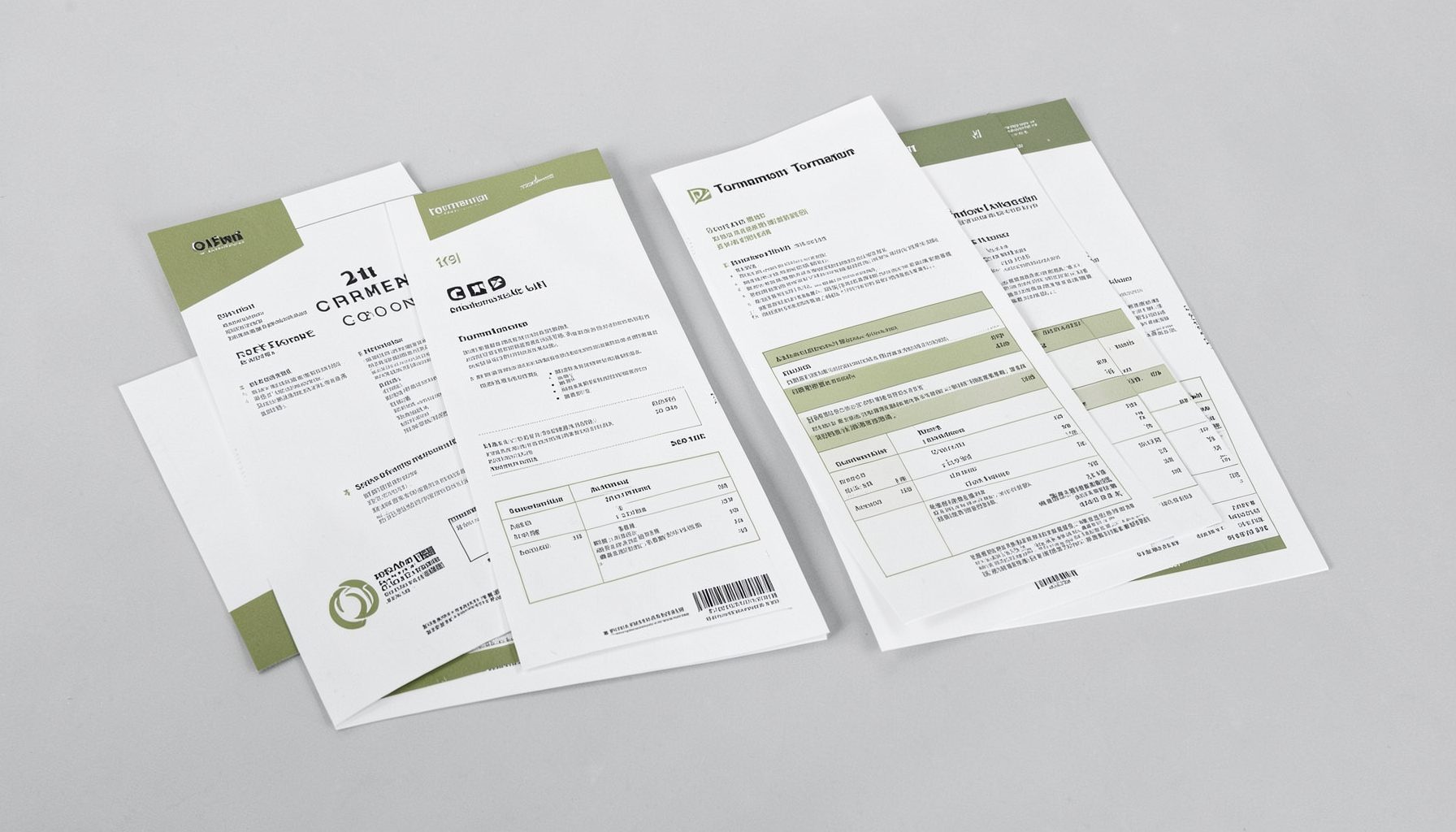
Tournament Packets
Packets from previous Kill Team events are kept here alongside new packets for upcoming tournaments, so organizers and players have what they need in one place.
View Event Data