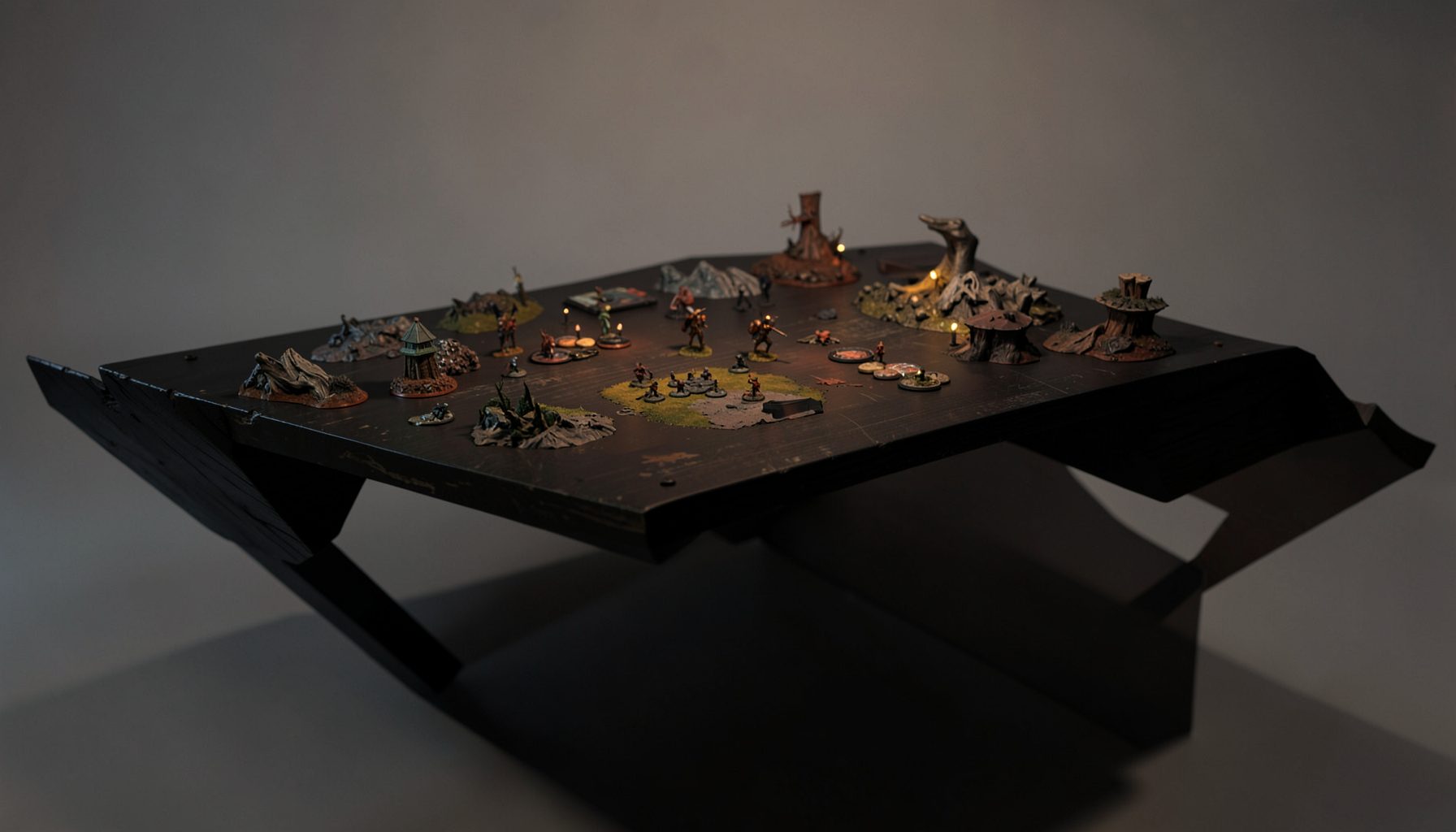
Live-streamed games, recorded matches, and event data gathered in one place.
Kill Team Stream hosts quality live streaming of Kill Team content — tournaments throughout the year on Twitch, regular games streamed to the channel, and tournament data gathered so players can see what's happening in the scene. Powered by WARHAMMER.
Browse tournamentsOfferings
Tournaments
Multiple Kill Team tournaments hosted throughout the year, all live-streamed on our Twitch channel.
Videos
Streams are recorded and uploaded to YouTube alongside original video content we produce.
Event Data
Tournament packets from past events plus resources for upcoming Kill Team tournaments.
Site Directory
Choosing Between Stealth And Aggression In Kill Team
A Kill Team battle often turns on a basic strategic decision: do you preserve your operatives, control the angles and reveal your plan slowly, or apply immediate pressure and force the opponent to respond? A silent approach relies on concealment, patience and selective activation. A loud approach uses speed, visibility and concentrated attacks to seize objectives before the opponent can establish a comfortable rhythm.
Neither style is automatically superior. The right game plan depends on the mission, terrain, team rules, deployment zones and the opponent’s likely threat range. A veteran player at a Melbourne tournament may approach the same board very differently from a newcomer playing in a Brisbane club, especially when local event packs, terrain collections and competitive habits shape expectations.
Read The Mission Before Choosing A Style
The mission should determine your first instinct. If primary objectives reward holding ground over several turning points, a quiet opening can protect valuable operatives until the scoring situation becomes clearer. Concealed models can also make the opponent spend activations checking lanes instead of advancing confidently.
A mission that rewards early actions, central control or rapid objective grabs may favour a louder plan. In that case, delaying too long can leave your team chasing points for the rest of the game. Read the turning-point sequence carefully: some missions punish casualties, while others make a decisive early exchange worthwhile.
Secondary objectives matter just as much. A team that scores through eliminations, charges or aggressive positioning may need to expose itself. A faction built around reconnaissance, objective actions or technical abilities can gain more from remaining hidden. Build your opening around scoring opportunities rather than choosing stealth or aggression simply because it matches your faction’s reputation.
How A Silent Approach Creates Advantage
A silent approach is more than keeping every model concealed. It means limiting the information you give away while arranging threats behind cover. Operatives move into positions where they can support one another, contest objectives later and punish an opponent who commits too far. This is especially effective when your weapons are accurate, short-ranged or dependent on a carefully prepared attack.
Concealment also protects your activation economy. If an operative remains safe, the opponent may need several actions to create a reliable attack. That can delay their own scoring and force them to reveal a specialist before you reveal yours. Use doors, heavy terrain and vantage-blocking features to create uncertainty, then keep track of which enemy models have already activated.
Patience must still have a purpose. A quiet plan becomes passive when it leaves objectives uncontested and gives the opponent free movement. Set a trigger for changing tempo: an enemy operative crossing a key line, a scoring opportunity appearing, or a weak flank becoming exposed. The goal is to make the first meaningful strike on your terms.
When A Loud Opening Is The Better Option
An aggressive opening works when your team can turn early movement into reliable pressure. A fast melee operative, a strong shooting lane or a durable specialist can force the opponent to spend their first activations reacting. Even if the opening attack fails to remove a model, it may deny an objective, block a route or create a threat that cannot be ignored.
The loud approach is strongest when several operatives contribute to the same fight. Sending one model forward without support usually gives the opponent an easy target. Instead, establish overlapping threat ranges, use a first activation to create access, and reserve another operative to finish the exchange or punish a counterattack.
Aggression is also valuable against teams that become stronger with time. Some opponents gain resources, improved positions or powerful late-game combinations if they are allowed to set up. A fast attack can disrupt that sequence. Before committing, calculate the likely return: a confirmed kill, an objective swing, a denied ability or enough board control to justify the exposure.
In Australian competitive play, this calculation can be affected by event format and travel. At a large Sydney or Perth event, players may face unfamiliar teams across several rounds, so a straightforward pressure plan can be useful when detailed faction knowledge is limited. It gives you a clear way to test the opponent’s defensive habits early.
Match The Plan To Your Kill Team
Your roster usually points towards a preferred tempo, but it should not dictate every decision. Stealth-oriented teams often have strong concealment tricks, specialist weapons and positional abilities. They want to create awkward choices and win through incremental advantages. Protecting a key operative may be more important than taking a low-probability shot.
Aggressive teams generally want to reduce the opponent’s options. Durable fighters, reliable melee profiles and strong movement allow them to contest the centre and convert early pressure into board control. Yet even an assault-focused team needs moments of restraint. A concealed model can preserve a threat, guard a flank or force the opponent to keep a valuable operative away from an objective.
Consider your team’s recovery ability. If losing one specialist removes most of your damage output, a cautious opening is sensible. If your roster has several interchangeable fighters, you can accept more risk. Command points, equipment and once-per-battle abilities should be included in this assessment. A loud attack that requires every resource may leave you helpless during the next turning point.
Players preparing for events can use recorded matches and match analysis resources to compare how different teams create pressure, manage activations and convert early positions into points. Watching a game with the mission and roster in front of you is more useful than copying a dramatic move without understanding its conditions.
Use Tempo And Activation Order Carefully
The difference between silent and loud play often comes down to tempo rather than movement distance. A silent player wants to preserve uncertainty and activate after the opponent commits. A loud player wants to create several urgent problems at once, making it impossible for the opponent to answer everything efficiently.
Early in a turning point, activate low-risk operatives when possible. This can draw out enemy models, reveal their intentions and protect your most important activation. If you have a decisive shot or charge available, avoid using it simply because it is available. Ask whether waiting will improve the target, create support or prevent the opponent from scoring.
Counter-activation is particularly important near objectives. If the opponent can score after you move away, your attack may have achieved little. Sometimes the best loud move is a short advance that threatens an objective without committing to combat. Sometimes the best silent move is to reveal a model early, because doing so denies a route or forces the opponent to spend an activation defending.
Keep a mental record of likely threats, not only visible ones. A concealed operative still influences the board if the opponent knows it could emerge. This is one of the strongest benefits of a quiet plan: potential damage can control space before any dice are rolled.
Adjust To Terrain, Opponent And Event Conditions
Terrain decides whether a game rewards patience or immediate movement. Dense boards create more opportunities for concealed advances, close-range attacks and objective contests. Open boards make exposed operatives vulnerable, but they can also produce powerful firing lanes for a team that acts first. Before deployment, identify the safest route to each major objective and the positions from which enemy specialists can influence them.
Opponent behaviour should change your plan quickly. If an opponent refuses to leave cover, pressure the scoring areas rather than chasing hidden models. If they advance aggressively, let them enter a crossfire or isolate a forward operative. An opponent who spends too many activations on cautious positioning may be giving you the tempo you need for a controlled counterattack.
Local conditions can matter around the edges of preparation. Australian players often travel between states for events, and a familiar team may face a very different terrain collection in Adelaide, Canberra or the Gold Coast. Games Workshop pricing, shipping delays and smaller local communities can also influence which teams appear regularly, so keep your planning flexible rather than relying on one assumed metagame.
A strong player changes gears without treating the adjustment as a failure. Begin quietly, then become loud when an opening appears. Start with pressure, then consolidate once the opponent’s key threat is removed. The best game plan is usually a sequence of tempo changes rather than a permanent commitment to one identity.
Compare The Two Approaches At The Table
Use the following guide as a quick decision aid before deployment. It is not a replacement for reading the mission, but it helps identify which plan deserves priority when the board and roster are familiar.
| Consideration | Silent Approach | Loud Approach |
|---|---|---|
| Main purpose | Preserve options and control information | Force reactions and seize space |
| Best terrain | Dense cover with protected routes | Open lanes or central movement corridors |
| Strongest missions | Delayed scoring and objective control | Early actions, central control or elimination |
| Ideal team traits | Concealment, accuracy and specialist utility | Speed, durability and reliable damage |
| Main risk | Losing tempo and falling behind on points | Overextending and trading operatives poorly |
| Activation priority | Wait for commitments and reveal selectively | Create several threats before the opponent can respond |
| Best response to a passive enemy | Occupy scoring areas and maintain pressure | Advance in supported groups and deny safe positions |
| Best response to an aggressive enemy | Punish overextension and protect key models | Trade decisively and keep the initiative |
Before an Australian event, practise both openings on the terrain you are likely to encounter. A club night in Melbourne, a regular Sydney league or a tournament in Brisbane may produce different board layouts and local habits. Run through the first turning point with a silent setup, then repeat it with an aggressive one. Note which operatives score, which routes remain safe and how many activations are required to support a decisive attack.
The most reliable choice is the one that serves your scoring plan while preserving a response to the opponent. Concealment should create a future threat, and aggression should produce a concrete advantage. When every move either improves your position or pressures the opponent’s options, the distinction between quiet and loud play becomes a tool rather than a constraint.
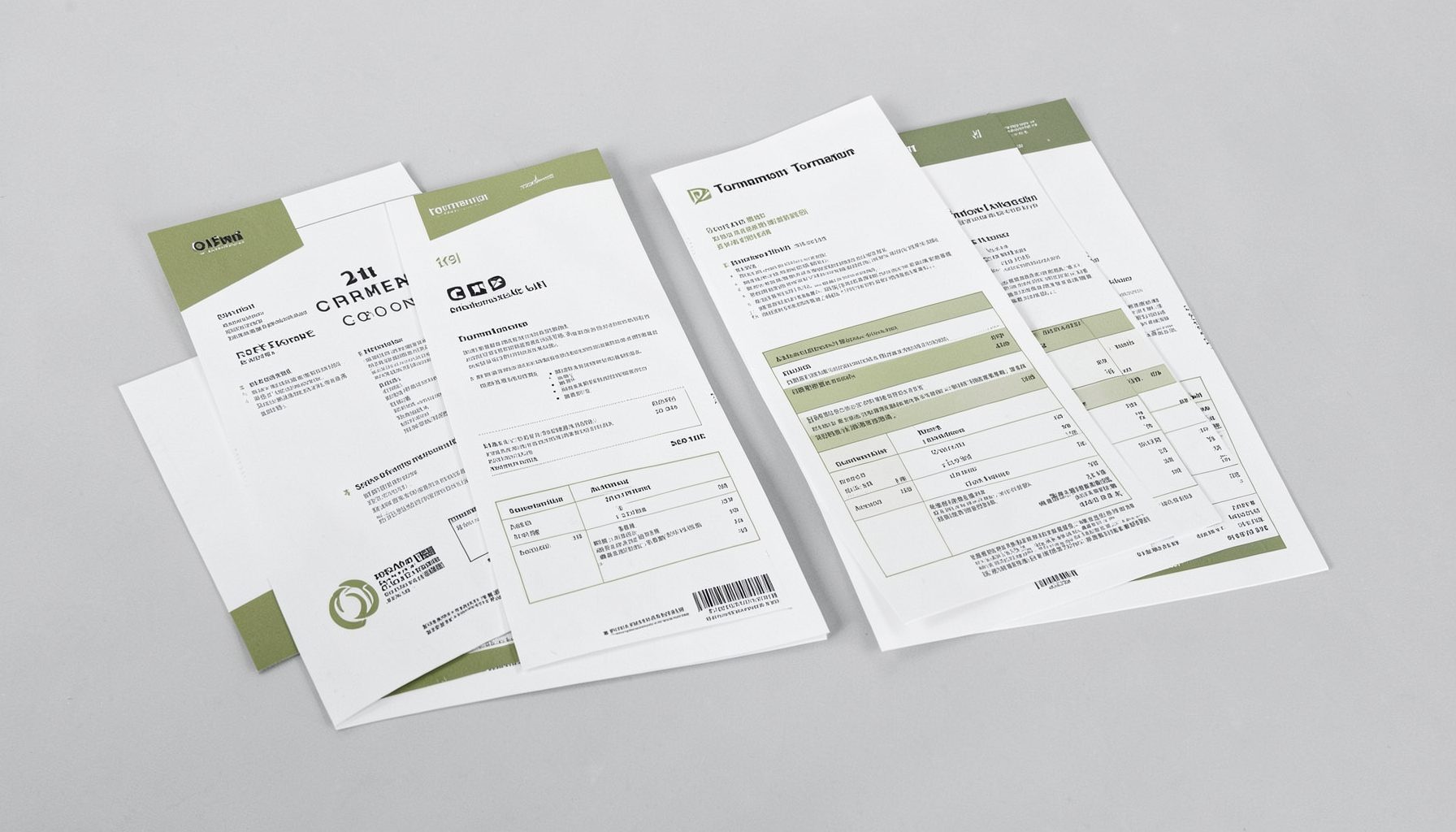
Tournament Packets
Packets from previous Kill Team events are kept here alongside new packets for upcoming tournaments, so organizers and players have what they need in one place.
View Event Data