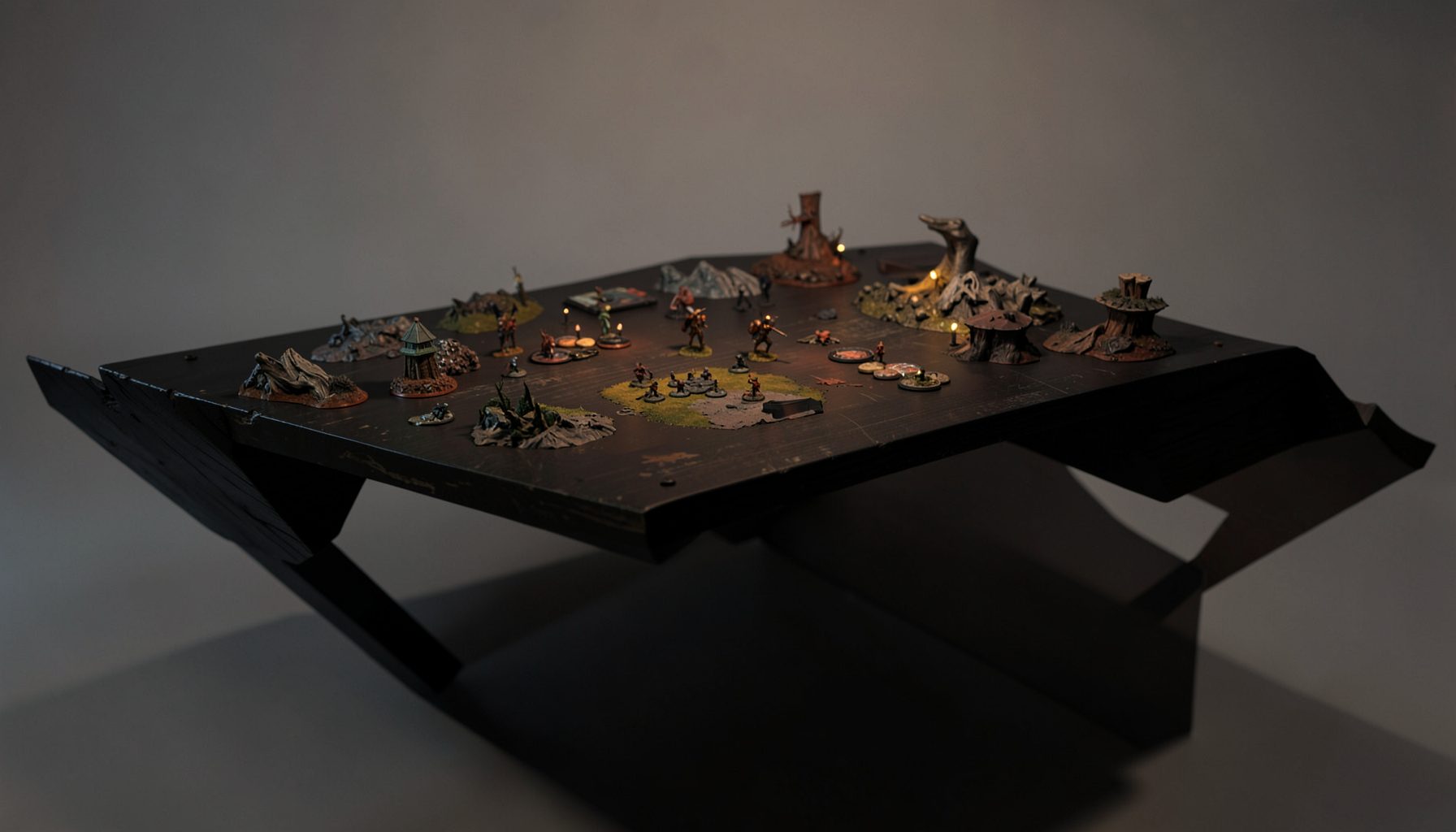
Live-streamed games, recorded matches, and event data gathered in one place.
Kill Team Stream hosts quality live streaming of Kill Team content — tournaments throughout the year on Twitch, regular games streamed to the channel, and tournament data gathered so players can see what's happening in the scene. Powered by WARHAMMER.
Browse tournamentsOfferings
Tournaments
Multiple Kill Team tournaments hosted throughout the year, all live-streamed on our Twitch channel.
Videos
Streams are recorded and uploaded to YouTube alongside original video content we produce.
Event Data
Tournament packets from past events plus resources for upcoming Kill Team tournaments.
Site Directory
Designing a Kill Team Event Packet That Attracts Players
Australia's Kill Team circuit has always punched above its weight. From the packed halls of Maelstrom Games in Springvale to weekend throwdowns at community clubs in Perth, every successful tournament under the southern cross has one element in common: a packet that players genuinely want to read. A bland PDF filled with legal text and stock art sends registrants searching for the next event on the calendar. A packet with personality, clear logistics, and a hint of local flavour pulls them in from Brisbane to Bunbury.
An event packet, in its simplest form, is the playbook your tournament runs on. It covers rules, missions, terrain expectations, scoring format, schedule, food, parking, and the dozens of small details players want answered before they commit a Saturday. When it is done well, it doubles as marketing collateral. When it is done poorly, it sits unopened in an inbox.
Whether you are running your first RTT at your local store or organising a thirty-player invitational, the principles stay the same. Players want clarity, fairness, and a touch of fun. Organisers want fewer rule questions on the day and a registration list that fills before the Wednesday cutoff. The packet sits at the intersection of those two needs.
This guide walks through the essential ingredients of a packet built for the Australian Kill Team crowd. It covers meta-aware format choices, venue and scheduling realities unique to the country, crystal-clear rulings, visual design, and the pre- and post-event promotion that turns one-time attendees into regulars.
Ground the Format in Your Local Meta
Australian Kill Team tables tend to lean into a specific style of play, and your packet should reflect that. Look at what the top performing lists at recent events in Sydney, Adelaide, and the Gold Coast have been running. If the meta skews toward a handful of competitively optimised kill teams, your faction restrictions or mission selection should account for that without killing variety.
Talk to the regulars at your local scene before you write a single rule. Drop into a Saturday afternoon session at your nearest FLGS, grab a coffee, and ask what factions they have been struggling against. The feedback collected in those casual arvo chats is worth more than any online survey.
Your format call should be explicit and unambiguous. If you are running an ITC-style points ladder, say so and link the document. If you are adapting a format from event organiser resources, credit them clearly and note any local tweaks. Players punish ambiguity, so spell out pairings, tiebreakers, army selection limits, and what happens if someone runs out of time during a tricky Recon or Seek and Destroy match. A well-written packet answers the hard questions before they get asked.
Cover the Logistics Players Actually Care About
Gameplay gets the headlines, but logistics sell tickets. Australian players travel further than most, and they want to know the practical details before they book time off work, fuel up the ute, or sort childcare for the day.
Address parking early. Whether your venue is tucked into a suburban Melbourne shopping centre or a regional club hall in regional NSW, tell players exactly where to leave their cars and whether there are any quirks like paid parking or council restrictions. Note the nearest public transport option, especially for Sydney and Brisbane events where players are likelier to catch a train.
Build a schedule that respects the realities of life in Australia. A 9am start sounds crisp on paper, but it locks out anyone driving two hours from a regional centre or wrangling school-aged kids. An 11am muster with rounds spread across the arvo gives a fairer window for everyone, and lets people grab a flat white on the way in. Factor in lunch, the BYO versus pre-order food decision, and whether there is a servo nearby for a quick snack run. Spell all of this out, because nobody enjoys scrolling through a Discord thread at 11pm trying to find whether the canteen will be open.
Budget also matters. State your entry fee in AUD, what is included, and any surcharges for late registration or day-of walk-ups. Players appreciate transparency on whether their ticket covers lunch, a printed packet, or a participation prize, and they will hold you to it.
Make Rules and Rulings Crystal Clear
The single biggest reason players disengage from a tournament series is unclear rulings on the day. The packet is your chance to head off those awkward moments at table six when nobody can agree on whether a hidden operative counts as being in cover.
Keep the language conversational. Australians respond better to plain English than legalese, so write the way you would talk across a Kill Team table on a Saturday afternoon. Define niche terms the first time you use them. If your event introduces a house rule, justify it in a sentence or two so players understand the intent and can apply it consistently.
Include a contact pathway for rules questions in advance. Whether that is a Discord channel, an email address, or a dedicated TO who will be on call the week before, having a clear line of communication keeps people calm when confusion pops up. Bonus points if you publish a quick FAQ PDF a week out from the event so nervous first-timers can read up before they arrive.
Cover what happens when things go wrong. Power outage, late player, an operative that flew off the table and into someone's coffee — every tournament hits some kind of curveball. A short "What happens if..." section that lists contingencies for the four or five most likely scenarios will save your sanity. Have referees on hand who know the packet back to front, and brief the front desk on the same day so they can answer questions without paging you out of round three.
Design Matters More Than You Think
A packet lives or dies on its presentation. A wall of black text on white pages signals that the document was thrown together on the train in. A clean two-column layout, a tasteful colour palette, and a couple of custom illustrations will get your document screenshotted and shared in local Kill Team Facebook groups.
Use the venue's branding if you are running at an established store. Maelstrom, Good Games, Combat Wombat, and the other big Australian chains all have logo packs they will hand over for promoting their space. If you are running at a community hall, design your own simple brand and stick with it across the packet, social posts, and any printed signage you put up on the day.
Keep the typography legible. If you are embedding army or faction art, make sure you have the rights and credit the artists. Top Australian Kill Team artists and photographers often love seeing their work featured at events and will happily cross-promote the packet on their own pages. That kind of organic reach beats paid ads every time.
Export to PDF and embed your fonts so the layout does not break across devices. Test it on a phone, a tablet, and a laptop before you publish. A packet that renders perfectly in a browser but garbles itself on someone's iPhone is a packet that will not get read.
Promote Before, Capture During, Share After
The best packets in the Australian scene do not stop working once registration closes. Use them as the centrepiece of a multi-week promotional campaign. Post the packet cover art to socials with a teaser a fortnight out, drop the full document two weeks before, then push a registration reminder with a screenshot of the schedule page the week of the event.
Lean on the wider community. Tag local clubs, share in regional Discord servers, and consider sending the packet directly to a streamer partner who will talk about it on camera. Kill Team Stream regularly covers Australian Kill Team events and is always on the lookout for well-presented packets to feature in their previews.
Capture the day itself. Photos of tables, mid-game action shots, and post-tournament interviews all sit nicely in a follow-up PDF or social post that gets shared with the next event's packet. Players love seeing their names in lights and their favourite kill teams in print.
After the event, publish standings, top lists, and any rule calls that caught you out. That kind of transparency builds trust for next time. Players will start treating your packets as essential reading, and your registration list will fill faster than expected.
| Packet Section | What Players Want | What Organisers Need |
|---|---|---|
| Format and Rules | Clear mission list, explicit faction limits, defined tiebreakers | Justified house rules, credit for borrowed formats |
| Schedule | Realistic start times, lunch breaks, finish estimate | Buffer windows, contingency timing |
| Venue and Travel | Parking detail, public transport, food options | Load-in plan, signage, referee rota |
| Costs and Prizes | Transparent AUD fee, prizes list, what is included | Break-even math, sponsor notes |
| Contact and FAQ | Single point of contact for rules queries | Referee briefing notes, escalation path |
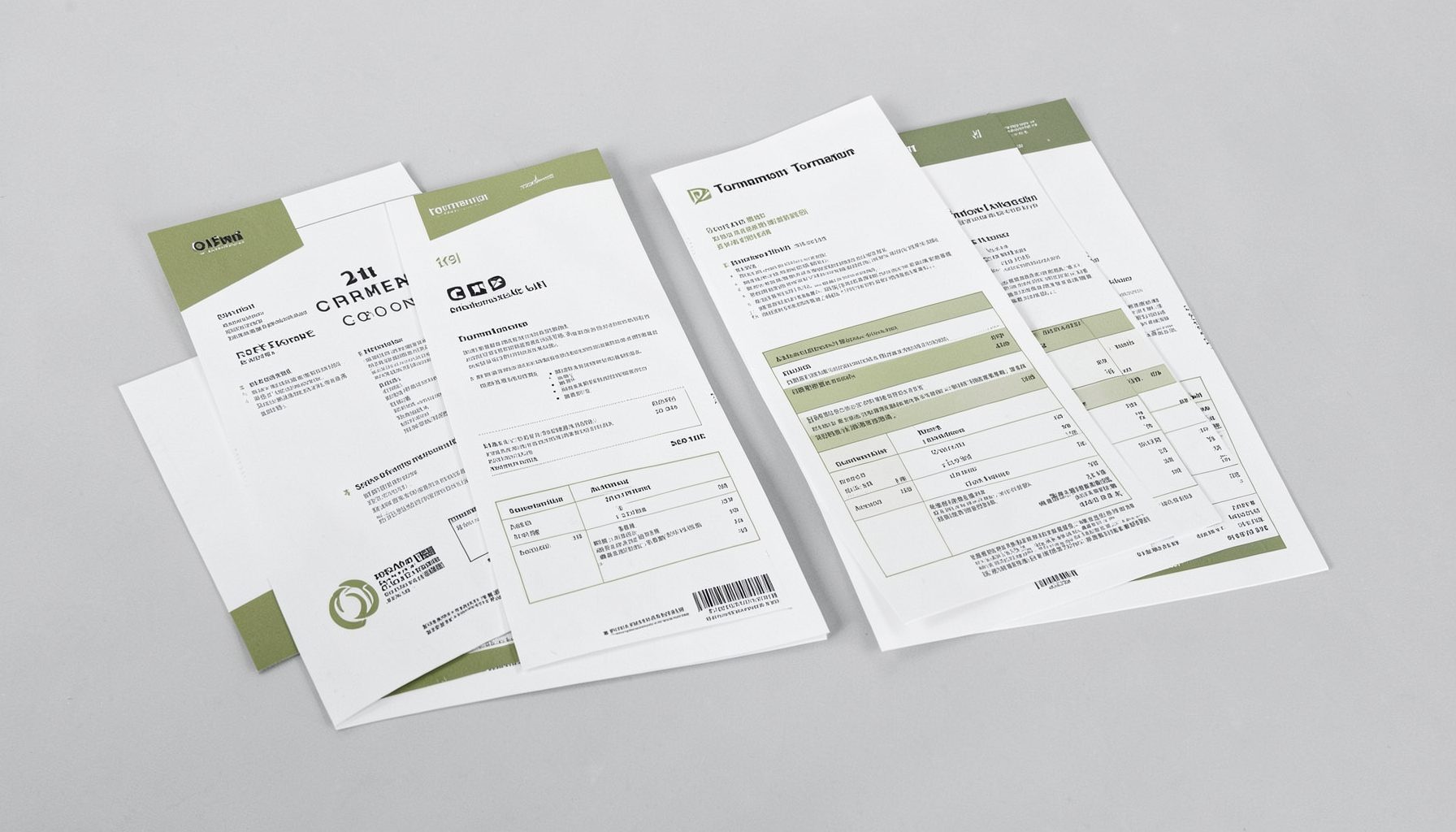
Tournament Packets
Packets from previous Kill Team events are kept here alongside new packets for upcoming tournaments, so organizers and players have what they need in one place.
View Event Data