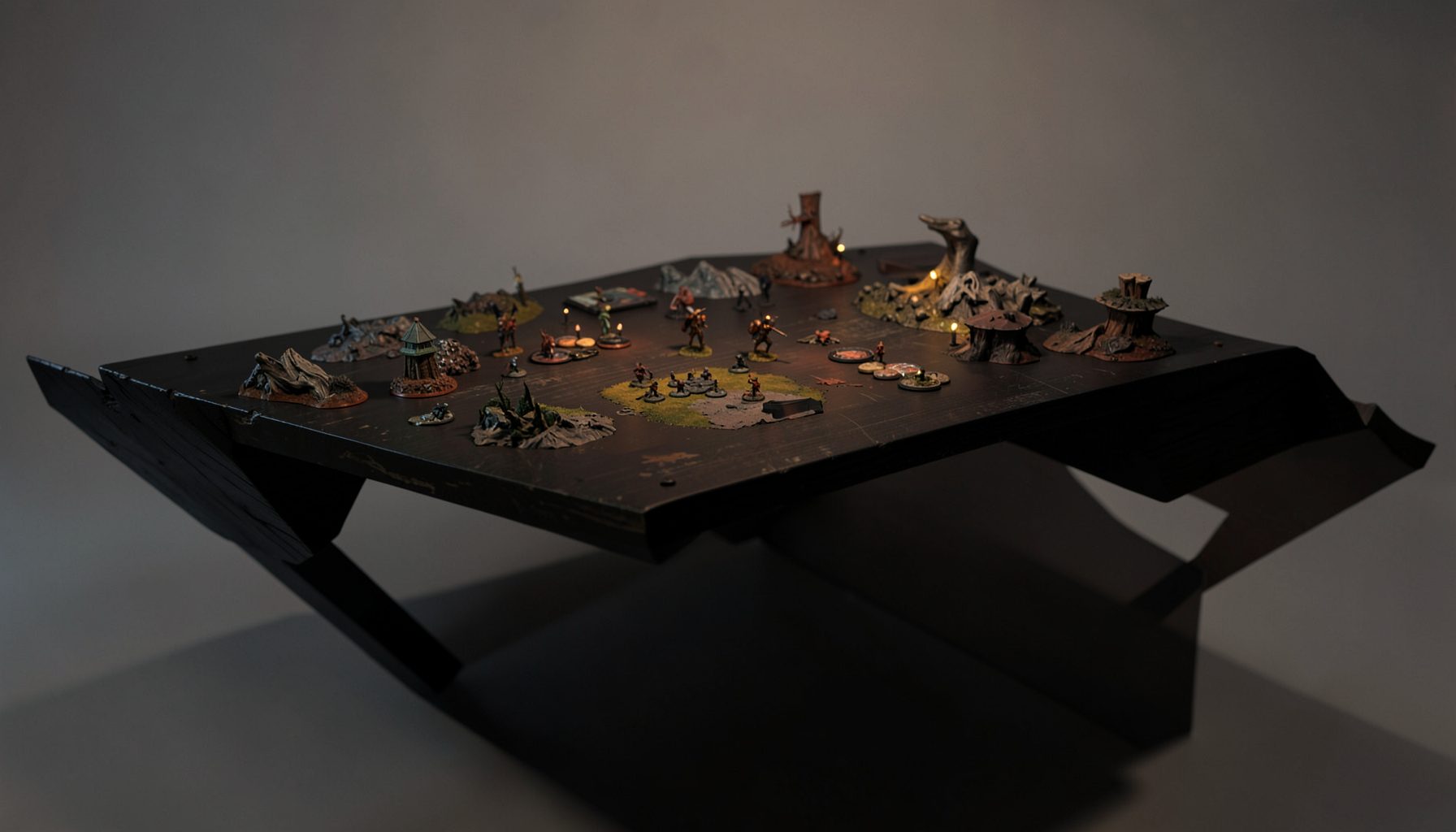
Live-streamed games, recorded matches, and event data gathered in one place.
Kill Team Stream hosts quality live streaming of Kill Team content — tournaments throughout the year on Twitch, regular games streamed to the channel, and tournament data gathered so players can see what's happening in the scene. Powered by WARHAMMER.
Browse tournamentsOfferings
Tournaments
Multiple Kill Team tournaments hosted throughout the year, all live-streamed on our Twitch channel.
Videos
Streams are recorded and uploaded to YouTube alongside original video content we produce.
Event Data
Tournament packets from past events plus resources for upcoming Kill Team tournaments.
Site Directory
Building a Kill Team learning guide for your local gaming club
A solid local guide does more than summarise rules; it captures the personality of the club, the local meta, and the small habits that turn casual visitors into regular players. From Hobart to Cairns, hobby communities have built their own traditions around Kill Team, and a written or digital resource gives newcomers something to take home after their first game. The guide becomes a reference for painters learning to assemble their first kill team, for players studying faction matchups before a tournament, and for organisers who want every recruit to feel welcome.
The work involved is closer to curating a club magazine than writing a textbook. You will collect local photos, list nearby stores such as Games Workshop, Mature Games and Good Games branches, document the club's house rules, and link out to relevant streams on Kill Team Stream. You will also shape a learning path that moves a player from reading the core rulebook to placing a finished kill team on a Warhammer 40,000 themed mat at a weekend event. Below is a practical framework that any Australian club can adapt without needing a professional editor or a large budget.
Defining the purpose and audience for your club
Before a single paragraph is written, the committee should agree on who the guide is really for. A club in Parramatta with a steady flow of teenagers from local high schools has different needs than a community group in Fremantle that mostly serves adult hobbyists returning from older editions. Sketch out three reader profiles: the absolute beginner who has never assembled a miniature, the mid-tier player who knows the basics but struggles with faction selection, and the tournament hopeful who wants an edge in matched play. Each profile shapes tone, vocabulary, and the kinds of diagrams or photos that earn their attention.
Set measurable goals for the guide. Some clubs use it as an onboarding handout for people who attend an open day at a local community hall or library. Others treat it as a competitive playbook, summarising the favoured factions at recent Australian events such as the team competitions at CanCon in Canberra or the Crucible in Melbourne. A clear purpose prevents the document from sprawling into a half-finished rules digest, and it makes later decisions about layout, length, and illustration far easier.
Structuring content from core rules to faction tactics
A well-organised learning guide follows a learning curve that mirrors the journey of a new recruit. Start with the absolute essentials: the activation system, the round structure, and how victory points are scored in matched play. Keep this section short, ideally no more than three pages in a printed format, because beginners absorb small chunks far better than dense paragraphs. Include a single page of diagrams showing a standard kill team deployment, the objective markers, and the difference between conceal and engage orders, since visual learners form habits from those early images.
The middle section should focus on team selection, faction flavour, and the local meta. A club in Brisbane might note that several of its regulars favour Hunter Clade or Imperial Navy Breachers because of nearby tournament results, while a Perth group could highlight the popularity of Chaos Daemons at weekend events. Use this section to introduce rosters of 100, 125, and 200 points, explain command point spending, and walk readers through two or three example lists pulled from real club members. End each faction entry with a short list of streaming resources on Kill Team Stream where readers can watch that faction in action.
Gathering local assets, photos and event references
Original content makes a club guide feel like home rather than a rules reprint. Walk around your next session with a phone or a borrowed camera and capture the everyday moments: a Tyranid player in Adelaide carefully painting carapace highlights, a parent and child setting up a board at Good Games in Sydney's CBD, or a group photo after a fundraiser at a community centre in Geelong. Always ask permission before publishing photos of minors, since Australian privacy expectations and most state-based association rules treat this as a serious matter. Pair images with short captions that name the player, the store or venue, and the kill team on display.
Build a small library of references that newcomers can chase on their own. Note the closest specialist stores, including Games Workshop, Mature Games, Ace Comics and independent retailers such as Milsims in Brisbane or Dark Sphere in Melbourne, with opening hours and parking notes. List the major regional events within driving distance, the local games expos, and the recurring weekly or fortnightly meetups that beginners can join without an entry fee. Where possible, link to archived coverage on Kill Team Stream so readers can see how the local meta actually plays out on a table rather than reading dry theory.
Running practice nights and in-person workshops
A guide is only useful if it ties back to actual gameplay. Schedule two or three practice nights each month where newcomers can bring their printed copy and try out the rosters or tactics described in the document. Many Australian clubs run these after work on a Wednesday or Friday to avoid clashes with AFL and NRL fixtures, which dominate free-to-air coverage from March through September. During the school holidays in June and September, consider running half-day hobby workshops that cover assembly, painting, and basic gameplay, since parents often look for activities that combine screen-free learning with a creative outlet.
Pay attention to the practical realities of running events in Australia. Public liability insurance is essential for any club meeting in a hired hall, and many hobby groups join state-wide associations to access group policies at a fair price. If your workshops involve spray priming or airbrushing, follow the safe handling guidance from your state workplace safety authority and ensure spray booths vent outdoors or through a filtered extraction system, particularly in colder southern states where windows stay shut. Reserve a covered outdoor area for the obligatory snag in bread after a long painting session, because few things build club loyalty faster than a post-game barbecue.
Pairing your guide with streams and recorded matches
A printed or PDF guide reaches its full potential when it points readers toward the wider Kill Team Stream library. Each chapter should finish with two or three curated links: a beginner-friendly Twitch broadcast, a YouTube VOD showing the faction in a tournament setting, and a recorded match from a clubmate if one is available. Embed QR codes next to those links so readers can scan them with their phone at the table, which is far more practical than typing long URLs between activations. Keep the list updated as new content goes live, and rotate older videos out so the recommendations stay fresh.
Encourage your own members to contribute. Set up a rotating filming roster for club nights and ask players who are comfortable on camera to record short post-game chats about their mistakes and discoveries. Send the raw footage to the Kill Team Stream community team if you would like editorial support, or simply host it on your club's own YouTube channel and link back. Pairing written guidance with real footage helps visual learners and gives readers a sense of the personalities behind the local meta, which is often what keeps newcomers coming back long after the rulebook sits unread on a shelf.
Distributing, updating and growing the guide over time
Choose a distribution format that matches your club's habits and resources. Print runs cost money up front, but they sit on coffee tables and get handed around at open days. PDFs spread faster through Discord channels and Facebook groups. A club wiki or Notion page lets multiple committee members edit at once and stays current between major releases. Each format has trade-offs, so it helps to weigh them against your goals before committing time and budget.
| Format | Best for | Upfront cost | Update speed | Reader engagement |
|---|---|---|---|---|
| Printed booklet | Onboarding handouts at events and stores | Moderate per copy | Slow, reprint needed | High in person, no search |
| PDF download | Sharing through Discord and Facebook groups | Low | Fast, versioned files | Medium, depends on clicks |
| Club wiki or Notion | Active committees with several editors | Low | Very fast, live edits | High for members, weak offline |
| Discord pinned channel | Daily references and quick questions | Low | Instant | High for active members |
| YouTube playlist | Visual learners and stream fans | Low to moderate | Fast for new videos | High in app, low reach without promotion |
Schedule a yearly review of the guide, ideally in late January after the Australia Day long weekend, when most clubs have a quiet start to the year. Refresh the photo gallery, swap in new faction lists from the latest tournaments, and prune any links that no longer work. A short change log at the front of the document shows readers that the club takes the resource seriously, and it gives newer members a reason to download the latest version rather than relying on an outdated copy shared in a group chat from two years ago.
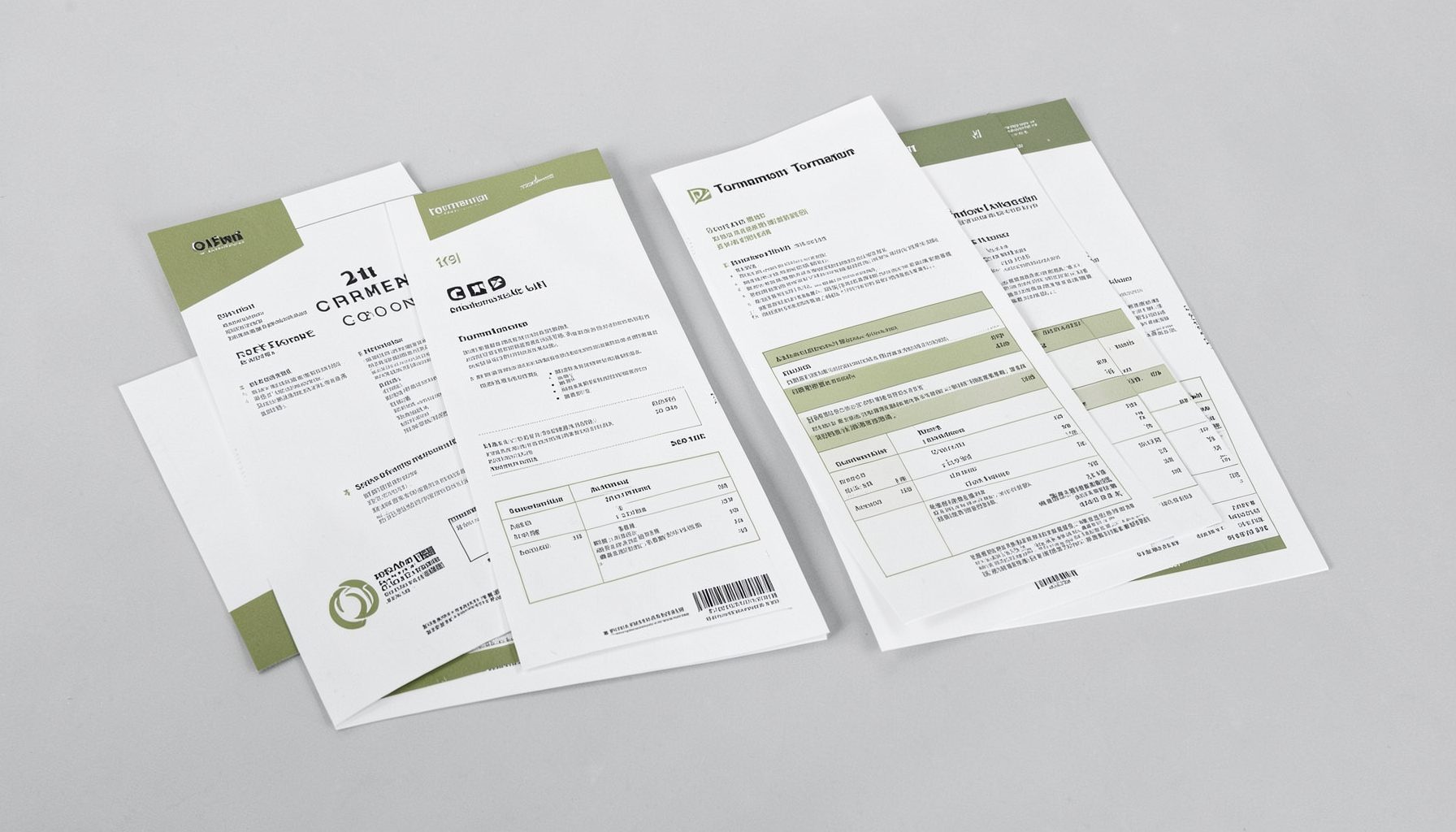
Tournament Packets
Packets from previous Kill Team events are kept here alongside new packets for upcoming tournaments, so organizers and players have what they need in one place.
View Event Data