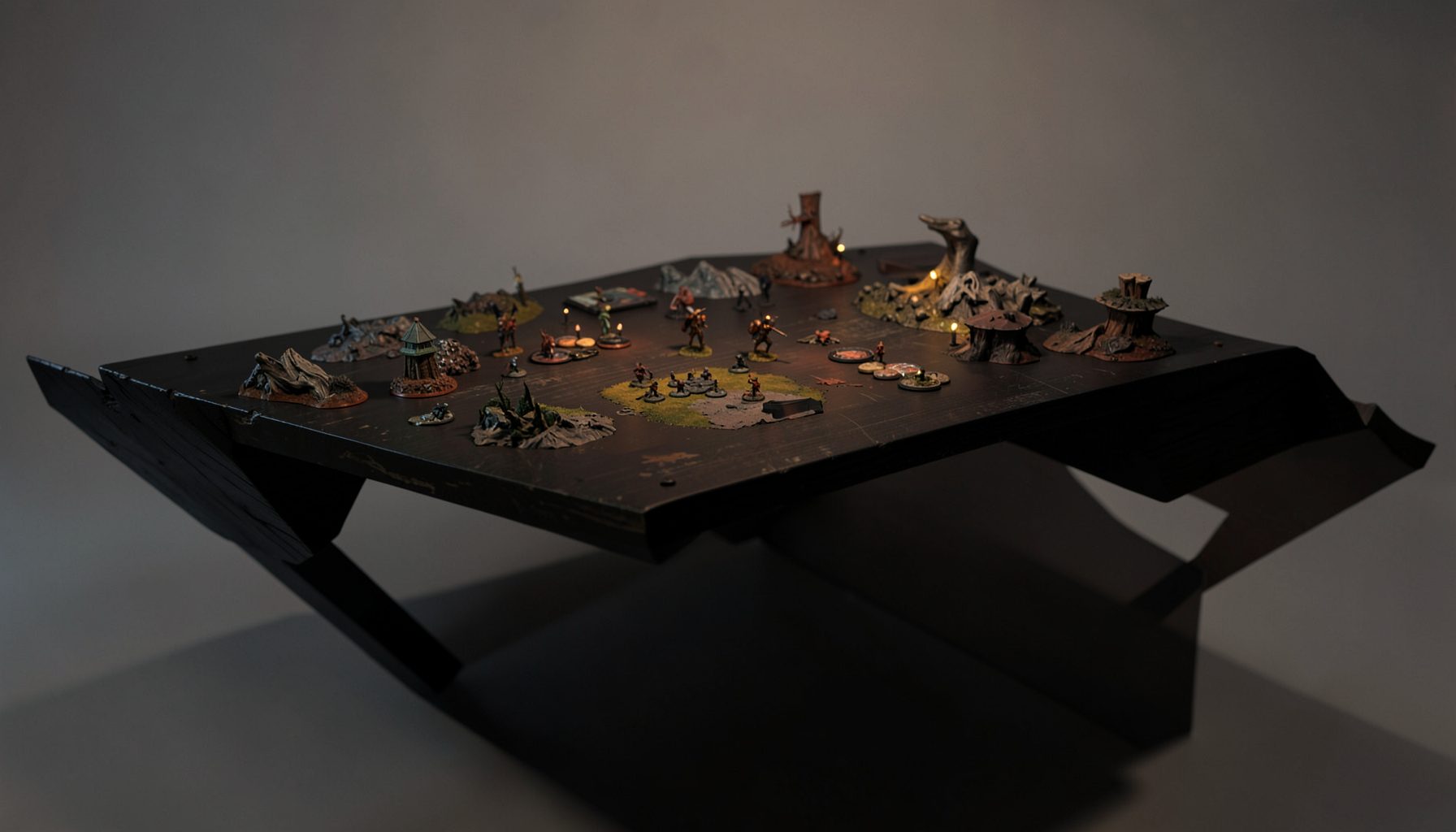
Live-streamed games, recorded matches, and event data gathered in one place.
Kill Team Stream hosts quality live streaming of Kill Team content — tournaments throughout the year on Twitch, regular games streamed to the channel, and tournament data gathered so players can see what's happening in the scene. Powered by WARHAMMER.
Browse tournamentsOfferings
Tournaments
Multiple Kill Team tournaments hosted throughout the year, all live-streamed on our Twitch channel.
Videos
Streams are recorded and uploaded to YouTube alongside original video content we produce.
Event Data
Tournament packets from past events plus resources for upcoming Kill Team tournaments.
Site Directory
Building a Kill Team prize support system that grows your local scene
Prize support can transform an ordinary weekly meet-up at your local gaming club into a destination event. Across Australia, the Kill Team community stretches from Maelstrom Games tables in Melbourne to weekend events held in converted warehouses in Perth, and prize support gives players a reason to travel to your tournament rather than playing casually at home.
A well-designed prize structure does two things at once. It rewards the players who grind their lists and practise their terrain placement, while also creating moments where newcomers feel welcome. When someone rolls up to their first matched-play event in Adelaide or Brisbane, a prize for best painted kill team or most improved player signals that the club values more than just the winner's table.
The following sections walk through how to design, budget and run a prize support system that fits an Australian club context, whether you meet in a community hall in Parramatta or inside a hobby store in the Adelaide Hills.
Why prize support matters for your club
Competitive Kill Team in Australia has grown steadily over the past few seasons, partly because the game rewards short, narrative matches that fit around work and study schedules. A player who works a nine-to-five in Sydney can still get in two games on a Saturday afternoon, and a clear prize support structure lets them plan their travel and entry fees in advance.
Prize support also helps with retention. Players who win a blistering kill team or place well on day two will come back the following month and bring a friend. Players who go home with a small token like a branded dice set still feel acknowledged, and they tend to be the ones who post match photos on the club Instagram the next morning.
Finally, prize support signals to local hobby stores and potential sponsors that your club runs professional events. A Canberran organiser who runs a quarterly event at a community centre can point to a clear prize table when asking Maelstrom or Good Games for stock donations, and that kind of documented professionalism matters.
Setting a realistic budget in Australian dollars
Before approaching anyone for prizes, work out how much you can sustainably spend. Most Australian clubs that run monthly events sit somewhere between $100 and $400 per tournament in prize value, while larger annual events at venues like CanCon in Canberra can push into the thousands.
Break the budget into three buckets. The first covers guaranteed cash or store credit for the top three finishers. The second covers participation prizes such as dice, tokens or small blisters. The third covers operational costs like printed score sheets, tape and a small honourarium for the judge giving up their Sunday.
For a quarterly club event in Brisbane or Perth, a safe starting ratio is roughly fifty percent for top finishes, thirty percent for participation, and twenty percent for operations. Adjust this based on expected attendance. An eight-player event in Hobart will need a flatter payout than a thirty-player event in Sydney, because the gap between first and last is smaller and every player wants something tangible.
Keep entry fees reasonable so the prize pool can grow organically. A standard fee of twenty to thirty Australian dollars per player covers hall hire and lets you reinvest half of every entry into the prize pool without making the event feel cash-grabby. Players notice when entry fees vanish into a judge's coffee budget, so publish a short financial breakdown after every event.
Sourcing prizes and building sponsor relationships
Most Australian prize support starts with local hobby stores. Independent shops like Maelstrom Games in Melbourne, Good Games franchises across the eastern states, Mind Games in Brisbane, and Ace Games in Adelaide often have slow-moving blisters or promotional kits they will donate to a club running a regular tournament. Approach them with a written proposal that includes your event dates, expected attendance and a logo placement offer.
Beyond stores, miniature manufacturers occasionally offer prize support to clubs running sanctioned events. Reach out through their community team with a clear event brief, a list of past results, and a link to your club's Twitch or YouTube channel if you stream matches. Many will send a codex or chapter approved kit, a few event-exclusive dice, or a stack of promotional cards.
For cash sponsorships, look beyond the hobby industry. Local board game cafes in Fremantle, comic shops in Newtown, and even accounting firms that sponsor gaming events can be tapped. This means presenting a one-page sponsorship document with audience size, social media reach, and clear visibility options such as logos on flyers, mentions during the stream and a dedicated thank-you post.
You can also tap the community directly. A Kill Team Patreon or a yearly tournament pass can give regular attendees a way to top up the prize pool voluntarily. Offer small perks in return, like naming rights for a custom mission or a thank-you on the event packet. This builds ownership that goes beyond the top table.
Building a tiered prize structure that rewards more than first place
A common mistake is to pour everything into first place. In a fifteen-player event in Parramatta, that single $200 winner will walk away happy while fourteen others feel empty-handed. Split the pool across multiple categories and the perceived generosity of your event doubles without spending a cent more.
A practical tiered structure looks like this. Top three overall receive the largest share, perhaps forty, twenty-five and fifteen percent of the cash pot. Best Painted, Best Newcomer, Best Sports, and Best Narrative List each receive a smaller blister or voucher. A random draw prize for any player who stayed to the end keeps late-round tension in a fun way. The random draw can be as simple as a codex, a faction dice set, or a voucher from your sponsor store, and it keeps players at their tables even when they are out of contention.
Some clubs even coordinate Halloween one-off events where members dress up and play themed missions, making the night feel like a community gathering rather than a serious tournament. If your group enjoys spooky themes, browsing a few horror games for Halloween could spark ideas for mission flavour.
Keep the categories consistent from event to event. Players will plan their tournament calendar if they know Best Painted is always a $40 voucher or that Best Sports always earns a personalised trophy. Consistency builds anticipation and lets newcomers understand what they can aim for at their first event.
Non-monetary rewards and community recognition
Cash and vouchers are easy to budget, but the rewards players remember longest are usually non-monetary. A custom trophy made by a club member with a 3D printer, a hand-painted objective marker set, or a framed match score sheet signed by the opponent can hold more meaning than a fifty-dollar note.
Recognition inside the community matters too. Maintain a club hall of fame board at your venue, even if your venue is a community hall in Brisbane or a back room in a Perth hobby shop. Photograph the top three after each event, post the shots to the club Discord, and update the standings sheet on the wall. Players who see their name climb the ranks from local regular to club champion feel valued.
Some clubs also offer physical perks that cost almost nothing. The right to choose the next month's matched-play mission, voting rights on a new terrain piece, or first pick of the demo table at a public event. These little privileges build prestige without breaking the budget, and they create stories that get shared long after the prize money has been spent.
Consider seasonal awards that rotate with the Games Workshop edition releases. A Best Faction award at the end of a season gives players something to campaign for across multiple events, and ties your local scene into the wider meta in a way single-event prizes cannot.
Tracking results, running the event and posting the packet
The week before the event, publish an event packet. A one-page PDF with the schedule, the mission packs, the scoring template and the prize table. Distribute it through your Discord, your club website and your local store's noticeboard. Australian players travel further than those in dense cities, so a clear packet helps people from Wollongong, Geelong or the Gold Coast plan their trip. Posting early also lets sponsors see their logos featured, which keeps them signed on for the next round.
On the day, run the tournament with a simple tracking sheet. A Google Sheet with player names, faction, round scores, sports scores and best painted votes is enough for most club events. Have a printed backup in case the wifi at the community hall drops, which it will at least once per season. Take photos throughout the day, especially of painted kill teams, because those images double as content for your Twitch recap and your next event flyer.
After the final round, announce the winners, hand out the prizes and post the standings within forty-eight hours. A quick recap on social media with photos, a short paragraph about the final game, and a thank-you to sponsors closes the loop and sets the tone for the next event. Players who see their name in a well-formatted recap will register for the next tournament before they have finished packing their carry case.
Run the same checklist every month, and after a year your prize support system will feel less like an experiment and more like a tradition. That kind of reliability is what turns a casual group into the club that every new arrival in Melbourne, Sydney, Brisbane, Perth or Adelaide wants to be part of.
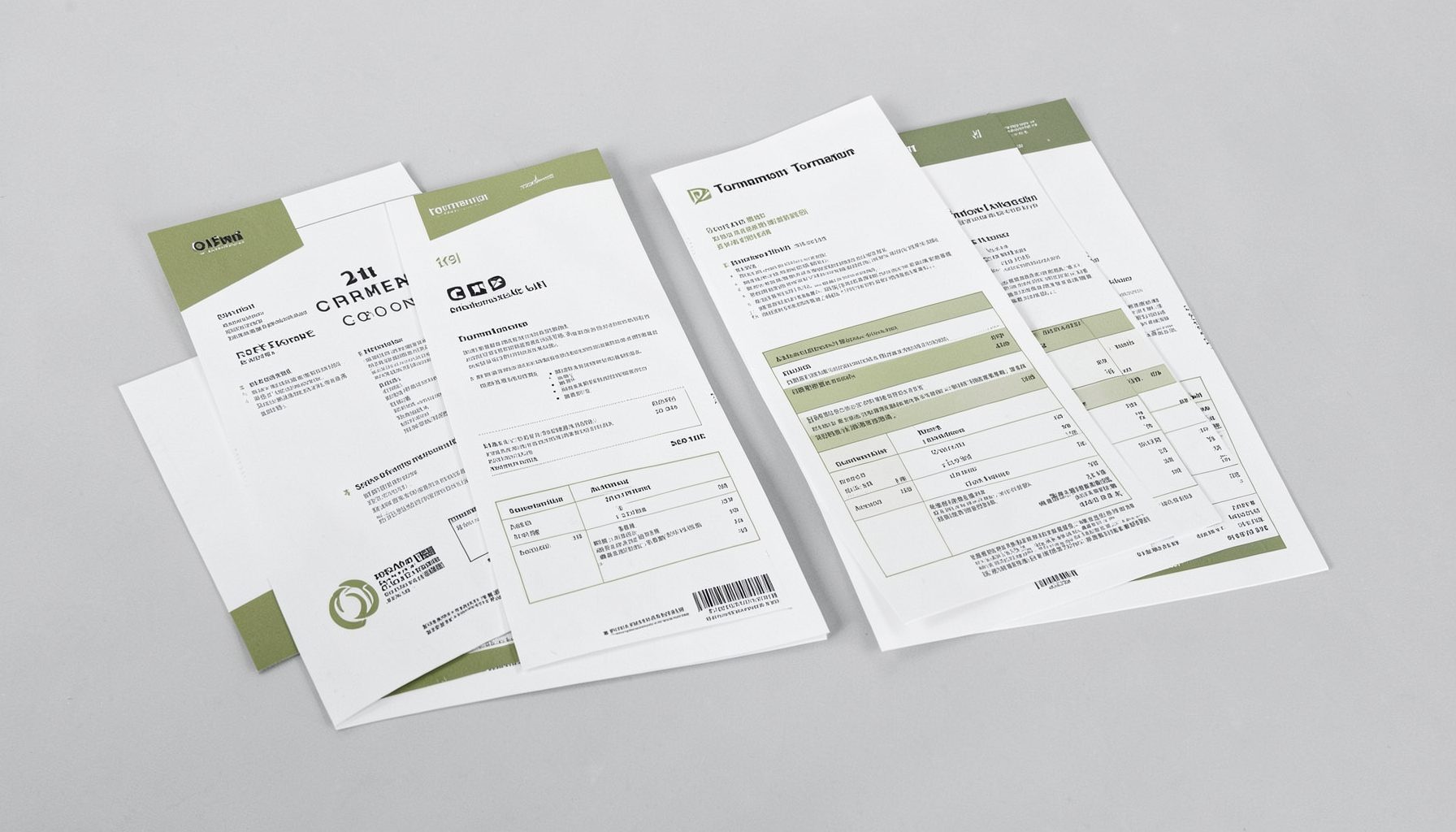
Tournament Packets
Packets from previous Kill Team events are kept here alongside new packets for upcoming tournaments, so organizers and players have what they need in one place.
View Event Data