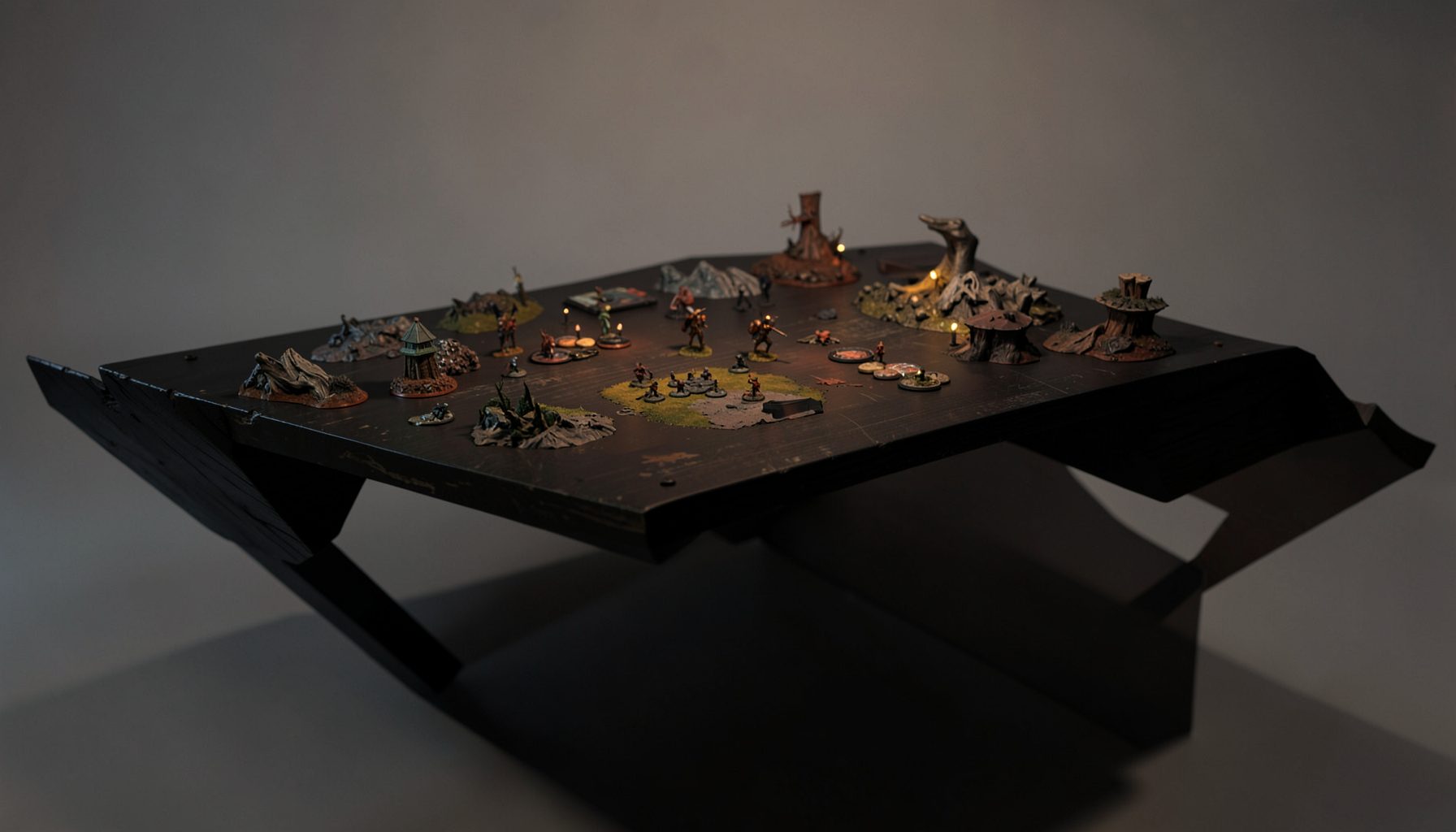
Live-streamed games, recorded matches, and event data gathered in one place.
Kill Team Stream hosts quality live streaming of Kill Team content — tournaments throughout the year on Twitch, regular games streamed to the channel, and tournament data gathered so players can see what's happening in the scene. Powered by WARHAMMER.
Browse tournamentsOfferings
Tournaments
Multiple Kill Team tournaments hosted throughout the year, all live-streamed on our Twitch channel.
Videos
Streams are recorded and uploaded to YouTube alongside original video content we produce.
Event Data
Tournament packets from past events plus resources for upcoming Kill Team tournaments.
Site Directory
How to Handle a Time-Crunch Scenario in a Competitive Kill Team Match
A time-crunch scenario in a competitive Kill Team match rarely begins with the clock suddenly becoming an enemy. It usually develops through small delays: checking a rule several times, measuring every possible route, discussing a low-value decision at length, or spending too long resolving an uncertain combat. By the time the remaining rounds become visible on the chess clock, both players may be forced into rushed choices that were avoidable earlier.
The best response is a clear process rather than panic. Competitive players need to know which actions secure points, which risks are acceptable, and when a decision has already received enough attention. For Australian events, where players may travel from Melbourne to Sydney, Perth to Brisbane, or attend a full weekend such as CanCon, managing energy and match time is part of tournament preparation.
Recognise the warning signs early
A practical time-management habit is to check the clock at the end of every turning point or turning point phase. You do not need to stare at it constantly, but you should know whether the game is progressing at a normal pace. If the first turning point has consumed a large portion of the round time, treat that as information rather than an immediate crisis.
Several signs indicate that the match is entering danger territory. You may be replaying the same tactical line, measuring a move that will not affect scoring, or discussing a rules interaction while your opponent waits. Long pauses before routine actions are another warning. If the next turning point will begin with only a limited amount of shared time, both players should adjust their expectations and focus on completing meaningful game actions.
Keep communication calm and specific. A simple statement such as “We have limited time, so let’s keep measurements and resolve the current sequence” is more useful than accusing the other player of playing slowly. At a large Australian tournament, a judge may be managing several tables at once, so identifying a genuine delay early gives them a better chance to help.
Set a decision budget for each activation
A time-efficient activation begins with a short scan of the board. Identify the immediate scoring opportunity, the most dangerous enemy operative, and any objective that must be contested now. Then choose from the realistic options available. You do not need to calculate every theoretical move if only two actions can materially change the position.
A useful mental rule is to separate high-impact decisions from low-impact decisions. Spend time on a charge that could remove a key operative or swing an objective. Move quickly through a safe repositioning action that neither exposes a model nor changes the score. This is similar to the principle behind a bankroll discipline guide: establish limits before pressure influences your judgement, then avoid turning one uncertain choice into an uncontrolled sequence of decisions.
The budget does not have to be measured in exact seconds. It can be based on complexity. A routine move should take a few moments; a pivotal activation deserves a deliberate pause; a rules dispute should be handled through the event’s official process rather than an extended table argument. This keeps attention available for moments that actually decide the match.
Prioritise scoring over perfect positioning
When the clock is running down, players often chase an ideal tactical position instead of securing available victory points. Competitive Kill Team rewards a completed scoring plan more reliably than a beautiful formation that never produces points. Check which objectives can be scored immediately, which must be prepared for the next turning point, and whether an enemy model can realistically stop that plan.
Primary objectives usually deserve priority, but the right choice depends on the mission, your faction, and the current score. A move that guarantees a point can be stronger than an uncertain attack with a chance of removing an operative. Conversely, if the opponent is about to score uncontested, spending an activation on damage may be necessary. The key is to connect each action to the scoreboard rather than judging it only by the number of successful hits.
Secondary actions and mission-specific requirements need the same treatment. If a tac op or equivalent objective requires setup, complete it before the board becomes too crowded to do so. In a shortened game, an uncompleted scoring condition is often more damaging than a failed attack. When time is scarce, points that are available now carry greater practical value than plans that depend on several future activations.
Simplify combat and rules decisions
Combat can consume a surprising amount of match time because players calculate every possible result before committing. Use the actual purpose of the attack to guide the resolution. If the attack is intended to finish a wounded operative, determine the minimum result needed. If it is mainly designed to force an enemy off an objective, focus on that outcome rather than calculating unlikely damage totals.
Have the relevant rules accessible before the event. A printed mission pack, bookmarked digital rules, and familiar reference pages can prevent long searches. Australian events may use venue Wi-Fi that becomes unreliable when a hall is crowded, so relying entirely on an online rules source is risky. Downloading key documents before travelling to a Melbourne club, a Sydney event space, or a convention venue in Canberra is a small preparation step with a real effect on the clock.
When a genuine disagreement occurs, state the exact issue, check the agreed source, and call a judge if the answer remains unclear. Do not allow a minor rules question to become a broad debate about how the entire faction works. If the event has a timekeeping procedure for disputes, follow it. A precise, neutral explanation helps an organiser resolve the matter without needing to reconstruct the whole game.
Coordinate with your opponent and the organiser
Both players share responsibility for a match reaching a fair result. Announce important actions clearly, keep dice and tokens organised, and avoid unnecessary pauses between activations. If you need a moment to check a rule, say what you are checking. This makes the delay transparent and reduces the chance that the other player thinks you have stopped playing.
Talk about the clock before the match begins. Confirm how the event handles slow play, whether a chess clock is in use, and what happens when the round timer ends. Some tournaments use a shared timer, while others rely on the organiser’s announcement and a defined procedure for completing the current action. Knowing the local policy is especially important when travelling to a different circuit, such as a Western Australian event compared with a tournament on the east coast.
If you believe the game is moving unreasonably slowly, raise the concern early and politely. Waiting until the final few minutes leaves little opportunity for correction. A judge can observe the table, offer a ruling, or apply the event’s slow-play process. Do not attempt to punish slow play through rushed or unclear actions; that often creates further disputes and can damage an otherwise competitive game.
Prepare a reliable endgame routine
A time-crunch routine should be practised before a major event, not invented in the final turning point. Review your faction’s most common scoring routes, identify the operatives that can safely perform mission actions, and learn which activations are usually expendable. The aim is to reduce mental load when fatigue and pressure begin to affect calculation.
Keep the table orderly throughout the match. Place tokens where they are easy to read, keep discarded dice away from active dice, and maintain a clear record of wounds and objective control. At an Australian convention or club tournament, crowded tables and background noise can make an untidy setup especially costly. Good physical organisation speeds up every later decision.
When only a few minutes remain, use a fixed sequence. Check the score, identify the points still available, nominate the activation that matters most, and complete it without reopening settled decisions. If the game cannot reach every planned action, preserve the position that produces the strongest result under the tournament rules. A modest score secured through disciplined play is preferable to a dramatic line that leaves the board unfinished.
After the match, review where time disappeared. Was the problem deployment, rules checking, combat calculation, or indecision over a low-value move? Record the pattern and adjust your practice games. Australian players balancing tournament preparation with work, university, or long travel can gain a great deal from short timed sessions at a local club rather than relying only on unrestricted games. The goal is to make efficient play familiar enough that pressure does not change your decision-making style.
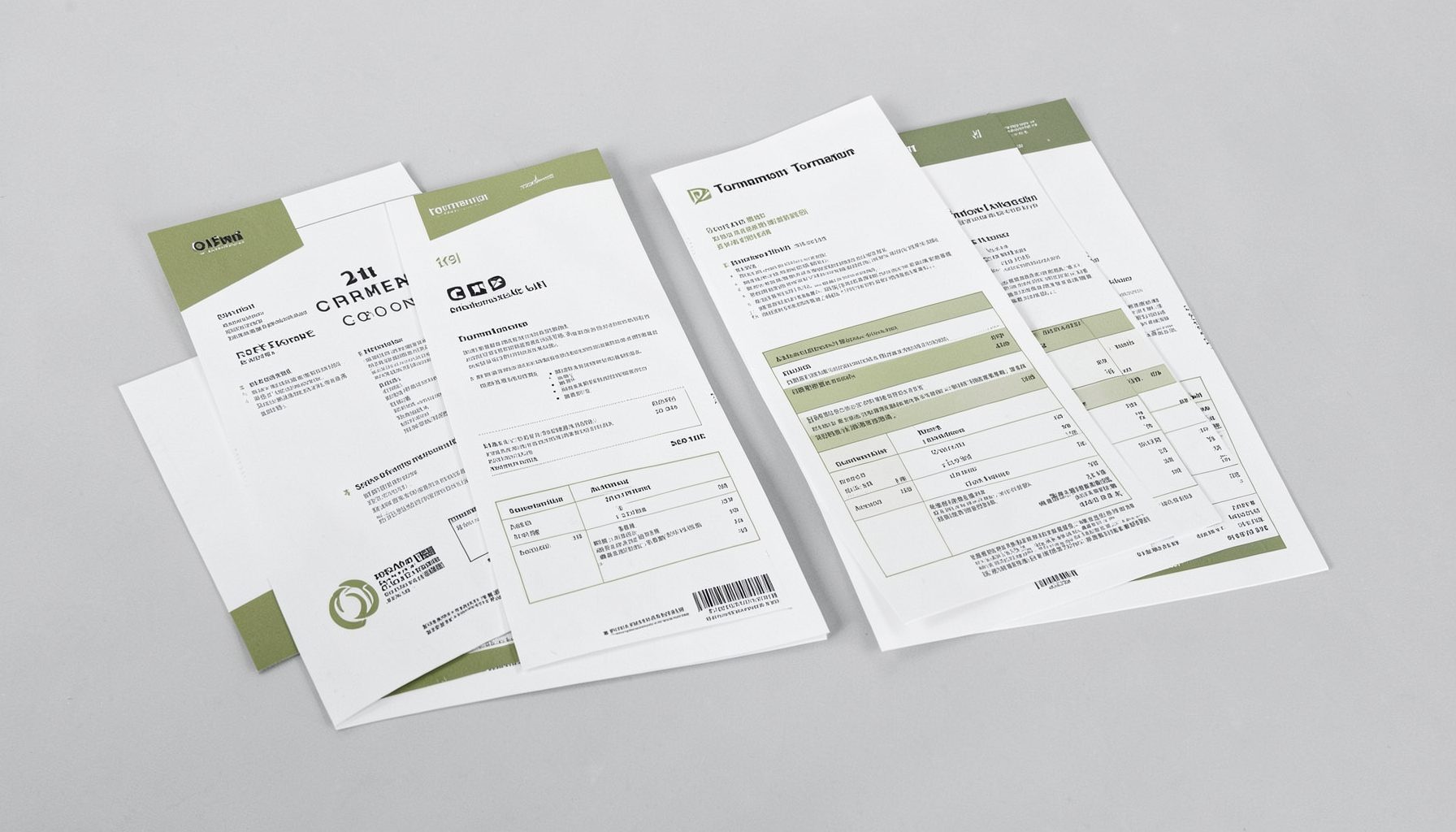
Tournament Packets
Packets from previous Kill Team events are kept here alongside new packets for upcoming tournaments, so organizers and players have what they need in one place.
View Event Data