
Live-streamed games, recorded matches, and event data gathered in one place.
Kill Team Stream hosts quality live streaming of Kill Team content — tournaments throughout the year on Twitch, regular games streamed to the channel, and tournament data gathered so players can see what's happening in the scene. Powered by WARHAMMER.
Browse tournamentsOfferings
Tournaments
Multiple Kill Team tournaments hosted throughout the year, all live-streamed on our Twitch channel.
Videos
Streams are recorded and uploaded to YouTube alongside original video content we produce.
Event Data
Tournament packets from past events plus resources for upcoming Kill Team tournaments.
Site Directory
Handling Kill Team Tournament Disputes Fairly
Tournament disputes in Kill Team can begin with a single contested call: whether an operative was visible, a special order was legal, a marker was removed correctly, or a victory-point score was recorded accurately. Left unresolved, a small disagreement can reshape a match, alter standings, and undermine confidence in the entire event. Fair handling protects competitors, volunteers, and the tournament as a whole.
Knowing how to handle disputes fairly as a tournament organizer means separating the need for a clear answer from the desire to win. The organizer is not expected to please every participant or overturn a ruling simply because it is unpopular. The duty is to apply the published rules, listen to relevant evidence, explain the decision, and treat each player with equal respect.
Kill Team matches provide useful evidence but also require careful interpretation. Deployment, line of sight, shooting, wounds, orders, abilities, and scoring can interact in ways that are difficult to reconstruct later. Video, score sheets, dice results, event packets, rulebooks, and timestamped messages may all matter. Capturing those details before memory changes helps organizers decide the issue rather than the person presenting it.
A dispute procedure should exist before competitors arrive, not be invented when emotions are running high. Its purpose is not to make conflict disappear. It is to turn disagreement into a controlled review based on rules and facts. Clear authority, impartial evidence gathering, reasoned rulings, and a proportionate appeal route allow players to trust the result even when they disagree with it.
Set Rules and Authority Before Play
Before doors open, publish a concise rules hierarchy and name the people authorized to interpret it. The hierarchy should identify the governing rulebook and official corrections, the event packet, any approved clarifications, and organizer rulings. It must follow the tournament’s formal requirements rather than create new game rules. A primary rules authority and a deputy should be available throughout the event.
Tell competitors exactly how to raise an issue, who must be notified, what details to provide, and when a score becomes provisional. A table judge can record the game state, player names, round, time, rule reference, and requested remedy. Pausing the match protects fairness, while a written record reduces memory errors and prevents one player from receiving repeated explanations the other never hears.
A concise external organizer guide can help teams outline roles, deadlines, and forms, but its recommendations should be checked against the official rules and event packet. Publish the completed procedure with the player briefing and keep it accessible during all rounds. Volunteers should rehearse how to open a dispute, confirm the evidence, and state a ruling without assigning blame.
Gather Evidence Without Bias
When a dispute begins, pause the clock and prevent unnecessary discussion from altering the table state. Photograph score sheets and markers if relevant, save available footage, and note the time and round. Ask players to keep secret deployment details and other concealed game information private while the review proceeds. Preserve what actually happened before asking either side to reconstruct it.
Give each participant a fair chance to describe the sequence of events, then ask the same clarifying questions of both sides. Separate observable facts from interpretations: what dice were rolled, which order was given, where models stood, and when a scoring decision occurred. Share all material considered with the participants and avoid relying on anonymous tips or private conversations that only one player can see.
Disclose conflicts of interest before deciding a case. An organizer who played against a competitor, coaches one of the teams, has a close relationship with either player, or helped draft the disputed rule should step aside where possible. Another trained official can take over, or the matter can go to an independent reviewer. Equal treatment requires impartial judgment, not merely speaking to everyone.
Make Decisions From Rules and Facts
A sound ruling identifies the applicable rule, the relevant event, and the evidence supporting each part of the conclusion. Quote or cite the rulebook and packet by page or section so the reasoning can be checked. The organizer should address the player’s stated concern directly and distinguish a rules error from ordinary disagreement about interpretation. The result of a match is never a substitute for the rule being applied.
Remedies should fit the problem. A confirmed score can stand, a recording error can be corrected, or a serious procedural failure may justify replaying the affected round. If the complete game state cannot be restored fairly, replaying that round may be more accurate than reconstructing it from memory. A dispute about player behavior should follow the event’s conduct policy under a separate process, with appropriate safeguards for both participants.
Keep a decision log to promote consistency across tables. Earlier rulings can guide organizers, but facts and rule versions may justify a different outcome. When that happens, explain the material difference rather than simply labeling the new ruling inconsistent. If an official correction or rules update arrives mid-event, follow any effective-date guidance and communicate the change to all tables at once.
Communicate Decisions and Hear Appeals
Give the ruling promptly and in a setting that allows both competitors to respond. Start with the result, identify the decisive rule and facts, explain the remedy, and confirm how the score will change. Acknowledging frustration can show respect without conceding that the decision was wrong. Avoid public humiliation, sarcastic commentary, or arguments that turn the matter into a contest between personalities.
An appeal route should already state its deadline, valid grounds, scope, reviewer, and treatment of new evidence. Typical grounds include a material factual error, use of the wrong rule, failure to follow the published procedure, or a remedy that is disproportionate. Let both participants submit their positions, give the reviewer the same information, and avoid secret communications that favor one side. Repeated appeals should require a clear justification rather than simply asking for another outcome.
After any review, issue a final written summary and update the score sheet, standings, and published result as needed. If the decision remains private, protect that privacy even when other players ask about it. Public explanations may name the rule without identifying the competitors or disclosing hidden deployment information. The appeal should close the matter while preserving the right to correct a genuine administrative mistake.
Close the Event and Build Trust
Close every resolved case in the event records with its final score, ruling, remedy, and any correction to the standings. A separate incident report can retain conduct details when appropriate, keeping routine game decisions easier to find. Schedule updates promptly after a ruling so participants do not compete while uncertain about whether their score changed. Consistent recordkeeping also protects the tournament if a result is questioned later.
Hold a short debrief with staff and competitors after the event, then publish useful clarifications and common answers. For communities that present matches through Kill Team Stream, archived footage can support education and future evidence, provided recording and publicity permissions are respected. Edited clips may illustrate a rules question without exposing private information or turning a competitor into a public villain.
Use the event’s findings to strengthen orientation, briefing notes, judge calls, and judge training before the next tournament. Familiar phrases and visible rule reminders prevent many disputes from starting, while a rehearsed review process handles the rest calmly. The tournament’s credibility grows when every participant knows that a disagreement will be heard in an orderly, evidence-based way, even when the answer is unwelcome. Clear procedure, respectful communication, and a properly recorded decision turn conflict into a defensible outcome and keep the competition moving.
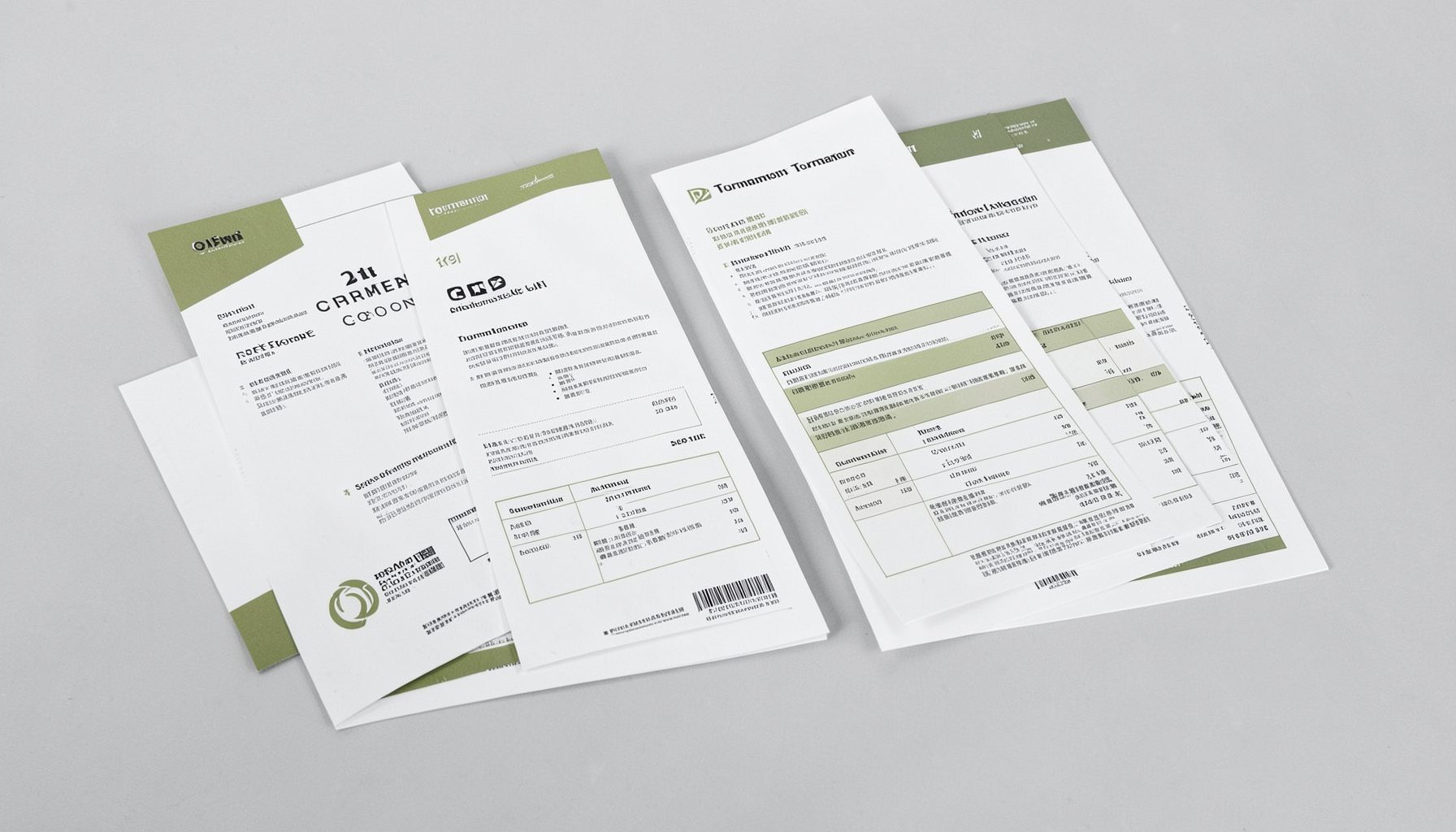
Tournament Packets
Packets from previous Kill Team events are kept here alongside new packets for upcoming tournaments, so organizers and players have what they need in one place.
View Event Data