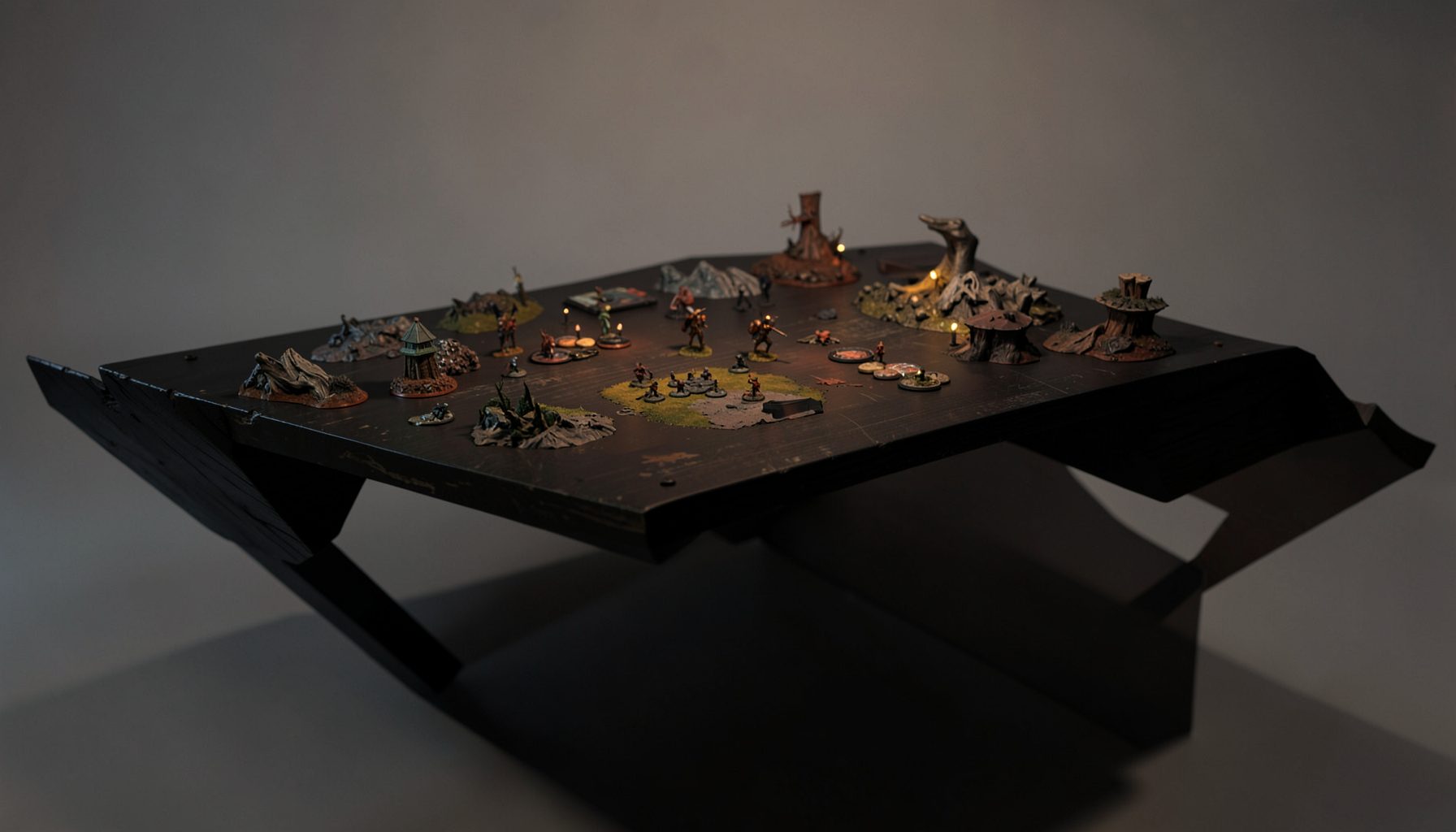
Live-streamed games, recorded matches, and event data gathered in one place.
Kill Team Stream hosts quality live streaming of Kill Team content — tournaments throughout the year on Twitch, regular games streamed to the channel, and tournament data gathered so players can see what's happening in the scene. Powered by WARHAMMER.
Browse tournamentsOfferings
Tournaments
Multiple Kill Team tournaments hosted throughout the year, all live-streamed on our Twitch channel.
Videos
Streams are recorded and uploaded to YouTube alongside original video content we produce.
Event Data
Tournament packets from past events plus resources for upcoming Kill Team tournaments.
Site Directory
Crafting battle reports that captivate Kill Team readers
The Kill Team community runs on shared stories of close-quarters skirmishes where a single activation can swing a match. Written battle reports sit at the heart of that exchange, yet the difference between a forgettable summary and one that draws comments, reposts, and follow-up games often comes down to craft. Many players who film their matches find the writing stage harder than the painting stage, and the gap between a perfunctory log and a piece readers engage with is wider than most hobbyists expect.
Australia has produced thoughtful batrep writers across the wider Games Workshop community, from contributors in Good Games stores in Melbourne to voices emerging from Mantic Games events in Sydney. Streaming platforms make it easier for a player in Adelaide to publish a piece that finds readers in Perth, Brisbane, and Hobart the same evening, especially when event times align with AEST windows. Local appetite for detailed narrative content mirrors the international scene, and Australian writers who sharpen their prose often see their work shared across Kill Team Facebook groups and Discord servers far beyond the country.
A strong report does two things at once: it documents the mechanics so players can learn, and it entertains so casual readers stay through to the end. Most published pieces lean heavily on one side, becoming either dense strategic breakdowns or colourful fiction that hides what happened. Writers who build audiences find a middle path, anchoring storytelling in accurate gameplay while letting characters, terrain, and player reactions carry the drama.
What separates an engaging batrep from a forgettable one comes down to choices a writer can practise and refine. The sections below explore the audience, the writing itself, the mechanics, the visuals, and the way a finished piece can spark conversation long after the dice are packed away.
Knowing your readers and their expectations
Every battle report lands on the desk of at least two readers: the experienced player looking for tactical insight, and the hobbyist or newcomer who wants to feel the excitement of a real game. Recognising both groups changes the way a piece is written. A report that assumes everyone knows what a ploy card does will lose half its audience before the second turn, while one that explains everything slows the action to a crawl for veterans. The trick is layering information, dropping quick reminders of key rules inside a sentence that is primarily about the action unfolding.
Australian tournament culture has shaped a curious readership. Players at Cancon, SHINE Sydney, and the various state championships expect reports that reflect the way their local metagame plays, with the kill teams and terrain setups they recognise from their own clubs. When a writer in Brisbane describes how a Kasrkin player handled cover in a Sub Sector layout, readers from the Westside Wargaming community in Perth instantly picture similar boards. That sense of recognition keeps them reading, and makes them more likely to leave a comment or ask a follow-up question.
Knowing the audience also means writing for the platform. A long-form piece for the Kill Team Stream website can afford depth, photography, and inline tactical notes. A shorter report destined for a Facebook group or Reddit thread needs a punchier opening and tighter paragraphs. Treating each format as a separate genre rather than recycling the same text helps a writer reach more corners of the community without doubling their workload.
Building atmosphere through descriptive writing
Dice results tell readers what happened, but description tells them how it felt. The shift from reporting the result of a charge to describing the moment a player leans forward, holds their breath, and watches the assault dice scatter is what gives a batrep its texture. Sensory details, the clatter of plastic, the weight of the room, the way light catches a freshly painted miniature, anchor the reader in the match.
Australian venues offer rich material for this kind of writing. A report from a Melbourne laneway gaming cafe can mention the smell of coffee drifting through an open door during a tense objective play exchange. A match photographed in a Brisbane hall with high ceilings and afternoon sun streaming across the table gives a writer plenty of colour without inventing anything. Grounding the prose in real surroundings helps readers who recognise the venue, or feel as if they could, become invested in the story.
Atmosphere does not require paragraphs of description. A single well-chosen image, a thrown dice that bounces off a Kill Team token, or a comment from an opponent quoted directly can do more than three sentences of setting. Sprinkling these moments between tactical beats keeps the report lively without bogging it down, and gives readers the sense of being at the table rather than reading a recap.
Structuring the narrative for clarity and flow
A battle report is not a novel, but it still needs structure. Most readers skim before they commit, and a clear shape helps them decide whether to dive in. A short setup paragraph listing the kill teams, the mission, deployment, and any house rules sets expectations. A few sentences on what each player wanted from the game, an aggressive push on one side, a careful hold on the other, gives the match stakes before the dice start flying.
Breaking the action into named phases or turns helps readers track the flow, especially in longer games. Subheadings, bolded key moments, and consistent formatting give the eye something to grab. Australian batrep writers often borrow conventions from local sports journalism, treating each phase like a quarter or a set, with score updates and shifts in momentum noted clearly. The parallel works well because competitive Kill Team has the same rhythm of pressure, response, and counter that draws fans to AFL or NRL commentary.
The closing paragraph is the easiest to neglect. A weak ending leaves readers wondering why they spent ten minutes reading, while a strong one reinforces the takeaway and opens a door to conversation. Summarising what each player learned, the dice luck that shaped the result, and the question both sides are still arguing about afterwards gives the piece a satisfying arc and plants the seed of community engagement.
Communicating mechanics without drowning the reader
Every tactical insight in a battle report is a teaching moment for someone else. The challenge is to communicate the mechanic without turning the prose into a rulebook excerpt. Inline explanations work best when they sit inside an action. Instead of writing a separate paragraph to explain how a ploy card works, fold the rule into the moment the card is played, with enough context that a new reader can follow without consulting the faction rules.
Australian tournament organisers have spent years refining the way rules questions are answered at the table, and that clarity translates well to written work. The batreps that resonate locally use plain language, avoid jargon where a simpler phrase will do, and flag any rule that might be interpreted differently. A short bracketed note, such as a reminder that a markerlight token expires at the end of the phase, costs little and saves readers from scrolling back to earlier paragraphs.
Photographs and annotated screenshots do much of the heavy lifting here. A picture of the board at the start of turn three, with an arrow pointing to a hidden operative and a caption explaining why its position mattered, teaches the lesson in a fraction of the time a paragraph would take. The most engaging reports pair clear prose with visual aids so the reader can absorb information in either format.
Using photography, terrain, and presentation
Strong visuals do not rescue weak writing, but they multiply its impact. Kill Team boards are inherently photogenic, with cluttered terrain, dramatic poses, and painted miniatures that reward close inspection. Treating the report as a visual package, with images chosen for storytelling rather than decoration, lifts the piece considerably.
Australian players have access to a deep bench of talented photographers through clubs like Good Games and Mantic Games, and many of the best regional reports come from writers who trade photography tips the way others trade list-building advice. Natural light from a high window, a plain black cloth as a backdrop, and a consistent camera angle between photos all help a report feel cohesive. Captions that connect each image to a specific moment in the narrative keep the visual and the written working together.
Presentation extends beyond photography. Clean formatting, consistent faction abbreviations, and a brief glossary for any custom rules or terrain changes lower the friction of reading. Local events occasionally run on house rules to suit the venue, and a quick mention of those variations signals to Australian readers that the writer respects the way their own club plays the game.
Sparking conversation beyond the report
A battle report earns its place in the community when readers reply, share, and bring their own experience to the discussion. Writers who finish a piece with a question, a poll, or a callout to specific local players tend to see more engagement than those who simply publish and walk away. Asking which faction readers would have chosen, or inviting local club members to share their own objective play tactics, opens the door to replies rather than ending the conversation.
Tagging the right people, the opponent, the organiser, the photographer, also builds goodwill and signals that the report is part of an ongoing conversation. Australian streaming culture rewards that kind of participation, with Kill Team Stream and similar platforms amplifying pieces that already have momentum in the community. A well-tagged post often gets picked up faster than a buried report with no context.
Follow-up posts that revisit the match a week later, sharing lessons learned, a second game between the same factions, or the post-tournament conversation between the players, keep the thread alive. The Kill Team scene rewards writers who treat their batreps as the start of a discussion rather than the end of one, and the players who build that habit find their audience growing with every match they document.
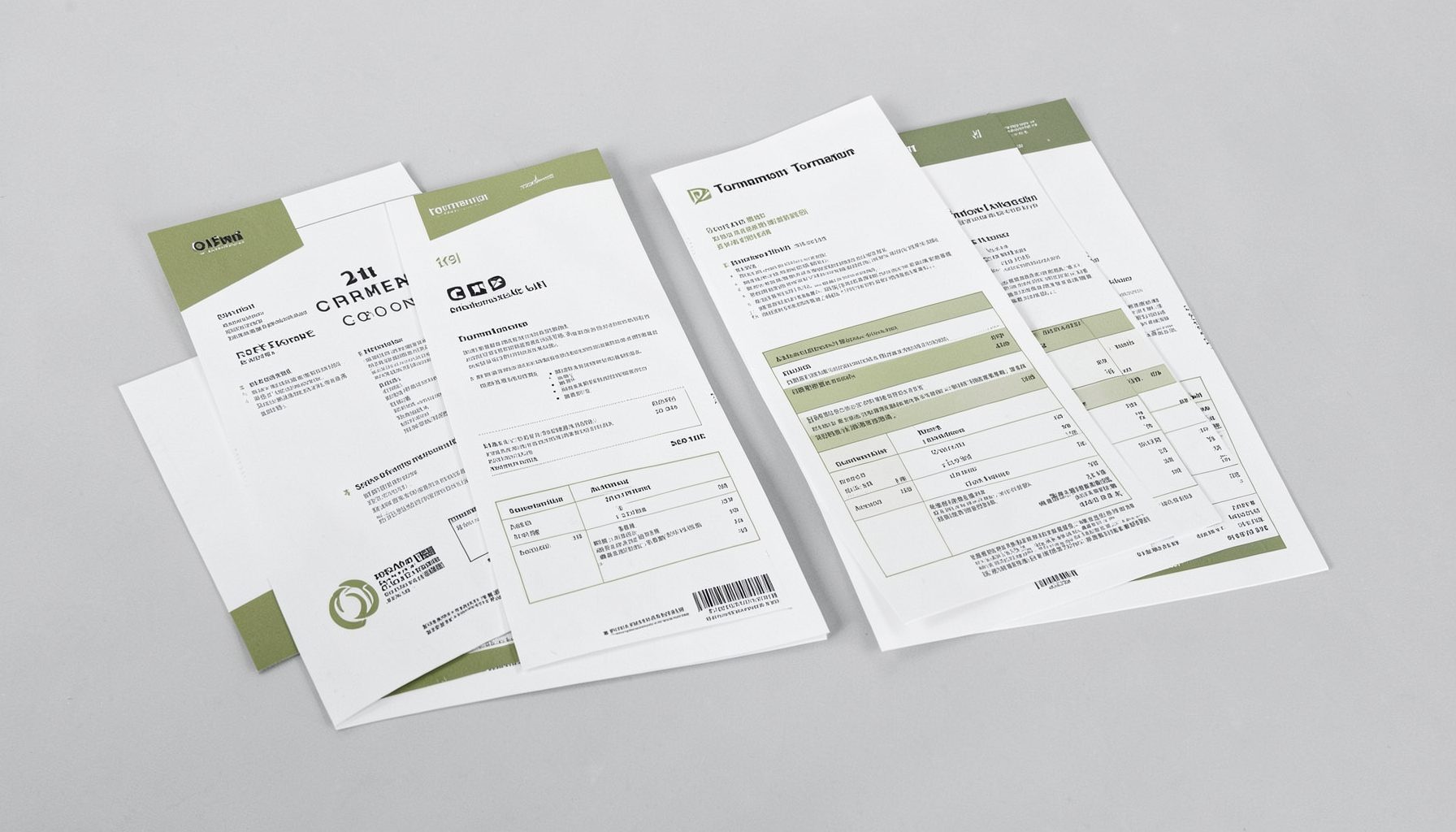
Tournament Packets
Packets from previous Kill Team events are kept here alongside new packets for upcoming tournaments, so organizers and players have what they need in one place.
View Event Data