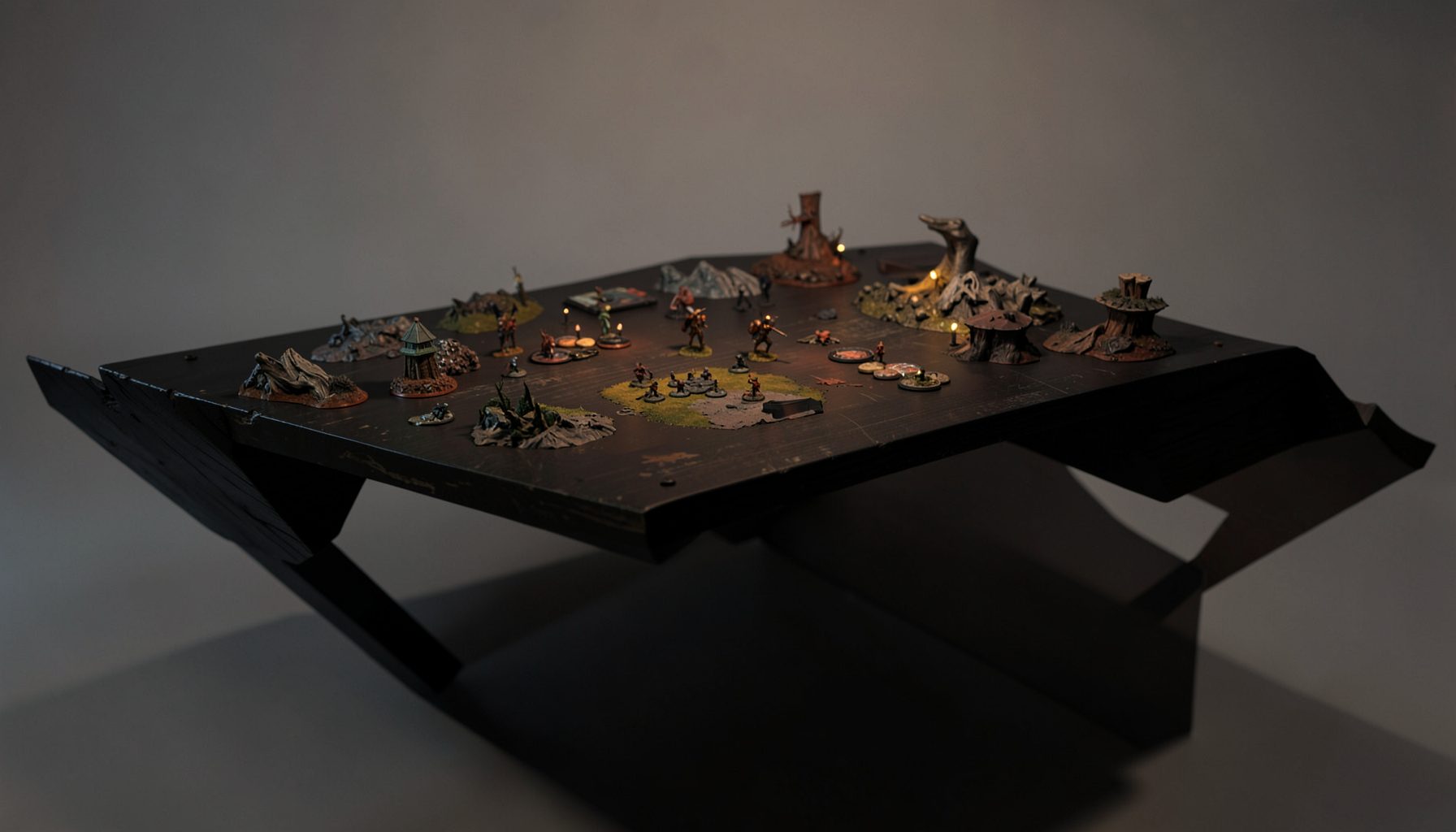
Live-streamed games, recorded matches, and event data gathered in one place.
Kill Team Stream hosts quality live streaming of Kill Team content — tournaments throughout the year on Twitch, regular games streamed to the channel, and tournament data gathered so players can see what's happening in the scene. Powered by WARHAMMER.
Browse tournamentsOfferings
Tournaments
Multiple Kill Team tournaments hosted throughout the year, all live-streamed on our Twitch channel.
Videos
Streams are recorded and uploaded to YouTube alongside original video content we produce.
Event Data
Tournament packets from past events plus resources for upcoming Kill Team tournaments.
Site Directory
Managing Your Command Pool Through Every Turning Point
Kill Team rewards players who treat every action point like currency, and few resources are as precious as the command pool sitting on your faction roster. Spend it too early and you will find yourself pinned without support during a critical Objective Secured push. Hoard it too long and the late game swells with unspent points that could have secured a victory point or denied your opponent an easy kill. The tournament scene across Australia, from the weekend events at Good Games Sydney to the larger gatherings hosted in Melbourne and Brisbane, shows how top players squeeze every drop of value from this shared pool. Whether you are rolling dice in Adelaide or watching a stream from a Perth couch at 2am because the time zones finally work in your favour, the same logic applies: deliberate allocation beats reactive scrambling.
Most commanders enter the first Turning Point with a comfortable-looking total and a vague plan to spend on whatever feels urgent. That approach works against casual lists but collapses fast against opponents who punish hesitation. Studying the kill team event data on competitive matchups reveals that winning players almost always have a defined purpose for each point before the dice are rolled. They know which operatives they want to activate twice, which ones will receive a strategy ploy, and which turns are best reserved for tactical flexibility. Treat the pool as a finite budget rather than an emergency fund, and your decision-making becomes clearer from the very first activation.
The rest of this guide walks through the principles that separate steady commanders from chaotic ones. You will see how to read the match state, when to spend and when to save, how to pivot when a plan fails, and how to refine your choices using evidence from real games. The aim is not to memorise a strict order of spending, but to build a flexible framework that holds up against veteran opponents. By the final Turning Point, you want to look back at your pool usage and feel confident that each point earned its place.
Reading the Pool Before the First Turning Point
Before any model moves, take a moment to count the points available and compare them to the operatives you actually plan to use aggressively. Many rosters look balanced on paper but leave you with a pool that fights against your own game plan. A list built around a single damage-dealing operative might burn through points in TP1 trying to get that operative into position, while a roster with three control pieces spreads the resource naturally across the match. During recent Brisbane Showdown qualifiers, several competitors discovered their initial pool was either too tight or too loose for the kill teams they had chosen, costing them objectives they should have banked.
A useful pre-game habit is to map out a rough spending plan on a scrap of paper or in a notes app. You do not need to lock in every ploy, but identifying your priority activations helps you resist the urge to spend reactively. Some Australian players keep a printed cheat sheet with their team's faction rules tucked inside a carry case, ready to consult between turns at busy venues like the Maelstrom Games store or the local clubs running in Hobart and Canberra. The act of writing the plan down forces a decision, and the document becomes a reference point when fatigue or pressure makes you second-guess yourself.
Equally important is considering the opponent's likely spending pattern. If you know their kill team leans on a particular combo, you can anticipate the points they will need and plan to deny or race them. This is not mind-reading; it is the same logic that helps a chess player think two moves ahead. Tournament players from Perth often comment on how the quieter, late-night streaming sessions let them study match footage in detail, building a mental library of how specific factions spend their resources. Carry that knowledge into your own games and your first Turning Point stops feeling like a guess.
Tracking Opponent Behaviour Across the Match
The pool only matters in relation to what your opponent is doing with theirs, so live tracking becomes a competitive skill in its own right. Keep a running note of every ploy and re-roll they have used, even if the exact rule slips your mind mid-battle. The count tells a story. By the end of TP2, a competent opponent will have spent roughly the same proportion as you, and any sudden imbalance hints at a delayed power play. Tournament data published through match archives and competitor statistics shows that late-game swings frequently come from players who noticed a quiet opponent and adjusted their own timing accordingly.
Communication plays a role here, but so does observation. Watch the dice, watch the order of activation, and note when your opponent hesitates. A pause before activating a fragile operative usually means they have already committed a defensive ploy elsewhere and lack the points to support that model. Some veterans at Sydney gaming halls use a small token or coin on their side of the table to track their pool totals, refreshing the count at the start of each Turning Point. The visual cue reduces mental load and stops you from forgetting what is still in reserve.
Australian tournament culture also rewards players who ask polite questions after matches. Most competitors are happy to explain their pool usage once the dust settles, and those conversations reveal habits you would never spot from the other side of the table. When you travel to events in Melbourne or regional centres like Geelong, grab a coffee with a few opponents and compare notes. The shared insights quickly add up, sharpening your in-game reading without any extra study time.
Prioritising Spending in the Late Turning Points
TP3 and TP4 are where the pool either saves you or exposes you, and the temptation to spend everything in the late game is a trap that catches even experienced players. Holding back a single strategic ploy for the final Turning Point gives you a guaranteed response to whatever your opponent tries, and that safety net often matters more than an extra activation earlier in the match. At the recent Adelaide Open, the winning captain explained after the final that she had deliberately saved one Command Point for TP4 so she could answer her opponent's last-ditch objective play, turning a probable loss into a drawn game that went to kill counts.
Matching spending to objectives is the other key skill. If a Primary mission rewards holding a specific zone in TP3, your pool should be primed to support the operatives contesting that zone, even if it means leaving another part of the board under-supported. Skipping secondary spending in TP2 because nothing critical is happening is perfectly valid. The pool is not a debt that must be paid each Turning Point; it is a toolbox you reach into only when the situation demands. Several Australian players have shared on Kill Team Stream that their best tournament runs came from conservative TP2 spending followed by aggressive TP3 bursts, rather than a steady drain across every turn.
Finally, respect the time it takes to actually use the pool well. A long, considered TP4 with a tight pool outperforms a rushed TP4 with a full reserve that you spend badly under pressure. Practise your late-game decisions in casual games at your local club, even if the stakes feel low. The muscle memory you build between Sydney Sunday sessions or Friday night gatherings in Brisbane will hold up when the round clock matters and your opponent is leaning across the table. Slow down, breathe, and let the framework you built earlier guide the choices in front of you.
Pivoting When the Original Plan Collapses
No plan survives contact with the dice, and the best captains are the ones who recognise failure quickly and redirect their remaining pool toward a viable alternative. The first sign of trouble usually comes from a wasted activation or a missed charge that was central to your opening strategy. Rather than doubling down, take stock of what you have left and what your opponent is now likely to spend on the counter-attack. This is the moment where earlier tracking pays off, because you already know whether they have defensive resources in reserve or whether their pool is already stretched.
A useful pivot is the trade-up mindset, where you accept a lost operative in exchange for a tempo swing on objectives. If your assault operative falls early, redirect your pool toward a backfield holder who can still contest a Primary marker. Australian players often describe this as the swap-the-bait approach, a phrase that pops up on local podcasts and in store chatter across Melbourne suburbs. The pool lets you fund that shift by supporting the surviving model with a re-roll or a movement ploy, so the emotional cost of the trade gets softened into a positional gain.
Confidence matters here as well. Panicked spending burns points without solving the underlying problem, and you end up with an empty pool and a worse board state. Competitors who have attended major events like CanCon in Canberra often share a simple rule: pause for ten seconds after any major setback, confirm the new plan aloud if the venue allows it, and only then commit points. The pause costs nothing and prevents the cascade of bad decisions that turn a recoverable game into a total collapse. Trust the framework you built before the match and let the pool serve the new reality.
Refining Your Approach Through Honest Reflection
The work does not end when the final dice are rolled, because the most valuable lessons hide in the moments after the result is decided. Spend a few minutes recapping how the pool actually flowed across the match, comparing your real spending to the plan you wrote before TP1. Any divergence between the two reveals either a flaw in your preparation or a hole in your tactical reading, and both are worth addressing before the next round. Tournament players who log their pool use on a phone note or spreadsheet consistently improve faster than those who rely on memory alone.
Post-game analysis also benefits from outside evidence. Studying match data, comparing your decisions to the patterns visible in the wider meta, and reviewing footage from your own games turns anecdote into evidence. Australian competitors have access to a growing library of recorded matches on platforms like Kill Team Stream, and those resources make it easy to spot when a particular faction habitually spends early or conserves for a late push. Cross-reference your own rounds with that material and you start to see the small adjustments that separate solid play from genuinely sharp play.
Bring those adjustments into your next preparation session, rewrite your pre-game plan, and test it in a casual game before the following tournament. The cycle of plan, play, reflect, refine is the same one used by serious competitors across the country, from the casual tables in Perth gaming cafés to the high-pressure finals in Sydney and Melbourne. Treat the command pool as a tool you are continuously learning to wield, and the resource will reward you with tighter decisions and stronger finishes across every Turning Point you play.
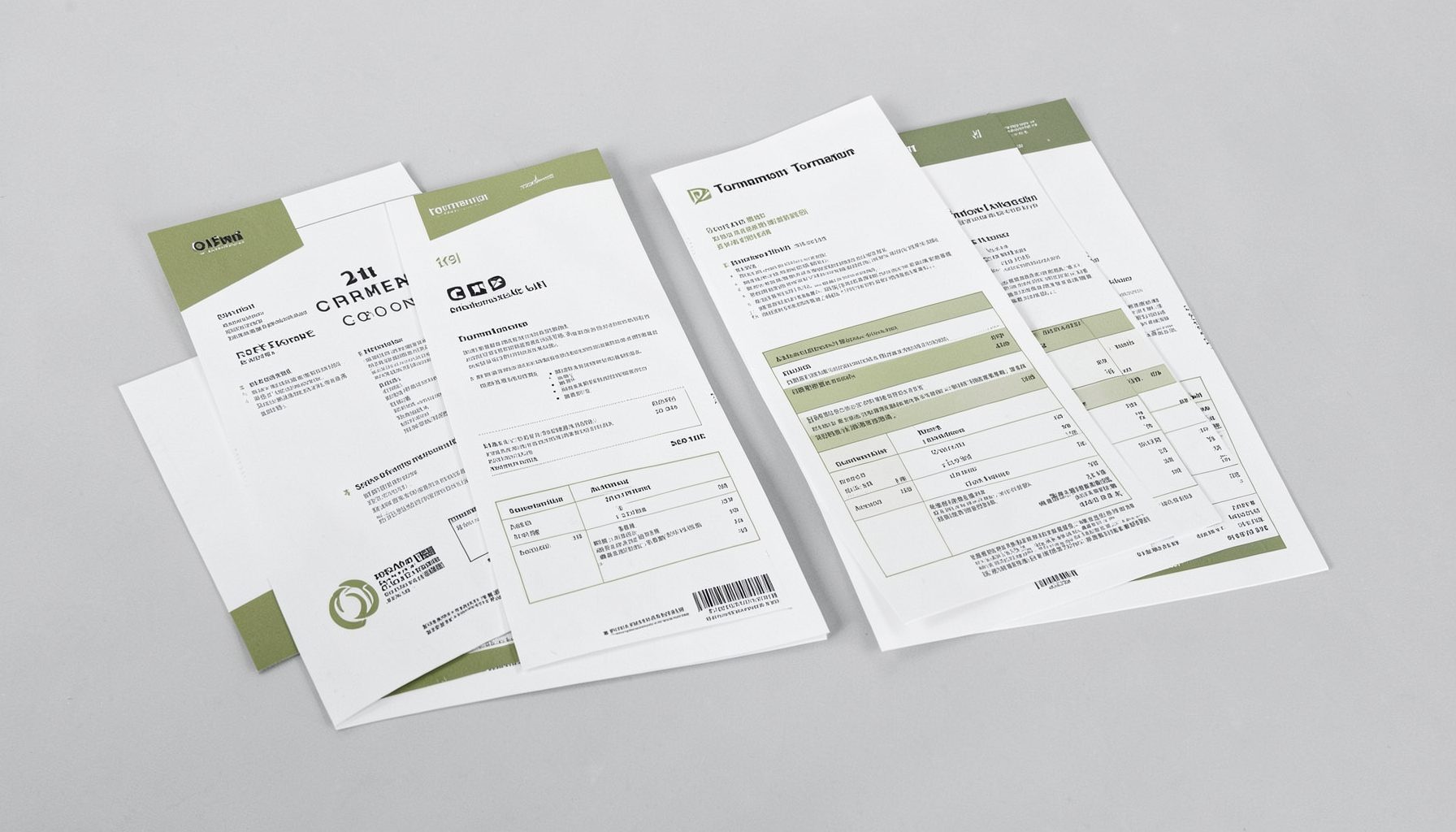
Tournament Packets
Packets from previous Kill Team events are kept here alongside new packets for upcoming tournaments, so organizers and players have what they need in one place.
View Event Data