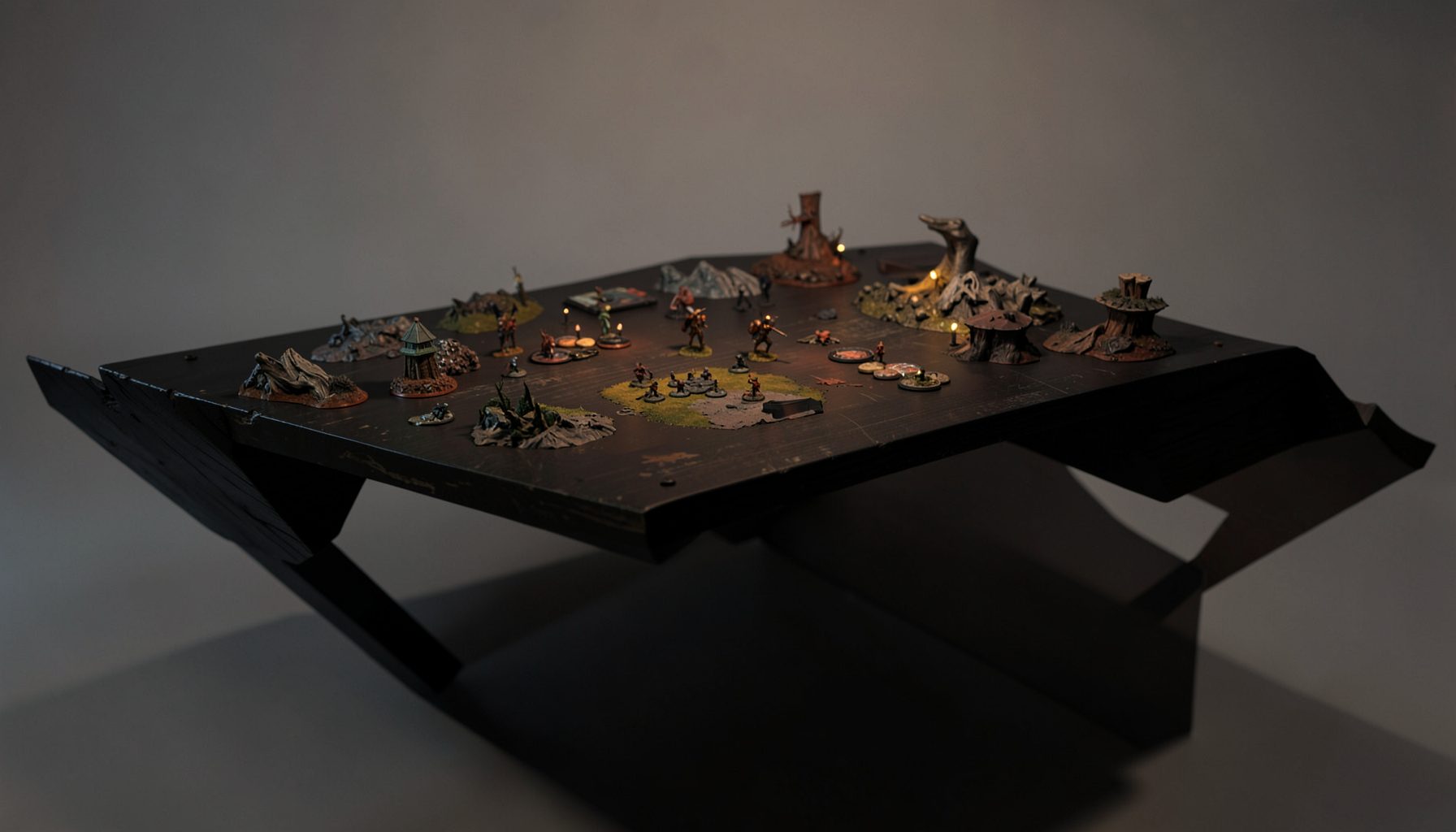
Live-streamed games, recorded matches, and event data gathered in one place.
Kill Team Stream hosts quality live streaming of Kill Team content — tournaments throughout the year on Twitch, regular games streamed to the channel, and tournament data gathered so players can see what's happening in the scene. Powered by WARHAMMER.
Browse tournamentsOfferings
Tournaments
Multiple Kill Team tournaments hosted throughout the year, all live-streamed on our Twitch channel.
Videos
Streams are recorded and uploaded to YouTube alongside original video content we produce.
Event Data
Tournament packets from past events plus resources for upcoming Kill Team tournaments.
Site Directory
Building a National Network for Kill Team Organisers
The Kill Team scene in Australia has grown steadily over the past few years, with weekend events now happening in suburban game stores from Parramatta to Perth. Each new tournament organiser brings fresh ideas, painted killteams and an enthusiastic crowd, but the work behind the scenes often happens in isolation.
Networking with other event-runners turns that isolation into a shared library of knowledge. When a Melbourne TO asks how to handle a tricky rules dispute, someone in Brisbane may have already drafted a clear ruling sheet. When a Sydney venue needs terrain, a hobby mate in Adelaide might have spare walls and crates ready to ship.
This piece looks at practical ways to build those relationships, from local store meet-ups to online resource-sharing, with an eye toward the unique challenges of running events across such a vast country.
Connecting Through Local Game Stores
The first nodes of any organiser network are usually the friendly local game stores where the community already gathers. Stores like Mighty Games on the north shore of Sydney, Ace Comics in Melbourne's CBD, and Orc's Nest in Brisbane have become home bases for Kill Team groups who meet weekly to throw dice and chase achievements.
Building a relationship with the staff at these stores pays off quickly. Many owners are happy to negotiate bulk terrain hire, split printing costs for event packs, or even cross-promote a neighbouring store's tournament in their newsletter. A quick chat over a flat white and a lamington at the counter often opens doors that emails cannot.
For newcomers, the trick is to show up consistently. Attend a few local RTTs, volunteer to help set up tables, and offer to write a short recap for the store's socials. Once you are recognised as a reliable pair of hands, store owners will begin introducing you to other organisers in their wider network.
Joining the Right Discord Servers and Online Groups
Discord has quietly become the central nervous system for Australian tabletop organisers. Servers dedicated to Kill Team run 24-hour chats that span every time zone from Perth to the east coast, making it easy to ask a quick question at 2am and find someone still awake on the other side of the country.
Beyond Discord, dedicated Facebook groups for each capital city keep the conversation grounded in local realities. The Sydney Kill Team group, for example, often discusses parking options near venues in the inner west, while the Melbourne chapter swaps tips on which tram routes drop players closest to gaming halls in Carlton and Brunswick.
When joining these spaces, lurk before you leap. Read the pinned posts, learn the local slang (expect words like "arvo" and "brekkie" to appear in casual conversation), and only post once you have something constructive to add. Once you have earned trust, you'll find other organisers willing to share their event packs, banner templates, and prize pool spreadsheets.
Sharing Terrain, Hobby Supplies and Physical Resources
Terrain is one of the biggest expenses for any small tournament organiser. A single themed board can cost more than an entry fee, and most Australian hobbyists keep their prized creations safely locked in spare bedrooms, away from the harsh summer heat and curious pets.
A practical approach is to set up a terrain library shared between three or four trusted TOs in your region. One organiser might own a wealth of Sector Mechanicus ruins, another a stack of Imperialis ships, and a third a stockpile of industrial platforms. By pooling these collections, everyone gets more variety without doubling their spend on cardboard and plastic.
When resources need to cross state borders, Australia Post's Parcel Post remains the most reliable option, though couriers like Startrack often handle bulk shipments faster for time-sensitive events. Always photograph and weigh the package before sending, and include a simple loan agreement in the box so the gear returns home after the tournament weekend.
Comparing Tournament Software and Reporting Tools
Reliable software is the backbone of any successful event, and few things bond organisers faster than commiserating over a crashed laptop at 9am on a Sunday morning. Most Australian events still rely on Best Coast Pairings for Swiss rounds and pairing logic, while a growing number of TOs experiment with bespoke spreadsheets for tiebreakers tailored to local house rules.
A good place to start when researching event infrastructure is the casino ticket support system facts page, which lays out how structured support tools can smooth out registration headaches on busy mornings. Although the article focuses on a different kind of tournament, the principles of clear ticket trails and accountability translate well to Kill Team events where lost receipts can cause real disputes.
Beyond software, building a shared folder of event packs, rules documents and result spreadsheets helps everyone. Tools like Google Drive, Dropbox and OneDrive are common, but always check the privacy settings before uploading player emails and phone numbers. Australian privacy principles under the Privacy Act 1988 require you to handle personal data with care, so a simple password-protected folder often suffices for small community events.
Cross-Promotion and Building Player Pools
A strong network doesn't just share resources; it actively funnels players from one event to another. When a TO in Adelaide runs a successful RTT, a quick shout-out in the Sydney or Brisbane Discord can fill tables for a counterpart's next big tournament.
Many Australian organisers use a circuit model, where running well-attended smaller events earns you an invite to the larger regional majors. This kind of merit-based ladder keeps the competitive scene healthy and rewards TOs who turn up consistently, run fair games and look after newcomers. Cross-promotion through local gaming influencers on Twitch and YouTube also helps, particularly when streamers are willing to share match VODs that highlight each event's unique terrain or narrative twists.
For newcomers, the best way to plug into this circuit is to volunteer at one of the major Australian events, such as Cancon in Canberra, before attempting to run your own major. You'll meet dozens of TOs face-to-face, see how they handle prize support and player disputes, and walk away with a contact list that no online search can replace.
Navigating Logistics, Insurance and Local Rules
The boring side of organising quickly becomes the most important. Public liability insurance, venue hire agreements and council permits vary wildly between councils, and what works for a Saturday arvo session in Parramatta may not fly for a Hobart tournament held in a heritage-listed building.
TOs running paid competitions should also be aware of the Goods and Services Tax. If your prize support and entry fees push your annual takings above the GST threshold, you must register for an Australian Business Number and lodge BAS statements quarterly. A few hours with a local accountant saves weeks of headaches later, and many regional TOs share their go-to bookkeepers through the organiser Discord servers.
Insurance is another shared resource worth pooling. Some Australian gaming communities negotiate group public liability policies through hobby organisations, dramatically reducing the per-event premium. Always read the policy exclusions carefully, though, as some insurers exclude competitive wargaming or charge extra for events involving sharp hobby knives and superglue.
Strengthening the Network Through Regular Catch-Ups
A network is only as strong as the relationships that hold it together. Once you have built a small group of trusted co-organisers, schedule a quarterly catch-up, whether that's a video call, a Discord voice chat, or a face-to-face meet-up over a parma at your local pub.
These catch-ups work best with a loose agenda. Share what worked at your last event, discuss what flopped, and swap notes on upcoming releases, terrain trends, and rules changes from Games Workshop. Many Australian TOs also use these chats to plan joint events, such as a Sydney-Melbourne online Showdown held simultaneously across both states, or a coastal road-trip narrative campaign that travels between Brisbane and the Gold Coast over a long weekend.
For organisers looking beyond the local scene, the international organiser network offers an interesting comparison. Canadian and European TOs face similar challenges around distance, language and hobby supply chains, and many of their solutions translate surprisingly well to Australian conditions. A simple email introducing yourself and your event calendar is often enough to open a trans-Pacific dialogue, and you may find yourself trading terrain photos and rules rulings with someone in Toronto or Berlin by the end of the month.
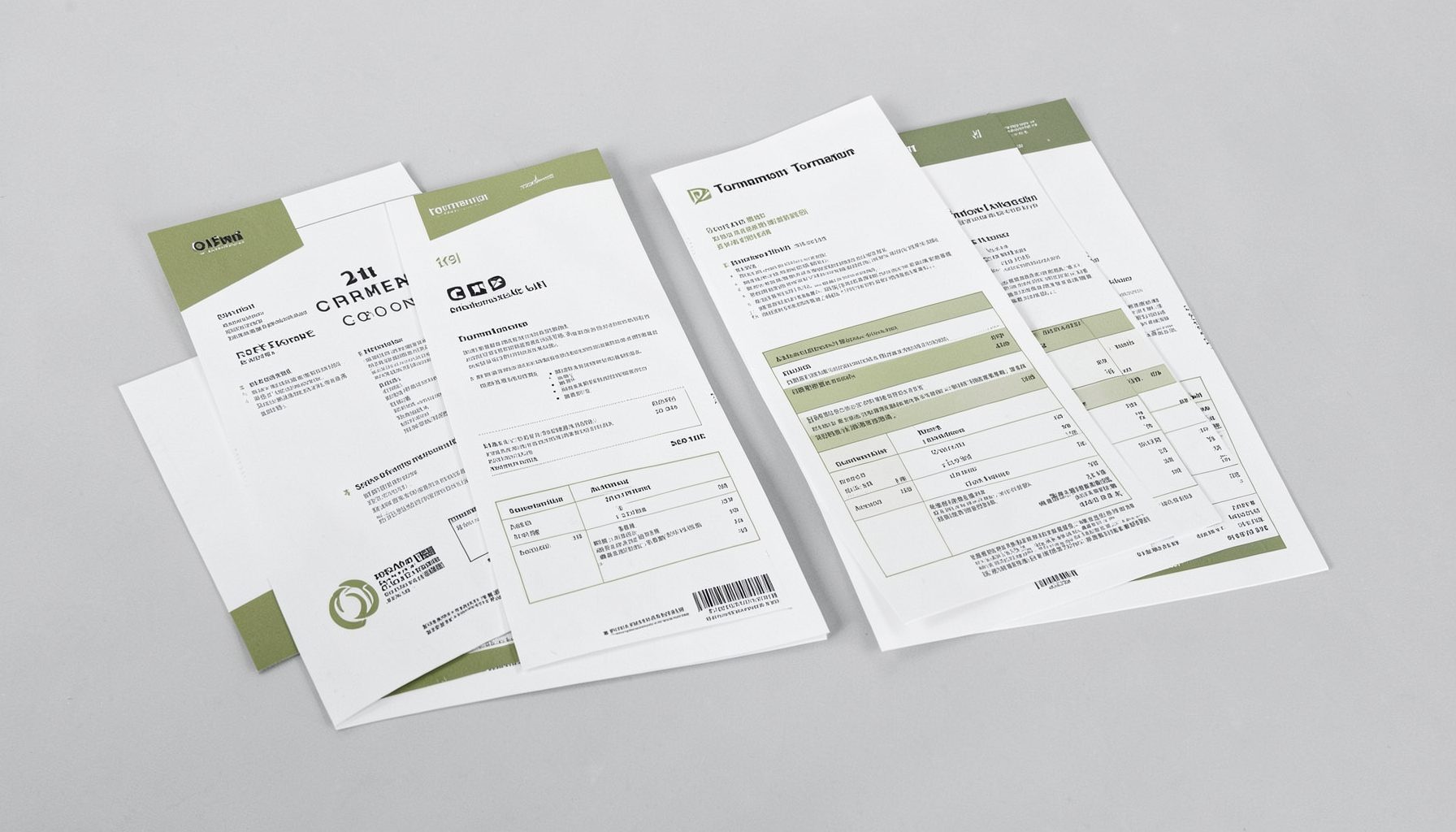
Tournament Packets
Packets from previous Kill Team events are kept here alongside new packets for upcoming tournaments, so organizers and players have what they need in one place.
View Event Data