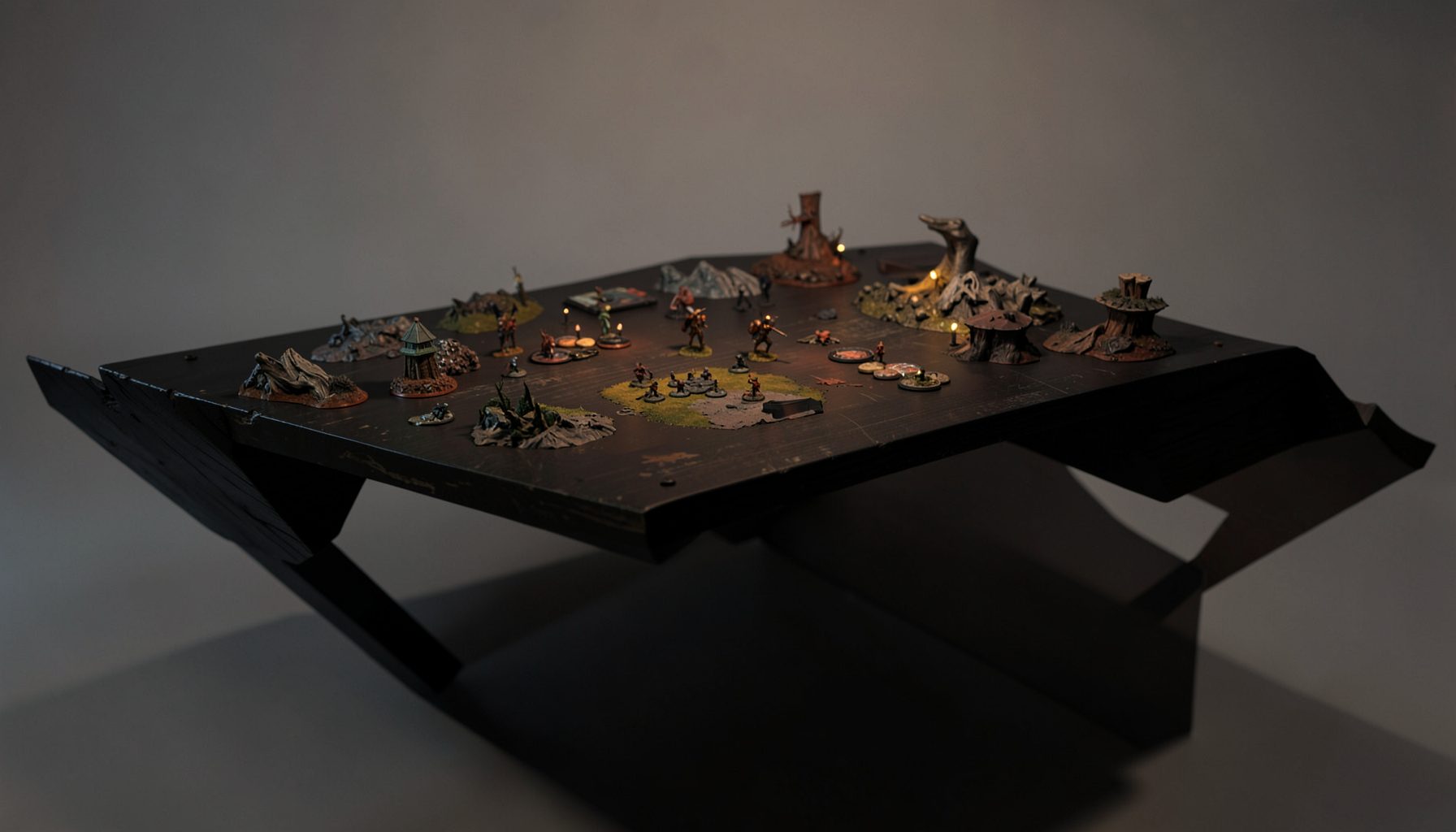
Live-streamed games, recorded matches, and event data gathered in one place.
Kill Team Stream hosts quality live streaming of Kill Team content — tournaments throughout the year on Twitch, regular games streamed to the channel, and tournament data gathered so players can see what's happening in the scene. Powered by WARHAMMER.
Browse tournamentsOfferings
Tournaments
Multiple Kill Team tournaments hosted throughout the year, all live-streamed on our Twitch channel.
Videos
Streams are recorded and uploaded to YouTube alongside original video content we produce.
Event Data
Tournament packets from past events plus resources for upcoming Kill Team tournaments.
Site Directory
How to Run a Friendly Kill Team Tournament at Your Local Store
A small Kill Team tournament can turn a regular gaming night into a memorable community event. It gives players a reason to paint a squad, practise their tactics and meet others who enjoy the game, while the store gains a lively afternoon of gaming and a chance to introduce new customers to the hobby.
The best events are welcoming, organised and easy to understand. You do not need a large prize pool, a complex tournament software setup or dozens of players. With a clear format, suitable terrain, reliable timings and a little local promotion, a friendly competition can run smoothly in almost any Australian game store.
Agree On The Format And Venue
Start by speaking with the store owner or manager well before announcing the event. Confirm the available date, table capacity, opening hours, entry fee, terrain policy and whether the store can sell food or drinks during the day. A Saturday event may attract more players, but Sunday can be easier for stores with fewer regular activities. Check the local calendar as well: school holidays, major sporting weekends and large conventions can significantly affect attendance in cities such as Sydney, Melbourne, Brisbane and Perth.
For a first tournament, aim for eight to sixteen players. This is large enough to create a competitive atmosphere but small enough for one organiser to manage. Three rounds of around two hours each work well, with a lunch or afternoon break depending on the start time. Add time for registration, pairings, table changes and questions. A timetable that looks generous on paper will usually feel realistic once dice, rules checks and movement between rounds are included.
Decide whether the event is a casual tournament, a competitive practice day or a beginner-focused gathering. That choice should shape the rules packet and the tone of the announcements. A friendly event can still use proper pairings and standings, but it should make clear that sportsmanship, learning and community matter more than winning every game.
Prepare Rules, Terrain And Player Information
Create a short event packet and publish it at least a week before the tournament. Include the date, venue address, start time, entry cost, expected number of rounds, faction or team requirements, scoring method, painting expectations and contact details. State which official rules and approved updates apply. Kill Team rules can change, so specify the edition, balance documents and mission pack being used rather than assuming everyone will bring the same material.
Ask players to bring their operatives, datacards, tokens, dice, measuring tools and a copy of the relevant rules. The organiser should still keep spare measuring sticks, tokens, objective markers and printed reference material available. A new player may arrive with a borrowed team and limited equipment, and that should be treated as a normal part of a community event rather than a problem.
Terrain has a major effect on the experience. Prepare balanced layouts before the day, with enough cover and line-of-sight-blocking pieces to create meaningful decisions. Number the tables and photograph each layout if possible. This prevents arguments about where terrain belongs after a round and allows players to reset the board quickly. If the store has limited scenery, ask regulars to bring extra pieces and label them clearly.
| Event Element | Practical Choice For A Friendly Day | Why It Works |
|---|---|---|
| Player capacity | 8–16 players | Easy to manage with one organiser |
| Number of rounds | 3 rounds | Provides variety without making the day exhausting |
| Game length | About 2 hours | Allows time for rules questions and table resets |
| Terrain | Pre-set, numbered layouts | Keeps tables consistent between rounds |
| Pairings | Swiss-style rounds | Matches players with similar results |
| Prizes | Store voucher, small hobby item or certificates | Rewards participation without creating pressure |
| Required equipment | Team, rules, dice, tokens and measuring tools | Reduces delays and forgotten essentials |
Build A Welcoming Tournament Day
Promotion should begin through the store’s social media, Discord server, email list and regular gaming nights. Use plain language and state that beginners are welcome if that is the intention. A post that includes the cost, schedule, registration method and what players need to bring will receive better responses than a dramatic announcement with few practical details. In Australia, include the price in Australian dollars and mention parking, public transport or nearby food options when relevant.
Local wording can make the event feel approachable. A store in Adelaide might promote an afternoon event that avoids the worst summer heat, while a venue near central Melbourne may need to highlight tram access and limited parking. In Queensland, air conditioning and hydration can matter during a long gaming session. These small details show that the organiser understands the conditions players actually face rather than treating the tournament as an abstract online event.
Use a simple registration list with player name, contact details, chosen team and experience level. Ask whether anyone needs a loan team, extra terrain or accessibility support. Keep a reserve list in case of cancellations, which are common when players travel across a large Australian city or have weekend work commitments. Confirm attendance a few days before the event and explain the refund or transfer policy clearly.
On the morning, place a welcome sheet near the entrance and identify yourself as the organiser. Give a short briefing before the first round covering sportsmanship, slow play, dice cocking, rules questions, score submission and what happens if a player is late. Encourage opponents to solve minor uncertainties together, while making clear that the organiser has the final call when a ruling is needed.
Run Pairings, Scores And Game Flow
Swiss pairings are a practical choice for a friendly Kill Team event. In the first round, pair players randomly or seed them by experience. After that, match players with similar records and avoid repeat pairings where possible. A spreadsheet, tournament app or printed pairing sheet can all work. The important thing is that every player can quickly find their opponent, table number and round deadline.
Use a scoring system that is easy to explain. Players can receive points for a win, draw or loss, with secondary measures such as victory points or mission score used as tiebreakers. Keep the system consistent with the selected rules pack where possible. Print score slips or provide a shared digital form, then check unusual results before publishing the next round.
A visible clock helps keep the day moving. Announce when a round begins, give a halfway reminder and call the final few minutes. If a game runs late, speak to both players privately and establish the current score rather than allowing one table to delay the entire event. Offer a clear procedure for unfinished games, such as recording the board state and applying the event packet’s result method.
The organiser should avoid playing unless another experienced person can handle questions and pairings. Even a small event creates interruptions: a missing score, a disputed measurement, a player looking for a rules clarification or a table that needs resetting. A dedicated organiser gives everyone a better experience and can observe whether the timing, terrain and format worked well.
Offer Prizes And Strengthen The Local Community
Prizes should support the atmosphere you want to create. A small store voucher, paint set, accessory, certificate or donated hobby item is usually enough. Consider awards for best painted team, best sportsmanship, most improved player and a memorable moment, alongside the overall winner. This recognises contributions that make the tournament enjoyable and gives newer players a reason to stay involved.
Keep the entry fee transparent. It may cover table hire, store credit, prize support, administration and a small contribution to the venue. Ask the store whether participants can receive a discount on purchases during the event, or whether the tournament can be tied to a product launch or hobby demonstration. Do not assume every player will spend extra money, but a well-run gathering can introduce the store to future regular customers.
Take a few photos with permission, record the final standings and write a short event report. Share results through the store’s channels or a local Kill Team group, including the winning teams and sportsmanship award. A simple recap helps players remember the day and gives absent hobbyists a clear idea of what the next event may feel like. It can also connect the store’s community with broader tournament coverage and competitive discussion.
Finish by thanking the venue, helpers and players before everyone leaves. Pack terrain carefully, return borrowed equipment and settle any outstanding store payments that day. A recurring monthly or quarterly event becomes much easier after the first one because players understand the routine, the store knows the workload and the local community begins to plan around it. With fair rulings, clear communication and a relaxed atmosphere, a modest game day can become a dependable part of the local Kill Team calendar.
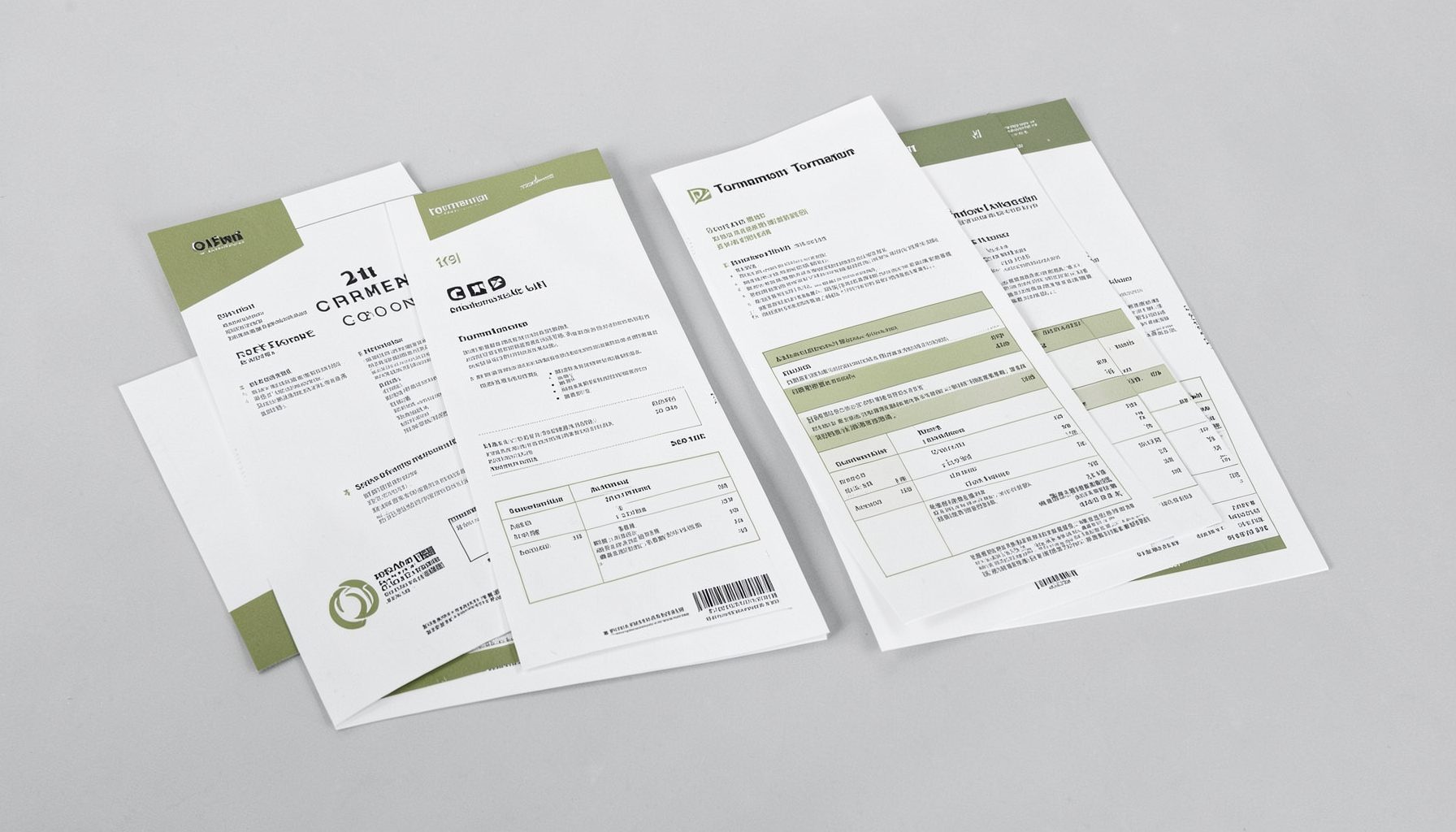
Tournament Packets
Packets from previous Kill Team events are kept here alongside new packets for upcoming tournaments, so organizers and players have what they need in one place.
View Event Data