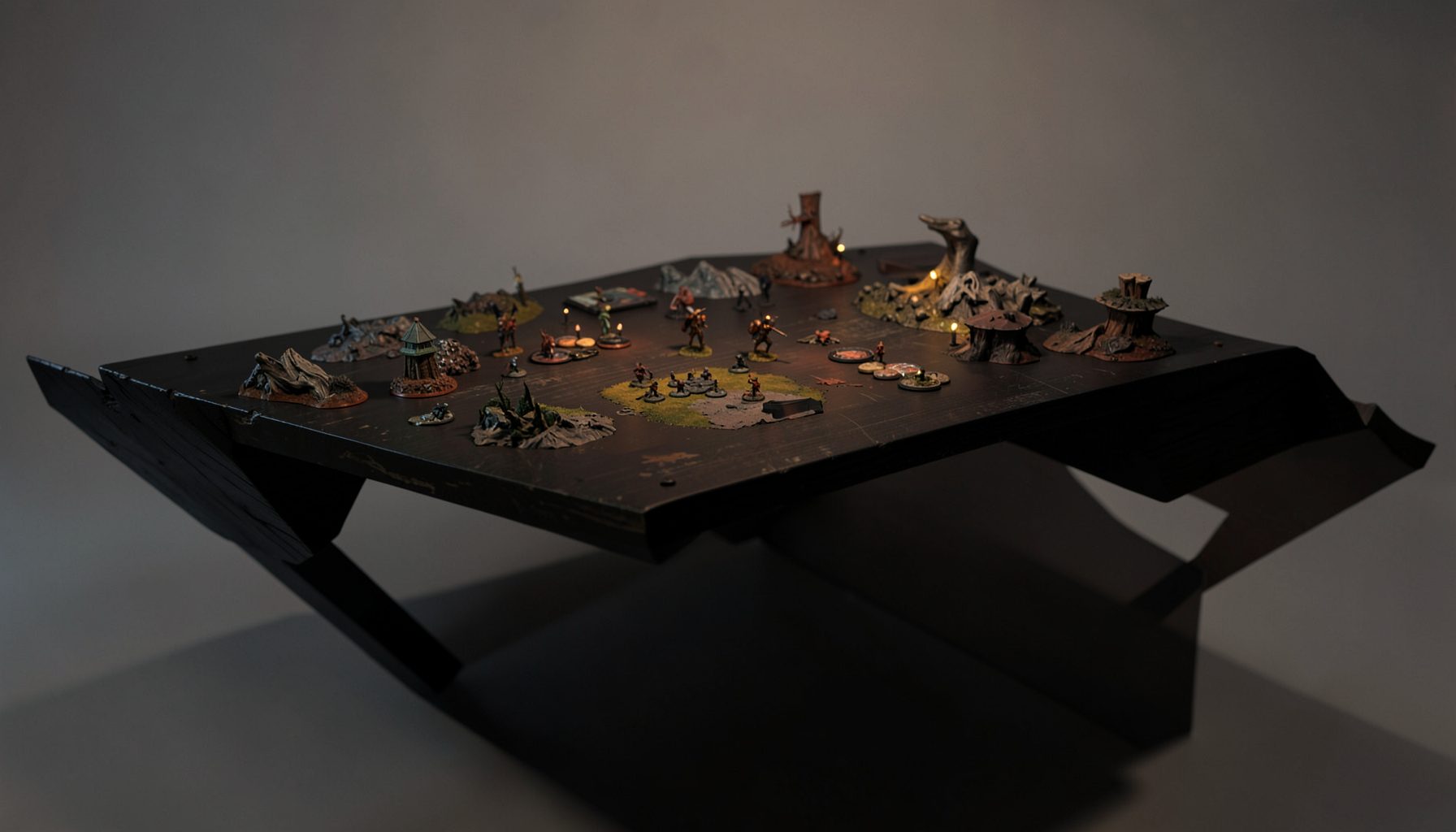
Live-streamed games, recorded matches, and event data gathered in one place.
Kill Team Stream hosts quality live streaming of Kill Team content — tournaments throughout the year on Twitch, regular games streamed to the channel, and tournament data gathered so players can see what's happening in the scene. Powered by WARHAMMER.
Browse tournamentsOfferings
Tournaments
Multiple Kill Team tournaments hosted throughout the year, all live-streamed on our Twitch channel.
Videos
Streams are recorded and uploaded to YouTube alongside original video content we produce.
Event Data
Tournament packets from past events plus resources for upcoming Kill Team tournaments.
Site Directory
A Weekend Painting Sprint for Your Next Kill Team Tournament
A tournament-ready Kill Team does not need display-case perfection. It needs clean, readable models with enough contrast to identify operatives quickly, durable finishes that survive transport, and a unified appearance across the squad. A focused weekend can deliver that result if you make decisions before the first coat of paint goes on.
The key is to treat the project as a timed production job rather than an open-ended hobby session. Choose a manageable colour scheme, simplify areas that will barely be seen across the table, and reserve time for basing, varnishing and repairs. That approach works particularly well when an event in Melbourne, Sydney or Brisbane is only days away.
Choose a realistic weekend target
Begin by checking the tournament date, arrival time and the number of models required. A ten-operative team with large scenic bases demands a different plan from a six-model elite squad. Count every model, drone, token and objective marker that you intend to bring, then inspect the sprues for mould lines and missing parts.
| Project type | Sensible weekend goal | Best approach |
|---|---|---|
| Elite team | 5–7 models | More detail on armour, faces and weapons |
| Standard infantry team | 8–12 models | Block colours and repeat the same steps |
| Horde-style roster | 12+ models | Use a restrained palette and batch painting |
| Partly painted team | Any size | Prioritise consistency and repairs |
| Freshly assembled team | Any size | Build, prime and paint only the tournament roster |
A useful target is “tabletop ready”, not “competition display standard”. Every model should have its main colours, a shade or dark recesses, a highlight on important edges, a finished base and a protective coat. If time is tight, paint only the legal roster you are most likely to use rather than the entire collection.
Plan the palette before Friday night
Limit the scheme to three dominant colours, one metal, one leather or neutral tone, and a spot colour for lenses, energy effects or squad markings. A restrained palette speeds up brush cleaning and prevents the team from looking visually confused. For example, dark blue armour, warm grey cloth, brass weapons and orange lenses create enough separation without requiring a dozen paints.
Take a quick photograph of the colours beside the unpainted models. This becomes a reference when you are tired or working on several batches at once. It also helps you repeat the same scheme on a replacement model later. Australian hobbyists ordering at the last minute should check local stock first; postage between Perth, Adelaide and the eastern capitals can be unpredictable when a tournament deadline is close.
Prepare the workstation before beginning. Put the models, paints, brushes, water, palette, paper towel, files and basing materials within reach. A daylight lamp is valuable during long summer evenings and in rooms with weak overhead lighting. Keep a written sequence beside the desk so you do not waste time deciding what to do next.
Clean, assemble and prime efficiently
Spend the first session removing mould lines and filling obvious gaps. Concentrate on helmets, shoulder plates, weapon barrels and large flat armour panels because these areas catch light and make rushed work noticeable. Do not spend twenty minutes perfecting a hidden seam underneath a cloak if the model still needs three visible colours.
Subassemblies can help, but they can also create delays. Separate a shield, weapon or backpack only when it blocks access to a major surface. For most tournament teams, complete assembly is faster and sturdier. Pin or reinforce fragile parts that may be knocked during a busy gaming day, especially long blades, antennas and thin arms.
Prime the whole squad in one batch once the glue is fully cured. Black is forgiving and gives strong shadows, while grey is a flexible middle ground for colourful schemes. White or a light beige primer makes bright colours easier, though it exposes missed areas. Spray outdoors or in a well-ventilated space, following the product instructions and considering Australia’s heat, humidity and sudden coastal wind.
Paint in batches, not model by model
Work across the squad in stages: apply the main colour to every model, then the secondary colour, then metals, skin, leather and details. Batch painting prevents one model from receiving a polished finish while the rest remain untouched. It also makes the colour scheme more consistent because the same paint mix is used across the whole team.
Use a slightly larger brush with a sharp point for most basecoating. Thin paint enough to flow smoothly, but do not chase perfect opacity in one pass. Two controlled coats are usually quicker than correcting thick paint that has obscured rivets and panel lines. Leave a little of the primer showing in deep joins where it naturally acts as a shadow.
When the base colours are dry, apply a wash selectively rather than flooding every surface. A dark wash suits recesses, machinery and deep armour joints, while a brown wash can warm leather, brass and bone. If a wash pools on a flat panel, wick away the excess with a clean, damp brush before it dries.
Make the squad readable at tournament distance
Competitive games reward clarity. Paint helmets, weapons and specialist equipment so opponents can identify operatives quickly from across the table. A bright blade, coloured shoulder marking or contrasting backpack can communicate a model’s role faster than tiny freehand symbols.
Use simple highlights on the upper edges of armour, cloth folds and weapon casings. A lighter version of the base colour applied with a controlled brush is enough; you do not need a complex layering system. Focus highlights on faces, hands, helmets and the front-facing sides of models because these areas remain visible during play.
Add one repeated identity marker to the whole team. It could be a stripe, coloured lens, hazard marking or matching shoulder panel. Numbering bases is practical when several operatives look alike. Small white or yellow numbers can be painted by hand, applied with transfers or written on the underside of the bases for easy roster management.
Finish bases and protect the paint
Basing is the fastest way to turn a collection of separately painted miniatures into a coherent Kill Team. Texture paste, sand, cork or small stones can be applied quickly, then painted in a dark brown, grey or neutral colour. Drybrush the raised texture with a lighter tone and add a few tufts only where they will not interfere with the model’s footprint.
Choose a base scheme that contrasts with the models. Dark figures often benefit from pale concrete, dusty earth or muted industrial flooring, while light armour stands out against dark rubble. Avoid adding tall scenery that makes models difficult to measure around or prevents them sitting flat on the game board.
Once everything is fully dry, apply a protective varnish. A brush-on gloss or satin coat can provide a strong first layer, followed by a light matte spray if the finish is too shiny. Test aerosol varnish on a spare model or leftover sprue, especially in humid conditions. Warm, damp weather can cause frosting, so spray in light passes and allow adequate ventilation.
Pack for the event and rehearse the roster
Transport is part of the painting job. A foam case is ideal, but a sturdy plastic container with magnetised bases can work well for a weekend event. Allow varnish to cure before packing the models, and keep a small repair kit with superglue, spare basing material, a detail brush and the key colours from your scheme.
Before travelling, check the event pack, terrain rules and roster requirements. The tournament listings can help you identify upcoming events and understand the kind of competitive environment you are preparing for. Australian events may involve a long drive, public transport across a large city or a flight between states, so compact, secure packing matters.
Play a short practice game or arrange a deployment rehearsal after the team is finished. Move the models, pick them up by the bases and check whether weapons or antennae snag on your case. This reveals weak joins and rub points before the tournament rather than during the first round.
Use the final hours for quality control
Reserve the last part of the weekend for inspection instead of starting another ambitious detail project. Look for visible primer, shiny wash marks, unpainted base rims, loose components and colours that accidentally spread onto nearby surfaces. A few careful corrections can improve the overall finish more than another layer of elaborate highlights.
Check every model under the same light in which you expect to play. Strong daylight can hide issues that appear under an indoor venue’s LEDs, while warm household lighting may make colours look different. Take a group photograph from normal standing distance; if the squad reads clearly in the picture, it will usually read well across the tabletop.
Stop when the essential standard is met. A finished, varnished and safely packed team is more useful than an unfinished project carrying one impressive shoulder pad. With a clear palette, batch painting and sensible time limits, a one-weekend painting sprint can produce a cohesive force ready for competitive play in Australia or anywhere else.
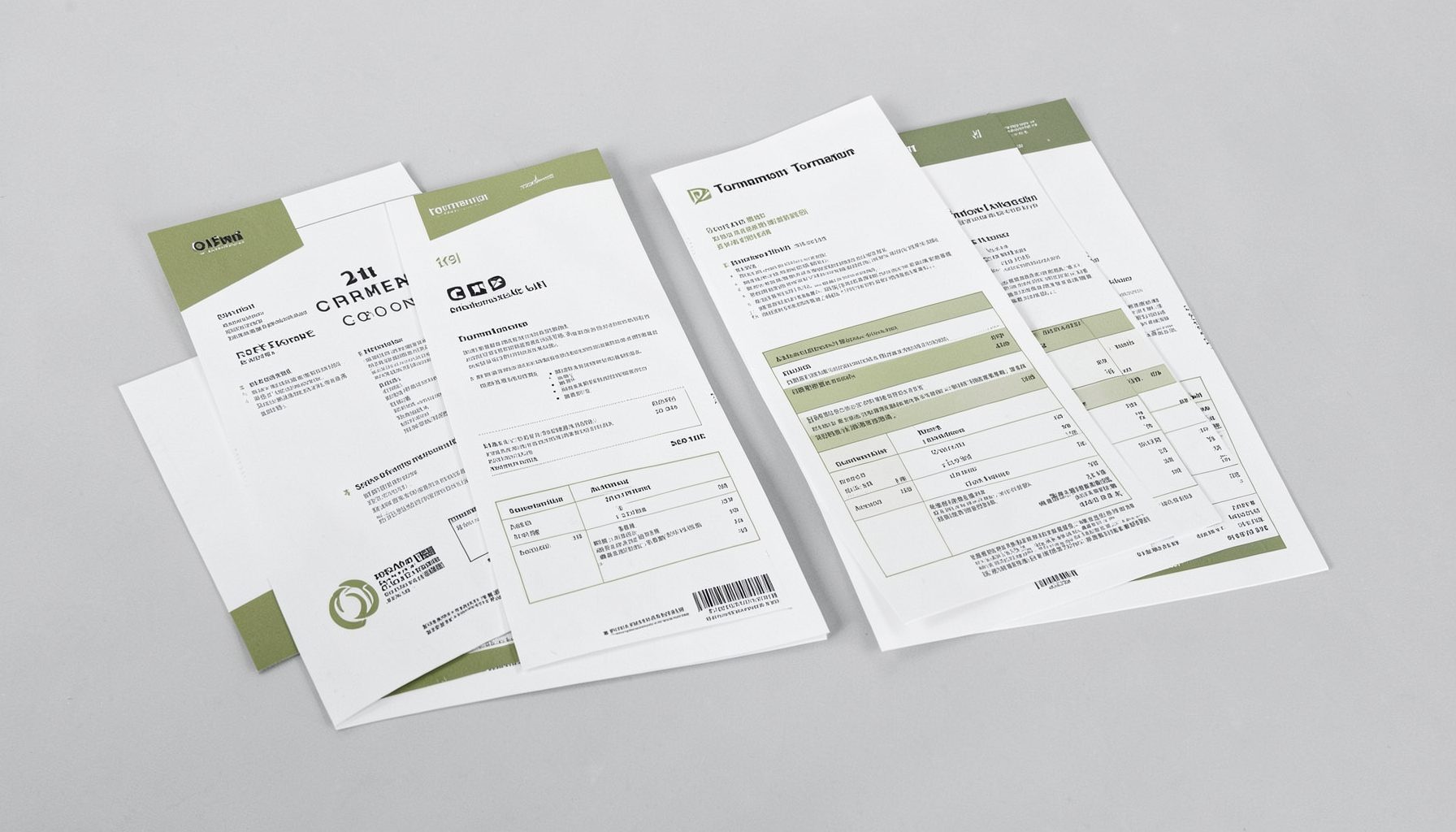
Tournament Packets
Packets from previous Kill Team events are kept here alongside new packets for upcoming tournaments, so organizers and players have what they need in one place.
View Event Data