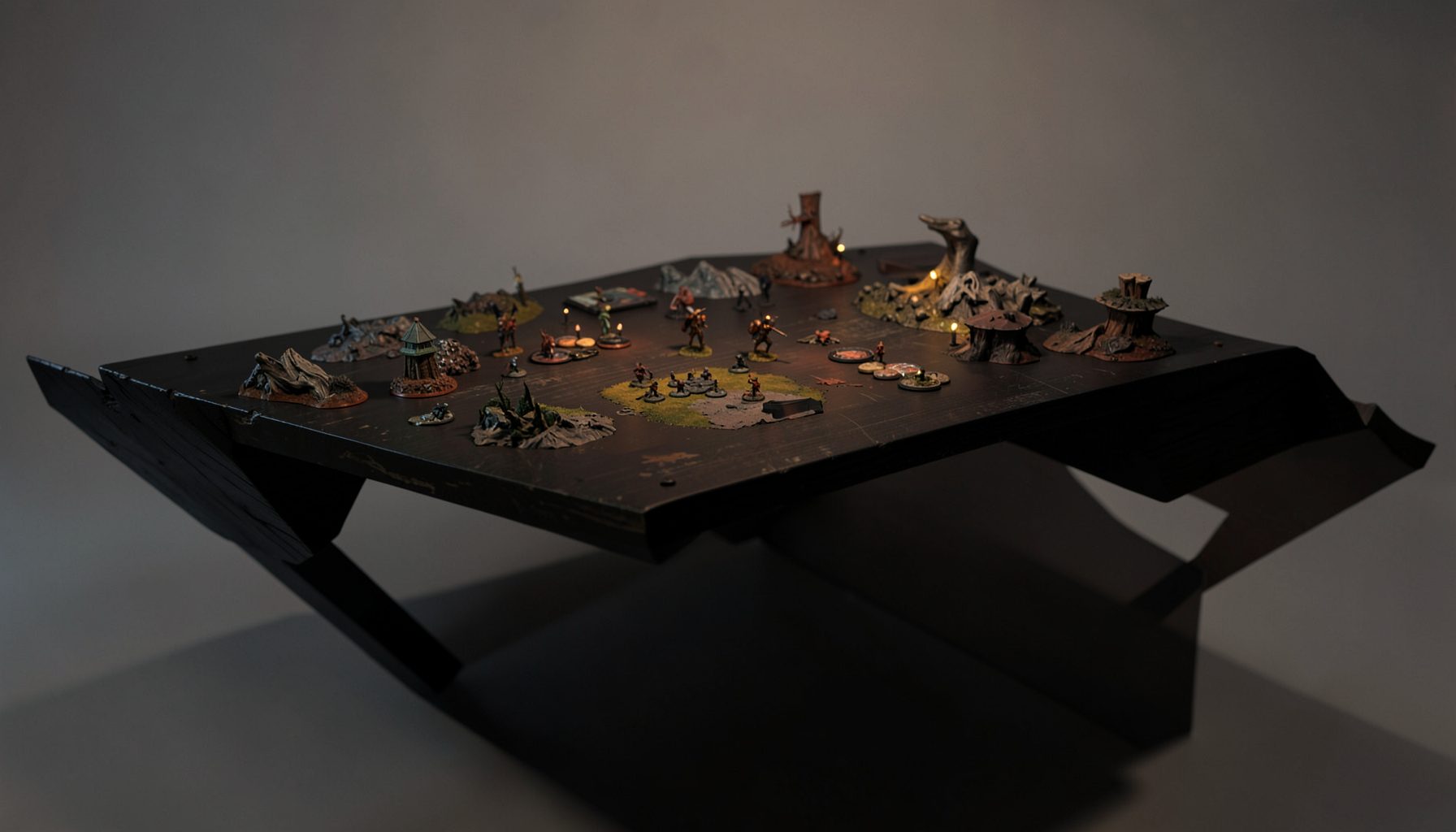
Live-streamed games, recorded matches, and event data gathered in one place.
Kill Team Stream hosts quality live streaming of Kill Team content — tournaments throughout the year on Twitch, regular games streamed to the channel, and tournament data gathered so players can see what's happening in the scene. Powered by WARHAMMER.
Browse tournamentsOfferings
Tournaments
Multiple Kill Team tournaments hosted throughout the year, all live-streamed on our Twitch channel.
Videos
Streams are recorded and uploaded to YouTube alongside original video content we produce.
Event Data
Tournament packets from past events plus resources for upcoming Kill Team tournaments.
Site Directory
Preparing for a two-day Kill Team major: the complete player checklist
A major tournament that spans two full days is the ultimate examination for any competitive Kill Team player. Between the volume of games, travel logistics, and the pressure of representing your local scene, the experience pushes you in ways that a standard game night cannot. Players across Australia are increasingly booking time off work, paying domestic flights to Melbourne or Sydney, and dedicating entire weekends to chase that elusive podium finish or even a top eight berth.
Whether you are heading to a capital city showdown like the Brisbane Open or a regional gathering in Adelaide or Hobart, your preparation needs to be holistic. It stretches beyond list-building and painting to include sleep, hydration, nutrition, and contingency planning for the inevitable rulebook disagreements. This checklist walks through every step from the moment you register through to the final debrief at the pub across the road.
| Phase | Primary focus | Critical tasks |
|---|---|---|
| 8 weeks out | Roster and meta reading | Lock faction, draft three list variants, study recent event packets from Good Games Brisbane or Milspec Melbourne |
| 4 weeks out | Hobby standards | Strip mould lines, batch-paint, base models, magnetise weapon options, photograph under natural Australian light |
| 2 weeks out | Travel and venue | Book domestic flights, confirm accommodation near the venue, map public transport routes |
| 1 week out | Mental and practice | Schedule three practice games, review the latest Games Workshop FAQ, prepare a snack and hydration kit |
| Event day | Execution | Sleep eight hours, eat a proper breakfast, arrive ninety minutes before round one |
Roster construction and list refinement
The earliest and most consequential decision you make is your faction and operative selection. By eight weeks out, the meta often shifts based on tournaments run at venues like the Sydney Supanova or the larger Melbourne tabletop events. Review the previous major's top cut, watch archived streams on Kill Team Stream's YouTube channel, and identify which archetypes dominated. Your list should answer the meta rather than copy it blindly.
Build three versions of your roster, ideally with the same operative core but different flex picks. One variant should target elite kill teams, another should counter horde factions, and a third should be a balanced default. Playtest all three against opponents who attend your local store's weekly, whether that is Ace Comics in Perth or a community-run night in Canberra. Track your win rate and the missions you struggled with, then adjust accordingly. Local players are often willing to run mirror matches and stress-test your secondaries, so ask directly.
Travel logistics for Australian venues
Australia is a vast country, and a major in another state usually means an early morning flight the day before or a long drive if the event is regional. Book flights as soon as your ticket is confirmed, because prices on routes between Melbourne and Sydney often spike within a month of big hobby events. If you are flying, check your model's case dimensions against your airline's carry-on policy to avoid an awkward check-in conversation.
Accommodation should be walking distance to the venue whenever possible, especially in cities like Melbourne where tram routes can be slow on weekends. Many Australian tournament venues, such as those hosted at convention centres in Sydney Olympic Park or the Melbourne Showgrounds, sit in precincts with multiple hotel options. Reserve a room with a quiet side facing away from the street so you can sleep before round one. If you drive, factor in parking costs, which in central Sydney can reach thirty dollars a day. Always carry a printed copy of your event packet and a spare phone charger, because regional venues occasionally suffer drop-outs in mobile reception.
Physical conditioning and sleep management
A two-day tournament is an endurance event disguised as a hobby contest. Sleep matters more than any amount of last-minute list tweaks, and shifting your bedtime a week earlier helps your body adjust to early starts. Australian summer majors often begin registration at eight-thirty in the morning, which during daylight saving in Sydney or Melbourne means early dawn and intense afternoon heat inside venues without climate control.
Hydration and food are the next layer. Pack a water bottle and refill it at every opportunity, supplementing with electrolyte sachets if the forecast climbs above thirty degrees. Avoid the temptation to live on takeaway pies from the venue café, which leave you sluggish by round three. Instead, prepare sandwiches, muesli bars, and fruit the night before. Standing for hours will strain your lower back, so take a five-minute walk between rounds, stretch your hamstrings, and shift your weight from foot to foot. Treat your body the same way a runner treats a marathon, because the brain performs only as well as the chassis carrying it.
Hobby standards and equipment checklist
Tournament rules require three painted models minimum per operative, and most Australian events enforce this strictly through painting judges. Your models should look cohesive from a metre away, which means consistent base colours, tidy highlights, and sealed varnish. Photographing them under natural Australian light helps you spot flaws that fluorescent venue lighting hides. If you are short on time, focus on the operatives most likely to be deployed; nobody notices a hidden operative's paint job.
Your equipment list is longer than most players expect. Beyond your models, dice, and a tape measure, you need a printed rulebook or PDF, the latest FAQ downloaded to your phone, mission cards, a legal deck of secondaries or faction cards, objective markers, and movement trays. Pack a small repair kit with superglue, a pin vise, and spare bits for any mishaps. Australian venues are generally well-run but table space is often tight, so bring a tidy case that opens flat and stays within your one-metre box. A portable phone stand for streaming or recording your matches is also worth considering, especially if Kill Team Stream is covering the event.
Match-day routines and tactical approach
Your morning routine on day one should mirror a competitive athlete's. Eat a breakfast with slow-release carbohydrates, drink a strong coffee if that is your habit, and arrive at the venue with enough time to walk the tables, greet friends, and mentally shift into competition mode. Avoid scrolling social media in the first hour, since comparison to other painted armies only creates unnecessary anxiety.
Between rounds, take a structured five-minute reset. Stand up, drink water, review your notes from the previous match, and identify one habit to correct. Many Australian players keep a small notebook with match logs covering opponent faction, mission, secondaries, and key turning points. This habit pays off on day two when fatigue threatens your decision-making. When a rule dispute arises, stay calm and call a judge rather than escalating. Australian tournament culture values mateship and fair play, and a respectful tone always earns a quicker resolution.
Post-tournament wrap-up and growth
When the final dice are rolled, the work is not finished. Debrief with your mates over a meal at the nearest pub, where conversation naturally reveals what worked and what failed. Share photos of standout models with the wider community through Kill Team Stream or local Facebook groups, because visibility helps organisers justify running future events. Review your notes within a week, while the memory is fresh, and identify two specific skills to drill before the next major.
Planning the next event begins immediately. Book flights and accommodation early to lock in cheaper fares, particularly for the larger Brisbane or Sydney majors that fill hotels months in advance. Update your roster based on the new meta, repaint any models that suffered in transit, and write a short reflection on what you enjoyed most. This habit transforms each tournament into a building block rather than an isolated weekend, and over a season it compounds into genuine competitive growth.
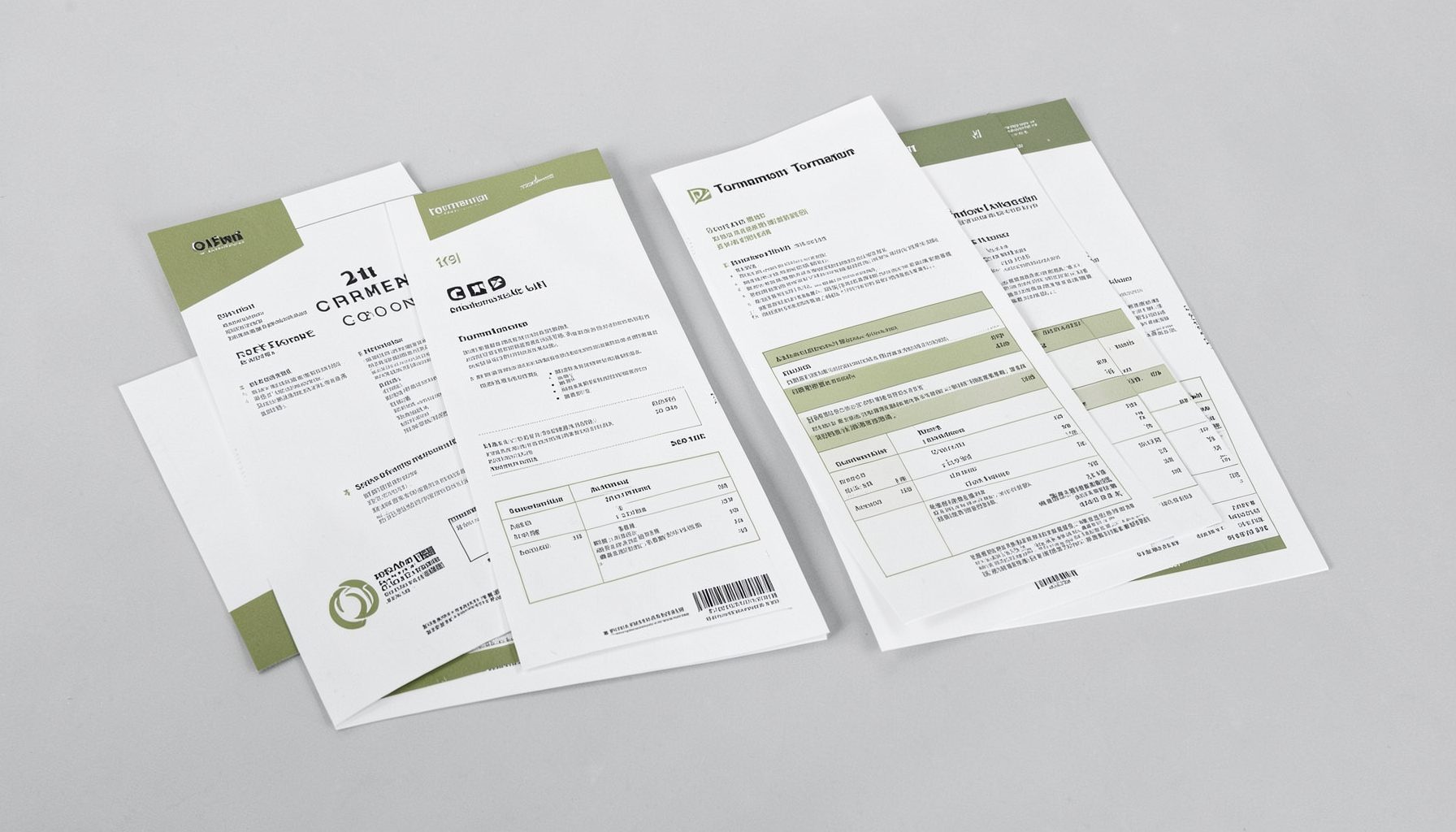
Tournament Packets
Packets from previous Kill Team events are kept here alongside new packets for upcoming tournaments, so organizers and players have what they need in one place.
View Event Data