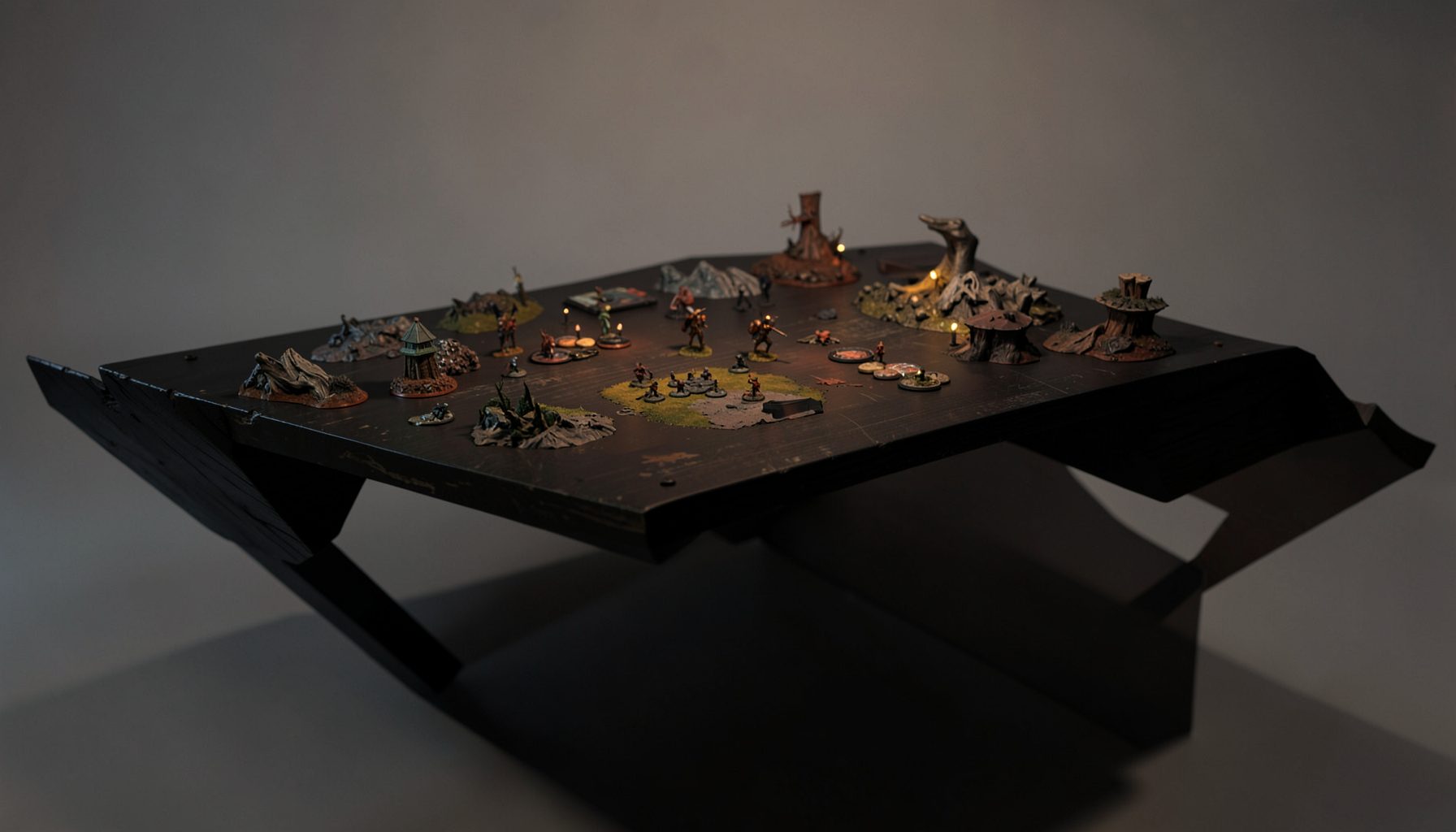
Live-streamed games, recorded matches, and event data gathered in one place.
Kill Team Stream hosts quality live streaming of Kill Team content — tournaments throughout the year on Twitch, regular games streamed to the channel, and tournament data gathered so players can see what's happening in the scene. Powered by WARHAMMER.
Browse tournamentsOfferings
Tournaments
Multiple Kill Team tournaments hosted throughout the year, all live-streamed on our Twitch channel.
Videos
Streams are recorded and uploaded to YouTube alongside original video content we produce.
Event Data
Tournament packets from past events plus resources for upcoming Kill Team tournaments.
Site Directory
How to Read Your Opponent’s List and Predict Their Strategy
A Kill Team roster is more than a collection of operative profiles. It is a statement of intent. The models, weapons, specialists, equipment and faction rules reveal what your opponent wants to control, which trades they consider acceptable and where they expect the decisive fight to happen. Learning to read those signals can turn a surprising matchup into a manageable tactical puzzle.
This skill matters in tournament play because you rarely have complete information. You may know the opposing faction and see the published roster, but the board, mission and deployment still shape the final plan. A player who can identify the list’s strongest route to victory, then disrupt it before the first turning point, gains a major advantage without needing a clever trick every round.
Start With the List’s Main Job
Begin by asking what the roster is designed to do repeatedly. Some teams want to close distance and overwhelm a flank. Others rely on shooting lanes, concealment, mobility or specialist actions that score while the rest of the team protects them. The key is to identify the list’s primary engine rather than getting distracted by its most dramatic operative.
Count the models that can perform mission actions reliably, move quickly or contest an objective without giving up too much value. A team with several fast operatives may be built around early scoring and board pressure. A team with fewer, tougher fighters may prefer to hold a central position and punish anyone who approaches. Its strategy is usually visible in the balance between damage, durability, movement and action economy.
Look for redundancy. If three operatives can perform a similar role, your opponent can absorb one early loss and continue with the plan. If a single specialist provides the team’s best long-range attack, unique action or key buff, that operative deserves immediate attention. A list with one essential piece often has a narrow tactical structure, while a broad list can change direction more easily.
Read the Threats by Range and Timing
Separate the opposing operatives into threat bands: immediate threats, approach threats and late-turn threats. An operative with a powerful short-range weapon may be unimpressive from across the board but deadly once it reaches a concealed corner. A sniper or heavy gunner can shape your movement from the first activation, even when it has no clear target.
Timing is just as important as raw damage. Some teams become dangerous after a setup action, a marker is placed or a specific operative activates first. Others depend on a ploy that turns an ordinary attack into a high-probability kill. Check which abilities require a particular sequence and consider whether that sequence can be interrupted by changing your deployment or forcing an awkward activation.
The strongest attack is not always the best prediction. Ask what your opponent can threaten while still scoring. A fighter who must spend an action to reach a target may lose access to an objective. A gunner who exposes itself for a shot may become vulnerable during the next turning point. Good list analysis weighs the price of each threat, not just its maximum output.
Tournament footage can sharpen this process because it shows how a roster behaves under pressure. Reviewing recorded Kill Team matches lets you compare the same faction across different boards and missions, revealing whether a player favours early aggression, patient positioning or a particular activation pattern.
Identify the Operatives That Hold the Plan Together
Most rosters contain a few structural pillars. These may be a leader who improves command options, a specialist who opens doors or performs a unique mission action, a support operative that enhances nearby attacks, or a durable model that anchors a flank. Removing one can affect several parts of the opponent’s strategy at once.
Do not assume the leader is always the best target. Sometimes the apparent centrepiece is a capable duellist whose loss changes little, while a less impressive support operative enables the entire team. Trace the links between abilities. If one model grants re-rolls, movement, protection or additional utility, note who benefits and how far that influence reaches.
This also helps you predict target priority. A fragile specialist may need to hide because it cannot survive a fair exchange. A durable operative may be deliberately exposed because it wants to draw your attention away from a scoring piece. Compare the value of the model, the value of its abilities and the opportunity cost of attacking it.
Before deployment, write down two targets: the model you most want to remove and the model you must avoid feeding. The first represents your preferred disruption. The second represents the trap your opponent hopes you will accept. This simple distinction prevents tunnel vision during the opening activations.
Use Deployment to Test the Hypothesis
Deployment provides evidence about the intended game plan. A heavy weapon placed behind a long fire lane probably wants to control a particular corridor. Several fast operatives deployed together may be preparing a coordinated push, while a spread-out formation can indicate a plan based on wide objective coverage. Terrain can complicate these signals, so read the relationship between the models and the board rather than the position alone.
Pay attention to what your opponent protects. If a specialist begins in deep cover with a route toward a central objective, that route is likely part of the scoring plan. If a dangerous melee operative is placed near a barricade or door, expect it to use that terrain to shorten the distance. If the leader is positioned centrally, the player may be planning to keep several operatives within range of its abilities.
Your own deployment should test the prediction without committing too much. Place a durable operative where it can contest the suspected route, but keep a fallback path. Offer a tempting target only if you understand the likely response. The goal is to make the opponent reveal priorities through movement and activation, not to gamble the game on a first-turn charge.
Australian tournament boards often reward this discipline. Events in Melbourne, Sydney and Brisbane may use dense indoor terrain, while larger halls can produce longer fire lanes and more open approaches depending on the organiser’s layout. Practise reading both styles, because a list that dominates open ground may struggle when every advance must pass through short, blocked corridors.
Track Objectives Alongside Combat
A common mistake is to predict strategy only through attacks. Competitive Kill Team is decided by mission actions, positioning and timing, so determine how the roster plans to score while fighting. Count how many operatives can safely perform an objective action and whether those models can still contribute after doing so.
Look for tension between killing and scoring. A team may have excellent combat pieces but lack enough spare activations for mission work. Another may score efficiently but lose momentum if forced into a prolonged firefight. When you see this weakness, shape the battle around it. Make the opponent choose between advancing their score and preserving their best damage dealer.
Think in terms of turning-point budgets. Ask how many operatives your opponent can afford to lose before the plan becomes unreliable. A ten-operative team may accept an early casualty if several bodies remain available for objectives. An elite roster may treat every loss as a serious reduction in both scoring and board control.
Mission selection also changes the value of the list. A roster built for elimination may be forced into uncomfortable movement on an objective-heavy mission. A list that excels at holding ground may struggle when the scoring areas shift or when actions must happen in exposed locations. Read the roster and mission together, never as separate problems.
Convert Predictions Into Practical Counterplay
Once you have a theory, reduce it to actions you can take. If the opponent relies on a firing lane, block or contest it rather than merely hoping to survive. If their plan needs a central push, make that route costly with overwatch threats, counter-charges or a durable operative that can delay the advance. If a support model must stay close to several allies, attack the formation by forcing those allies apart.
Use activation order to gather information. Early in the turning point, activate a low-risk operative that can observe movement or claim a useful position. Keep a flexible model ready to respond to the opponent’s key activation. Saving every activation for the end can be dangerous, but spending your important pieces before the opponent reveals their plan is equally risky.
Reassess after every major event. If the expected gunner has taken a poor position, the threat may have changed. If a specialist has already completed its mission action, it may become expendable. If your opponent spends a valuable ploy earlier than expected, their later-turn sequence may be weaker. List reading is a live process, not a judgement made before the first dice are rolled.
Keep your notes practical: primary plan, critical operative, preferred route, scoring weakness and emergency pivot. That framework is compact enough to use between turning points and specific enough to guide decisions. It also helps separate a genuinely strong prediction from a vague feeling that the opponent’s roster “looks dangerous.”
The Australian competitive scene rewards players who prepare this way. Travel between local events can involve different terrain standards, mission packs and player habits, while tournament days often demand fast decisions across several rounds. Familiarity with common faction archetypes, careful review of event packets and regular observation of streamed games can make your opponent’s list feel readable before the match even begins.
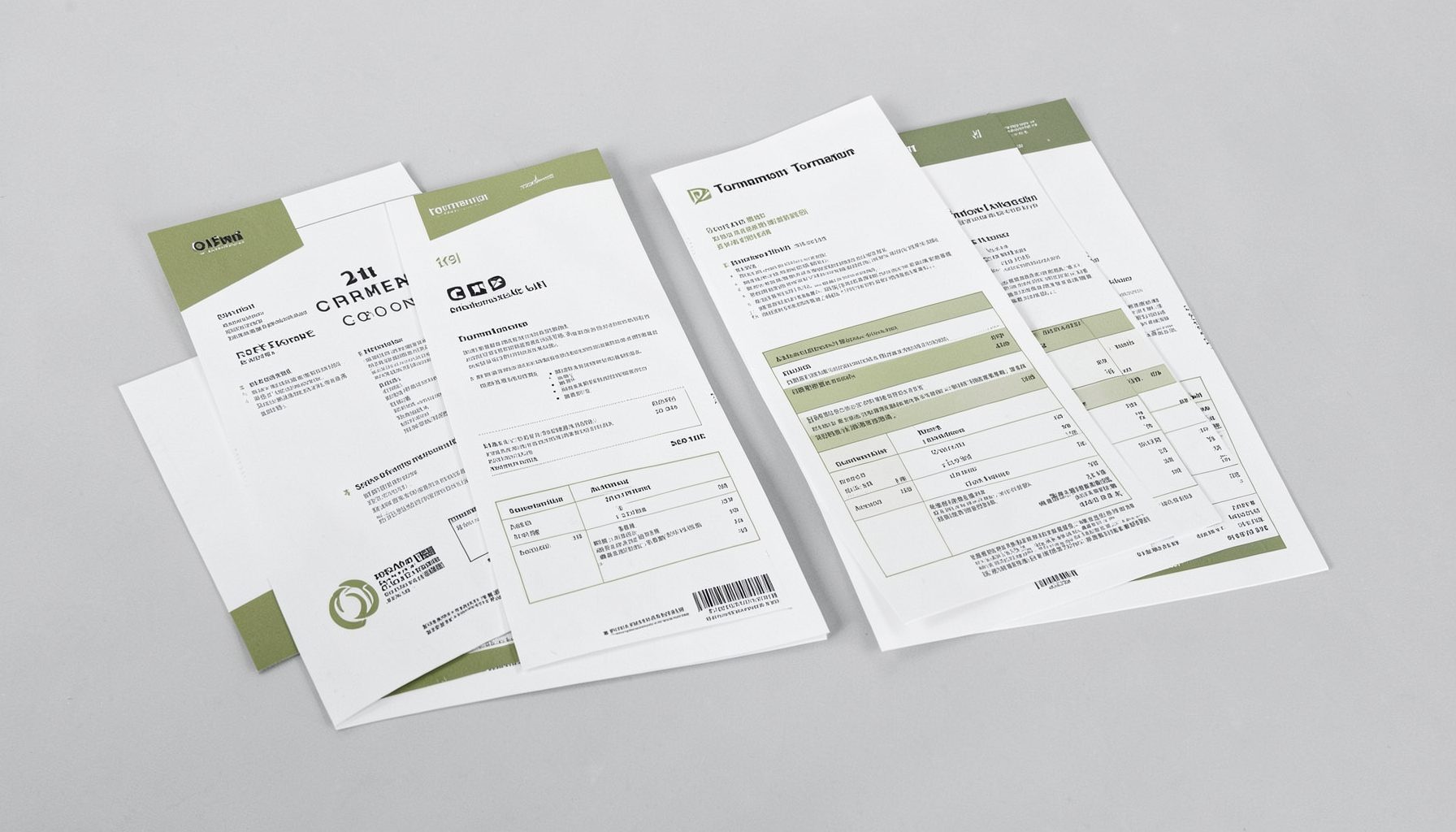
Tournament Packets
Packets from previous Kill Team events are kept here alongside new packets for upcoming tournaments, so organizers and players have what they need in one place.
View Event Data