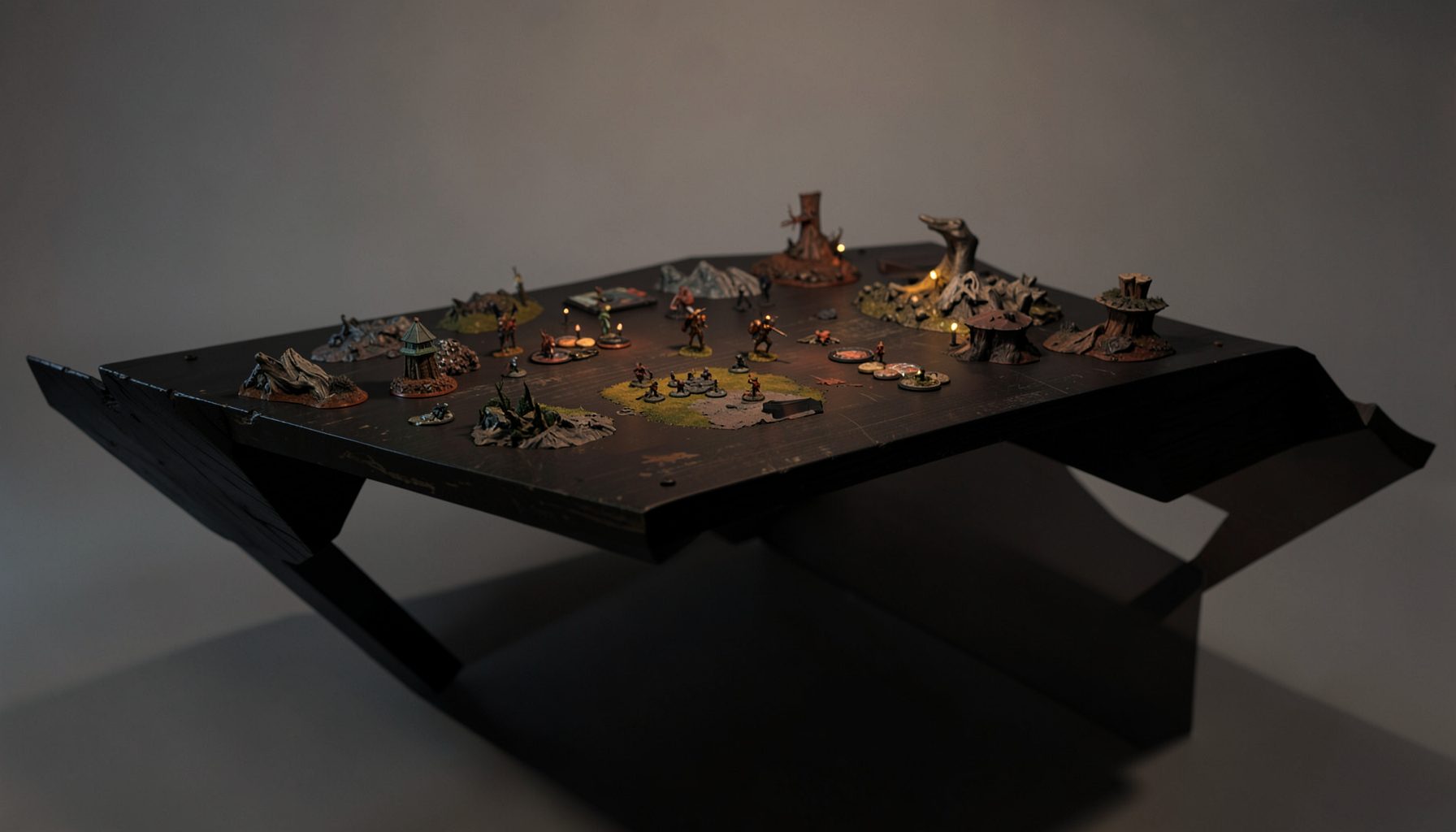
Live-streamed games, recorded matches, and event data gathered in one place.
Kill Team Stream hosts quality live streaming of Kill Team content — tournaments throughout the year on Twitch, regular games streamed to the channel, and tournament data gathered so players can see what's happening in the scene. Powered by WARHAMMER.
Browse tournamentsOfferings
Tournaments
Multiple Kill Team tournaments hosted throughout the year, all live-streamed on our Twitch channel.
Videos
Streams are recorded and uploaded to YouTube alongside original video content we produce.
Event Data
Tournament packets from past events plus resources for upcoming Kill Team tournaments.
Site Directory
How to Start a Kill Team League at Work or University
Starting a Kill Team league at a workplace or university can turn a familiar miniature game into a regular social and competitive activity. Kill Team is well suited to small groups because a single mission, a compact roster, and short sessions create an accessible event format. A league gives players a reason to prepare, test different factions, improve deployment decisions, and meet other hobbyists without requiring the scale of a major convention.
A successful league needs more than a date and a gaming table. Organizers must define who can enter, how matches are judged, what the schedule looks like, and how results are recorded. Clear expectations let participants focus on the game while giving the event enough structure to feel fair. The same plan can support a casual after-work series, a student society fixture night, or a mixed-experience campus tournament.
Choose the league purpose and format
Begin by deciding what the league should reward. A social roster may value creativity and attendance, while a competitive circuit can use published points, tie-breakers, and best-of-three match play. Some organizers run both: relaxed tables during the main session and ranked tables for players who want standings. Hybrid formats often work well because newcomers can join without immediately facing the steepest learning curve.
Ask potential participants about preferred evenings, available spaces, and whether they want a narrative campaign, repeated missions, or ranked competition. This consultation does not need a survey; a short message in a group chat can reveal the most convenient weekday and the number of tables the venue can support. For a larger field, a round-robin opening phase followed by a short playoff can reward regular performance without making the first event decisive.
Write a one-page league brief that states the format, entry requirements, match length, prize or recognition system, and expected conduct. Identify named organizers for registration, rulings, venue setup, and result publishing so participants know whom to contact. A brief also protects the league from constant negotiation and gives organizers a reference when questions arise during the season.
Set the rules before registration
Use the current edition of the Kill Team rules, points roster, and mission instructions for every table. Game systems and faction rules can change, so printed material from an older season may produce confusing results. Link or name the exact documents in the player pack, and ask participants to bring the relevant roster and any required dice or tokens. Where a local rule fills a gap, state it plainly rather than leaving judges to improvise.
Decide how tables are paired and how the standings are calculated before the first round. Publish whether ties use accumulated victory points, mission objectives, head-to-head results, or a fixed tie-breaker. If players use different editions or unofficial conversions, define whether those lists are accepted or require approval beforehand. Transparent pairing criteria and identical deployment aids at every table make the process easier to trust.
A code of conduct should cover respectful behavior, damage to equipment, attendance, disputes, and the handling of personal information. Add procedures for missed rounds, late arrivals, and roster changes, including whether substitutes may inherit points during the event. Explain that rulings are final for league purposes and identify a review process for exceptional circumstances. Every participant should receive these terms with registration, and organizers should enforce them consistently.
Plan the venue and event calendar
Secure a room with enough table space, stable lighting, seating, and reliable power for chargers or streaming equipment. Check local policies for games, alcohol, food, photography, and outside speakers, then obtain any written permission required by the employer or university. Good accessibility matters: choose an accessible entrance, leave routes between tables clear, and consider players who need quieter conditions, adjustable lighting, or breaks away from the main noise. A brief risk assessment should cover emergency access, first aid, and evacuation procedures.
A six- to eight-week season works well for many workplace and campus leagues. Publish the event dates, registration deadline, roster lock, weekly match window, and final standings date in one calendar. At each gathering, include check-in, a short briefing, deployment and setup time, scheduled rounds, a break, and enough buffer for delays. A shared countdown timer and identical deployment aids can prevent one table from developing a time advantage over another.
Set a modest budget for room hire, terrain, prizes, refreshments, and a basic streaming setup. Reuse miniatures and borrowed scenery before buying new kits, and confirm who covers accidental damage, lost components, or replacement materials. Keep sponsorship and promotion separate from wagering. If a business offers support through prize-platform promotions, reject links that make participation depend on deposits; an online casino guide has no place in the league packet, stream overlay, or player communications.
Run match days and record results
On match day, prepare tables in advance with the same terrain footprint, objectives, deployment markers, and reference documents. Run a short player briefing covering the round structure, timing, tie rules, and the location of tie-breakers and spare equipment. Pairings should be displayed where everyone can see them, and there should be a clear process for reporting a disputed result without interrupting every other table. Give judges a short training session so they interpret timing, penalties, and mission rules consistently.
Record each result in a fixed format that includes the round, both player names, faction selections, mission or scenario, final score, and any penalties or rulings. Maintain a live standings sheet with timestamps or version history so corrections remain visible. Organizers should confirm disputed details with both players and the table judge, then update the official result rather than maintaining conflicting notes in private messages.
Kill Team Stream can support the league through streamed tables, recorded matches, commentary, event coverage, and shared reference material. Even a small event benefits from photographs, short clips, and archived standings, because those assets help absent players follow the season and give potential entrants a clear picture of the community. Publish useful content on the channels participants already use, and include event packets, rules summaries, and links to each recorded round in a single archive.
Build participation and publish the league
Promote the league through hobby communities, staff groups, student societies, gaming clubs, and local miniature stores. A short demonstration can show newcomers how deployment and objective play work, while returning players can explain roster building without taking control of the first match. Registration messages should state the format, cost if any, venue, accessibility details, and the code of conduct plainly. Pair beginners with experienced players for the opening round and provide a lending pool of dice, tokens, and reference sheets.
Create a communication channel for schedule changes, rulings, photos, and questions, but keep one official source for standings and league documents. Invite volunteers to help with check-in, terrain setup, judging, photography, and stream operation; assigning small jobs prevents the organizer from becoming a bottleneck. Feedback after each event should focus on one or two changes for the next session, such as clearer timing or better seating, rather than creating a long list that nobody can implement.
Review the season with attendance, completion rates, disputes, and player feedback. Recognize reliable players, helpful volunteers, and improved newcomers alongside the final winner, since broader recognition encourages participation. Archive the final standings, notable lists, event photos, and any useful packet updates for the next cohort. A league lasts when players understand the rules, trust the results, and look forward to another scheduled evening of Kill Team.
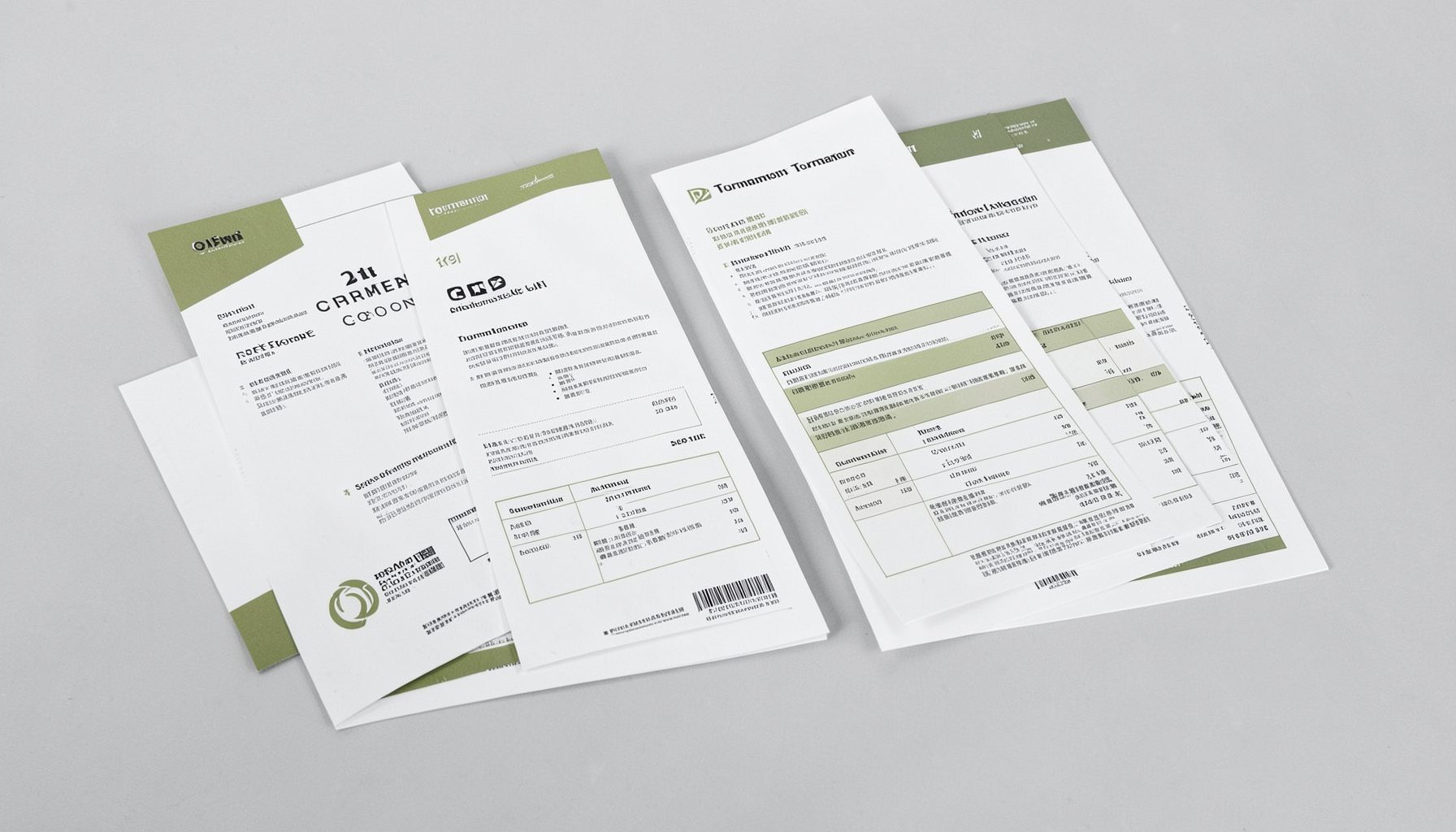
Tournament Packets
Packets from previous Kill Team events are kept here alongside new packets for upcoming tournaments, so organizers and players have what they need in one place.
View Event Data