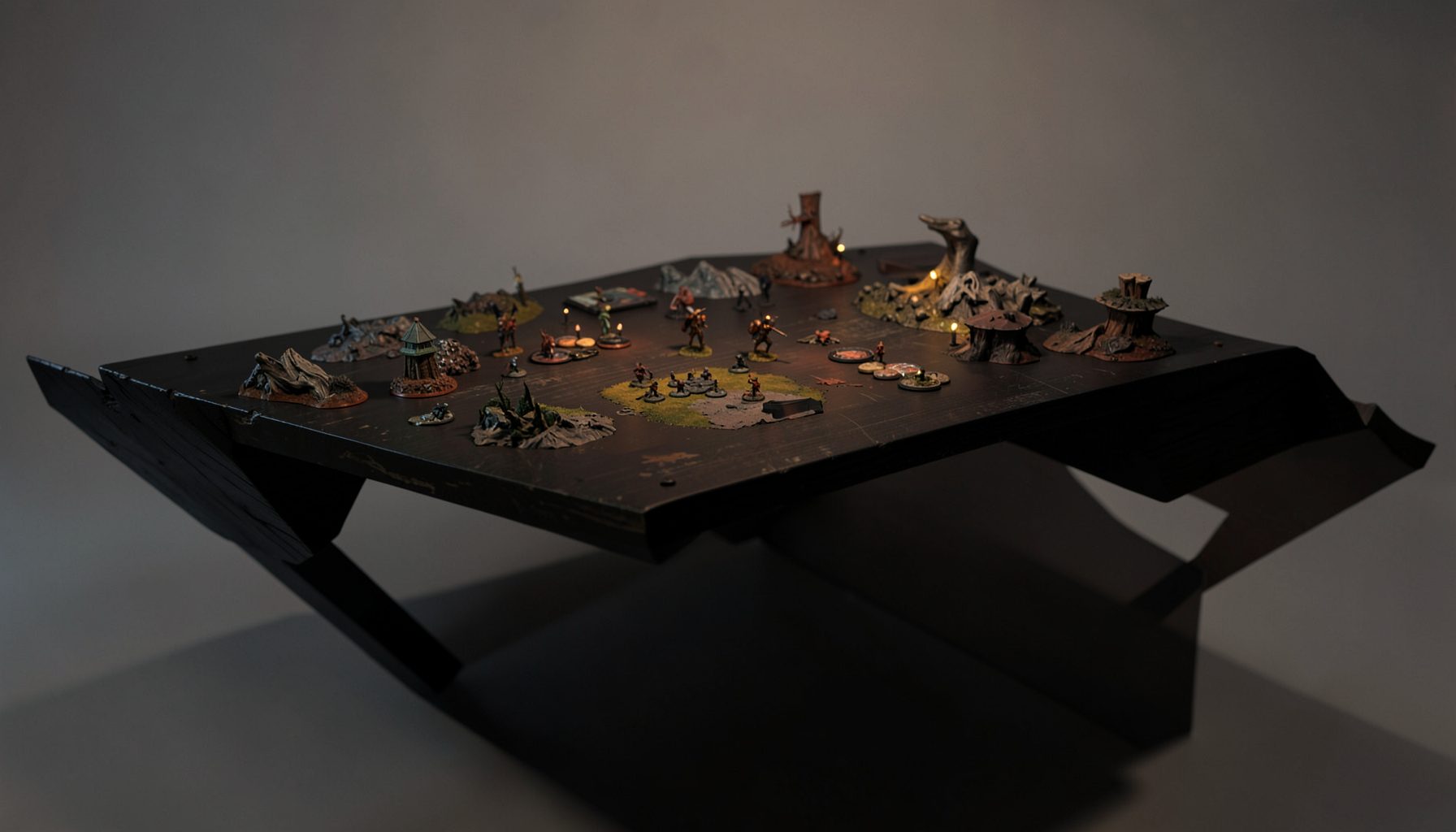
Live-streamed games, recorded matches, and event data gathered in one place.
Kill Team Stream hosts quality live streaming of Kill Team content — tournaments throughout the year on Twitch, regular games streamed to the channel, and tournament data gathered so players can see what's happening in the scene. Powered by WARHAMMER.
Browse tournamentsOfferings
Tournaments
Multiple Kill Team tournaments hosted throughout the year, all live-streamed on our Twitch channel.
Videos
Streams are recorded and uploaded to YouTube alongside original video content we produce.
Event Data
Tournament packets from past events plus resources for upcoming Kill Team tournaments.
Site Directory
How to stay calm and focused in high-stakes Kill Team matches
A high-stakes Kill Team match can make every decision feel heavier than it really is. A missed vantage point, an exposed operative or an unlucky attack roll may seem to define the game, especially when a tournament place, ranking point or streamed feature match is at stake. Yet competitive results usually come from a long sequence of manageable choices rather than one dramatic moment.
Calm play does not mean feeling completely relaxed. Adrenaline is normal, and a little pressure can sharpen awareness. The useful skill is learning to recognise that physical rush, settle your attention and return to the priorities that win games: mission actions, threat assessment, command point management and scoring.
This matters at events across Australia, where players may travel hours to compete in Sydney, Melbourne, Brisbane or Canberra. A long drive, an early round, a noisy venue and the knowledge that your match may be watched online can all affect concentration. A reliable mental routine helps turn that pressure into clear, repeatable play.
Prepare your mind before the first activation
Mental composure begins before the dice hit the table. Arrive with enough time to check the mission, arrange your equipment and become comfortable with the terrain layout. Rushing from the car park at a Melbourne event or stepping off a long train journey straight into round one leaves your attention scattered before the game has even started.
Use a short pre-match routine that takes only a few minutes. Check your roster, confirm your equipment and review the mission’s primary scoring conditions. Then take several slow breaths, with a longer exhale than inhale. This lowers physical tension and gives your brain a clear transition from travel and conversation into competitive focus.
Avoid filling the final minutes with frantic list changes or watching every nearby table. You want confidence in your preparation, not a last-second flood of information. A simple reminder such as “score first, protect key operatives, make one decision at a time” can be more useful than trying to memorise every possible tactical line.
Turn the round into small decisions
Pressure becomes difficult when you think about the entire match at once. The score, the opponent’s reputation and the possibility of a streamed game can all compete for attention. Instead, narrow your focus to the current turning point: what must happen this activation, what can wait, and which action creates the greatest advantage?
Before moving an operative, identify its purpose. Is it securing an objective, denying a score, creating a threat, screening a specialist or setting up a later activation? Stating that purpose silently helps prevent impulsive movement. If the situation changes, you can reassess without feeling that the original plan must be defended.
A useful decision rhythm is pause, assess, choose and commit. Pause before a major move, assess the mission and likely responses, choose the lowest-risk line that supports your plan, then commit without repeatedly revisiting the same decision. This keeps your turn moving and reduces the mental fatigue caused by endless second-guessing.
When the board becomes complicated, write down or mentally repeat the immediate priorities. “Score, survive, deny” may be enough. Clear priorities are especially valuable late in a game, when tired players often chase an exciting elimination instead of taking the safe action that secures victory points.
Manage mistakes without losing the match
Every competitive player makes errors. A model moves too far, a conceal order is forgotten, a reroll is used too early or an attack sequence produces an unexpectedly poor result. The mistake matters, but the emotional reaction can cause more damage than the original error.
When something goes wrong, use a reset sequence. Acknowledge the error in plain language, take one breath and identify the new position. Then ask what remains possible. This shifts your attention from blame to information. The game state has changed; your job is to make the best decision from the current state, not replay the previous thirty seconds.
Avoid dramatic self-talk such as “I always throw these games away.” It turns one event into a judgement about your identity and makes the next activation harder to read. Replace it with a specific statement: “That operative is exposed, so I need to protect the secondary objective and preserve my other threat.”
Sportsmanship supports this process. A calm table manner, clear communication and respect for your opponent reduce unnecessary tension. At a local Australian tournament, where the same players may appear at events in Sydney, Perth or Adelaide throughout the year, a good reputation is part of the competitive community. You can play intensely without making the table hostile.
Control the physical signs of pressure
Tournament nerves are physical as well as mental. A fast heartbeat, tense shoulders, shallow breathing and dry mouth can create the impression that something is going badly, even when your tactical position is sound. Addressing the body can make concentration easier.
Keep water within reach and eat food that provides steady energy. Many players rely on coffee and sugary snacks during a long event, then find their attention dropping in later rounds. In the Australian summer, heat at a crowded venue can make fatigue worse, particularly after travelling to a convention or gaming hall. Regular water breaks and a sensible meal support clearer judgement.
Use posture as a practical cue. Place both feet on the floor, relax your grip on the dice and drop your shoulders during the opponent’s turn. Breathe slowly while they resolve an action rather than mentally racing ahead. These small actions are easy to perform without interrupting play and can stop nervous energy from turning into rushed activations.
Between rounds, step away from the table if the venue allows it. A brief walk outside a Brisbane club, around a Canberra convention centre or along a quieter corridor can reset your attention. Keep post-game analysis short until the next round is known; intense discussion immediately after a loss can carry frustration into the following match.
Stay focused when the game is being watched
A feature match, Twitch broadcast or camera positioned beside the table can change how players behave. Some begin explaining every move, chasing spectacular plays or worrying about how a mistake will look to viewers. The audience is real, but it is not an additional opponent.
Treat the camera as background equipment. Your responsibilities remain the same: understand the mission, follow the rules, communicate clearly and make sound decisions. If commentary is being recorded for Kill Team Stream, viewers generally learn more from a disciplined game than from forced theatrics. A well-timed retreat or careful scoring play can be as instructive as a dramatic charge.
Before the round, decide how much table talk is useful. Explain actions clearly, answer reasonable questions and avoid narrating every private thought. If you notice yourself performing for the room, return to a physical anchor such as the objective markers, the current turning point or the operative you are activating.
The same principle applies when watching recorded matches later. Study how strong players recover from poor rolls, preserve options and manage time. Competitive footage can teach emotional control as well as tactics, especially when commentary reveals why a player chose a modest action instead of a risky highlight play.
Build a repeatable tournament routine
Focus is easier to maintain when important habits are automatic. Test your tournament setup before the event: dice, measuring tools, tokens, roster, rules references, water and food should all have a consistent place. Searching through a crowded bag between rounds adds small bursts of stress that accumulate across a day.
Review your likely matchups and missions, but leave room for uncertainty. Kill Team rewards adaptation, so preparation should provide principles rather than a rigid script. Know which operatives are essential, which trades are acceptable and which scoring opportunities deserve priority. This gives you a framework when the opponent presents a plan you did not expect.
Time management is part of mental composure. Check the clock at sensible points instead of staring at it after every activation. If you are behind, simplify your choices and prioritise actions that affect scoring. If you are ahead, avoid unnecessary risks simply because the game feels comfortable. A steady pace protects both your concentration and your opponent’s ability to play fairly.
After the event, review decisions while the details are fresh. Separate tactical mistakes, rules misunderstandings, unlucky outcomes and emotional lapses. A loss may reveal that your pre-game plan was weak, or it may show that you abandoned a sound plan after one bad roll. This distinction turns tournament experience into useful preparation rather than a vague sense of disappointment.
Calm and focus are competitive skills developed through repetition. The best players still feel pressure, but they recognise it sooner, reset faster and keep returning to the mission. Whether the match is played at a local store, a major Canberra event or under the lights of a livestream, disciplined attention gives every good decision a better chance to matter.
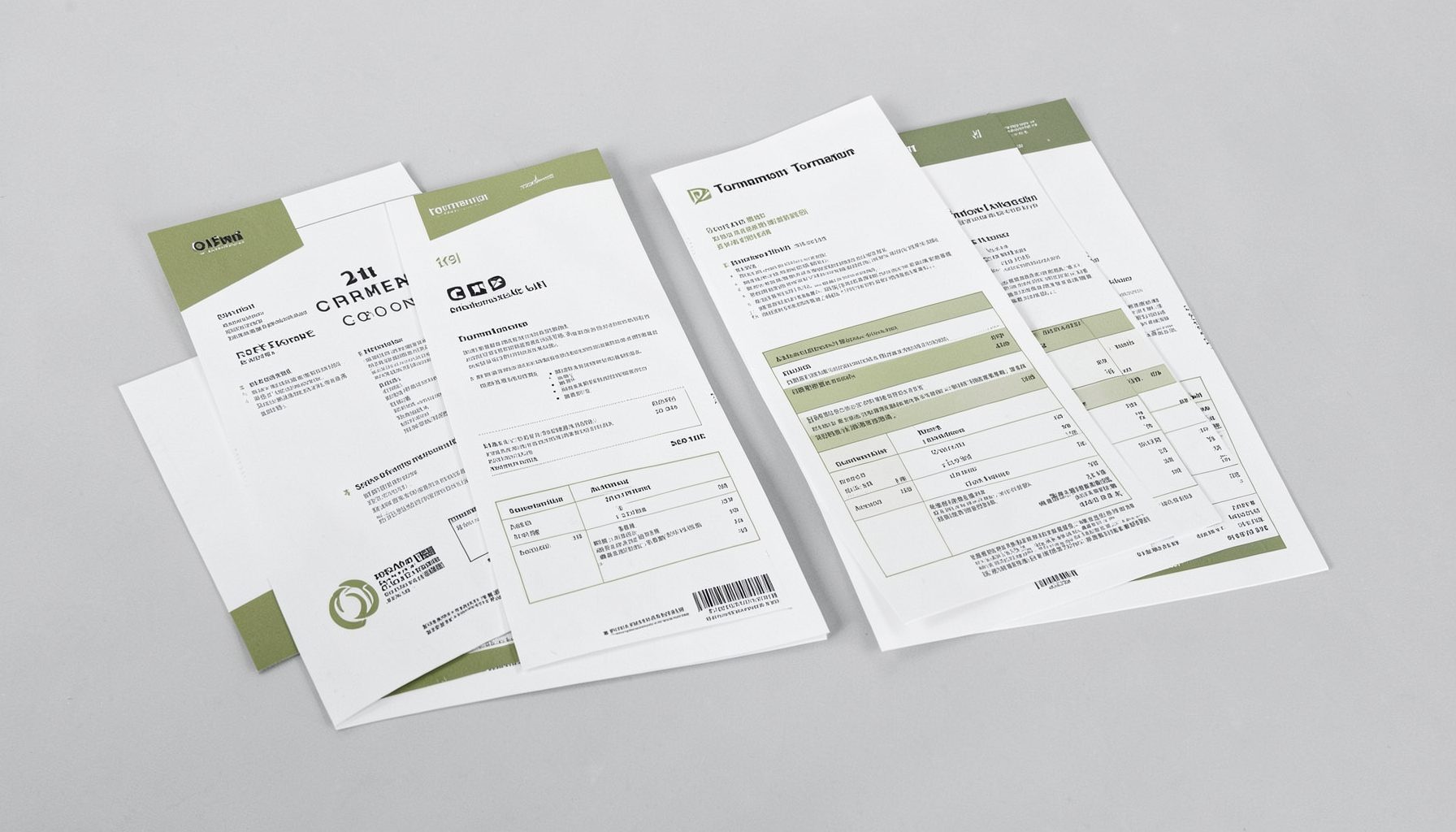
Tournament Packets
Packets from previous Kill Team events are kept here alongside new packets for upcoming tournaments, so organizers and players have what they need in one place.
View Event Data