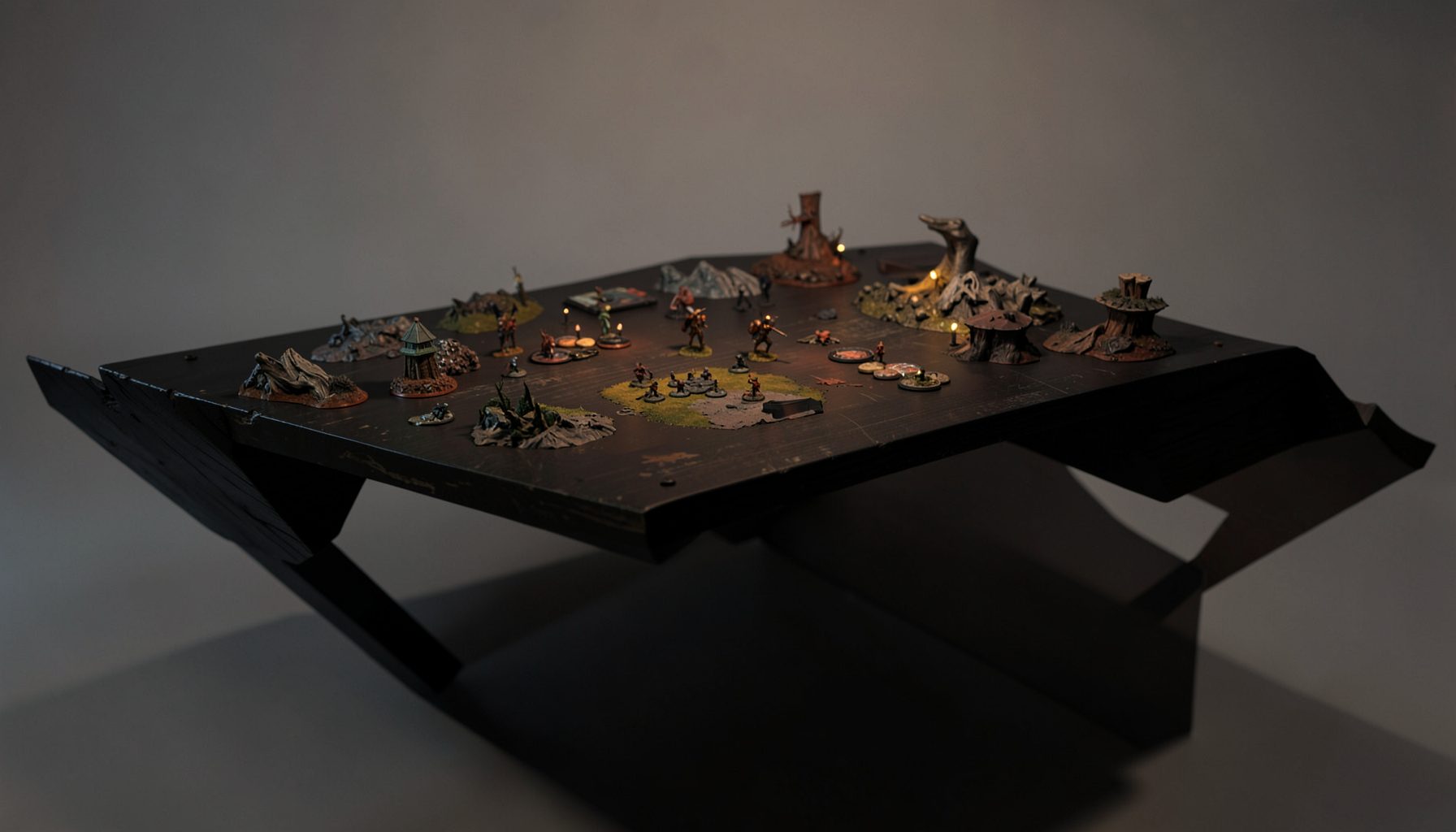
Live-streamed games, recorded matches, and event data gathered in one place.
Kill Team Stream hosts quality live streaming of Kill Team content — tournaments throughout the year on Twitch, regular games streamed to the channel, and tournament data gathered so players can see what's happening in the scene. Powered by WARHAMMER.
Browse tournamentsOfferings
Tournaments
Multiple Kill Team tournaments hosted throughout the year, all live-streamed on our Twitch channel.
Videos
Streams are recorded and uploaded to YouTube alongside original video content we produce.
Event Data
Tournament packets from past events plus resources for upcoming Kill Team tournaments.
Site Directory
Moving from Casual Games to Competitive Kill Team in Australia
Casual Kill Team is a brilliant way to spend an afternoon at your local hobby store. You grab a few kill teams, throw down with a mate, and have a yarn about who got stuck with the worst matchup. The jump into competitive play, however, feels like stepping onto a different battlefield. Suddenly you are measuring operatives, checking line of sight with a tape, and worrying about faction balance in ways you never thought possible. The good news is that the gap between casual and tournament Kill Team is smaller than it looks, especially when you tap into the resources and community already thriving across Australia.
Many Australian players start their competitive journey without realising how welcoming the local scene really is. Stores like Milspec Games, Good Games, and Combat Games run regular events from Perth to Parramatta, and most organisers are happy to walk newcomers through their first pairings. Before long, you are swapping war stories with players from Brisbane, Adelaide, and Hobart who have been running teams for years. The transition is less about becoming a different type of player and more about adding a layer of discipline to the hobby you already enjoy.
The move from casual to competitive play also reshapes the way you think about your collection. Hobbies that once sat on a shelf gathering dust suddenly become tournament assets, and every painted model earns its keep in a new way. Australian players tend to take a pragmatic approach to this step, often leaning on the strong second-hand market on Facebook Marketplace and community buy-and-sell groups to fill gaps in their rosters without spending a fortune. The result is a hobby that stays affordable while opening up whole new ways to enjoy the game.
Understanding What Competitive Play Actually Means
Competitive Kill Team is still the same game you love, just played with a sharper edge. Every action point matters, every positioning decision gets weighed, and the army list you bring has been stress-tested against the worst matchups in the current meta. The difference is that you can no longer rely on your opponent forgetting a rule or letting a sloppy move slide. At most Australian tournaments, players know their faction rules inside out, and they will politely hold you to every clause in the rulebook.
This does not mean casual players are unprepared. The skills you have built through casual games translate directly. You already know how to measure movement, resolve attacks, and read a datasheet. What changes is the pace and the precision. In a competitive setting, you will often see players slow the game down, plan two or three activation phases ahead, and reference the latest balance dataslate before committing to a charge. It feels clinical at first, but the rhythm becomes second nature after a few events.
Competitive play in Australia also rewards consistency over flashy plays. A strong opening, a clean mid-board, and a controlled final turn will outscore a brilliant manoeuvre followed by two turns of fumbling every dice roll. Players at events like those run during the Brisbane Tabletop Convention or CanCon in Canberra often point to this as the real divide between casual and tournament winners. You are not trying to win every fight, you are trying to win the right fights.
Building a Tournament-Ready Roster
Your roster is the foundation of everything else. A competitive list needs to handle a range of threats, score secondaries reliably, and survive the kind of attrition that casual games rarely produce. Start by reading the current balance dataslate released by Games Workshop and pay attention to which factions are described as strong. Australian players often run faction packs from independent organisers, but the global meta still influences local events, so ignoring it is risky.
Aim for a roster with a clear game plan. Some teams want to control the centre of the board, others want to score Mission Actions through backfield objective holders, and a few want to trade up with elite operatives. Whichever style you choose, make sure every operative in your kill team has a job. Bench warmers are fine in casual games, but a competitive list should rarely include a model you never deploy. If you are playing a faction like Pathfinders or Wyrmblade, lean on the units that score Tac Ops and hold objectives reliably.
Painting standards also matter at most Australian events. Many tournaments require at least a three-colour minimum or fully painted armies, and some offer hobby awards for the best-presented force. Use your local store or gaming club as a finishing school. Attendees at Melbourne Mind Games or regional one-day events are usually happy to share tips on batch painting, basing, and edge highlights. A clean, well-painted force not only looks the part, it signals to your opponent that you have taken the event seriously.
Mastering the Rules and FAQ Updates
The biggest source of lost games at the tournament level is rules knowledge. Players do not lose because they rolled badly, they lose because they forgot a trigger, misread a wording, or assumed an ability worked differently than it does. Before your first competitive event, spend a weekend going through the latest Kill Team core rules, your faction rules, and the most recent balance update. Reading them once is not enough. You need to test each ability in a practice game so it sticks.
Australian players have access to a strong set of tools for this. The Kill Team Stream channel regularly breaks down complex rules interactions on stream, and the community Discord for several Australian circuits features channels dedicated to rules questions. Many local Tournament Organisers, often called TOs in the community, publish rulings ahead of events so everyone plays by the same book. Reading those rulings before you turn up will save you from awkward mid-game arguments and keep the focus on playing.
Pay special attention to the keywords and timing windows. Knowing when an operative can act, when a trigger fires, and which phase you are in makes a measurable difference in close games. Tournament players in Sydney and Melbourne often credit their consistent results to a habit of reviewing one or two faction rules every week. That slow build of knowledge is the kind of thing casual play rarely encourages, and it is what separates a confident tournament player from a hesitant one.
Learning the Meta and Matchup Knowledge
Every competitive game has a meta, and Kill Team is no exception. Some teams dominate the early turns, others punish mistakes in the mid-board, and a few rely on a single devastating combo. Studying recent tournament results from events like the Australian Kill Team League finals, Milspec Opens, or community-run RTTs gives you a clear picture of which factions are hot and which are struggling. Most Australian TOs post final standings online, and aggregators make it easy to filter by faction and event size.
Once you know the meta, study the worst matchups for your team. If you run a faction that struggles against horde teams, plan your secondaries around scoring on primary and limiting their momentum. If you face elite operatives with high damage output, prioritise board control and stay out of their threat range in the opening turns. Matchup knowledge is built through practice, but it starts with watching how other players in your faction approach tough games. Streams from Australian commentators are a great resource, since they often analyse the local meta specifically.
Do not be afraid to change your roster based on what you see. Competitive players in Australia often swap a single operative or shift a weapon loadout between events to address a known weakness. That kind of flexibility is easier than learning a whole new faction, and it shows you are reading the game correctly. If the meta shifts after a new dataslate drops, your willingness to adapt will keep you ahead of players who stick rigidly with the same list they built months ago.
Practice Routines That Actually Work
Practising for competitive play does not mean playing more games. It means playing better games. Set aside time before each event to play two or three practice matches against experienced opponents from your local scene. Most gaming clubs in capital cities run weekly nights that attract stronger players, and many of them are happy to mentor newer competitors. Ask for a post-game debrief. Most players will happily walk you through the turns where you lost tempo or misjudged a charge.
Track your games in a simple notebook or spreadsheet. Record your secondaries, your primary scoring, and the key turning points. Patterns emerge quickly. You might notice that you lose more games on the second turning point than the third, or that you consistently fail to score a specific Tac Op. Australian players who take this approach tend to improve faster than those who simply rely on feel. Numbers do not lie, and even a rough log of three or four events will highlight where to focus your next practice session.
Physical preparation matters too. Bring enough dice, a printed roster sheet, your codex or faction pack, and a measuring tool you trust. Many players at Australian tournaments also bring a small drink, some snacks, and a printed copy of the tournament packet. Being organised on the day frees up mental energy for the game itself. Competitive Kill Team is mentally taxing, and arriving flustered because you forgot your tokens is an easy trap to avoid.
Finding Local Events and the Australian Community
The Australian Kill Team community is active, welcoming, and easier to find than most newcomers expect. Good Games stores in every major city run regular RTTs, and independent organisers host everything from eight-person local events to hundred-player majors. Watch the community Discord servers for your state, follow local TOs on social media, and subscribe to channels that stream Australian events. Within a few months, you will have a calendar full of weekends worth attending.
Do not feel pressured to jump straight into a major. Start with a small store event, then work your way up to a one-day regional, and finally aim for a state-level open. Each step builds experience and confidence. Players who travel to events like CanCon or the Brisbane Tabletop Convention often started at their local store a year or two earlier. The progression feels natural, and the community supports it. You will hear Aussie players telling newcomers "no worries, mate, have a go" at practically every event you walk into.
The friendships you build along the way matter as much as the wins. Tournament Kill Team is a social hobby, and the people you meet at the bar after a long day of rolling dice often become your regular practice partners. Many competitive Australian players cite their local gaming group as the single biggest factor in their improvement. Arrive early, stay late, share a meal, and enjoy the game. The results will follow.
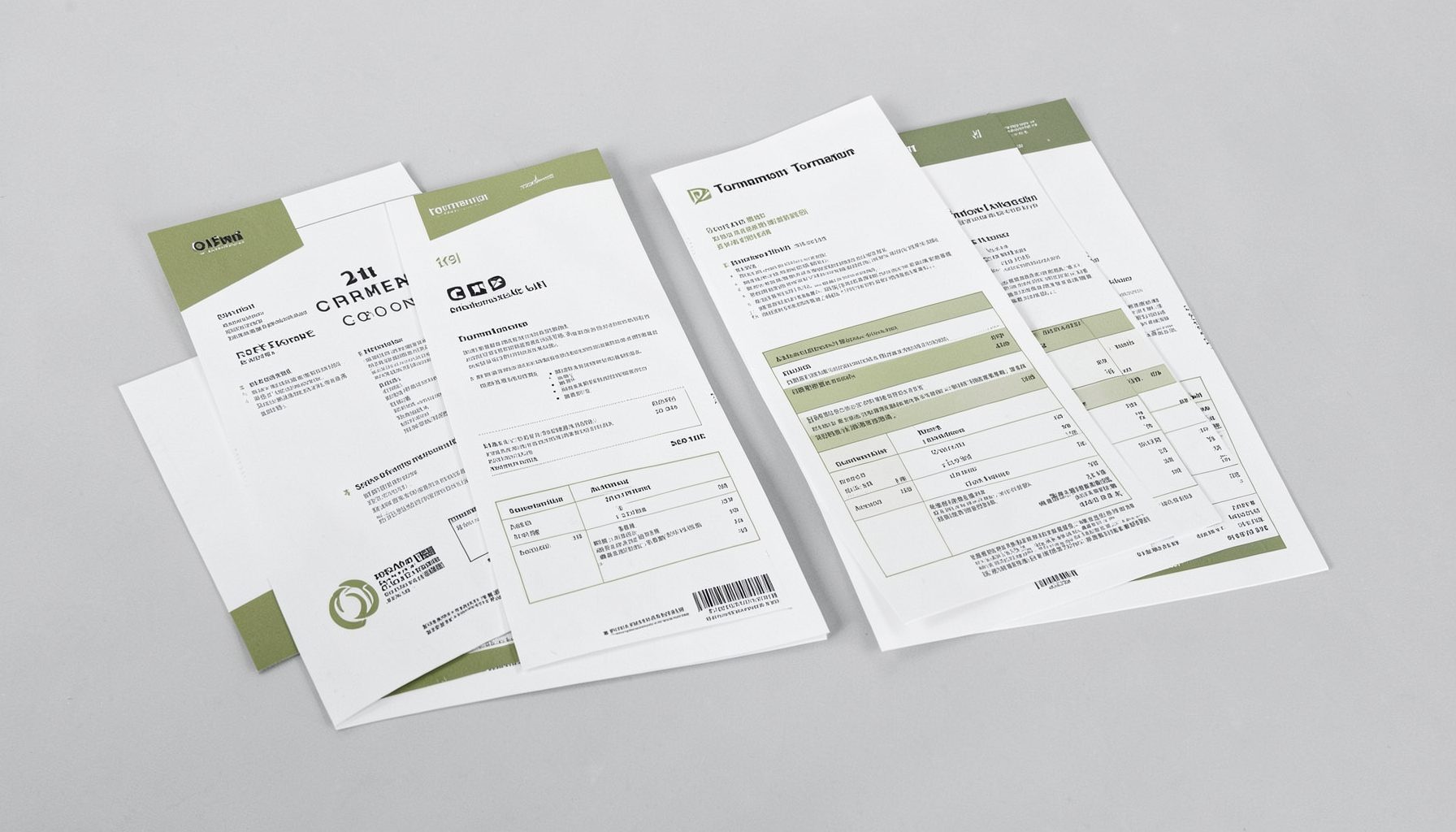
Tournament Packets
Packets from previous Kill Team events are kept here alongside new packets for upcoming tournaments, so organizers and players have what they need in one place.
View Event Data