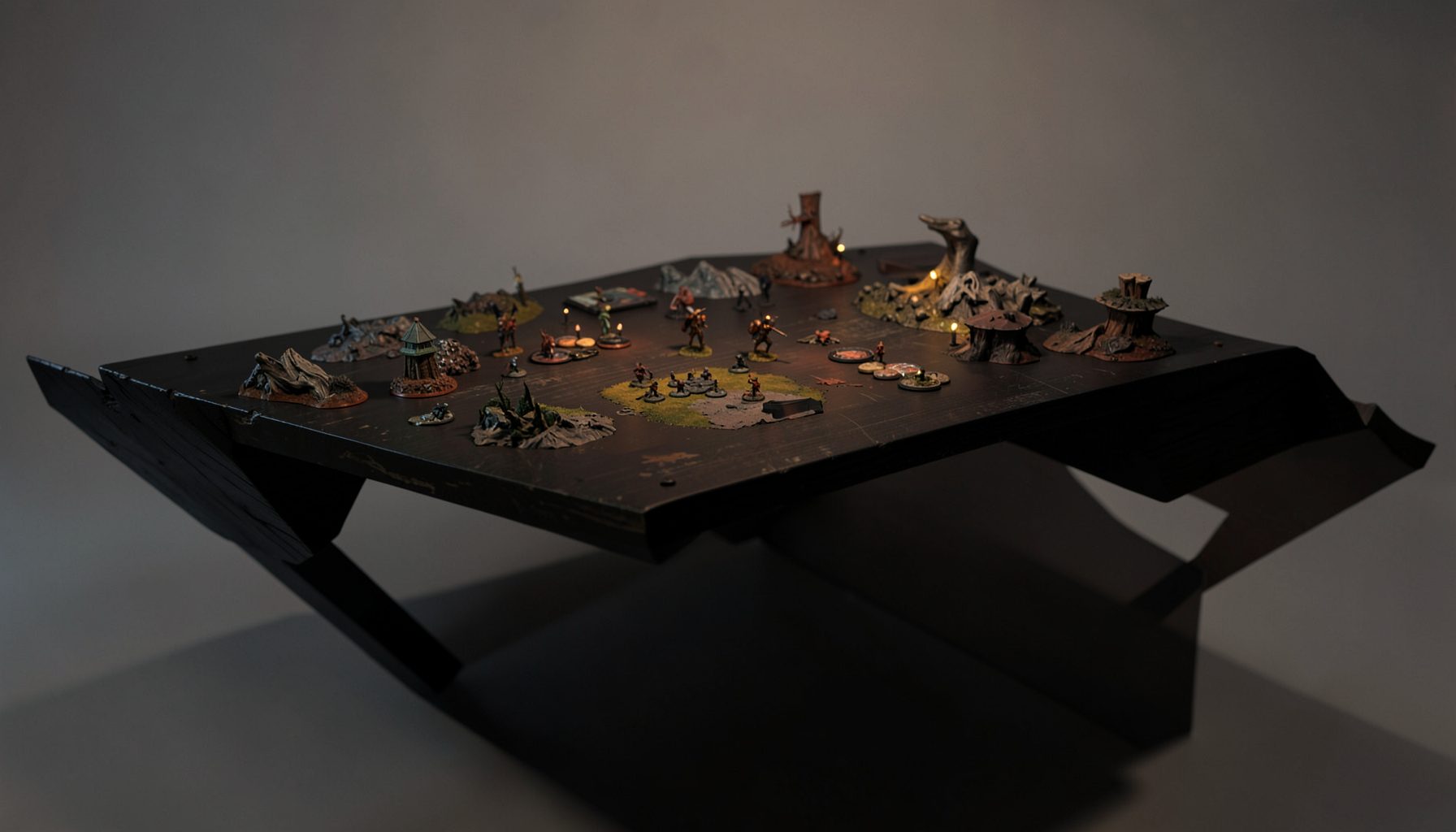
Live-streamed games, recorded matches, and event data gathered in one place.
Kill Team Stream hosts quality live streaming of Kill Team content — tournaments throughout the year on Twitch, regular games streamed to the channel, and tournament data gathered so players can see what's happening in the scene. Powered by WARHAMMER.
Browse tournamentsOfferings
Tournaments
Multiple Kill Team tournaments hosted throughout the year, all live-streamed on our Twitch channel.
Videos
Streams are recorded and uploaded to YouTube alongside original video content we produce.
Event Data
Tournament packets from past events plus resources for upcoming Kill Team tournaments.
Site Directory
How to Use the Overwatch Stratagem Without Wasting Your CP
Overwatch is one of the most tempting options in a Kill Team match. An enemy operative finishes its activation, a valuable target is standing in sight, and spending a command point seems like an easy way to punish the move. The catch is that the shot often happens at a penalty, uses a ready operative, and may expose your plan before the turning point is over.
The strongest players treat Overwatch as a resource-management tool rather than an automatic reaction. Its value comes from the target, the firing operative, the board position, and the timing of future activations. A mediocre shot can be worse than saving the CP for a defensive ploy, a mission action, or a late-turn swing.
Rules wording and ploy costs can change between Kill Team editions, team rules and approved updates. Before applying any specific detail, check the current core rules, matched-play packet and event FAQ. This matters at Australian tournaments, where a local store event may use a recent pack while a major weekend such as Cancon follows a clearly published competition pack.
A useful habit is to pause for a few seconds before declaring Overwatch. Identify what the shot achieves, what your operative will lose by firing now, and how the opponent can respond. That small calculation turns a panic button into a deliberate part of your activation sequence.
Know what the shot is really buying
The obvious benefit is damage, but damage alone is not a sufficient reason to spend CP. Overwatch is at its best when the shot removes an operative, prevents an important mission action, or creates a serious injury that changes the opponent’s plan. A single wound on a low-value target may have almost no effect on the game.
Consider the target’s next activation. If the enemy operative is about to secure a primary objective, perform a mission action or use a powerful special action, stopping it can be worth far more than the raw damage suggests. A concealed operative that is difficult to reach may also be a good target if Overwatch gives you the only realistic chance to interact with it.
The reverse is true when the target is already trapped, unlikely to activate again, or protected by cover that makes the shot unreliable. Spending CP to chip away at an operative that your next activation can easily handle is usually poor economy. Ask whether the shot changes the board state before you measure how many attacks might land.
Choose the right firing operative
A ready operative is a resource. Using it for Overwatch can remove your ability to move, fight, perform a mission action or take a better shot later in the turning point. The best firing model is therefore not always the one with the highest damage output. It is the operative whose remaining options are least valuable after the shot.
Specialists with strong weapons deserve careful evaluation. A sniper, plasma gunner or high-quality shooter may have an excellent chance of converting the Overwatch attack into a kill, even with the usual penalty. A basic trooper with an ordinary weapon may have a much lower expected result, especially against cover or a high-defence target.
Look for rules that improve reliability. Rerolls, balanced or severe weapons, automatic critical effects, mortal wounds and abilities that ignore cover can make the penalty manageable. Some teams can also use a cheap operative as a forward threat while preserving a specialist for a later activation. The correct choice depends on the whole team rather than the weapon profile in isolation.
Wait for a high-value enemy activation
Overwatch becomes stronger when the opponent has already revealed an important part of their plan. Early in a turning point, the enemy may activate a cheap operative to draw out your reaction. If you fire immediately, their key operative can then move safely, claim an objective or attack without facing your best response.
Patience is especially useful when several enemy models can be targeted. Let the opponent commit a piece before deciding. A leader who steps into line of sight, a mission specialist who leaves cover or a fighter that moves within charge range can create a better opportunity than the first available target.
This is also where activation order matters. If your shooter has a Conceal order or another restriction that prevents a normal attack, Overwatch may provide valuable flexibility, depending on the current rules. If the operative can already shoot during its own activation, waiting may preserve the CP and give you a more accurate attack later.
In streamed games, this timing is often easy to miss because the dramatic moment is the visible shot. Reviewing a recorded match on Kill Team Stream can reveal the quieter decision that made the shot worthwhile: the player waited until the opponent exposed a mission-critical model rather than reacting to the first legal target.
Read the board before spending CP
Line of sight and cover decide whether Overwatch is a real threat. A target peeking around a wall may look vulnerable, yet the shot can become inefficient if cover reduces the attack’s damage or makes critical results difficult to convert. Check the exact visibility, distance and cover situation before committing.
Your own position matters just as much. After Overwatch, can the opponent charge the firing operative? Can another enemy model move into its line of sight? Will the operative be left unable to contest an objective? A shot that removes two wounds but allows a decisive counter-attack may create a losing exchange.
Terrain layouts at Australian events can vary considerably. A packed club table in Melbourne might use dense ruins and narrow fire lanes, while a large Sydney or Brisbane tournament may feature a standardised terrain layout with wider approaches. Learn the event terrain before relying on long-range Overwatch, and remember that a firing lane can be valuable even when no shot is taken because it constrains the enemy’s movement.
Protect your CP economy
Command points are spent across the entire turning point, so Overwatch competes with every other tactical option. Before using it, review the ploys your team commonly needs for defence, movement, combat or scoring. A shot that has a modest chance of success may cost you the CP required to survive a later fight.
Track the opponent’s resources as well. If they have already spent their key defensive ploy, Overwatch may become more dangerous. If they still have a powerful counter or damage-reduction option, the attack may achieve less than expected. CP management is partly about probability and partly about forcing the opponent to make uncomfortable choices.
A practical rule is to reserve CP for guaranteed value and spend Overwatch on high-impact chances. Guaranteed value could mean preventing an objective score or removing an operative that has already activated. A high-impact chance might be a strong weapon against an exposed leader. A low-percentage shot at a disposable model belongs at the bottom of the priority list.
Australian players often face fewer local events than players in major overseas circuits, and travel can make each tournament important. At a Canberra weekend or a regional event reached after a long drive, conserving CP across rounds does not matter; conserving it inside each game does. A disciplined resource plan helps when fatigue and time pressure begin to affect decision-making.
Build Overwatch into the whole turning point
The best use of Overwatch starts before the opponent activates. During deployment and the initiative step, identify which friendly operatives can cover key lanes and which enemy models you want to discourage. Positioning a shooter where it can threaten an objective may force the opponent to choose between a safer route and a costly activation.
You should also plan what happens after the shot. If the attack succeeds, which operative takes advantage of the opening? If it fails, can the shooter still contribute? If the target survives, does the opponent gain a charge or a scoring opportunity? Thinking in sequences prevents the common mistake of treating the Overwatch attack as the entire play.
Consider your own activation order as well. Keep the potential shooter ready when the enemy has valuable models still to activate, but do not freeze your whole plan around a speculative shot. Sometimes activating first to score, reposition or establish a threat is stronger than waiting. Overwatch should support the turning point’s objective plan, not replace it.
A simple decision check works in live play: identify the target’s value, estimate the hit and damage chance, assess the firing model’s unused actions, then compare the CP with your likely alternatives. If the shot changes scoring, removes a key operative or creates a decisive positional advantage, spend confidently. If it merely feels satisfying, keep the command point.
Learn from match footage and event packets
Recorded games are useful because they show the alternatives that were available at the moment Overwatch was used. Pause before the ploy is declared and predict the likely target, then watch how the players weigh positioning, activation order and CP. Commentary can help explain why a missed shot was still correct or why a successful hit was strategically poor.
Tournament packets also provide essential context. Confirm the edition, ploy wording, terrain rules, mission pack and any local restrictions before practising a sequence. A rules interaction seen in an older battle report may no longer apply, and a familiar Overwatch effect may have changed in a balance update.
For players preparing around Australia, online resources can fill the gaps between events in Perth, Adelaide, Hobart or the east-coast tournament circuit. Watching high-level games, checking published results and discussing a decision with a local club can turn a vague instinct into a repeatable process. The aim is to recognise when the CP creates a genuine advantage, then decline the shot when the board offers a better investment.
Overwatch is strongest when the opponent knows it is available but cannot easily predict when it will be used. Preserve the threat, wait for a meaningful activation, select a reliable shooter and judge the result by its effect on scoring and tempo. That approach makes each command point work harder than a reflexive shot ever could.
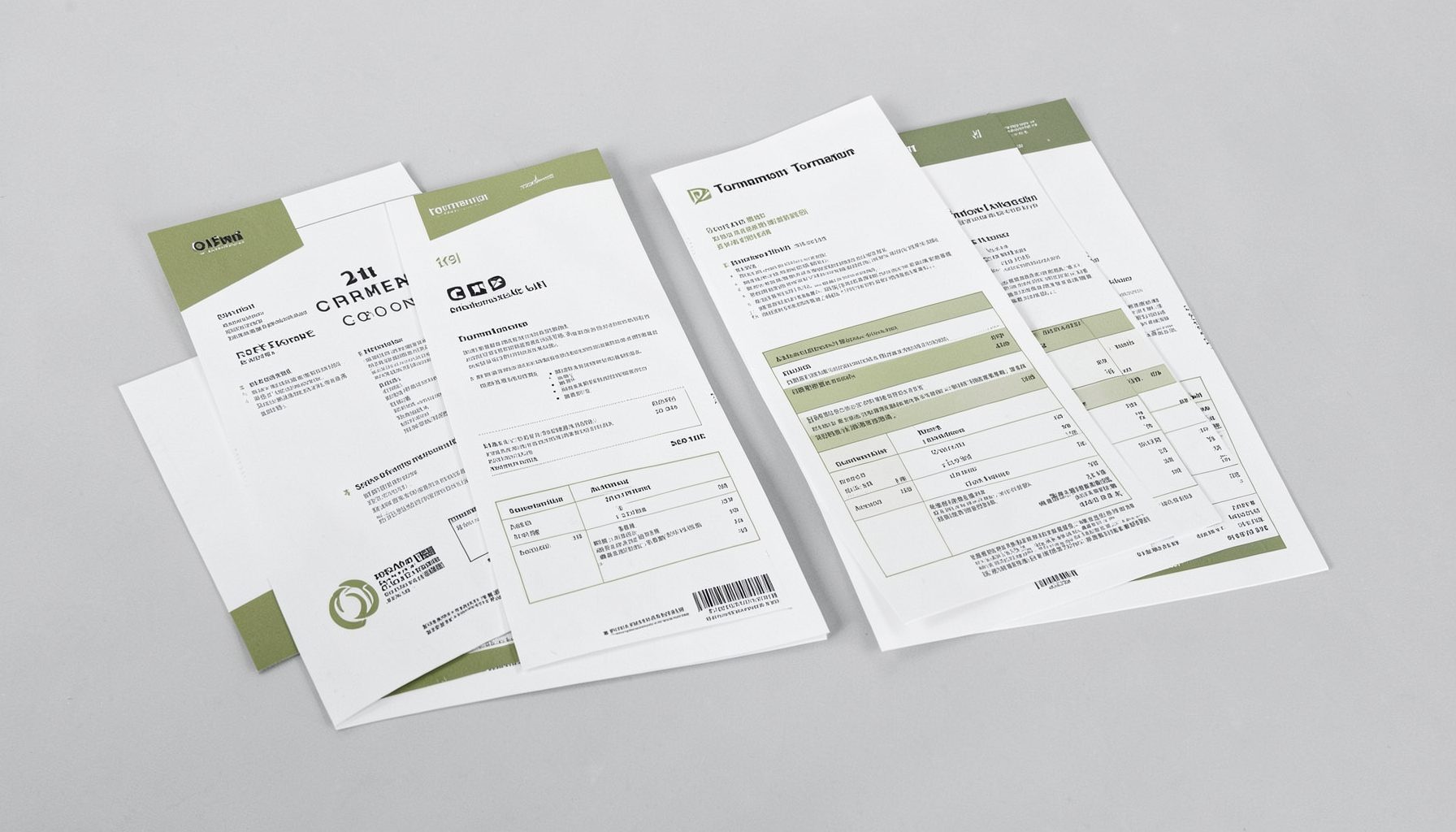
Tournament Packets
Packets from previous Kill Team events are kept here alongside new packets for upcoming tournaments, so organizers and players have what they need in one place.
View Event Data