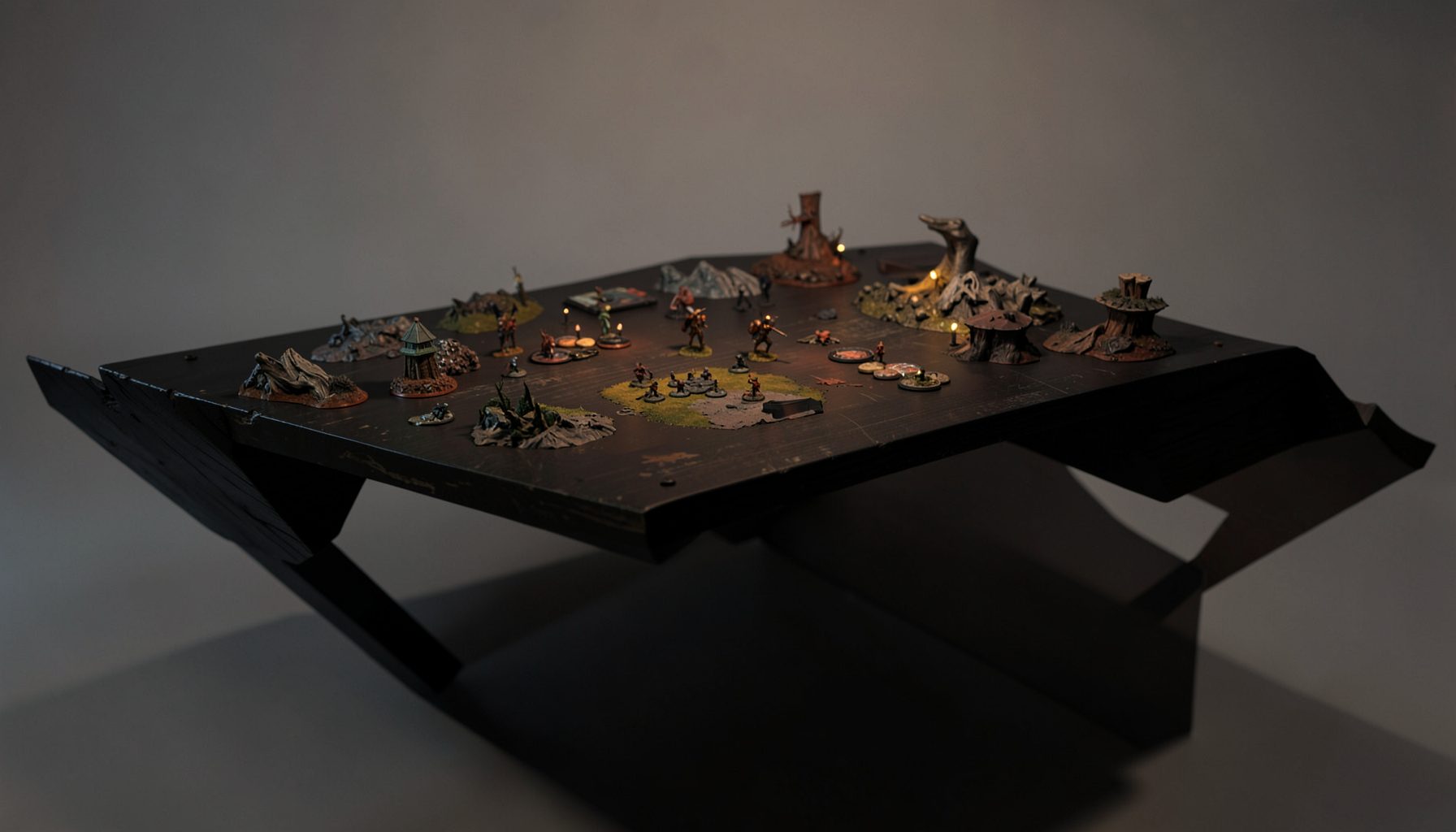
Live-streamed games, recorded matches, and event data gathered in one place.
Kill Team Stream hosts quality live streaming of Kill Team content — tournaments throughout the year on Twitch, regular games streamed to the channel, and tournament data gathered so players can see what's happening in the scene. Powered by WARHAMMER.
Browse tournamentsOfferings
Tournaments
Multiple Kill Team tournaments hosted throughout the year, all live-streamed on our Twitch channel.
Videos
Streams are recorded and uploaded to YouTube alongside original video content we produce.
Event Data
Tournament packets from past events plus resources for upcoming Kill Team tournaments.
Site Directory
Using the Re-Roll Stratagem to Swing Critical Moments in Kill Team
A die clatters across the table, rolls past the edge, and somehow lands exactly where it shouldn't. Every Kill Team player has lived through that stomach-drop moment when a critical save fails or a defining hit misses. Re-roll stratagems exist for those exact heartbeats. Used well, they erase bad luck; used poorly, they burn two precious CP on a roll that never mattered. This guide walks through how competitive players squeeze real value out of every re-roll, and how newcomers can build the same habits without overthinking it.
The tournament scene across Australia has grown sharp enough that players who can't string together a re-roll chain often find themselves on the wrong end of a 12-8 scoreline. From weekend events at Good Games Sydney to the larger formats run out of Brisbane community halls, you'll spot experienced captains banking CP specifically for the pivotal turn. That's the mentality shift worth absorbing: re-rolls aren't a panic button, they're a planned resource.
Strategic depth in Kill Team rarely comes from raw dice luck. It comes from stacking the odds so high that even a re-roll feels like overkill. Below, the re-roll family gets broken down by use case, then layered with the reading skills and tactical habits that separate weekend warriors from top-table finishers at a packed Melbourne or Perth event.
Understanding the Re-Roll Stratagem and Its Variants
Every faction has access to some flavour of re-roll, but the wording and trigger matter more than the name. The most common pattern lets you re-roll a single dice, attack, or wound roll after seeing the result. A second pattern lets you re-roll a hit roll of 1 only, which is cheaper and best used as a passive buff across a whole combat. A third, rarer pattern swaps a failed save for a different roll entirely. Knowing which is which is the first step to budgeting your CP correctly.
| Re-Roll Type | Cost (Typical) | Best Trigger Window | Common Mistake |
|---|---|---|---|
| Single hit re-roll | 1 CP | After seeing a missed hit on a key weapon | Burning it on a chaff model |
| Single wound re-roll | 1 CP | After a high-damage shot wounding on a 2+ | Re-rolling a wound already on 3+ |
| Save re-roll | 1-2 CP | When a critical model needs to live one more turn | Using it on a model already in the kill zone |
| Hit roll of 1 re-roll | 0-1 CP | Pre-combat, against multi-wound infantry | Forgetting it exists mid-fight |
The cost column varies between factions, and many Kill Teams tie re-rolls to specific operatives like a Sergeant, a Medic, or a faction-specific character. Players running Phobos, for instance, lean hard on the Reiver Sergeant aura, while Veteran Guardsmen players rely on the Vox operator for a similar effect. Either way, the table above gives you a checklist to run through every time a re-roll card hits your hand.
The biggest trap for new players is treating all re-rolls the same. A hit re-roll on a plasma gun wounding on a 2+ is worth its weight in CP. The same card spent on a lasgun wounding on a 4+ rarely swings a fight. Read the rule, then read the board, before you commit the point.
Timing the Re-Roll Before You Commit
Re-roll stratagems reward patience, not panic. The natural instinct is to fire off a re-roll the moment a die fails, but experienced Aussie players at events like the Brisbane Open or Sydney Team Tournament hold fire until they've seen the entire activation play out. Sometimes the failed roll matters far less than you thought, and a later re-roll on a different roll in the same activation is worth twice as much.
There's a practical rhythm that works well across most factions. Make the initial roll. If it fails, ask whether the model or fight is genuinely pivotal. If yes, declare the stratagem before reaching for the re-rollable dice. If no, finish the activation and bank the CP for a stronger target. Players at the recent Perth Western Challenge who tried to fix every bad roll found themselves out of CP by turn three with nothing left for the final objective push.
This is where time zones work against stream viewers as well. Watching VODs from the Eastern seaboard tournaments on the recorded tournament archive lets you pause and rewind the exact moment a captain decided whether to commit. That kind of study teaches more than any number of batrep readings, because you see the full reasoning chain rather than just the outcome.
Recognising Genuine Clutch Scenarios
Not every moment is clutch. A clutch moment in Kill Team is one where the result directly decides a primary or secondary objective, removes a key threat, or protects an operative you've invested CP into already. Anything outside that shortlist is decoration. Holding a re-roll for a non-clutch moment means you'll spend the rest of the game wishing you'd saved it.
Players who run Heavy teams like the Death Guard or Custodes often face a different version of this problem. They have fewer operatives, so each one carries more tactical weight. A re-roll spent saving a Plague Marine in the middle of the board feels routine but actually represents 20 percent of your fighting power. That maths is what makes high-body-count teams like the Salvation Sisters look so forgiving to newer players: there's always another body to absorb the hit.
The reverse also applies. Some players run hot on CP banking and never pull the trigger. They treat the stratagem like a savings account and never draw on it. At a Canberra regional last year, one captain held three CP into the last activation and watched his opponent win on priority because he couldn't be bothered spending one of them on a save that would've secured first strike. Being willing to spend is half the skill.
Reading the Board and Your Opponent's Plan
Re-rolls land best when you've already worked out what your opponent is trying to do. If you know their Eliminator is gunning for your sniper, the re-roll on the sniper's save isn't speculative, it's near certain to swing the board. If you don't know, you're essentially gambling two CP on a coin flip in a game full of more meaningful choices.
Watching Australian competitive streams on Twitch, especially the Friday night rounds streamed from Melbourne's Ace Comics back room, makes the reading habit obvious. The commentators pause before a major activation and walk through what each captain might be considering. That's the mental muscle you want to build: a running monologue about opponent intent that fires before you ever declare a charge.
There's a fair dinkum trick that several top-table Sydney captains swear by. They take fifteen seconds before any major combat to literally say out loud what their opponent wants this turn to achieve. If the re-roll doesn't directly answer that goal, it stays banked. Simple, slow, and brutally effective.
Combining the Re-Roll With Your Wider Arsenal
No re-roll lives alone. Most Kill Teams stack re-rolls with auras, faction abilities, or equipment that pushes a die from a 4+ to a 3+ even before you spend CP. Once you've stacked the natural re-roll (such as a Captain's aura or a markerlight equivalent), the paid re-roll becomes a third or fourth chance rather than a first one. That stacking is what makes certain activations feel unfair from the wrong side of the table.
Equipment matters here too. Targeting optics, suspensors, and similar kit changes the wound roll target itself, which feeds directly into your re-roll economy. If a weapon goes from wounding on a 5+ to wounding on a 3+, your re-roll success rate roughly doubles. Players who buy kit before buying re-rolls often win more games per dollar spent, especially when every box of models runs close to one hundred and twenty Aussie dollars at retail.
Combos to memorise include stacking a hit re-roll with a wound re-roll on the same shot (legal only if worded correctly), pairing a save re-roll with an invulnerable save, and using a free re-roll from a faction ability alongside a CP-paid re-roll to cover two different rolls in the same combat. Each combo is a small saving that compounds across a four-round tournament day.
Lessons From the Aussie Tournament Circuit
The local scene has produced its share of textbook re-roll moments. At last season's Brisbane Showdown, one Intercession player spent two CP across a single turn to keep his Captain alive through three separate shooting phases. By the bottom of turn four, that Captain had racked up eight objective points and the opponent had run out of meaningful re-rolls. Watching the VOD on the platform, you can see the exact moment the captain smiles because he knows the maths is locked in.
Sydney and Melbourne events have a similar flavour but with different terrain styles. Good Games stores tend to feature tight, urban layouts that favour close-range re-rolls, while larger halls run by Strategic Games Society in the west often use open battlefields where shooting re-rolls dominate. Adjusting your re-roll pattern to the venue's typical terrain is a small adjustment that pays off across an entire season.
One last local note worth flagging: Australian tournament organisers have started rewarding players who declare re-rolls cleanly and explain their reasoning aloud. It speeds up rounds, helps newer players learn, and keeps the event running on schedule. Players who mumble through a re-roll declaration often get asked to repeat it, which burns clock and can pressure the rest of their game.
Drilling the Habit Until It Feels Automatic
The final piece is repetition. Set up a single combat in a practice game and force yourself to wait five seconds before declaring any re-roll. Run that exercise ten times in a row and you'll start noticing how often the urgent re-roll wasn't urgent at all. Most competitive players reckon three hours of focused practice on this single decision is worth more than a weekend of casual matches.
Once the habit sticks, the bigger gains appear. You'll find yourself banking CP into turns four and five more often, your opponents will start reacting to your measured pace, and you'll finish more games with unspent CP that converts into a feeling of control. That feeling is what every veteran Australian player chases, and it's the same feeling that lights up a stream chat when a captain holds a re-roll until the perfect moment.
Players who want to study more examples can dive into the full match library and scrub through a few games with the sound off, pausing at every re-roll decision. That process builds the same mental library that the top captains carry into every event. It's slow, it's repetitive, and it works. Hard yakka, as the old hands like to say, beats clever talk every time of the week.
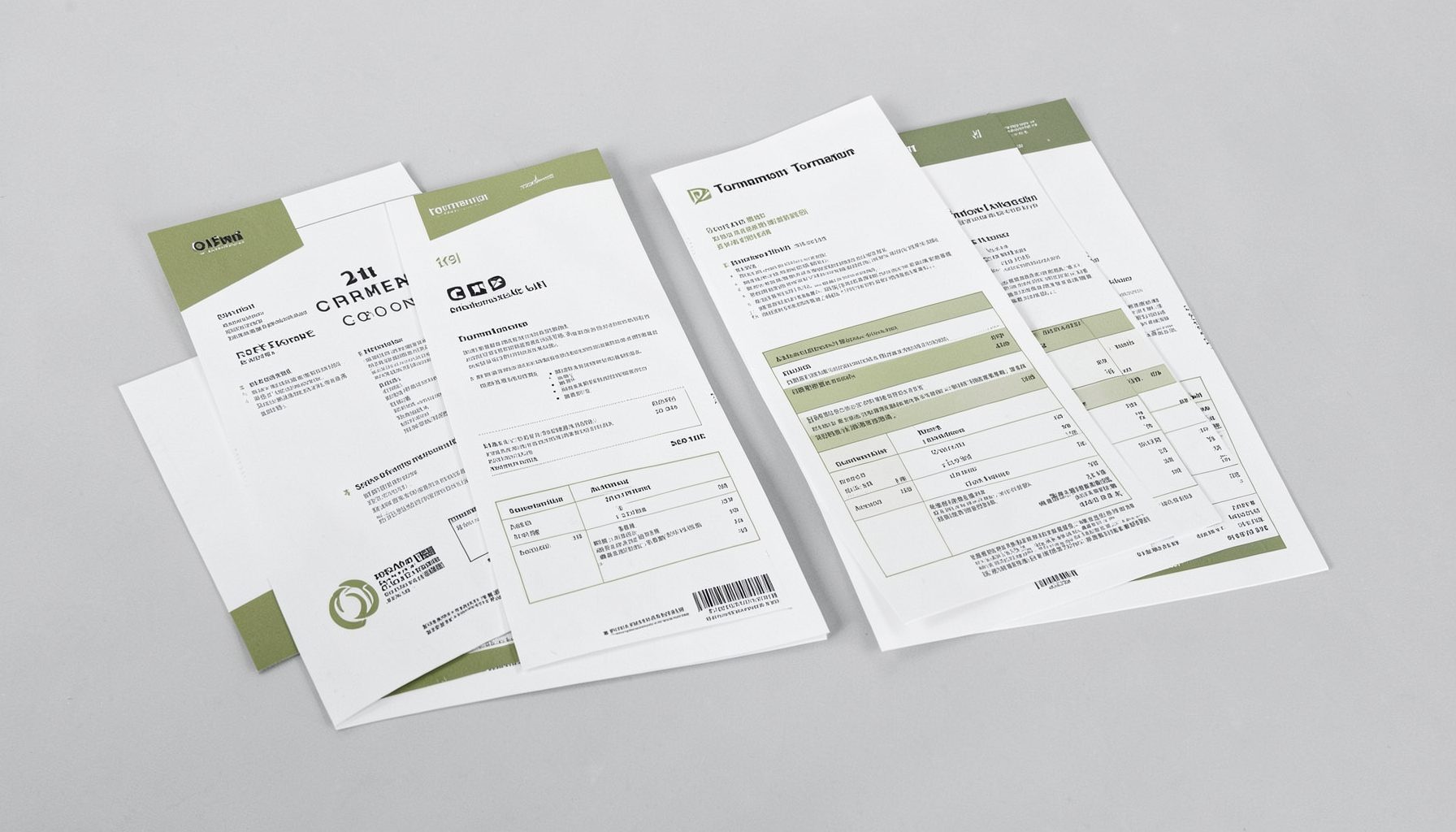
Tournament Packets
Packets from previous Kill Team events are kept here alongside new packets for upcoming tournaments, so organizers and players have what they need in one place.
View Event Data