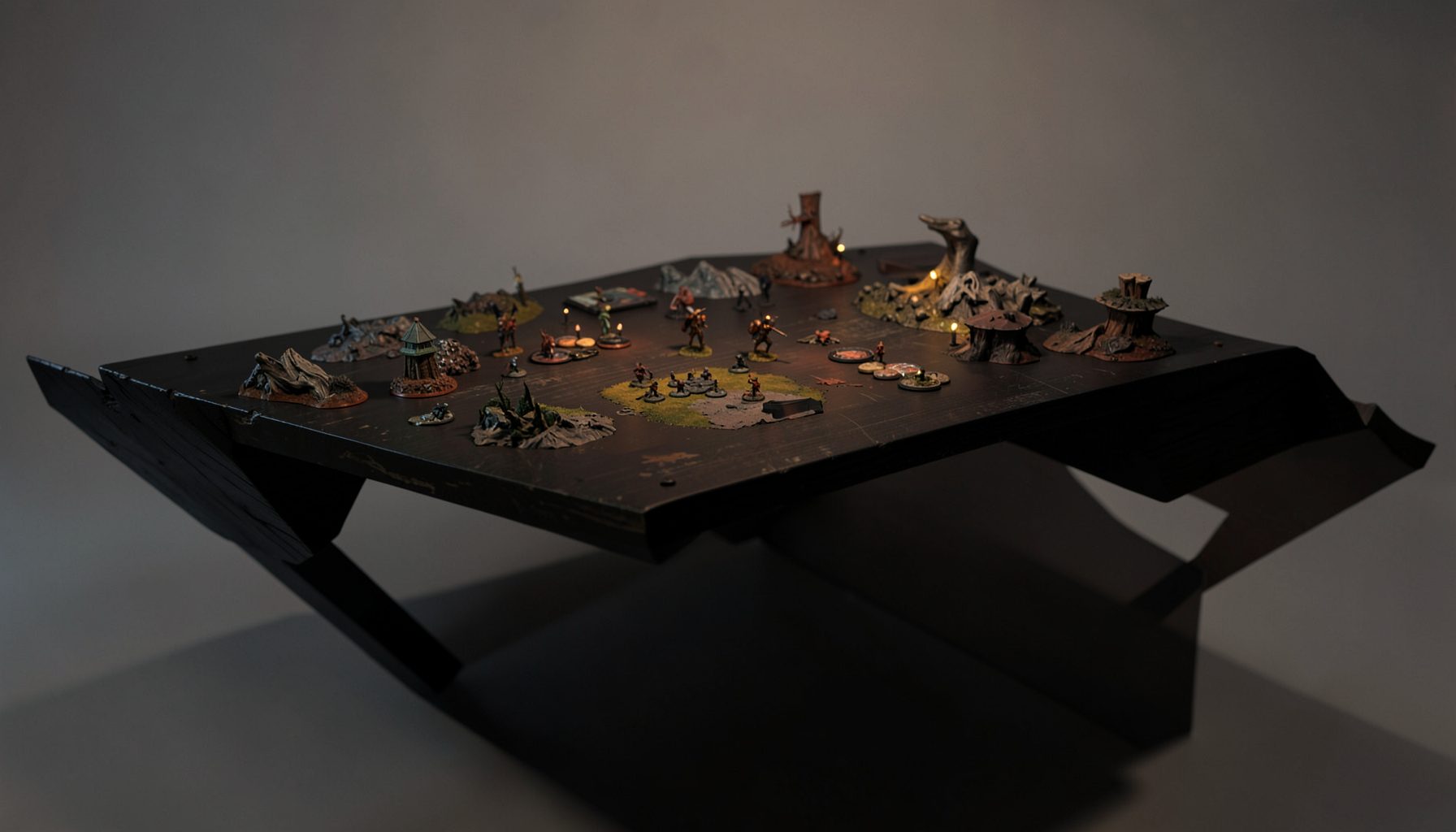
Live-streamed games, recorded matches, and event data gathered in one place.
Kill Team Stream hosts quality live streaming of Kill Team content — tournaments throughout the year on Twitch, regular games streamed to the channel, and tournament data gathered so players can see what's happening in the scene. Powered by WARHAMMER.
Browse tournamentsOfferings
Tournaments
Multiple Kill Team tournaments hosted throughout the year, all live-streamed on our Twitch channel.
Videos
Streams are recorded and uploaded to YouTube alongside original video content we produce.
Event Data
Tournament packets from past events plus resources for upcoming Kill Team tournaments.
Site Directory
Crafting Kill Team Battle Reports Worth Reading All the Way Through
A kill team battle report lives somewhere between a sports recap and a strategy guide, and the strongest ones make readers feel like they leaned over the table at the right moment. Visitors landing on Kill Team Stream typically want entertainment that respects their time and just enough detail to borrow a trick or two for their own games. Treat the write-up less like a transcript and more like a yarn, with a hook at the top, a clean through-line in the middle, and a payoff at the end. If a reader leaves the page knowing who won, how it happened, and what they would try next, the report has done its job.
Australian tournament culture reads reports the way fans read weekend sport recaps, skimming for the storyline before settling into the analysis. Creators from Brisbane to Perth already know this, which is why the most-shared posts on community Discords tend to be punchy rather than exhaustive. Match reports that respect a hungry reader, that reward skimming, and that offer depth for those who want more tend to stick around long after the closing ceremony at a Melbourne or Hobart event has wrapped.
Know who reads your reports and why
Before a single sentence hits the page, picture the person reading it. Some readers are piloting their own kill team and want to see what works against tonight's meta menace. Others are organisers running RTTs in Adelaide and need polished copy for their event page. A third group simply enjoys the drama of a five-turn grind where the objective changes hands three times. Trying to serve every audience in one go produces a cluttered draft, so decide who the post is for and write the opening pages to that person.
Australian tournament culture skews friendly and a touch larrikin, so even a tactical breakdown can carry a yarn-like flow rather than dry manual-speak. Phrases like opening exchange, the swing turn, and the late-game squeeze travel well from capital cities to regional hubs, because everyone recognises the rhythm of a close match. Keep the tone confident and direct, the way a club captain speaks on a panel at Canberra's gaming convention. Readers forgive a lot when they trust the voice steering them through the game.
Open with the mission, the lists, and the stakes
The opening paragraph answers four questions without padding: who played, with what factions, on which mission, and what was on the line. Is this a casual weekly at Good Games Parramatta or the final of a Sydney-wide open? Was it a friendly practice between two mates sparring for six months, or the last hurdle before a national invite list closed? Stakes are everything. A reader who knows what is on the line leans into every subsequent activation, even when the operatives involved are unfamiliar.
Drop the army lists right under the intro, formatted for easy scanning. A short block showing operatives, equipment, and faction ploys beats a paragraph describing rules. If the lists came from an event packet hosted on a Perth organiser's site, link to it. Australian players expect clean references because so much of the country's competitive commentary spans time zones from AWST through AEDT, and the clearer the source material, the faster your report travels through the early-morning Discord scrolls.
Pace the story turn by turn
Once the lists are out of the way, structure the body of the report around the natural turning points rather than every dice roll. Group one or two activations into a single beat, then slow down when a play actually swings the scoreboard. Commentary that drags through every shot, save, and injury token loses readers quickly, while a report that skips ahead and zooms in at the right moments pulls them forward. The gap between a full replay and a highlights reel cut by a coach is roughly the gap between a forgettable write-up and the one your readers forward to their group chat.
Spice the pacing with descriptive touches that the video stream cannot easily capture. The nervous laugh when an operative fails a critical action, the quick conference in the doorway over a flat white from the cafe next door, the moment a Perth player switched from a measured advance into a desperate sprint to secure a tac op. These details turn a sterile log of actions into a recognisable Tuesday night in a suburban games hall. They are also the lines readers quote when they share the post, so write them like you would yarn across a trestle table at a sausage-sizzle break, then close the body with the final turning point rather than the final score.
Layer in the tactics the match alone does not show
Plain recaps tell what happened; valuable reports tell why it mattered. After each turning point, take a sentence or two to explain the reasoning behind the move. Why did a Phobos strike team hold operatives back in conceal rather than pushing line-breaker? Because the secondary scoring in Sudden Death rewards patient play in the second turning point, particularly when the opponent's melee killers are still off-board. A note like that turns a sentence into a teaching moment without slowing the report down.
Mirror that reasoning from the other side of the table whenever possible. If a Brisbane player baited the Phoenix operative across a gap to deny an action, point it out. Readers learn fastest when both coaches' plans are laid out in parallel, the same way commentators do it on the official stream. Keep the analysis grounded in choices visible on the table; speculation that cannot be supported by the footage reads like guesswork and dilutes trust.
Pair the words with timestamps, photos, and rosters
Most readers will arrive having already watched the match, or planning to watch it next, so treat the text as a companion rather than a replacement. Drop YouTube timestamps into the key moments, such as the blunderbuss play at 1:14:32 or the swing turn starting around 1:27:10. Creators based in Adelaide and Sydney usually run their VODs on community channels, and adding chapter markers inside the article helps those videos earn more watch time, which keeps the loop tight between streamer and writer.
Photographs also carry weight. A snapshot of the deployment map, the ploy cards under harsh fluorescent lighting, or the moment a faction operative was pushed off an elevated position gives the reader a memory hook the text alone cannot deliver. Take a few minutes between rounds to grab phone photos, label them by turn, and place them in the post. The combination of image and caption delivers information in the layered way sports write-ups in Australian papers have done for decades, and event organisers appreciate the credit.
End with a tidy appendix: full army lists, the mission and map, tournament placings if relevant, and links to the organiser, the stream VOD, and any shared photo album. Players chasing copies later appreciate having everything in one place, and a well-stocked footer reduces the follow-up messages in your inbox during the work week.
Edit, share, and learn from the feedback loop
The first draft of a battle report is rarely the best draft. Cut any sentence that does not earn its space. If a sentence repeats what the previous one said, merge them. If a phrase is filler to hit a word count, delete it. Australian tournament reporting has always been lean; readers want the meat, not the gravy. Read the piece aloud once before publishing, because the ear catches clunky rhythms the eye glides past.
When you publish, mind a couple of local legal points. Under the ACCC's guidance on testimonials and endorsements, any commission or affiliate relationship tied to a product mentioned in the report should be flagged openly. If you quote tournament packs or community photos from a Melbourne or Canberra event, a quick attribution line respects the Copyright Act 1968 and the spirit of fair dealing for criticism or review. Clear credits also reassure organisers who might otherwise hesitate to let you document their games next time.
Treat every report as a draft for the next one. Note which sections readers quote in the comments, which timestamps lift retention on the matching video, and which match-ups you left underexplained. Build a small shared note with your commentary partner, even if that partner is a fellow player from a friendly local gaming store. Over a season of regional events, that loop is what turns a good write-up into the sort of post the Australian kill team scene forwards without being asked.
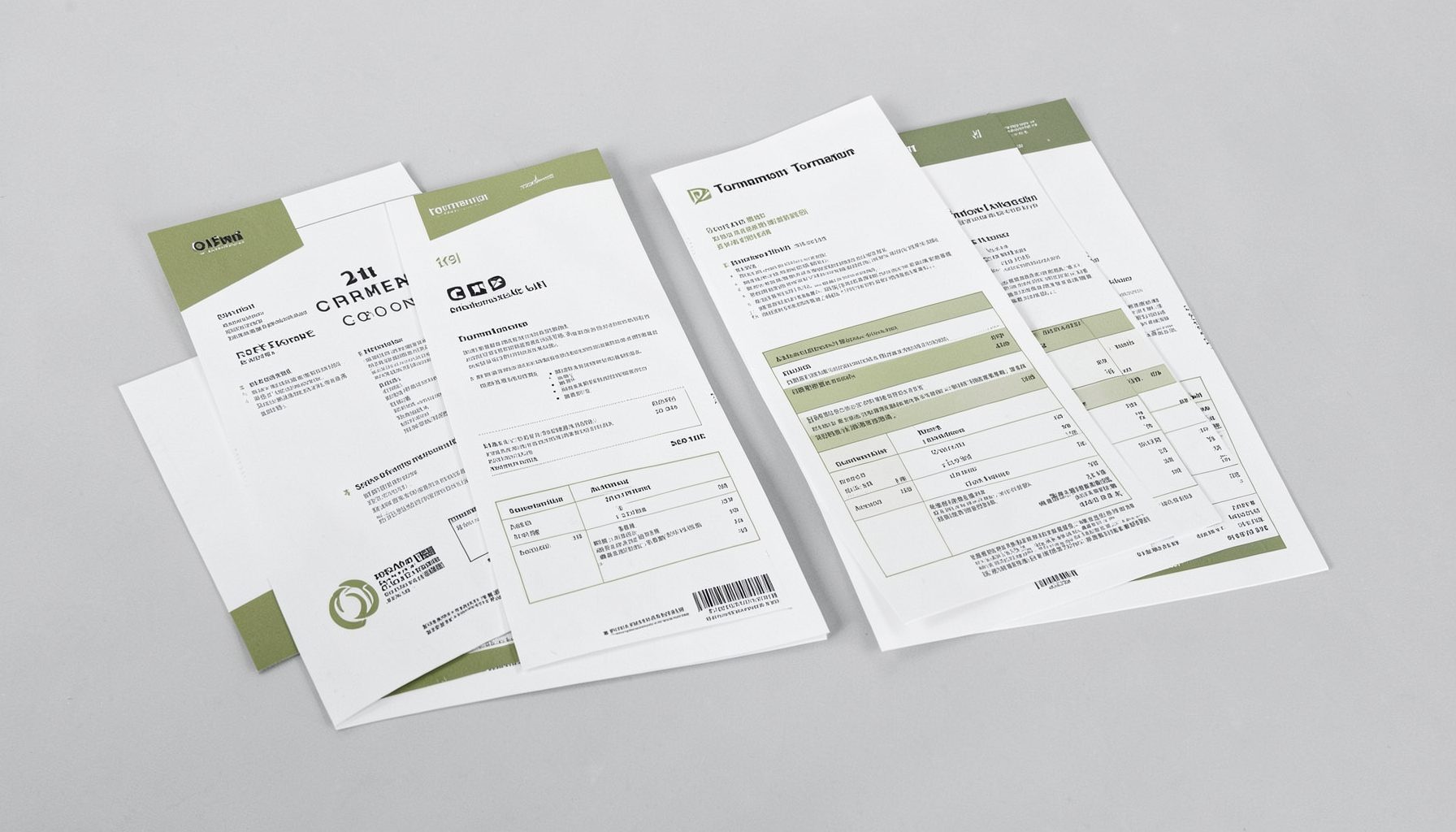
Tournament Packets
Packets from previous Kill Team events are kept here alongside new packets for upcoming tournaments, so organizers and players have what they need in one place.
View Event Data