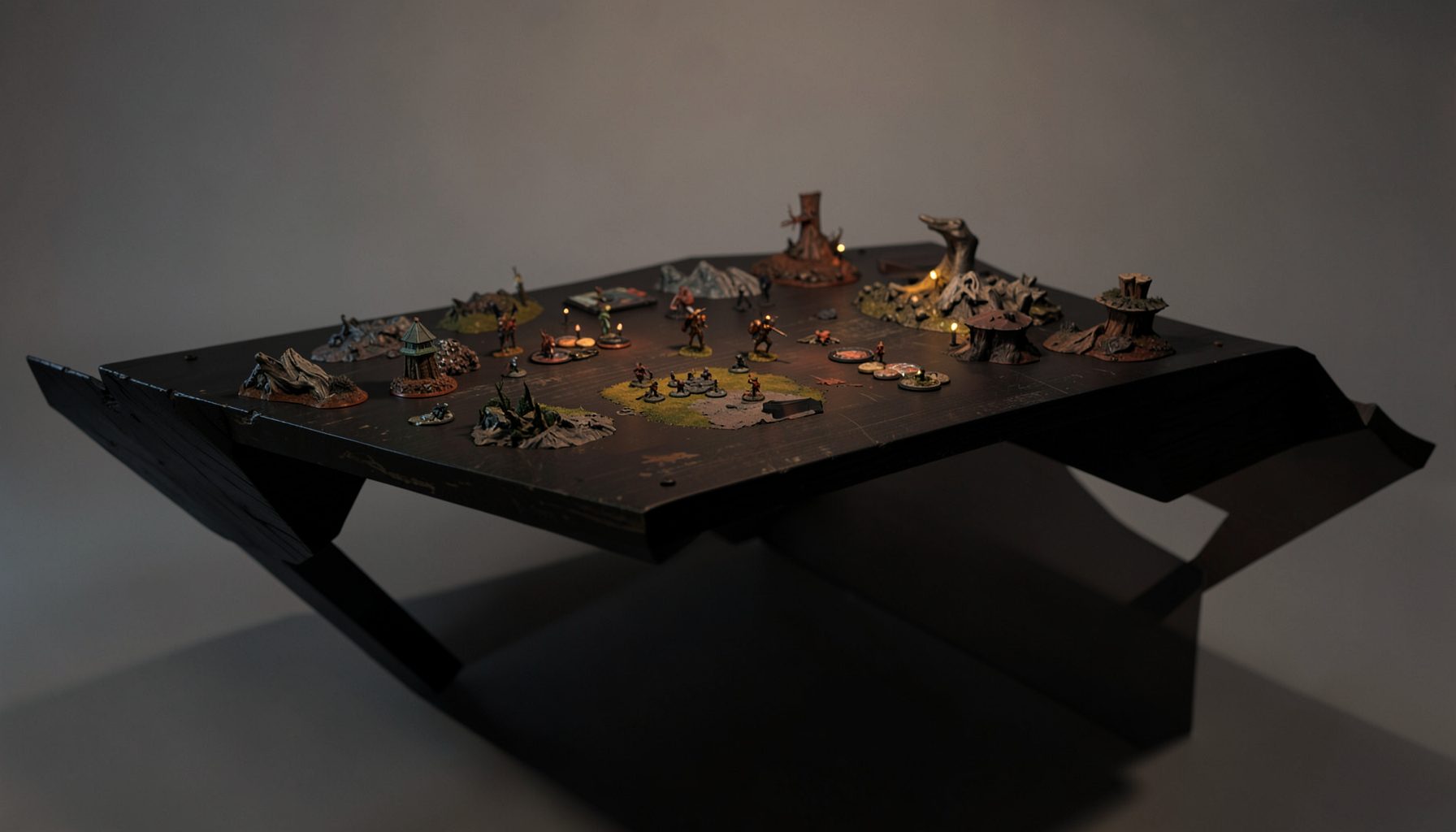
Live-streamed games, recorded matches, and event data gathered in one place.
Kill Team Stream hosts quality live streaming of Kill Team content — tournaments throughout the year on Twitch, regular games streamed to the channel, and tournament data gathered so players can see what's happening in the scene. Powered by WARHAMMER.
Browse tournamentsOfferings
Tournaments
Multiple Kill Team tournaments hosted throughout the year, all live-streamed on our Twitch channel.
Videos
Streams are recorded and uploaded to YouTube alongside original video content we produce.
Event Data
Tournament packets from past events plus resources for upcoming Kill Team tournaments.
Site Directory
Kill Team Faction Guide: The Adeptus Mechanicus Hunter Clade
The Adeptus Mechanicus Hunter Clade brings a distinctive blend of cybernetic infantry, stealth specialists, precision weapons, and battlefield technology to Warhammer 40,000 Kill Team. Rather than relying on a single overwhelming combat style, this faction rewards careful positioning and flexible team construction.
A Hunter Clade kill team can combine Skitarii Rangers and Vanguard with Sicarian Ruststalkers and Infiltrators. That gives players access to long-range firepower, objective pressure, melee threats, and specialist abilities that can disrupt an opponent’s plan.
The faction suits players who enjoy managing several roles at once. Its operatives are individually vulnerable, but a well-built team can control firing lanes, score mission actions, and punish enemies that move carelessly. Rules updates and approved event packets can affect exact selections, so competitive players should always check the current Kill Team documents before an event.
The Faction’s Battlefield Identity
Hunter Clade teams are built around technological superiority and tactical flexibility. Rangers are disciplined marksmen, Vanguard operatives carry weapons designed to weaken or punish enemy targets, and Sicarians provide the speed and close-combat threat needed to contest the center of the board.
This combination creates a team that can adapt to different terrain layouts. Dense boards give Infiltrators and Ruststalkers opportunities to approach under cover, while open firing lanes allow Rangers and specialist gunners to influence movement. The best Hunter Clade players rarely commit every operative to the same task.
The faction is especially effective when it makes the opponent choose between several bad options. A Sicarian threat near an objective can force an enemy to divert resources, while a plasma caliver or arc rifle waits for a valuable target to expose itself. Meanwhile, Vanguard operatives can help secure mission actions and apply pressure through their special rules.
Hunter Clade is less forgiving than a team with extremely durable operatives. Mistakes in deployment, premature charges, or careless movement can quickly remove key models. Success comes from trading pieces deliberately and preserving the specialists that support the team’s overall plan.
Building A Balanced Hunter Clade Team
A balanced roster usually includes a mixture of Skitarii and Sicarians rather than leaning entirely toward one unit type. The exact legal composition depends on the edition and current faction rules, but the general principle remains consistent: take enough ranged tools to make the opponent respect open ground, then add mobile operatives that can contest objectives and threaten isolated models.
The Alpha provides leadership and can be equipped for either ranged or melee play, depending on the roster’s needs. A Ranger or Vanguard leader with a strong weapon can support a shooting-oriented plan, while a more aggressive option can accompany Sicarians during a central-board push. The leader should have a clear purpose rather than simply being treated as a better basic operative.
Specialist selection deserves particular attention. A Surveyor can improve the team’s ability to operate around firing lanes and mission objectives, while a Diktat can help coordinate actions and support nearby operatives. These models may not deliver the most damage, but their utility often matters more across a full turning point.
Gunners are valuable because they give the team access to high-impact attacks. A plasma caliver threatens elite operatives, an arc rifle can punish appropriate targets, and a transuranic arquebus can dominate a long fire lane when the terrain allows it. Since these specialists are often priority targets, deploy them with protection and a clear route to useful positions.
Operative Roles At A Glance
Hunter Clade rewards players who understand the difference between damage dealers, mission pieces, and support models. A Ruststalker may be more dangerous in combat, but a Vanguard operative can be the model that actually secures a turning point by reaching an objective at the right moment.
| Operative group | Primary role | Main strengths | Common risk |
|---|---|---|---|
| Ranger Warrior | Fire support and objective control | Reliable ranged presence and disciplined positioning | Can struggle when forced into close combat |
| Vanguard Warrior | Mid-board pressure and utility | Flexible movement, special weapons, and target support | Often exposed while working near objectives |
| Ranger Gunner | Long-range damage | High-impact weapon options and lane control | Vulnerable if deployed without cover |
| Vanguard Gunner | Aggressive fire support | Strong threat projection in the mid-board | Needs careful positioning to avoid retaliation |
| Ruststalker | Melee attack piece | Fast, dangerous close-combat profile | Can be isolated before reaching a target |
| Infiltrator | Forward pressure and disruption | Mobility, early board presence, and flexible attacks | Light protection makes failed attacks costly |
| Alpha | Leadership and elite utility | Stronger profile and command value | Losing the leader can disrupt the team’s plan |
| Diktat or Surveyor | Support and mission play | Improves team coordination and tactical options | Lower direct damage than specialist fighters |
This role structure should guide deployment and activation order. Do not activate an operative simply because it has an available action. Instead, identify which models must remain safe, which can create a threat, and which need to complete a mission action before the turning point ends.
Weapons, Equipment, And Tactical Priorities
The Hunter Clade arsenal offers several ways to deal with enemy operatives, but each weapon performs best under different conditions. A plasma weapon is most valuable against a durable or important target, while an arc rifle can be effective when the target’s special rules make its attack profile particularly punishing. Avoid wasting premium attacks on expendable models unless doing so opens a decisive objective play.
Sicarians should usually be assigned tasks that take advantage of their mobility and combat ability. Ruststalkers are natural assault operatives, but they do not need to charge on the first opportunity. Waiting behind terrain can be stronger than making an early attack that leaves them exposed to multiple enemy activations.
Infiltrators can pressure the opponent before the main engagement begins. Their forward deployment or mobility tools can force an enemy to screen objectives, protect specialists, or change an intended route. That pressure has value even when the Infiltrator does not make an attack.
Equipment should support the mission rather than create a collection of isolated tricks. Movement-enhancing options, defensive tools, and equipment that improves a key attack can all be valuable, but the choice should reflect the board and the opponent. On an objective-heavy mission, utility equipment may produce more value than another damage boost.
Using Canticles And Faction Rules
The Hunter Clade’s faction rules reward timing. Canticles and related tactical abilities can improve the team’s offensive output, movement, or survivability, but their value depends on the turning point. Spending a powerful effect merely to gain a small advantage early can leave the team without the resources needed for the decisive exchange later.
Think of each turning point as a sequence of questions. Which enemy must be removed? Which objective must be reached? Which operative has to survive? Once those priorities are clear, faction rules become easier to use. A defensive effect may protect a gunner during a crucial overwatch position, while an offensive option can help a Sicarian finish a target and remain relevant for the next activation.
The faction’s support operatives also reward planning several activations ahead. A Surveyor may need to move before a gunner can take advantage of a firing lane. A Diktat may need to stay close enough to support a key operative, even if that means giving up a more aggressive position. These models should be treated as part of the team’s command network.
Keep track of line of sight, cover, engagement range, and action economy. Hunter Clade does not need to win every individual fight. It needs to make efficient trades while keeping enough operatives alive to perform mission actions during the final turning points.
Playing The Mission Instead Of The Highlight Reel
A common mistake with Hunter Clade is focusing too heavily on spectacular attacks. A plasma gunner destroying an elite enemy is memorable, but a basic Vanguard operative scoring a critical mission action may be more important to the result. Competitive Kill Team is decided by victory points, positioning, and timing as much as by casualties.
In the early turning points, establish safe routes and identify the objectives that matter most. Use Rangers to discourage movement through open areas, while Sicarians threaten approaches that would otherwise be safe. Avoid placing every model in the center before you know how the opponent intends to attack.
During the middle of the game, Hunter Clade can begin converting its threat into board control. A Sicarian charge may remove an enemy, contest an objective, or force the opponent to spend activations dealing with a problem. Choose the outcome that improves the mission position, rather than automatically choosing the attack with the highest chance of damage.
The final turning points favor preserved utility. A surviving support operative, gunner, or Vanguard warrior can often score points while the opponent’s damaged team struggles to respond. Protect models that can still perform actions, and remember that withdrawing from a bad fight can be the correct competitive decision.
Recommendations For New And Experienced Players
- Build a roster with both ranged specialists and mobile melee operatives so the team can adapt to different terrain and missions.
- Practice deployment on dense boards, open boards, and layouts with separated objectives.
- Give every operative a job before the turning point begins, including support models that contribute through positioning rather than damage.
- Save powerful faction abilities for moments that change the mission, such as removing a key enemy or securing a contested objective.
- Review tournament packets and current official rules before finalizing a competitive roster.
Matchups And Tournament Preparation
Hunter Clade performs best when the player can identify the opponent’s main threat early. Against melee-heavy teams, use firing lanes, screening, and controlled retreats to make charges awkward. Against shooting teams, use terrain, forward pressure, and multiple threats to prevent the opponent from focusing every attack on one specialist.
Elite teams can be vulnerable to concentrated fire and carefully chosen melee engagements. However, elite operatives may remove a Hunter Clade model with a single successful activation, so avoid offering isolated targets. Horde teams create a different challenge: they may control more of the board and score through numbers, requiring the Mechanicus player to prioritize objectives rather than chase every kill.
Before a tournament, practice the team’s opening activations. Know which operative moves first when the board offers a firing lane, which model performs an early mission action, and how the team responds when the opponent gains initiative. Rehearsing these decisions reduces hesitation and helps preserve command points for the turning points that matter most.
Review recorded matches from competitive Kill Team events to see how experienced players use cover, staging positions, and activation order. Watching a Hunter Clade game with the rules and mission in front of you can reveal details that are easy to miss during casual play, especially the value of a support operative or an apparently cautious move.
The Adeptus Mechanicus Hunter Clade offers a rich competitive experience for players who enjoy layered decision-making. Its strength comes from combining precise shooting, rapid cybernetic fighters, and flexible mission play into one coordinated force. Learn the role of every operative, build around the terrain, and make faction abilities serve the mission rather than the other way around.
Follow Kill Team Stream for live tournament coverage, recorded matches, event results, gameplay analysis, and community resources that can help turn these ideas into practical table experience.
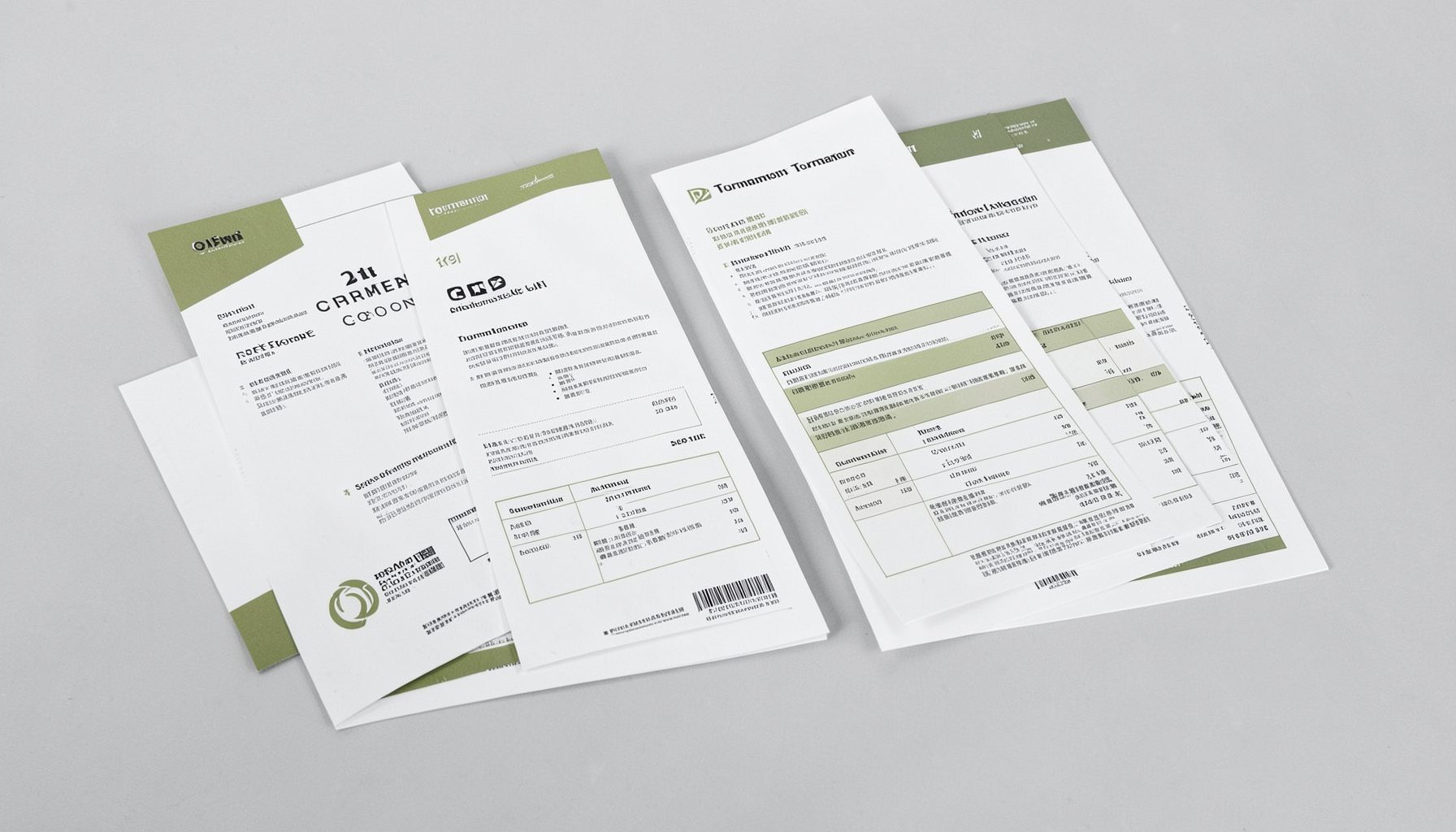
Tournament Packets
Packets from previous Kill Team events are kept here alongside new packets for upcoming tournaments, so organizers and players have what they need in one place.
View Event Data