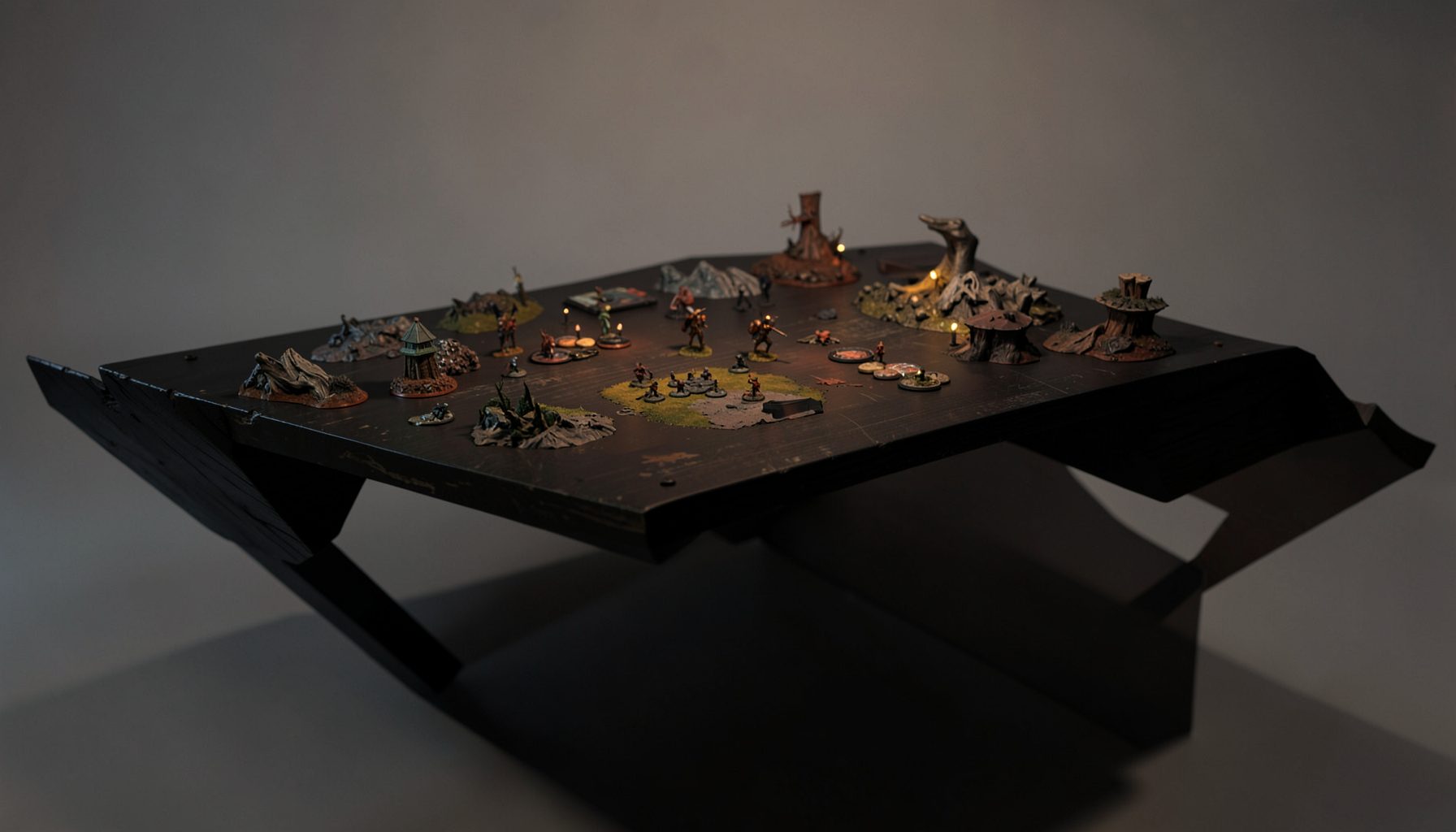
Live-streamed games, recorded matches, and event data gathered in one place.
Kill Team Stream hosts quality live streaming of Kill Team content — tournaments throughout the year on Twitch, regular games streamed to the channel, and tournament data gathered so players can see what's happening in the scene. Powered by WARHAMMER.
Browse tournamentsOfferings
Tournaments
Multiple Kill Team tournaments hosted throughout the year, all live-streamed on our Twitch channel.
Videos
Streams are recorded and uploaded to YouTube alongside original video content we produce.
Event Data
Tournament packets from past events plus resources for upcoming Kill Team tournaments.
Site Directory
Choosing Equipment That Matches Your Kill Team Roster
Picking the right gear for your Kill Team roster sits at the heart of competitive play, blending game knowledge with personal style. Whether you are preparing for a casual game at your local Games Workshop in Melbourne or chasing a seat at the Brisbane Supanova Kill Team event, the wargear you select shapes how your operatives interact with the mission, the board, and the opposing force. This guide walks through the considerations that experienced players weigh when refining a list, and the practical steps newcomers can take to build confidence with every choice.
Equipment selection in Kill Team differs from full Warhammer 40,000 army building because every point matters at such a small scale. A single grenade or auspex can swing a critical interaction, and a poorly chosen rifle over a plasma pistol can leave your operative exposed at the worst moment. Players across Australia, from Sydney's bustling tabletop scene in Surry Hills to community nights in Perth's northern suburbs, often debate which wargear options are worth their points. The goal is not memorising a single optimal list, but developing the judgment to select equipment that reinforces your tactical plan.
Reading the Equipment List with a Critical Eye
The equipment list in every Kill Team boxed set and faction compendium provides the raw options, but the descriptions hide important nuances. Many weapons appear similar at first glance, yet their range, number of attacks, and special rules reward different playstyles. For example, a bolt rifle delivers strong ranged output but lacks the close-range punch of a shotgun, which can matter when objectives are contested in cramped interiors.
Before locking in any choice, compare the profiles side by side. A common exercise among tournament players in Adelaide is to print out the relevant faction pages and mark which weapons serve at which engagement ranges. Doing this forces you to ask whether your roster needs long-range firepower, flexible mid-range tools, or close-quarters brutality. Australian hobby shops like LXG Warhammer in Adelaide and various distributors in Sydney often stock faction packs with the latest datasheets, which makes this comparison easier than relying on outdated PDFs.
Another angle is understanding the trigger conditions for each weapon. Some weapons gain value only if your operatives advance into specific board positions, while others remain useful even when you fall behind on objectives. Spending extra points on situational gear can feel brilliant when your plan works, but disastrous when the opponent denies you the right conditions. Treat each option as a gamble and stack your roster so that several operatives can cover each other, even if one fails to trigger.
Matching Equipment to Roster Archetype
Every Kill Team roster leans toward an archetype, whether that is a glass cannon of fragile but deadly operatives, a durable gun line, or a tricky melee force. Equipment choices must reinforce that archetype rather than dilute it. A melee-focused list benefits from gear that improves charge reach, damage on the charge, or survivability during the fight phase, while a shooting roster gains more from scopes, targeters, and ammo options that increase accuracy.
Players building aggressive rosters for the Sydney Sword event or local league nights often prioritise grenades and pistols that offer threat saturation. By carrying equipment that threatens multiple operatives at once, you pressure the opponent to make difficult saves and split their attention. Conversely, a control roster in a tournament like Melbourne Slaughterfest tends toward auspexes, comms devices, and equipment that helps with objective play, trading raw damage for tactical flexibility.
Ask yourself how each piece of wargear serves the overall plan. If an item rarely fires or rarely activates, its points could go elsewhere. Many Australian coaches recommend writing a one-sentence role for each operative, then checking whether the chosen equipment supports that role. This habit clarifies redundant loadouts and highlights gaps where you might need different gear altogether.
Faction-Specific Wargear Synergies
Some factions in Kill Team have signature equipment that only works with their unique operatives or abilities, and ignoring these synergies is a frequent mistake among newer players. Space Marines, for instance, can field a variety of chapter-specific wargear that interacts with doctrines or chapter tactics, while Imperial Guard teams lean on orders and regimental buffs that change how their basic equipment performs.
Veteran players at PAX Australia panels in Melbourne have highlighted how Ork teams gain surprising value from choppas and sluggas that enable extra attacks, making seemingly cheap weapons powerful in the right hands. Similarly, Tau Empire players in Brisbane local leagues have demonstrated how pulse rifles and support systems work together to lock down objectives through weight of accurate fire. These interactions reward players who study their faction rather than treating the equipment list as a generic shopping menu.
Customisation also extends to specialists. The leader, medic, and demo expert each have access to unique wargear that can shift the balance of a match. A demo expert with a demolition charge becomes a high-priority target, but also a high-priority asset if your roster relies on taking out armoured opponents. Equip these specialists with items that amplify their role and protect them where possible.
| Faction Example | Signature Wargear | Tactical Benefit | Risk Factor |
|---|---|---|---|
| Space Marines | Chapter-specific rifles and blades | Synergises with doctrines | Point-heavy |
| Ork Kommandos | Choppas, sluggas, smoke bombs | Mobility and extra attacks | Fragile saves |
| Tau Empire | Pulse rifles, support systems | Long-range accuracy | Limited close combat |
| Imperial Guard | Regimental standard, vox | Buffs nearby operatives | Range dependent |
| Death Korps | Mortar teams, bayonets | Objective control | Slow movement |
The faction comparison above illustrates how loadout identity differs from one kill team to the next. Your roster choice dictates the equipment ceiling, and embracing those strengths is more rewarding than chasing a generic optimal build.
Balancing Points, Flexibility, and Risk
Every piece of equipment costs points, and the points cap in matched play forces hard decisions. The temptation to max out damage-dealing gear is strong, especially when watching highlight reels of tournament winners from the Australian Kill Team League finals, yet flexibility often wins more matches than raw output. Leaving one operative with a utility loadout can save a game when your primary plan stalls.
Consider the risk profile of your choices. High-damage weapons like plasma guns and melta rifles can overheat or scatter, and bringing several of them concentrates your risk into a few key operatives. Spreading your points across reliable mid-tier weapons gives you more chances to recover from a bad roll. Australian hobbyists who run regular narrative nights in Perth often prefer this style because it keeps games fun and unpredictable rather than decided by a single devastating attack.
Cost-of-entry matters too. With the Australian dollar often making Warhammer products more expensive than in other regions, players tend to maximise the value of what they already own. Many local players combine equipment across multiple teams, sharing a small pool of wargear bits across rosters to keep the hobby budget manageable. This practical habit also encourages experimentation, since you try new combinations without committing to expensive new kits.
Adapting to Your Local Meta
Every region in Australia develops its own meta, shaped by the players who frequent nearby stores and the events they attend. Brisbane's tabletop community around Westfield Chermside and the CBD leans heavily into objective-focused play, while Melbourne's scene around Chapel Street venues often rewards aggressive, list-building creativity. Knowing the local trends helps you tailor equipment to the matchups you will actually face.
Tournament organisers across the country, from Hobart to Canberra, publish event packets that often hint at mission selection and terrain layouts. Reading these documents carefully tells you whether long-range sightlines or close-quarters ruins will dominate the boards. Bringing a balanced roster with options for both extremes makes you less likely to be caught flat-footed by unfamiliar terrain.
You can also gather intel by chatting with opponents between rounds. Most Australian players are happy to share their thoughts on faction strengths and gear choices, and this open culture is one of the strongest features of the local scene. Use those conversations to refine your own list, then test the new loadouts in a casual game before committing them to a tournament.
Testing and Refining Through Real Games
Theory only carries a roster so far. The most reliable path to a confident equipment selection is to play the list repeatedly, track the results, and adjust based on what actually happens on the table. Local gaming venues around the country, from Good Games in Sydney's CBD to smaller clubs in Hobart, run weekly Kill Team nights that provide the ideal testing ground. Bringing a notebook or spreadsheet to record which equipment earned its points and which sat idle is a habit shared by serious competitors.
Online play on platforms like TTS or the Warhammer 40,000 app extends testing beyond physical meetups, and the Australian time zone, while a barrier to European events, opens doors for late-night practice with North American opponents. Use these sessions to stress-test your loadouts against unfamiliar factions and mission types. If a piece of equipment consistently underperforms across multiple games, swap it for something else and repeat the cycle.
Refinement also comes from watching experienced players. Kill Team Stream regularly features commentary from Australian competitors who walk through their roster choices and explain why they brought specific gear to events like the Brisbane City Championships or Melbourne Invitational. Studying these breakdowns accelerates your learning curve and exposes you to options you might not have considered. Over time, the equipment list stops feeling like a wall of text and starts feeling like a toolkit you can navigate with confidence.
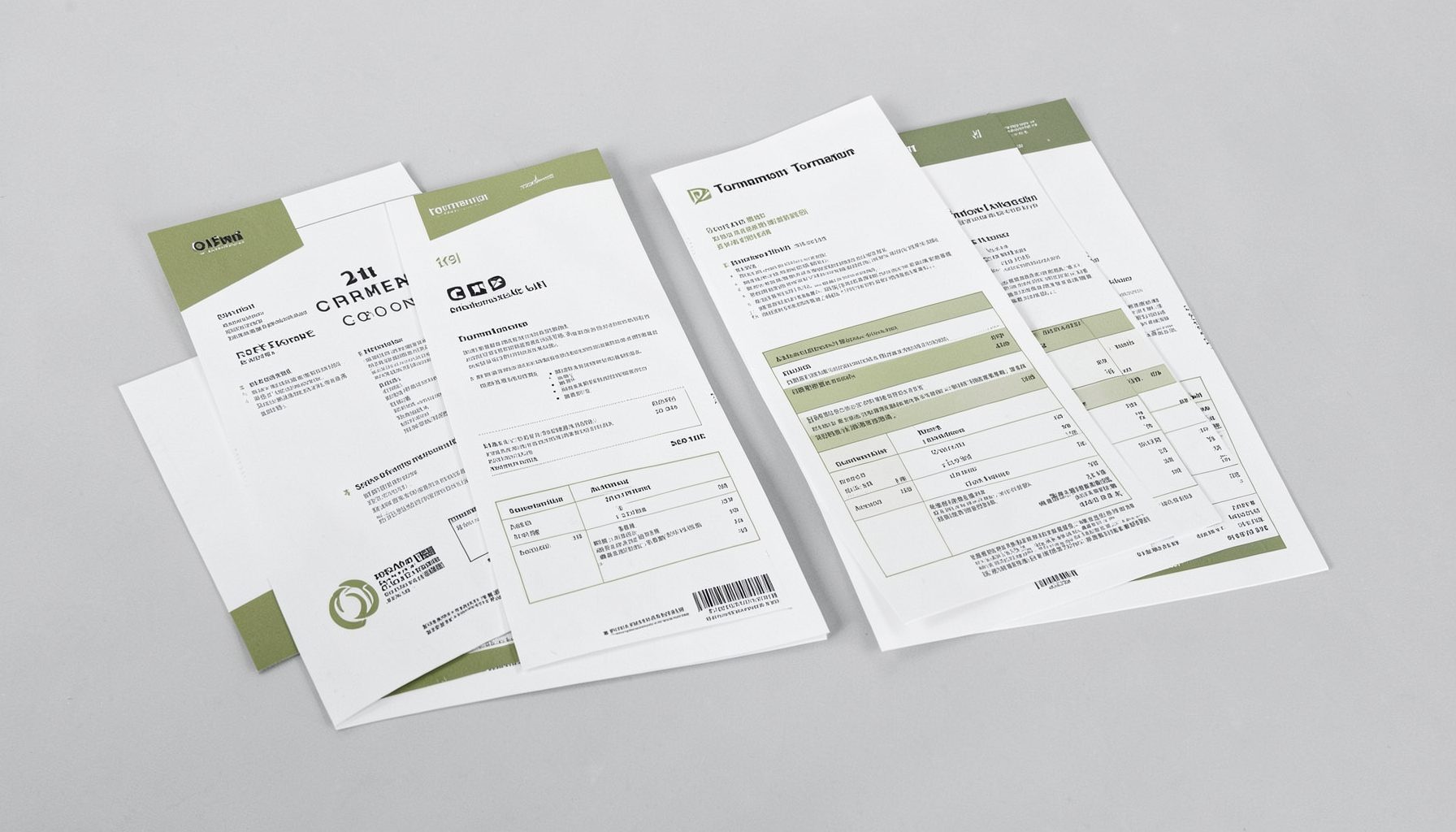
Tournament Packets
Packets from previous Kill Team events are kept here alongside new packets for upcoming tournaments, so organizers and players have what they need in one place.
View Event Data