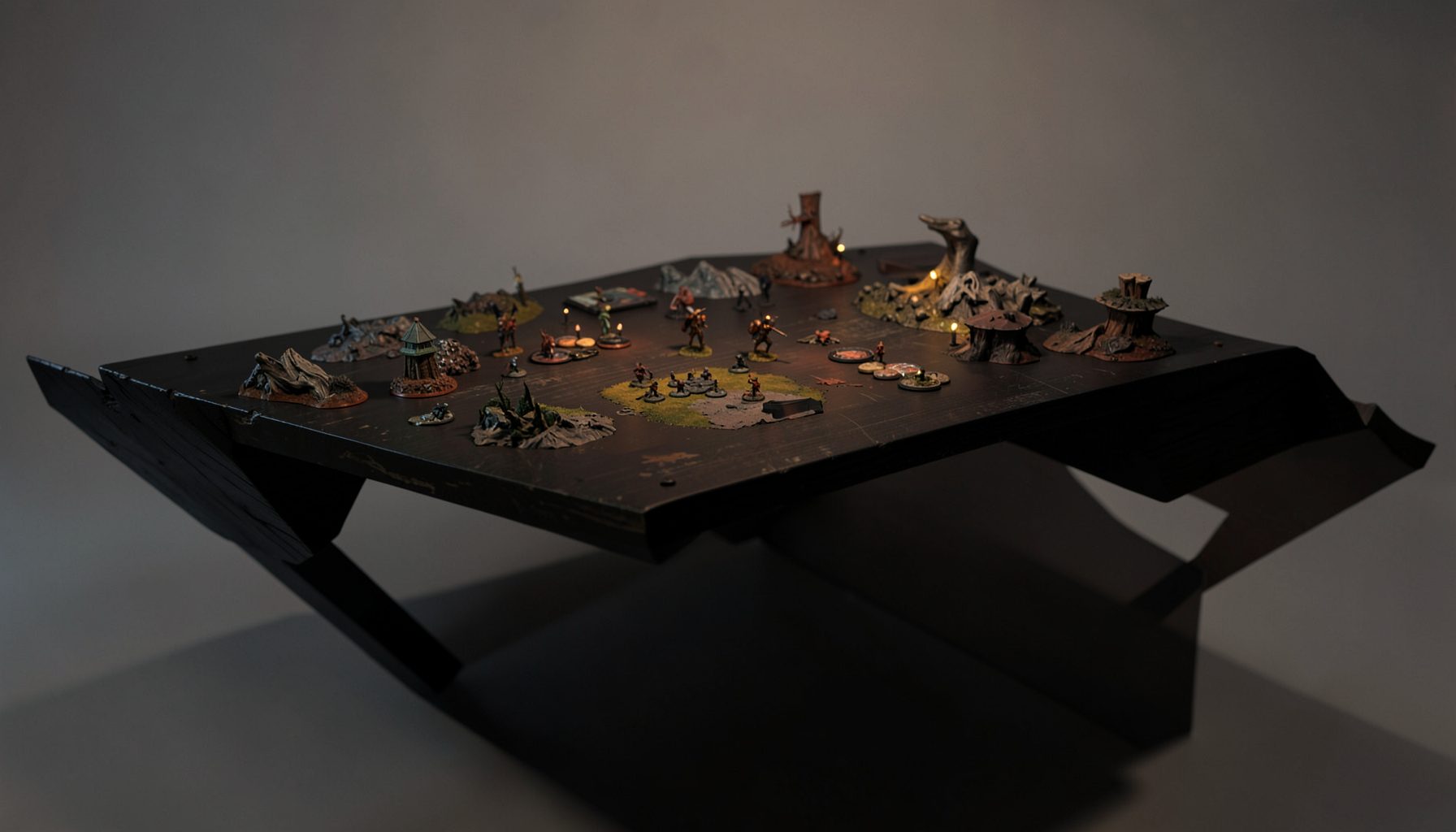
Live-streamed games, recorded matches, and event data gathered in one place.
Kill Team Stream hosts quality live streaming of Kill Team content — tournaments throughout the year on Twitch, regular games streamed to the channel, and tournament data gathered so players can see what's happening in the scene. Powered by WARHAMMER.
Browse tournamentsOfferings
Tournaments
Multiple Kill Team tournaments hosted throughout the year, all live-streamed on our Twitch channel.
Videos
Streams are recorded and uploaded to YouTube alongside original video content we produce.
Event Data
Tournament packets from past events plus resources for upcoming Kill Team tournaments.
Site Directory
Standout Kill Team matches worth rewatching from the last cycle
The competitive Kill Team scene in Australia had a packed few months, with club nights running deep into winter, weekend events filling halls from Parramatta to Fremantle, and a refreshed edition of the rules drawing old hands back to the tabletop. Players in Sydney, Melbourne, Brisbane, Perth and Adelaide all contributed to a cycle that felt bigger than the last, and the broadcast coverage from Kill Team Stream captured a great deal of it on camera. Whether you follow the killteams for the lore, the listbuilding, or just the spectacle of a well-played reveal, there is a healthy library of footage waiting in your queue.
This piece walks through a handful of matches that have aged particularly well on replay, the kind of games where the decisions made on turn two still echo three turns later, and where terrain reads feel sharper the second time around. A few of them came from major streamed tournaments, others from regional leagues that punched above their weight, and one or two emerged from store-level grudge matches that turned into genuine tactical treatises. If you are filling in gaps between this season's releases, these are the games to schedule in.
A cycle that rewarded positional play in Australian metas
Across the recent competitive window, a clear pattern emerged in local metas: players who understood how to read terrain, rather than simply occupy it, tended to out-perform those who relied on raw firepower. The Australian terrain pool, often based on the modular killzone sets shipped from UK distribution hubs, leans heavily on dense ruin walls and tall obscuring columns, which made the army-wide concealment rules even more central than in international events. In Brisbane and on the Gold Coast, clubs that adopted a more conservative opening turn repeatedly punished aggressive operatives who walked into overwatch lanes without a plan.
Store organisers also noticed that attendance stayed strong even with the cost-of-living pressure on discretionary hobby spending, helped in part by the wide availability of trade-in tables and a generous second-hand market for painted models. Game cafes in Melbourne's inner north, Adelaide's Rundle Mall arcade, and a handful of hobby hubs in Hobart now run weekly escalation leagues that feed players into the bigger events later in the year. Several retailers also point to the protections offered by the Australian Consumer Law, which guarantees a replacement or refund on starter sets that arrive missing components, as a quiet reassurance for first-time buyers nervous about spending a few hundred dollars online. That grassroots depth is what gives a cycle its texture, and it shows up in the footage when a regional finalist calmly handles a hundred-dollar mistake on the tabletop.
The Kommando reversal in the Western Sydney showdown
One of the most rewatchable games of the cycle came out of a Western Sydney league final where a Kommando player faced off against a Hierotekk list built around a sturdy Canoptek core. The opening moves looked routine, with the Hierotekk securing a comfortable mid-board footprint and daring the Kommando player to swing wide. What makes the replay rewarding is the patience shown around the central ruin on turns three and four: the Kommando player chooses to lose a model rather than a fight, and that sacrifice cascades into a turn five blunder into a clear firing lane.
Watching it back, you can see the moment the Hierotekk captain misreads the Ork threat and commits one wound too many on a cheeky Grot. The result is a chain of activations that flips a near-certain loss into a clutch objective grab. Camera angles from the stream replay highlight the dice trays, and the experts on commentary do a good job of naming the specific action economy trade-off. If you only have time for one match this week, start with the back half of this one and let the tension rebuild from there.
The Phobos clinic from a Melbourne invitational
Phobos Strike Team lists have been a contentious pick for most of the cycle, and the Melbourne invitational in late winter produced a near-textbook game that demonstrates exactly why. Up against a Veteran Guardsman force that had dominated regional tables for months, the Phobos player leaned into the faction's ploys rather than its raw output, treating each turn as a board-state puzzle rather than a shooting match. The Melbourne crowd, fuelled by flat whites from the cafe next door and a healthy stack of meat pies at the buffet, watched as ploy after ploy peeled back the Guard's screen.
The replay rewards viewers who pause and rewatch turns two and three in particular. The Phobos player consistently uses the Conceal action even when an Engage might feel tempting, banking on later activations to strike with prepared shots. Veteran players in the Australian scene have called this style of play "the slow pull," and the commentators break down the math behind it with clean overlays. It is the kind of match you can use as a teaching tool at your own club night without losing anything for the more experienced players in the room.
The Hive Fleet brawl from a packed Brisbane event
Brisbane's mid-year showdown drew one of the bigger attendance numbers the east coast has seen for Kill Team in recent memory, partly because it overlapped with the Brisbane Gaming Expo and partly because the prize support was generous enough to justify the trip from Toowoomba or the Sunshine Coast. The standout match from that weekend was a Hive Fleet versus Wyrmblade affair that swung on a single back-table objective contest in turn four. Both players handled aggressive sculpting with Synapse and Broodswarm in tight quarters, and the audio mix from the stream captures the crowd lean-in every time a charge is rolled.
This game is a useful study for anyone struggling to evaluate the asymmetric nature of Tyranid power dice generation. The Hive Fleet player wins not by killing more, but by enabling key operatives to do the work of three for a single turn, and the replay makes that economy obvious. Anyone who has queued for a tabletop session at a busy Brisbane venue, often waiting an hour past the listed start time, will recognise the patience required to sit through a slow build. It is worth the investment.
A coastal clash with Perth flair on the third-tier circuit
Perth's isolation from the eastern seaboard used to mean that west coast footage rarely reached a national audience, but Kill Team Stream has done strong work in the past cycle pulling matches from the Western Australian scene into the rotation. One such game, played in a community hall in Joondalup, featured a Talons of the Emperor list facing a Corsair Voidscarred force in a best-of-three mini-bracket. The first game went to the Custodes on a narrow objective differential, and the second swung the other way after a beautifully judged fly-by charge on the central platform.
The third game is the real showcase. Both players, clearly familiar with each other from local league nights, played at a tempo that gave the commentary team room to breathe, which is a small but important detail for any streamed content. The match includes a memorable moment where the Corsair player deliberately foregoes a kill to deny an objective to a nearby Custodian guard, an example of mission play that does not always survive the cut in bigger tournaments. West Australian hobbyists tend to travel long distances for these events, and the footage reflects the investment they bring.
How to rewatch these games with a purpose
If you are working through a backlog, it helps to pick a question before you press play. Are you trying to learn a specific faction's ploy timing, study how professionals use the Ready and Overwatch action economy, or simply enjoy a well-narrated game? Setting a focus turns a casual rewatch into a working session, and the channel's chapter markers make it easy to jump straight to the moments that matter.
It is also worth pairing the footage with a printed list and a cup of coffee at your local cafe the morning after, the way many Australian players catch up on VODs before club night. Taking notes on paper rather than a screen forces you to slow down and articulate what the winning player actually did, which is where the real learning sits. For viewers hungry for more after these matches, Kill Team Stream also keeps broader strategic write-ups alongside its video coverage, giving readers another angle on the meta discussions that shaped the cycle. From there, jump back into the VOD library and let the games do the rest of the teaching.
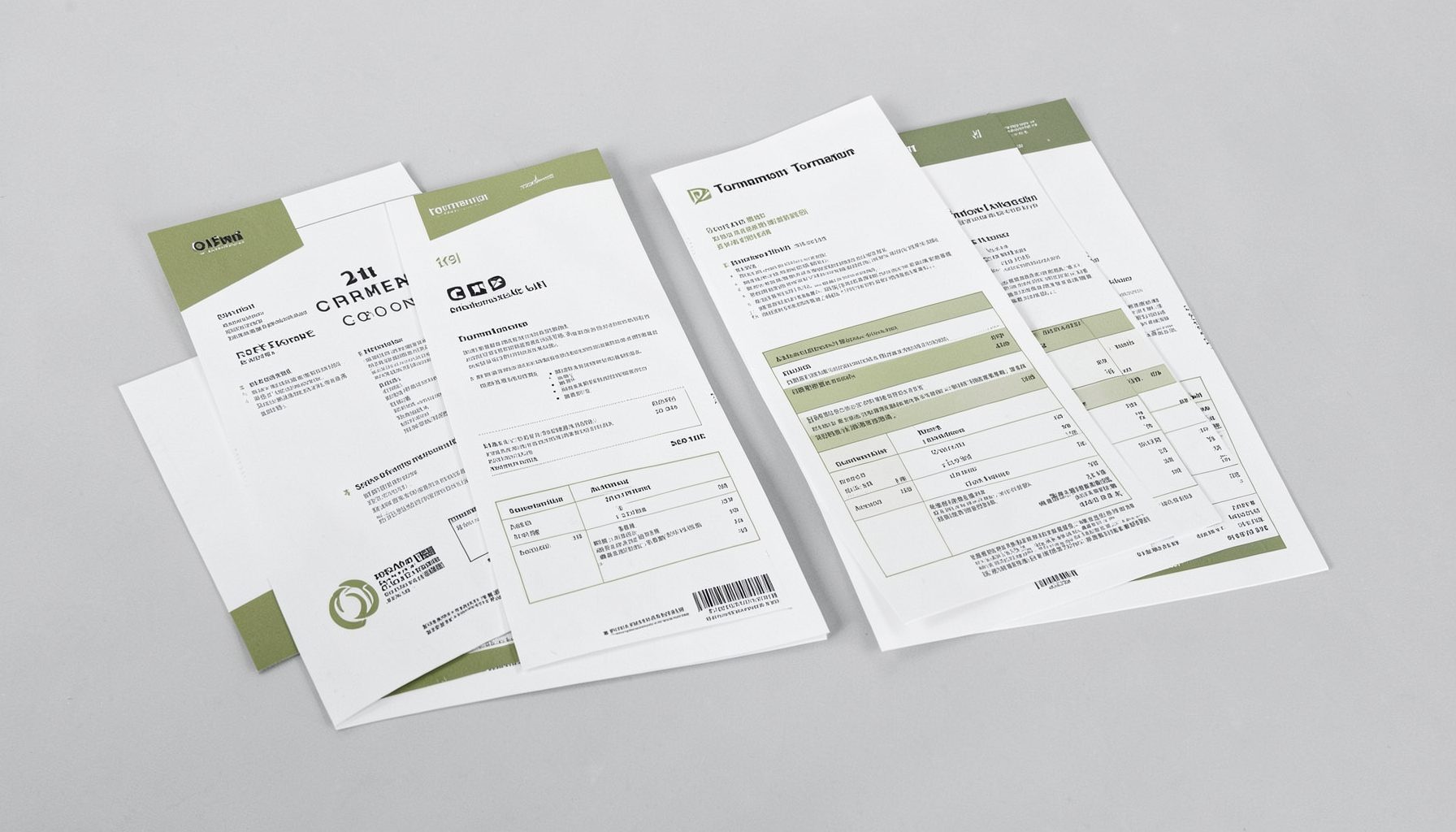
Tournament Packets
Packets from previous Kill Team events are kept here alongside new packets for upcoming tournaments, so organizers and players have what they need in one place.
View Event Data