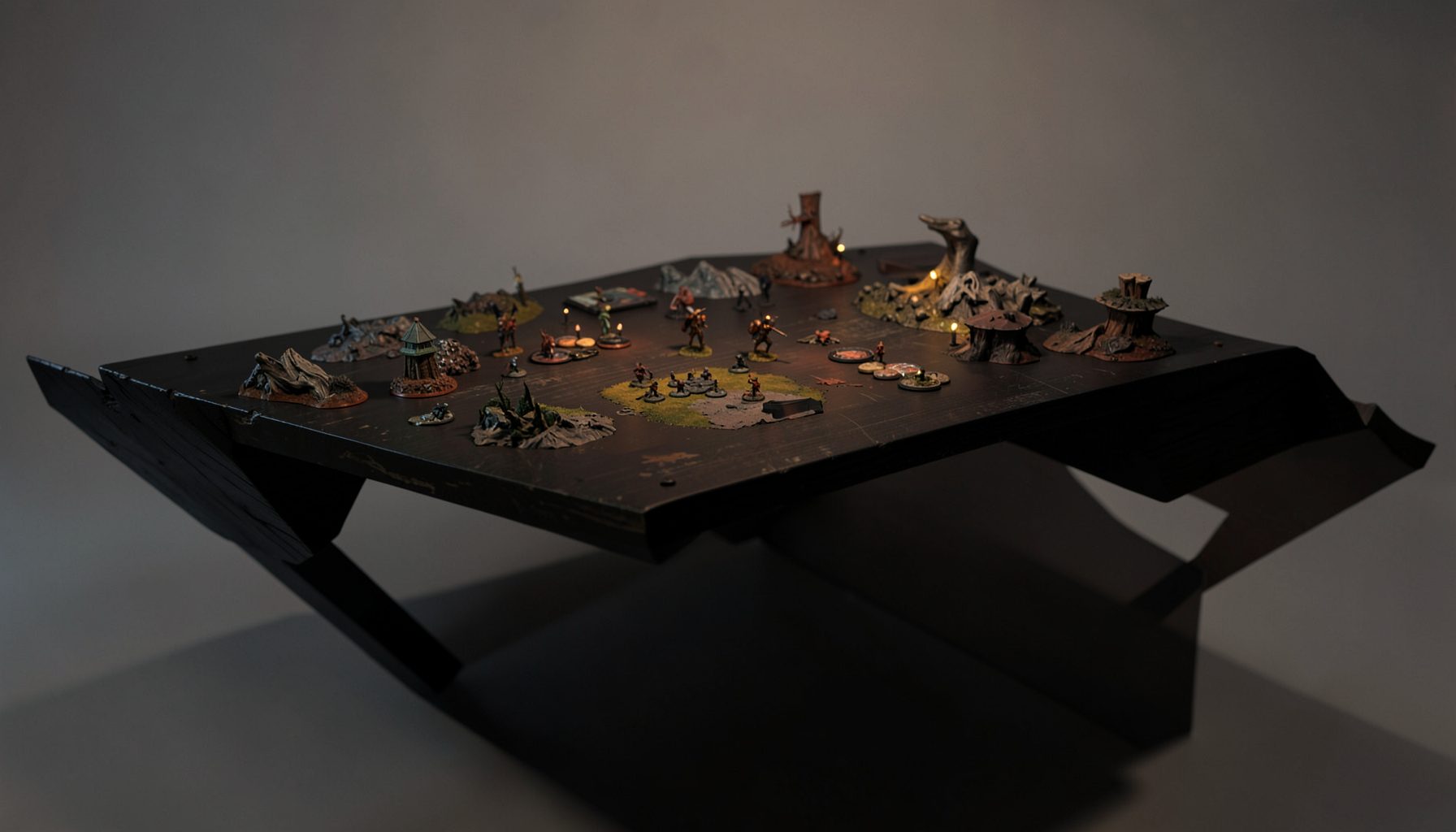
Live-streamed games, recorded matches, and event data gathered in one place.
Kill Team Stream hosts quality live streaming of Kill Team content — tournaments throughout the year on Twitch, regular games streamed to the channel, and tournament data gathered so players can see what's happening in the scene. Powered by WARHAMMER.
Browse tournamentsOfferings
Tournaments
Multiple Kill Team tournaments hosted throughout the year, all live-streamed on our Twitch channel.
Videos
Streams are recorded and uploaded to YouTube alongside original video content we produce.
Event Data
Tournament packets from past events plus resources for upcoming Kill Team tournaments.
Site Directory
Best Kill Team podcasts and channels for tournament players
The competitive skirmish scene for Warhammer 40,000 keeps moving, and tournament players who want to stay sharp usually learn as much from the content they consume between events as they do at the tabletop itself. Podcasts, YouTube channels, and live Twitch streams have become core tools for refining list-building instincts, catching meta shifts, and picking up faction tactics from players who have already logged the reps.
This guide rounds up the strongest audio and video outlets for serious Kill Team competitors, blending well-known international channels with Australian-focused creators who know what it is like to prep for an event while juggling local realities like GST on hobby purchases, AEST-friendly stream times, and the long gaps between regional events. The aim is to help you assemble a content diet that fits your goals, your schedule, and your wallet in AUD.
Why tournament players lean on audio and video content
Tabletop tournament play rewards preparation, and preparation today means absorbing hours of commentary, list reviews, and post-game analysis from creators who have already taken the latest iteration of the game to events. Reading the latest Balance Dataslate or faction pack is the starting line, not the finish, and most competitive players want to see those rules applied under pressure by someone who travels with a roster and a plan.
For hobbyists in Melbourne, Brisbane, or Perth, content also fills the gap between local tournaments. Community-run events in cities like Sydney and Adelaide tend to cluster around weekends and conventions, leaving long stretches where the only practical way to test ideas is to watch them being played. Podcasts and recorded matches let you study deployment choices, secondaries decisions, and faction pairings in detail without needing an opponent on the table.
Audio formats in particular work well for players driving between cities for an event or assembling models at the painting bench. A two-hour episode can easily fit into a commute from the outer suburbs into the CBD, or a Sunday afternoon spent priming models. Visual content on YouTube fills the rest, showing board states, dice rolls, and the precise moments when a matchup tips from advantage to disaster.
International channels worth following
A handful of overseas channels have built reputations as essential viewing for Kill Team tournament players. They cover roster theory, pairings, and post-event breakdowns with a level of consistency that local creators sometimes struggle to match when balancing work and hobby time. Many Australian viewers tune in for the analysis, then apply it to their own regional meta which often runs a season or two behind the international scene.
| Format | Platform | Focus | Best For |
|---|---|---|---|
| International event streams | Twitch and YouTube | Major Opens with pro commentary | Watching elite play in real time |
| Meta analysis podcasts | Podcast | Dataslate reactions and tier lists | Tournament prep and pairing strategy |
| Faction deep dive shows | YouTube | Operative-by-operative breakdowns | List builders and theory crafters |
| Casual batrep channels | Twitch | Semi-competitive matches with chat interaction | Visual learners and hobby entertainment |
| Australian regional coverage | YouTube and Podcast | Local Opens, TO interviews, hobby tips | Players prepping for ANZ events |
Each format brings something different. Event streams give you board presence and dice variance that no analysis can replicate. Meta analysis shows work well for absorbing broad trends across the competitive field, while faction deep dives suit players who want to pilot a single team all the way to a podium finish. Casual batrep channels fill the entertainment gap, and Australian regional coverage ties the whole picture to the events you can actually drive or fly to.
Australian creators and local tournament coverage
Closer to home, a growing community of Australian podcasters and streamers covers the local competitive calendar. Creators based in Melbourne and Sydney often run post-event recaps from regional Opens, while Brisbane-based hobbyists contribute faction spotlights tailored to the meta that actually appears at Australian venues rather than the one discussed in US-centric podcasts.
Several Aussie channels also engage with the retail side of the hobby, which matters because Games Workshop product pricing in AUD tends to sit noticeably higher than US or UK equivalents once GST and shipping are factored in. Creators who openly discuss the value proposition of specific kits, or who run painting tutorials that maximise visual impact with a small budget, save local viewers real money. Good Games stores across the eastern seaboards often partner with these creators for in-store events that combine live streaming with casual tournaments, giving newer players a soft entry into competitive play.
Independent Australian podcasts frequently feature interviews with TO groups running events like CanCon in Canberra or the smaller Opens that pop up in Adelaide and Hobart throughout the year. Hearing from organisers about venue logistics, terrain expectations, and round timings helps players pack the right gear and avoid surprises on the morning of an event.
Deep dive podcasts for faction analysis
Audio shows that specialise in faction-by-faction breakdowns have carved out a loyal audience among tournament players who want to understand every team at a granular level. These tend to run longer than generalist podcasts, sometimes pushing past the two-hour mark, and they reward listeners who take notes. Common segments include best-in-slot operative selections, secondaries analysis, and pairing matchups against the current top factions.
For Australian listeners, the trick is matching these deep cuts to the local meta. A faction that wins 30 percent of games in the US ITC standings might appear in only a handful of Australian lists because of hobby budget constraints, restricted kit availability, or simply regional taste. Smart listeners treat international analysis as raw data and overlay it with what they actually see at their home store or local Open.
The best faction podcasts also revisit teams after major dataslate changes. Kill Team's balance team adjusts points and rules regularly, and a podcast that updates its faction tier list within a week of a new slate drops is worth subscribing to immediately. Several Australian creators have started producing their own slate reaction episodes, often recorded the night after local news breaks, which makes them particularly timely for ANZ players.
Live streams that follow real tournament play
Twitch remains the home of live Kill Team action, and a small number of channels consistently deliver tournament-grade matches with real commentary rather than casual play. Major events like the US Open series and several European majors run multi-day coverage, with commentators calling deployment choices and operative activations in real time. Australian viewers need to plan around time zones, since much of this content drops during AEST night hours, but the on-demand replays usually arrive within hours on YouTube.
Locally, a few Australian TOs have begun streaming their Opens directly to Twitch, which gives the regional scene much-needed visibility. Watching a Melbourne or Sydney Open from the other side of the country is a genuine option now, and the production values on these streams have climbed steadily. Some streamers pair the broadcast with a Discord channel where viewers can ask questions between rounds, creating a hybrid experience that blends passive viewing with active learning.
The practical value of live coverage is the ability to see how players react to unexpected matchups, terrain arrangements, and judge calls under pressure. Reading about a brilliant secondaries play the day after an event is one thing, but watching the player hesitate, reconsider, and commit in real time teaches lessons no recap can deliver.
YouTube channels for visual learners and list builders
YouTube is where most Kill Team list-building content lives, and the strongest channels combine cinematic match footage with clear tactical voiceovers. Painters and modellers also find a home here, with Australian creators frequently sharing how-to videos filmed in home workshops or shared club spaces. Because Games Workshop kits vary in availability across Australian retailers, these videos often double as shopping guides, showing viewers what to buy and what to kitbash from existing collections.
Several channels maintain up-to-date best-operative videos for each faction, ranking choices by points efficiency, ability synergy, and tournament performance. Others focus on terrain tutorials, which matters for Kill Team in particular because the game's symmetrical board setup and obscuring terrain rules heavily reward players who understand LOS tricks. Australian hobbyists who play at venues with limited terrain pools can use these videos to build their own boards cheaply, often using materials sourced from local hardware chains like Bunnings rather than specialty importers.
Commentary quality varies widely, so it pays to subscribe selectively. Look for channels that credit their sources, link to the rules they reference, and have a track record of correcting mistakes when the balance team releases an errata. Channels that rely on hype or clickbait thumbnails rarely produce content sturdy enough for serious prep.
Building a viewing routine that fits the Aussie schedule
Pulling all of this into a sustainable routine is the final step, and Australian players have a few practical advantages. The relative concentration of the competitive community in capital cities means regional Opens are usually reachable by a short domestic flight, and most major content drops land during waking hours if you subscribe to podcasts that publish on weekends. Setting up a queue of YouTube videos for Sunday morning painting sessions, or queuing a long faction deep dive for a Friday commute, makes the content feel like part of the hobby rather than extra homework.
Budget matters too. AUD pricing on the latest Kill Team boxes, terrain sets, and rule books sits higher than US RRP once GST and import costs are added, which makes free podcast and YouTube content especially valuable. Subscribing to a handful of channels via RSS or YouTube notifications keeps the cost at zero while still feeding the prep cycle. Pairing the audio with a local community Discord or Facebook group focused on Australian Kill Team events completes the loop, turning passive viewing into active participation the next time an Open rolls around.
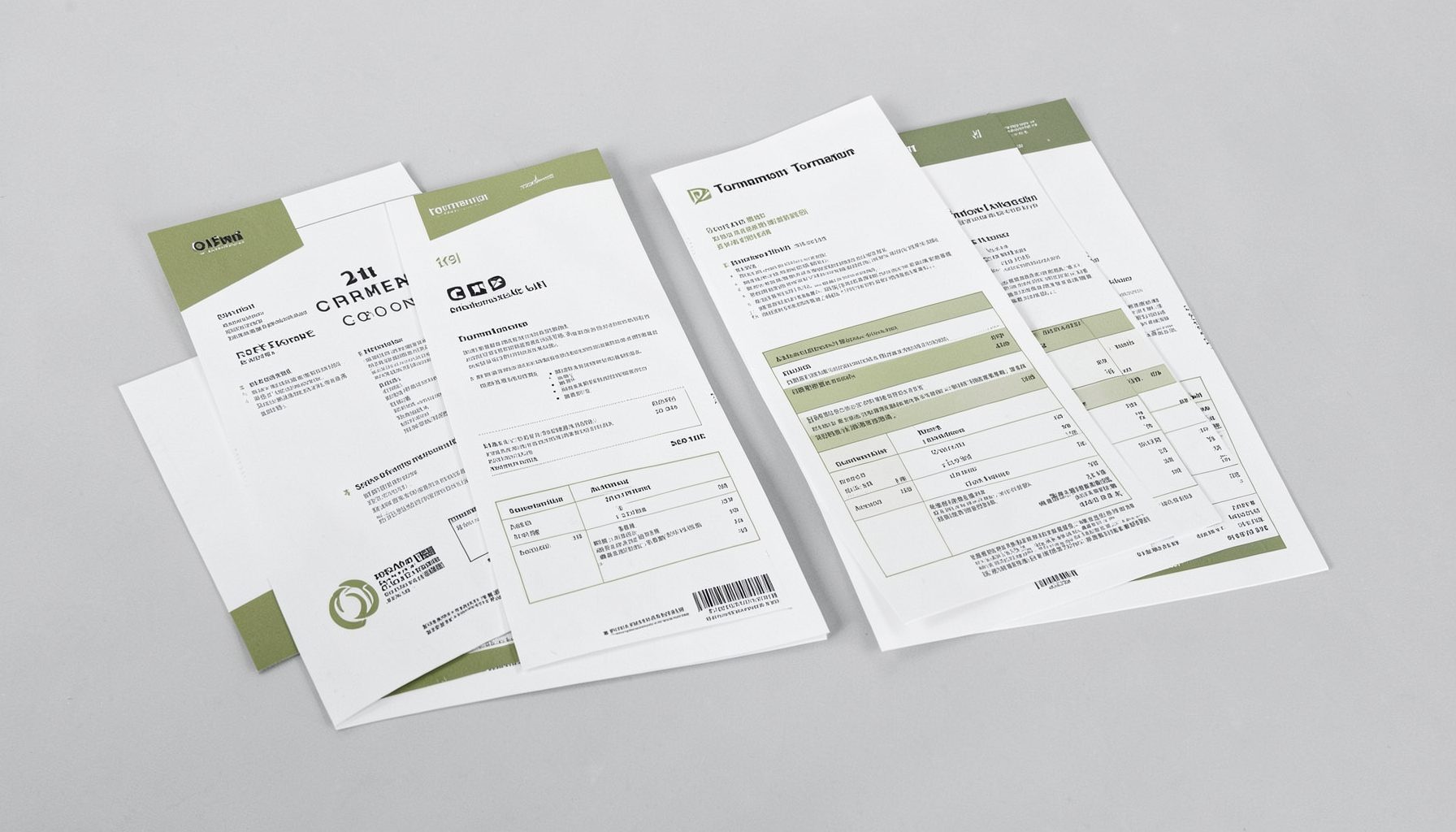
Tournament Packets
Packets from previous Kill Team events are kept here alongside new packets for upcoming tournaments, so organizers and players have what they need in one place.
View Event Data