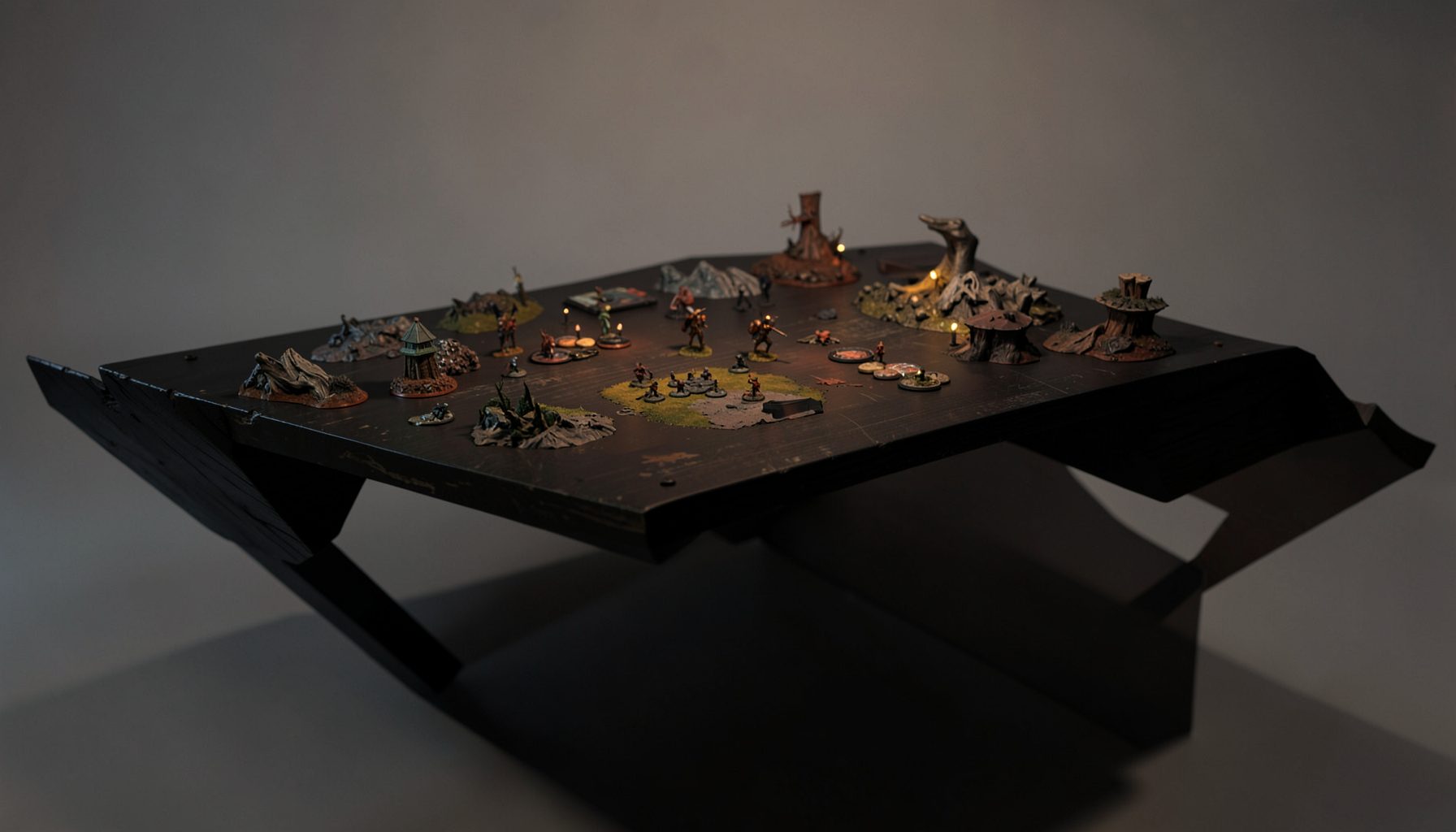
Live-streamed games, recorded matches, and event data gathered in one place.
Kill Team Stream hosts quality live streaming of Kill Team content — tournaments throughout the year on Twitch, regular games streamed to the channel, and tournament data gathered so players can see what's happening in the scene. Powered by WARHAMMER.
Browse tournamentsOfferings
Tournaments
Multiple Kill Team tournaments hosted throughout the year, all live-streamed on our Twitch channel.
Videos
Streams are recorded and uploaded to YouTube alongside original video content we produce.
Event Data
Tournament packets from past events plus resources for upcoming Kill Team tournaments.
Site Directory
Best practices for a faster, clearer Kill Team turn sequence
A well-managed turn sequence can make the difference between a tense, tactical Kill Team match and a game that runs out of time before the final turning point. Competitive play rewards careful decisions, but it also rewards players who know when to act, when to measure, and when to move on. Efficient play keeps the focus on positioning, objectives and meaningful tactical choices rather than avoidable delays.
Streamlining does not mean rushing. It means preparing information before an activation, using a consistent order of operations, and communicating clearly with your opponent. These habits are especially useful at Australian events, where travel, venue hire and packed tournament schedules can make every round feel tightly timed.
| Part of the turn | Main responsibility | Practical habit |
|---|---|---|
| Initiative and strategy | Establish priority and plan resources | Identify the turning point’s main win condition before choosing ploys |
| Strategy phase | Use strategic ploys and set up the board | Declare decisions clearly and keep dice, tokens and cards organised |
| Firefight phase | Alternate operative activations | Prepare the next activation while the opponent plays |
| Movement and actions | Resolve legal actions efficiently | Measure once, confirm distances and state the intended sequence |
| Shooting and fighting | Resolve attacks and consequences | Keep dice grouped and apply modifiers in a fixed order |
| Turning point end | Score, reset and plan ahead | Record points, remove temporary effects and prepare equipment |
Prepare the board before the first activation
Efficient turns begin before the game starts. Arrange equipment, tokens, dice and measuring tools so that they are accessible without crossing the board or searching through a bag. A small dice tray, token container and clearly separated attack dice can save substantial time across a tournament round. Keep your roster, tac ops or secondary objectives, and equipment choices visible rather than buried under reference cards.
Review the mission and deployment zone before placing operatives. Identify the objectives that matter early, the safest routes through terrain, and the firing lanes that could punish an exposed model. It helps to assign each operative a likely opening task: contest an objective, perform a mission action, provide cover, or threaten a key enemy position. This is a provisional plan, not a commitment, but it reduces hesitation during the first turning point.
Know the core rules that are likely to affect the opening exchanges. Check movement values, action point limits, weapon ranges, special rules and any restrictions on climbing, traversing or performing mission actions. In a tournament setting, asking for a quick rules check is sensible; repeatedly discovering basic restrictions during an activation is what causes avoidable delays.
Australian players can make this preparation easier by packing for the local event environment. A Melbourne warehouse venue may have limited table space around boards, while a Brisbane club night can involve warmer conditions and crowded equipment areas. A compact, labelled kit is useful whether you are driving to a local store or carrying your team by public transport.
Use a fixed order for every activation
A reliable activation routine prevents missed opportunities and accidental take-backs. Begin by naming the operative, confirming its current location, and stating your intention in plain language. For example: “This operative will move six inches to this cover, then perform a mission action.” If the plan depends on a range or line of sight, measure before rolling dice.
Resolve actions in the order that best preserves information. A common approach is to move first, reassess the board, and then decide whether to shoot, fight or perform a mission action. Some operatives need to shoot before moving, while others may have a free action or a rule that changes the normal sequence. The important practice is to separate planning from execution: decide what the activation is trying to achieve, then resolve that plan without repeatedly reconsidering every possibility.
Use explicit spoken checkpoints. State when an operative is done moving, when an action is complete, and when the activation ends. This gives both players a chance to catch an illegal distance or forgotten rule before the game moves on. It also creates a shared record of what has happened, which is valuable when several abilities, tokens or statuses are in play.
Keep dice and tokens aligned with the active operative. If a model is concealed, engaged, injured or carrying an objective, place the relevant marker where both players can see it. When the activation ends, return unused equipment or dice to a consistent location. Good visual organisation is particularly valuable on streamed games, where commentators and viewers need to follow the battlefield without constant verbal explanation.
Measure once and resolve attacks in a set sequence
Measuring should answer a decision, not replace one. Before picking up a tape measure, know what you are checking: whether an operative can reach an objective, whether a target is within weapon range, or whether a model can move into cover. If a route involves several distances, measure the complete route carefully rather than making repeated estimates during the move.
For movement, agree on the destination and check the important boundaries. Avoid nudging terrain or sliding a model back and forth while deciding. When a model is close to an objective or cover line, slow down for that measurement, then place the miniature and move to the next action. This is faster and fairer than conducting several partial measurements while the opponent waits.
Resolve shooting and fighting using the same internal checklist every time. Confirm the target, weapon or combat profile, range, line of sight, cover and any relevant abilities. Roll the correct number of attack dice, apply re-rolls or modifiers in their stated order, then resolve successes, defence dice and damage. Keep attack dice separate from defence dice so that the result remains clear to both players.
Do not begin calculating every possible outcome before the attack is legal. First establish that the attack can happen; then resolve the dice. If an ability changes the result, announce it before moving to the next step. This discipline prevents forgotten effects and reduces the need to rewind the game. Players who stream or record matches should be especially clear, because a short verbal explanation helps viewers understand why an attack succeeded or failed.
Plan resources across the turning point
Efficient turn management depends on understanding the value of command points, strategic ploys, tactical ploys and once-per-turn abilities before they are needed. At the start of the turning point, identify which resources are essential and which can remain available for a reaction. Spending everything during the first activation may create a powerful moment, but it can also remove flexibility when the opponent activates a concealed specialist or threatens an objective.
Build a short priority list rather than trying to calculate the whole turning point. The list might be: protect the leader, secure a primary objective, eliminate a dangerous gunner, then preserve a model for a mission action. Revisit that list after each major activation. If the board changes, update the priority instead of following an opening plan that no longer matches the position.
Initiative decisions deserve deliberate timing. Consider who benefits from acting first, which operatives are ready to activate, and whether passing or delaying creates a better response. Do not spend several minutes predicting every branch when the key question is straightforward. Identify the opponent’s most dangerous available activation, then decide whether your priority is to remove it, deny its target, or force it to act inefficiently.
Resource planning also improves communication with a tournament opponent. Declare a ploy or ability before rolling dice, identify its target, and make clear whether it affects the current action or the rest of the turning point. This avoids ambiguity and gives both players a fair chance to respond. At Australian events, where rounds may use strict clocks and pairings can include players from different gaming groups, clear declarations are more useful than relying on local shorthand.
Protect the clock without sacrificing sportsmanship
Before the round begins, confirm the event’s time limit, clock procedure and approach to slow play. A tournament in Sydney, Perth or Adelaide may use a different venue setup, but the basic courtesy is the same: keep the game moving while allowing reasonable time for rules questions and meaningful decisions. If you are unsure whether a decision is taking too long, discuss the clock with your opponent or call a judge early.
Use the opponent’s activation as planning time. Review your available operatives, check likely ranges, and decide which model you will activate next. Do not move models or handle dice while the opponent is resolving an action, but quiet preparation is both efficient and respectful. When your turn begins, you should already know the first measurement or declaration you need.
Separate routine actions from critical decisions. A simple move into previously identified cover should be completed promptly. A charge, close combat choice or high-value shooting attack may deserve more thought because it can determine the turning point. Good time management gives important decisions the attention they require by avoiding long pauses over low-impact actions.
Record scores and reset the table immediately after the turning point. Mark objective points, check end-of-turn abilities, remove temporary effects and return spent resources to their proper place. Then take a few seconds to identify the next turning point’s central problem. At a local Australian club, this habit helps rounds finish on schedule; at larger events, it also reduces the risk of a rushed final scoring step.
Review recorded games and refine your routine
Watching streamed Kill Team matches is a practical way to study efficient turn sequences. Pay attention to the moments before an activation: what information the player gathers, how they identify a priority, and whether their declaration makes the intended action easy to follow. Tournament coverage from Australian events can be especially useful because it reflects familiar terrain layouts, local mission packs and the pace expected in nearby competitive communities.
When reviewing your own games, track delays rather than only mistakes. Note how often you searched for a token, re-measured a route, forgot a weapon rule, or changed plans halfway through an activation. These are process problems, and process problems can be fixed with better equipment layout, a written checklist or more practice with common interactions.
Practise complete activation routines outside tournament pressure. Set up a small board and rehearse moving, measuring, declaring and resolving an attack with one operative. Test the same process with a mission action and a contested objective. The aim is to make the sequence automatic while keeping tactical decisions flexible.
Local communities are a strong source of improvement. A game at a Brisbane, Melbourne or Sydney store can reveal different habits from those used in online battle reports, while Australian retailers and clubs often carry terrain, token sets and accessories suited to regular tournament play. Even modest upgrades, such as colour-coded markers or a compact measuring tool, can make the game easier to follow without turning preparation into an expensive project.
A streamlined turn sequence should feel calm, transparent and purposeful. Prepare the board, announce intentions, measure with a reason, resolve attacks consistently and use downtime to plan. These habits improve decision quality as well as speed, making competitive Kill Team more enjoyable for players, spectators and commentators alike.
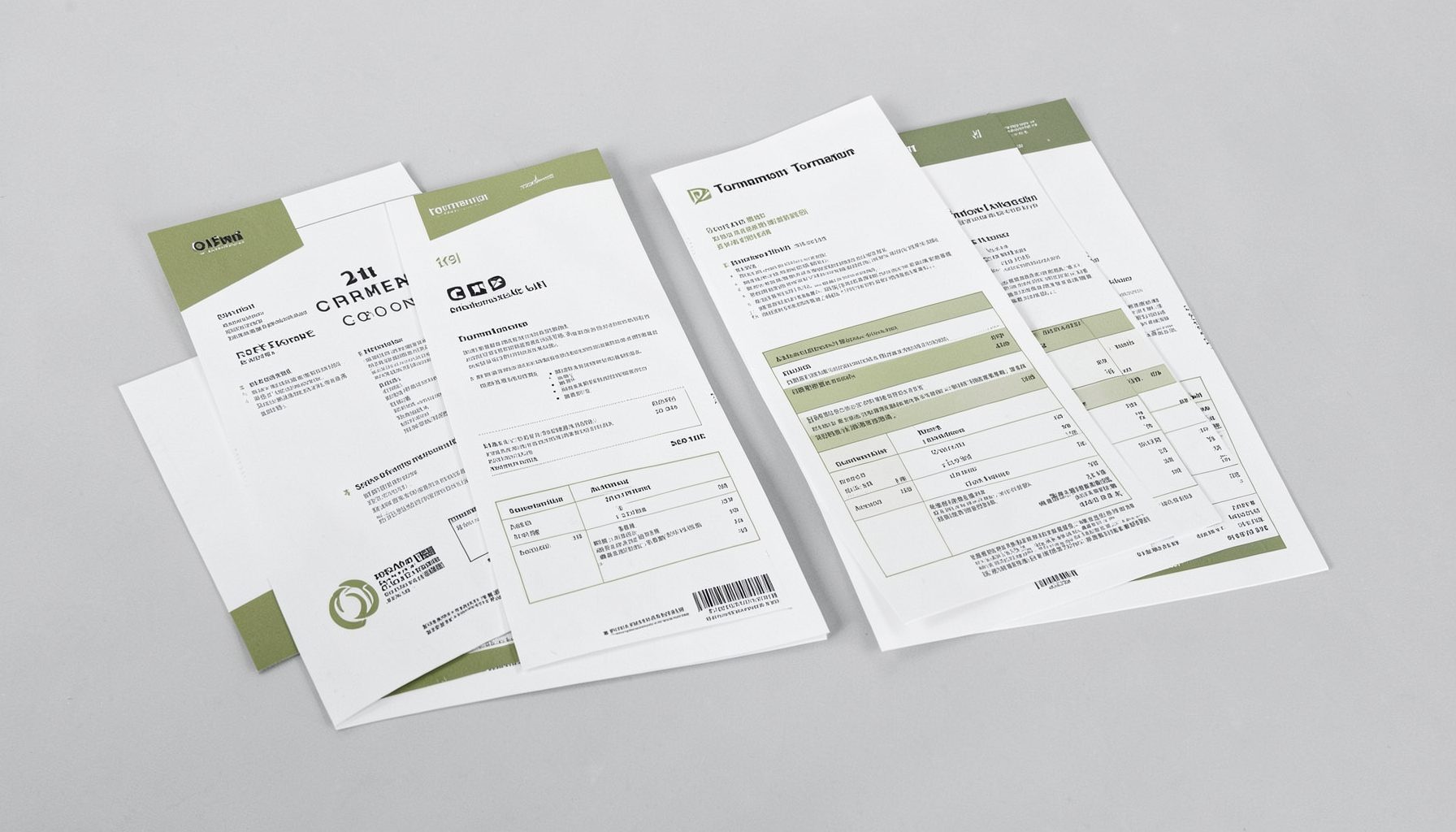
Tournament Packets
Packets from previous Kill Team events are kept here alongside new packets for upcoming tournaments, so organizers and players have what they need in one place.
View Event Data