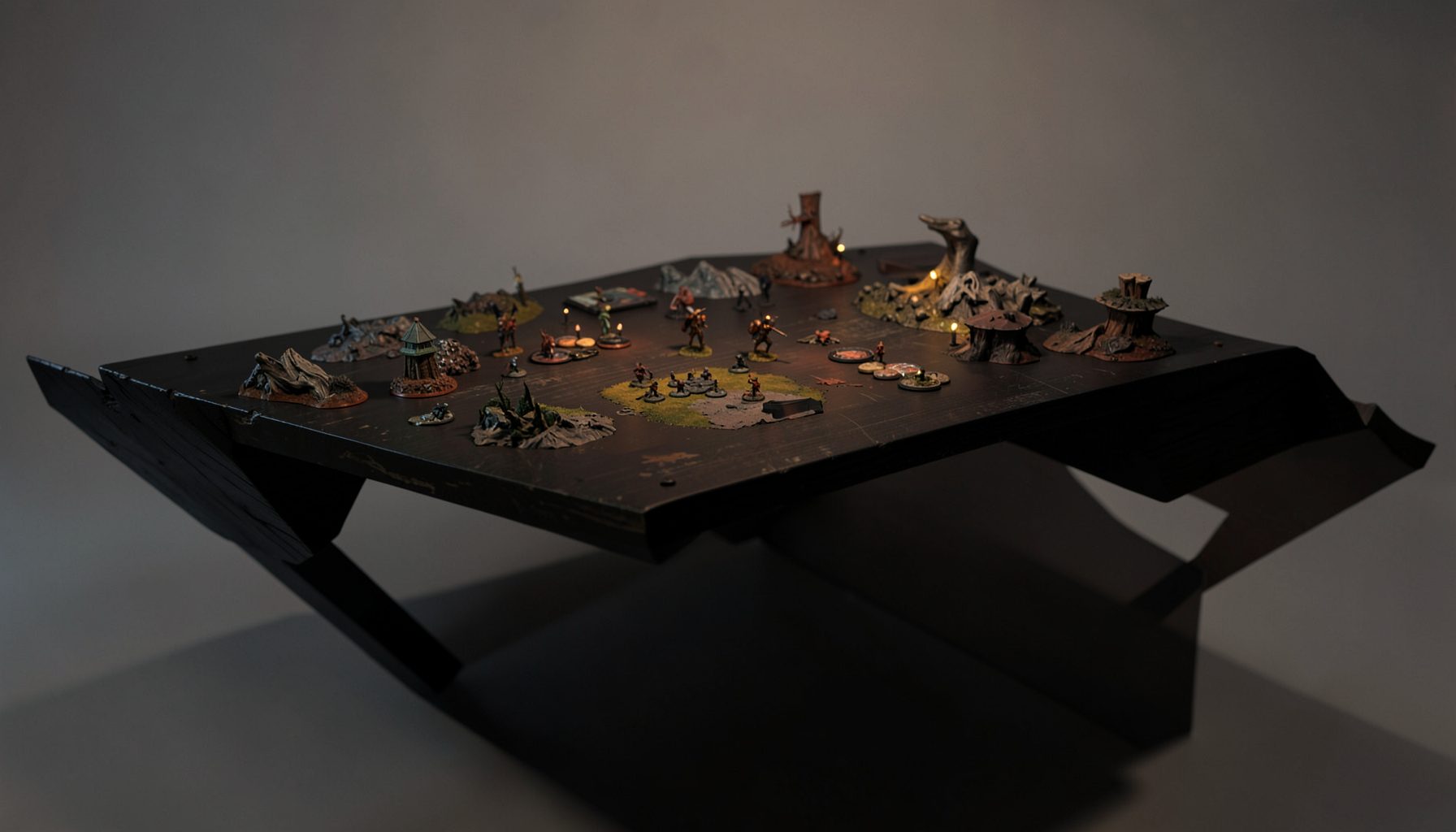
Live-streamed games, recorded matches, and event data gathered in one place.
Kill Team Stream hosts quality live streaming of Kill Team content — tournaments throughout the year on Twitch, regular games streamed to the channel, and tournament data gathered so players can see what's happening in the scene. Powered by WARHAMMER.
Browse tournamentsOfferings
Tournaments
Multiple Kill Team tournaments hosted throughout the year, all live-streamed on our Twitch channel.
Videos
Streams are recorded and uploaded to YouTube alongside original video content we produce.
Event Data
Tournament packets from past events plus resources for upcoming Kill Team tournaments.
Site Directory
Strategic Applications of the Kill Team Severe Damage Chart
Australia's Kill Team competitive scene has grown steadily over the past few years, with regular events held in Melbourne, Brisbane, Sydney, and Perth. Local tournaments run under the auspices of the Australian Tabletop Gaming Alliance, and players have developed a reputation for analytical, list-building-focused play. The Severe Damage chart sits at the heart of many of those analytical decisions, offering a probabilistic framework for understanding when a model is likely to be taken out of action. Players who treat the chart as a core resource rather than a footnote often find themselves better prepared for the variance that defines high-level competition.
Understanding how to read the chart, when to push activations, and when to hold back can transform a player's match win rate. The following sections explore practical applications of the chart, from basic probability calculations to tournament-level strategy. Whether you are preparing for a local Game Path event in Adelaide or planning your travel to the Australian Open in Canberra, these insights should help you get more from every dice roll.
Reading the Chart and Its Probabilistic Weight
The Severe Damage chart in Kill Team assigns an increasing chance of critical injuries and immediate casualties as operatives accumulate damage. Each row on the chart corresponds to a current damage value, and the probability of rolling the required result determines whether the operative is likely to survive another wound or be removed from the battlefield. Players who memorise the percentages associated with each tier of damage can make faster, more confident decisions about which targets to engage and which to leave for later activations.
For example, an operative sitting on 7 damage and facing a weapon that deals 2 damage has roughly a 30 percent chance of being taken out if the attacker can deal the full amount. Recognising that probability allows the defending player to decide whether to use a command action to shield that model or to let it fall and reposition. This kind of quick mental arithmetic separates experienced tournament players from newcomers, and it is the foundation of every tactical discussion that follows in this article.
Risk Assessment During Activation Windows
Activations in Kill Team are precious, and committing one to a wounded operative carries risk. The Severe Damage chart helps players weigh whether to fire into a damaged target or to switch fire to a healthier one. If the target is on 9 damage and the chart shows a 91 percent chance of a casualty from any normal damage hit, the decision is straightforward. When the operative is on 5 or 6 damage, however, the calculation becomes more nuanced, and players must consider the dice-off implications, the availability of subsequent activations, and the potential for the opponent to save the model with a command action.
Skilled players often run through these mental scenarios while their opponent is taking their turn, preparing contingencies. In practice, this looks like a player in a Melbourne store quietly noting which of their opponents' operatives are on damage thresholds where a single hit could end them. By the time the activation window opens, the player has already mapped out the highest-percentage plays, reducing the cognitive load during the actual turn.
Target Priority and Wound Allocation Tactics
Choosing the right target is where the chart transitions from a reference tool into a strategic weapon. Rather than focusing fire on the closest operative, competitive players identify targets whose current damage value makes them vulnerable to a Severe Damage roll. A model on 8 damage that has been shot twice this turning point is often a better investment than a healthy model, even if the healthy model represents a larger threat in future turns. This is a discipline that mirrors resource allocation in other competitive games, where players weigh immediate gains against long-term position. The same strategic mindset that informs artifact prison strategies in other tabletop formats shows up in how Kill Team veterans allocate their fire.
Players should also consider the wound allocation sequence on multi-wound operatives. Because the chart is consulted after each point of damage is applied, players who understand the sequence can manipulate their fire to push a target onto a higher-damage row at a moment that benefits them. This is especially important when a model has a defensive ability that triggers at a specific damage threshold, and triggering that ability on your terms can deny the opponent a key tactical option.
Late Game Swings and Turning Point Decisions
The most dramatic moments in a Kill Team match often come in the late game, when both players are operating with reduced resources and every activation counts. The Severe Damage chart becomes a forecasting tool at this stage, allowing players to predict which of their opponent's models are most likely to fall and to plan activations accordingly. Holding a high-damage attack for a turning point where the opponent is forced to reveal a damaged operative can be the difference between a win and a loss.
Australian tournament players have developed a particular fondness for these late-game gambits, partly because the local meta tends to reward patient, calculated play. At events like the Cancon qualifiers or the regional championships held in Brisbane, you will often see players deliberately leaving an opponent on a damage threshold that looks survivable, only to push them past it with a carefully timed attack. Recognising when the opponent is setting such a trap is equally important, and the chart is the primary reference for spotting these situations before they unfold.
Team Composition and Faction Synergies
Some factions in Kill Team have abilities that interact directly with the Severe Damage chart, and understanding these interactions is essential for competitive play. Factions that can manipulate dice results, reroll Severe Damage rolls, or ignore damage entirely change the calculation in subtle but significant ways. A player using such a faction must adjust their target priority, since their operatives are more likely to survive hits that would otherwise take them out.
Conversely, players facing these factions should adjust their own calculations. If the opponent has a command action that grants a reroll on Severe Damage results, the effective probability of taking out a damaged operative drops, and players should commit additional resources to ensure the kill. Building a team that complements your understanding of these probability shifts is a hallmark of high-level play, and it is one of the areas where local gaming communities, particularly in Sydney and Adelaide, have developed strong resources and shared knowledge bases.
Practice Drills and Tournament Preparation
Integrating the chart into your practice routine requires deliberate drill work. One effective method is to set up scenarios where your operative is on a specific damage value and your opponent has a known number of attacks, then to calculate the expected outcome before the dice are rolled. Over time, this builds the intuitive sense needed to make rapid decisions during a tournament. Many Australian players incorporate this drill into their weekly sessions at local clubs, and several regional organisers have published study guides that walk through common probability calculations.
Another useful drill is to review recorded matches from major events, pausing at key moments to assess what the Severe Damage chart suggested about the optimal play. Streams from local tournaments, including those covered on community channels, provide a steady supply of such material. Players who commit to this kind of review typically find that their decision-making speeds up, and they begin to spot opportunities and threats that were previously invisible to them.
Adapting to Meta Shifts Across Australian Events
The competitive meta in Australia is shaped by a mix of global trends and local preferences, and the Severe Damage chart remains a constant regardless of which factions rise to the top. When a new codex or balance update shifts the viability of certain operatives, players who have internalised the chart can adapt more quickly, because their decision-making framework does not change. They simply recalibrate their target priorities based on the new threats and vulnerabilities that emerge.
Local events also tend to favour certain playstyles. Brisbane and Melbourne metas, for example, often reward aggressive opening turns, while Sydney and Perth scenes sometimes lean toward more defensive, attrition-based lists. Players travelling between these regional circuits should account for these differences, using the chart to identify which operatives are most likely to reach critical damage thresholds in each environment. Under the Australian Consumer Law, tournament organisers are also required to provide clear rules and rulings, which means that interpretations of the chart are generally consistent across events, allowing players to apply the same probability framework wherever they compete.
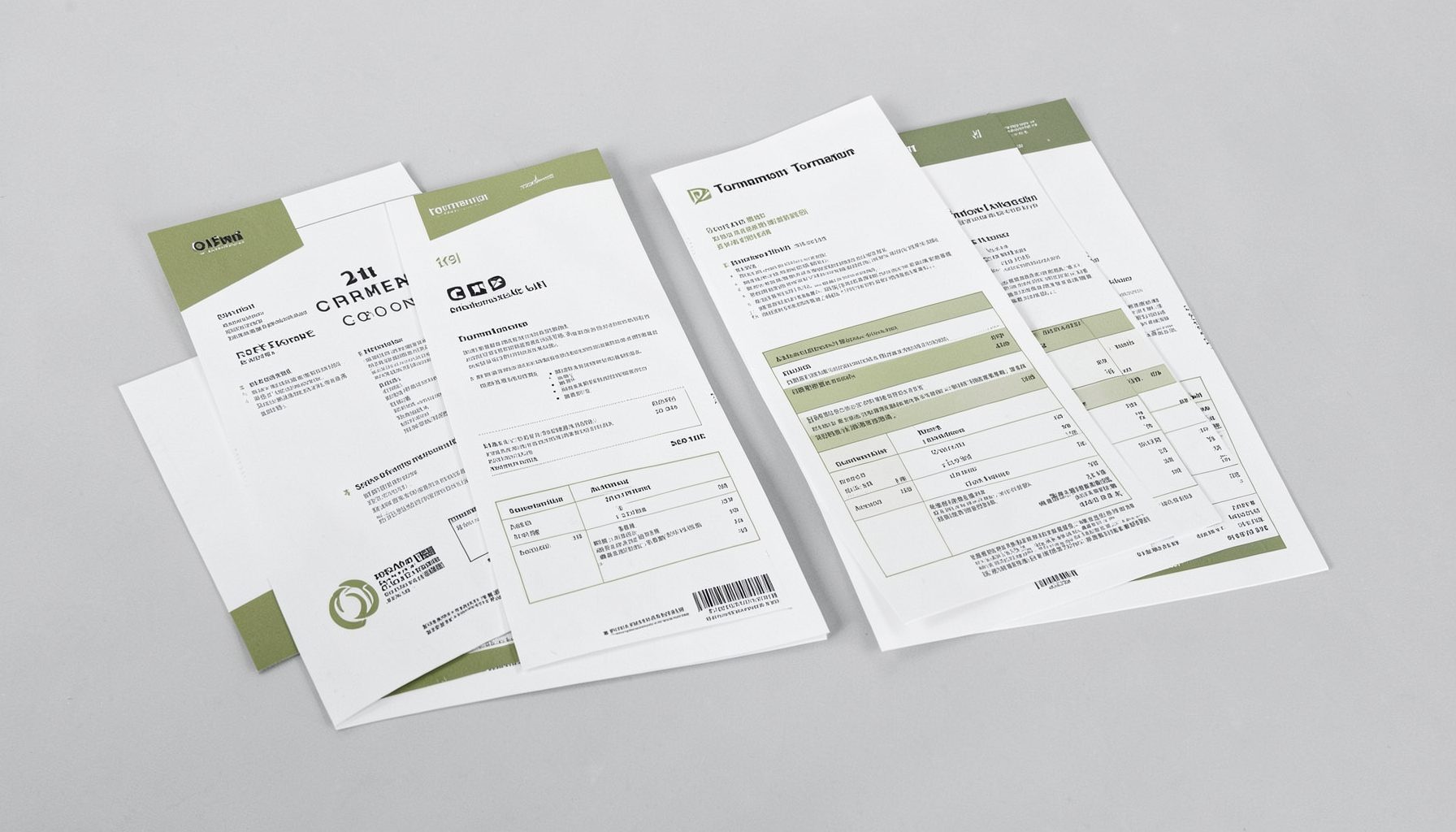
Tournament Packets
Packets from previous Kill Team events are kept here alongside new packets for upcoming tournaments, so organizers and players have what they need in one place.
View Event Data