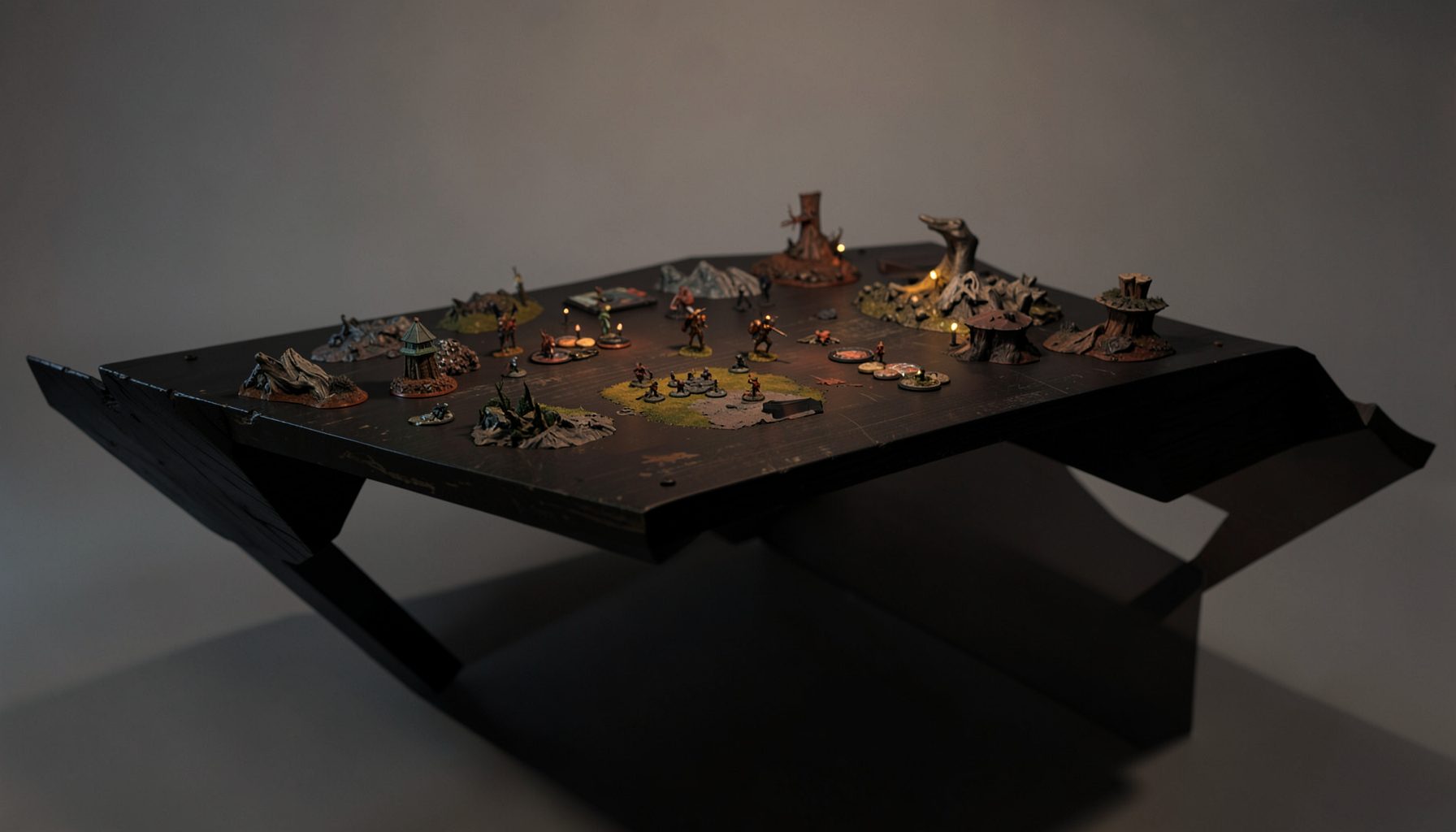
Live-streamed games, recorded matches, and event data gathered in one place.
Kill Team Stream hosts quality live streaming of Kill Team content — tournaments throughout the year on Twitch, regular games streamed to the channel, and tournament data gathered so players can see what's happening in the scene. Powered by WARHAMMER.
Browse tournamentsOfferings
Tournaments
Multiple Kill Team tournaments hosted throughout the year, all live-streamed on our Twitch channel.
Videos
Streams are recorded and uploaded to YouTube alongside original video content we produce.
Event Data
Tournament packets from past events plus resources for upcoming Kill Team tournaments.
Site Directory
Turn Your Kill Team Tournament Into a Social Media Campaign
The best ways to promote your Kill Team event on social media begin long before the first round is played. A successful campaign gives players a reason to register, gives spectators something worth watching, and gives community members a way to share the excitement. It should feel like an extension of the tournament rather than a series of disconnected announcements.
For organizers, social media can connect registration details, player stories, tabletop photography, live coverage, and event recaps in one place. The goal is to create a recognizable campaign that remains useful throughout the event cycle. A clear message, consistent visual identity, and reliable publishing schedule will attract attention while helping newcomers understand what to expect.
Identify the people behind your campaign
Your tournament may appeal to several different audiences. Regular Kill Team players will care about the competitive roster, missions, terrain, and prize structure. Newcomers may need reassurance about rules, equipment, and the registration process, while hobbyists who rarely attend tournaments might respond to dramatic match footage, unusual conversions, and behind-the-scenes content.
Build each post around one of those interests. A rules explainer serves potential beginners, a faction spotlight speaks to experienced competitors, and a short montage of miniatures can attract casual followers. This targeted approach produces more relevant responses than repeating the same registration link on every platform.
Choose a small set of message pillars, such as competition, community, and entertainment. Supporting material can then fit neatly into the campaign. Include the event name, date, venue, registration link, and relevant contact details in the launch posts, but keep individual updates focused on a single idea so they remain easy to read and share.
Give every platform a native format
Instagram rewards polished photographs, Stories, and short Reels. TikTok is well suited to quick preparation clips, humorous tabletop moments, and informal player introductions. YouTube provides room for longer explanations and full match recordings, while X and Facebook groups work well for rapid updates and links. Discord can keep registered players informed without adding noise to public channels.
Adapt the content instead of posting identical material everywhere. A vertical phone video of a painter showing a converted model might become an Instagram Reel, a TikTok clip, and a YouTube Short. A longer interview could appear on YouTube, with shorter excerpts and photographs distributed across the other networks. This approach increases visibility without requiring a separate creative campaign for every service.
Your campaign also needs a visual identity. Use consistent event branding, readable graphics, and recognizable colors across posts. Add the tournament name and date to social images, while reserving detailed information for the caption or registration page. A useful hashtag set might include the event name, KillTeam, Warhammer40000, and the host city, but two or three carefully chosen tags are usually more effective than a long block of unrelated labels.
Publish a campaign that unfolds over time
Treat promotion as a sequence rather than a single announcement. Four to six weeks before the event, publish the opening graphic and explain how players can enter. Follow it with a look at the venue, available factions, tournament format, prize support, and any scheduled activities for spectators. Specific details answer common questions and reduce uncertainty for people considering registration.
As the date approaches, increase the frequency of useful content. Share a weekly player spotlight, a terrain preview, a mission explanation, or a short conversation with the tournament organizer. Countdown posts can feature each participating faction, the prize table, the livestream schedule, or the people running the event. The campaign should also direct followers to an event page containing the packet, standings, and registration details.
Avoid exhausting your strongest material before the tournament begins. Save team reveals, dramatic moments, and final standings for the event itself and its aftermath. A steady schedule of two or three posts per week will usually be easier to maintain than daily publishing. Consistency matters because repeated exposure makes the event familiar, while varied content keeps followers interested.
Turn players and miniatures into stories
People follow personalities as readily as they follow game systems. Invite players to discuss their list, favorite operatives, preferred mission, or preparation for the event. Short interviews can be recorded with a phone, edited with clear captions, and divided into clips for different platforms. This personal content also gives experienced competitors a reason to share the event with their own networks.
Tabletop photography can add another layer of interest. Photograph completed kill teams, unusual conversions, beautifully painted terrain, and the contrast between models before and after the event. Capture preparation sessions, players studying the battlefield, dice rolls, tense exchanges, and celebrations after a close result. Captions should identify the moment while allowing the image to speak for itself.
Community participation can expand a campaign beyond the organizer’s own audience. Encourage players to post their team photographs using the event hashtag, then republish selected entries with credit. Run a vote for the most striking miniature, the best-dressed squad, or the player with the most unusual theme. Simple community features create a sense of ownership and can attract attention from local hobby groups that would not otherwise discover the tournament.
Use video and livestreams to build anticipation
Short videos offer some of the strongest potential for organic reach. Record quick segments showing a difficult operative, a clever terrain placement, a favorite model, or a humorous game-related observation. Keep the opening moments immediate and use captions so the video remains understandable when played without sound. Links to the full stream or registration page can be included in the platform description.
For longer coverage, publish on YouTube or livestream through Twitch. Announce the schedule in advance and give each stream a clear title, thumbnail, and purpose. A rules walkthrough, faction analysis, or preview of the terrain can occupy the days before the event, while full rounds and interviews can take place on tournament day. Viewers who discover one stream will be more likely to return when the next broadcast is clearly promoted.
Kill Team Stream provides a natural home for match recordings, gameplay clips, commentary, and tournament updates. Cross-promote those videos on your social channels and connect them with the wider event campaign. When sharing a recording, explain what viewers can learn from it: perhaps a notable strategy, a dramatic finish, or a lesson about board positioning. Valuable footage gives people a reason to watch beyond simple event publicity.
Connect with the wider community network
Local stores, hobby clubs, creators, community organizers, and nearby venues can all contribute to the event’s reach. Provide partners with a simple media pack containing the logo, event graphic, key details, approved wording, and links. When everyone uses the same information, the campaign appears more professional and becomes easier for potential attendees to verify.
Ask community personalities to share the registration announcement, a personal invitation, or a feature about their own kill team. A creator’s post often reaches a more responsive audience than a generic organizer update. Cross-promotion can work in both directions by featuring the creator’s preparation content on tournament channels and publishing their reaction after the event.
Paid promotion can reinforce this network when the budget allows. Target advertisements by location, gaming interests, and relevant online communities rather than using a broad campaign aimed at everyone. Creative ads showing local miniatures, the tournament venue, and a clear registration link will usually perform better than generic game artwork. Before publishing, confirm that all photography, music, logos, and player content have appropriate permission.
Track interest and carry the momentum forward
Measure more than follower totals. Registration link clicks, completed sign-ups, message responses, livestream watch time, and the number of participant posts are stronger indicators of campaign performance. Use separate tracking links for major platforms so the organizer can identify which networks generate actual entries. A simple code, such as a platform-specific discount or referral label, can also reveal where registrations originate.
Pay attention to which subjects attract conversation. If player interviews receive more comments than logistics posts, increase that format. If a terrain preview brings registrations, publish similar previews for future events. Record useful information in a lightweight schedule covering post dates, platforms, formats, captions, links, and approval status. This prevents missed publishing dates and keeps the message consistent.
After the event, thank everyone who registered, streamed, played, volunteered, or shared the tournament. Publish the final standings, notable photographs, links to recorded matches, and a short organizer reflection. Highlight memorable games and community moments instead of limiting the recap to results. This material supports future announcements, gives partners fresh content, and keeps the tournament visible as part of the local competitive scene.
A durable Kill Team social campaign combines useful information with stories, personality, and live competition. By publishing steadily, adapting material to each channel, and measuring genuine interest, the event can gain attention while building a community that returns for the next tournament.
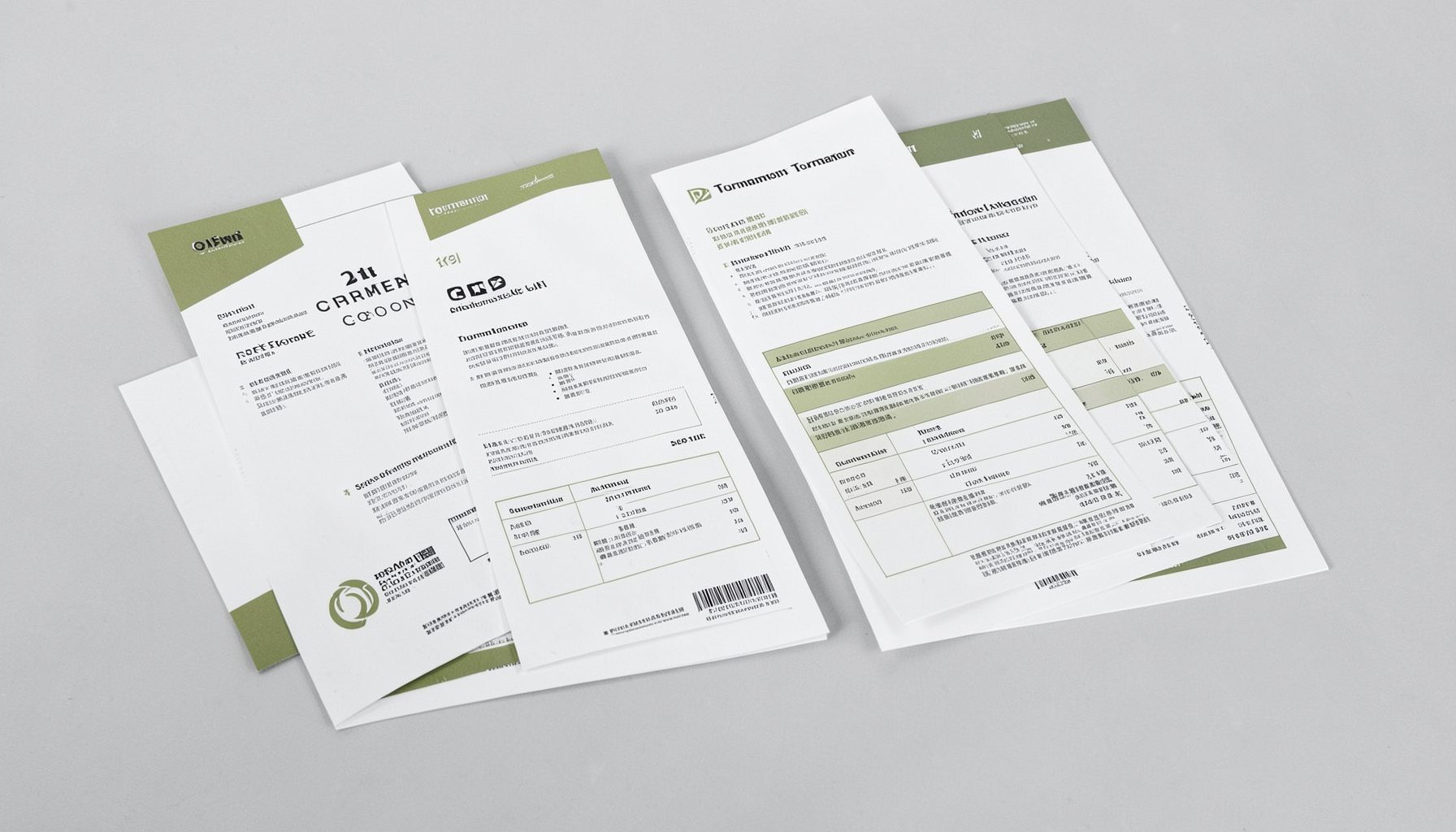
Tournament Packets
Packets from previous Kill Team events are kept here alongside new packets for upcoming tournaments, so organizers and players have what they need in one place.
View Event Data