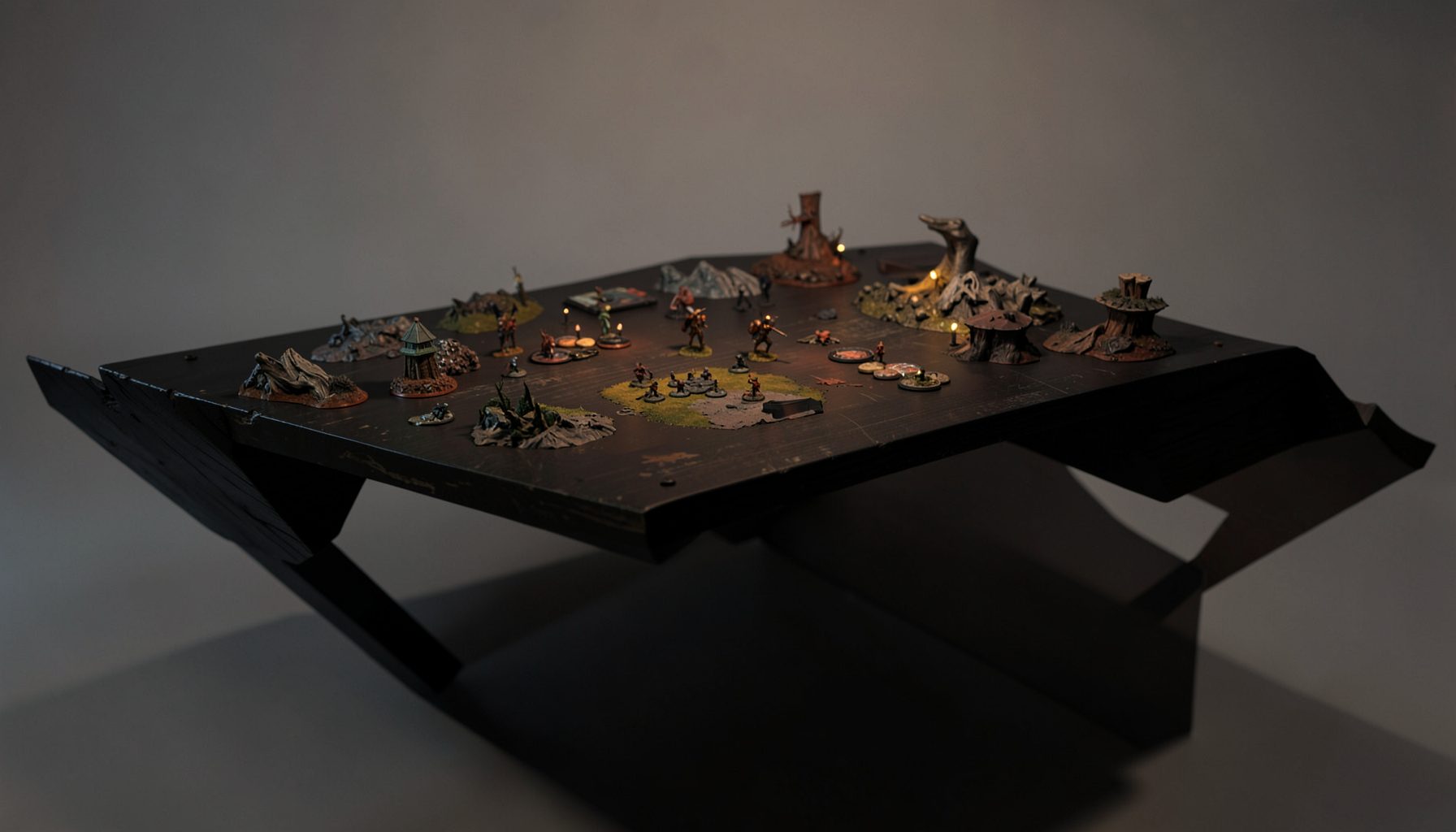
Live-streamed games, recorded matches, and event data gathered in one place.
Kill Team Stream hosts quality live streaming of Kill Team content — tournaments throughout the year on Twitch, regular games streamed to the channel, and tournament data gathered so players can see what's happening in the scene. Powered by WARHAMMER.
Browse tournamentsOfferings
Tournaments
Multiple Kill Team tournaments hosted throughout the year, all live-streamed on our Twitch channel.
Videos
Streams are recorded and uploaded to YouTube alongside original video content we produce.
Event Data
Tournament packets from past events plus resources for upcoming Kill Team tournaments.
Site Directory
The best ways to record and share your Kill Team games
A well-recorded Kill Team match can do more than preserve a result. It can show how a turning point developed, explain a clever tactical decision, and help viewers understand why a seemingly small move changed the mission. For tournament players, social media video is also a practical way to build a reputation, attract opponents and keep a local scene active between events.
The strongest game content does not require a television studio. A phone, a stable mount, reasonable lighting and clear audio are enough to produce useful footage. The important choices happen before recording: deciding what viewers should see, how the match will be explained and which platform suits the length and style of the video.
Australian players have a particularly good opportunity to use online coverage to connect a widely spread community. A tournament in Melbourne may attract interest from players in Brisbane, Perth or Adelaide, while an event in Sydney can reach people who cannot make the trip. Streaming and recorded matches help local groups share their games without asking everyone to travel across the country.
Good presentation also makes competitive information easier to find. A clearly titled battle report, a short tactical clip or a full tournament stream can serve different audiences, from someone learning the basics to an experienced player studying deployment and operative selection. The goal is to make every recording easy to watch, understand and share.
Plan the recording around the viewer
Before placing a camera, decide what the audience needs to follow the game. A single overhead view should show the full Kill Team board, deployment zones and objective markers. If possible, use a second phone for close-ups of datacards, dice rolls or important interactions. Avoid moving the main camera constantly, since viewers need a reliable sense of position throughout the battle.
A simple structure makes recorded gameplay more engaging. Open with the mission, the two Kill Teams, the players and the score. Briefly explain the terrain and primary objectives, then let the action develop. At the end of each turning point, recap the score and identify the decision that mattered most. This rhythm gives viewers context without interrupting every activation.
For a casual club game, a phone mounted on a tripod or overhead arm may be all that is needed. Check that the lens is wide enough to include the entire board and that the mount does not cast a shadow over the terrain. A quick test recording can reveal problems with reflections, blocked objectives or models disappearing at the edge of the frame.
Improve image quality with simple equipment
Lighting usually has a larger effect than camera price. Place lamps to the side of the board rather than directly behind either player, and avoid strong sunlight from a window. Neutral, even light helps viewers distinguish operatives, tokens and terrain. A white sheet of paper can be used as a quick test surface for checking whether the image looks too warm or too dark.
Stability matters just as much. A shaky handheld recording makes it difficult to judge distances and movement, while an overhead camera fixed to a desk, shelf or purpose-built arm keeps the battlefield legible. Lock exposure and focus if the phone allows it, because automatic adjustments can make the image pulse whenever a hand moves across the board.
Audio is equally important for battle reports and tournament commentary. A small lapel microphone for each player or a shotgun microphone aimed at the table can make speech much clearer than a phone placed several metres away. If equipment is limited, record commentary separately and add it during editing. This is often better than relying on noisy room audio from a busy gaming venue.
Choose the right format for each platform
Long-form video is suited to complete matches, tournament rounds and detailed tactical analysis. Viewers can follow the mission from deployment to final score, while timestamps help them skip to a specific turning point. A full game should have a useful title that includes the mission, factions, round and event, rather than a vague label such as “Sunday game.”
Short-form content works well for moments with a clear point. A decisive charge, an unexpected critical hit, a clever concealment play or a brief explanation of a ploy can become a vertical clip for Instagram, TikTok, YouTube Shorts or Facebook. Keep the context visible through captions: identify the turning point, show the score and explain why the move mattered.
A sensible workflow is to record the complete game once and create several shorter edits from it. One match might provide a full battle report, a 45-second tactical lesson, a dice highlight and a post-game reaction. This approach saves time and gives each platform material in a format its users are already comfortable watching.
For a tournament community, recorded games can sit alongside event standings, photos and written results. The Kill Team video archive offers a useful model for presenting match content where fans can return to games after a live broadcast has ended. Organisers can also direct players towards an archive rather than relying on a social feed that quickly moves older posts out of view.
Make commentary clear and informative
Commentary should explain decisions rather than simply describe visible actions. Saying that an operative moved four inches is less useful than explaining why that move protected an objective, denied a charge lane or created a threat in the next turning point. Ask players to state their plan before a critical activation when the format permits it, then revisit that plan after the result.
Two commentators can create a natural rhythm, but a single knowledgeable host can also produce excellent coverage. One person may focus on rules and measurements while another discusses strategy and likely priorities. Avoid speaking over dice rolls or important declarations, and leave a short pause after a player announces an action so the audience can absorb it.
Australian events often have lively club-room energy, and that atmosphere can add character to a stream. Background voices, laughter and reactions are welcome when they do not drown out the match. At a crowded venue in Sydney or Melbourne, use directional microphones and agree on a quiet commentary position. At a smaller Brisbane club night, a separate commentary table may provide cleaner sound without losing the social feel.
Explain local terms and event details for viewers outside the room. State whether the tournament uses a particular packet, how many rounds are being played and where the event sits in the Australian calendar. If an event is held during an arvo club session, that informal tone can work well, provided the rules discussion remains accurate and respectful.
Edit for accuracy, pace and accessibility
Editing should remove dead time while protecting the logic of the game. Cut long periods of measuring, repeated camera adjustments and unrelated conversation, but keep enough footage for viewers to understand movement, line of sight and dice outcomes. On-screen labels can identify turning points, secondary objectives, tactical ploys and current victory points.
Captions are valuable even when the audio is clear. Many people watch social clips with the sound muted, and captions also help viewers in noisy environments. Use large, high-contrast text and keep it away from objective markers or model bases. Check specialist terms carefully: an incorrect faction name or rule reference can confuse newer players and undermine confidence in the recording.
Use chapter markers or timestamps for longer videos. A viewer might want to jump directly to deployment, the second turning point or the post-game analysis. A brief thumbnail with both Kill Teams, the event name and the final score is usually more useful than a crowded graphic. Keep colours and fonts consistent so viewers recognise content from the same channel.
Review every rules explanation before publishing. Competitive audiences will notice an incorrect interpretation quickly, particularly when a clip presents a controversial interaction as settled fact. If a ruling is uncertain, describe the table decision and note that players should check the current rules and event packet. Accuracy matters more than forcing a dramatic moment into a definitive lesson.
Share responsibly and build a regular audience
Get permission before recording players, especially when the camera captures faces, conversations or spectators. Tournament organisers should explain where footage will appear and offer a clear process for anyone who does not want to be shown. Avoid displaying private contact details, army list information that was not meant to be public, or computer screens containing unrelated personal data.
Music requires care as well. Popular tracks can trigger copyright claims, mute sections of a video or restrict its reach. Use platform-cleared music, properly licensed tracks or natural venue sound. The same applies to graphics and images borrowed from other creators. A simple original overlay is safer and usually looks more professional than an asset copied without permission.
Post soon after the match while the event is still relevant, but do not sacrifice basic editing for speed. A strong caption can mention the event, mission, factions and final score, then add a short tactical takeaway. Tag the club, organiser and players when they have agreed to be included. Local Facebook groups, Discord servers and Australian Warhammer communities can be effective places to share tournament coverage alongside the main platform.
Consistency builds trust. A monthly club stream, a regular match breakdown or a short weekly tactics clip gives viewers a reason to return. Consider Australian viewing times when scheduling live broadcasts: a Sunday evening in the eastern states may be convenient for Sydney, Melbourne and Brisbane, while Perth viewers are working with a different clock. Listing the time in AEST or AEDT and adding the date avoids confusion during daylight-saving changes.
The best social media game content combines a readable battlefield, clean sound, useful explanation and responsible sharing. It can preserve a hard-fought round, teach a precise tactical idea and give distant players a window into the local scene. With a repeatable recording setup and a clear publishing routine, any Australian club can turn ordinary match nights into a lasting competitive resource.
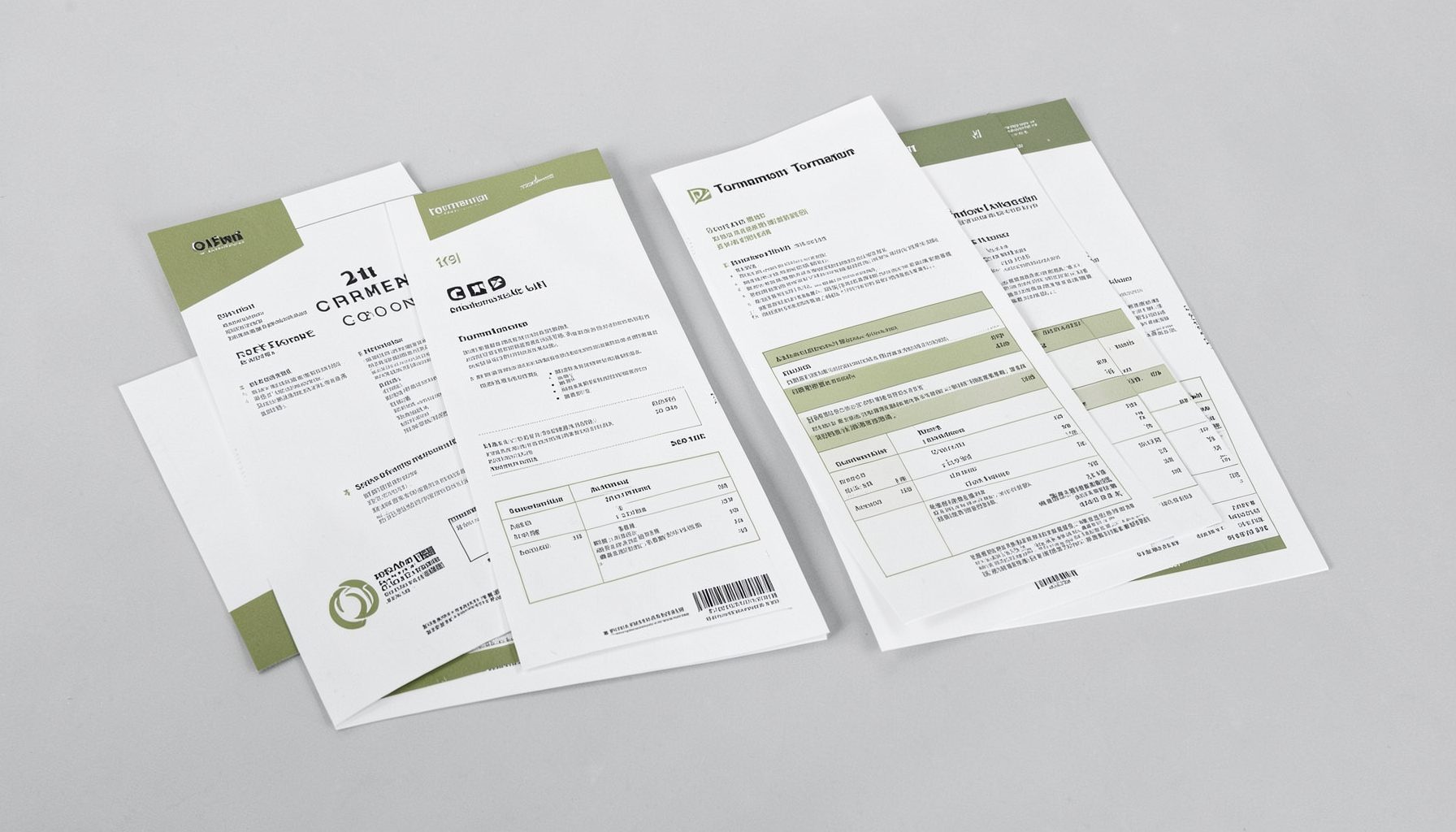
Tournament Packets
Packets from previous Kill Team events are kept here alongside new packets for upcoming tournaments, so organizers and players have what they need in one place.
View Event Data