Live-streamed games, recorded matches, and event data gathered in one place.
Kill Team Stream hosts quality live streaming of Kill Team content — tournaments throughout the year on Twitch, regular games streamed to the channel, and tournament data gathered so players can see what's happening in the scene. Powered by WARHAMMER.
Browse tournamentsOfferings
Tournaments
Multiple Kill Team tournaments hosted throughout the year, all live-streamed on our Twitch channel.
Videos
Streams are recorded and uploaded to YouTube alongside original video content we produce.
Event Data
Tournament packets from past events plus resources for upcoming Kill Team tournaments.
Site Directory
How competitive Kill Team terrain layouts have shifted over the years
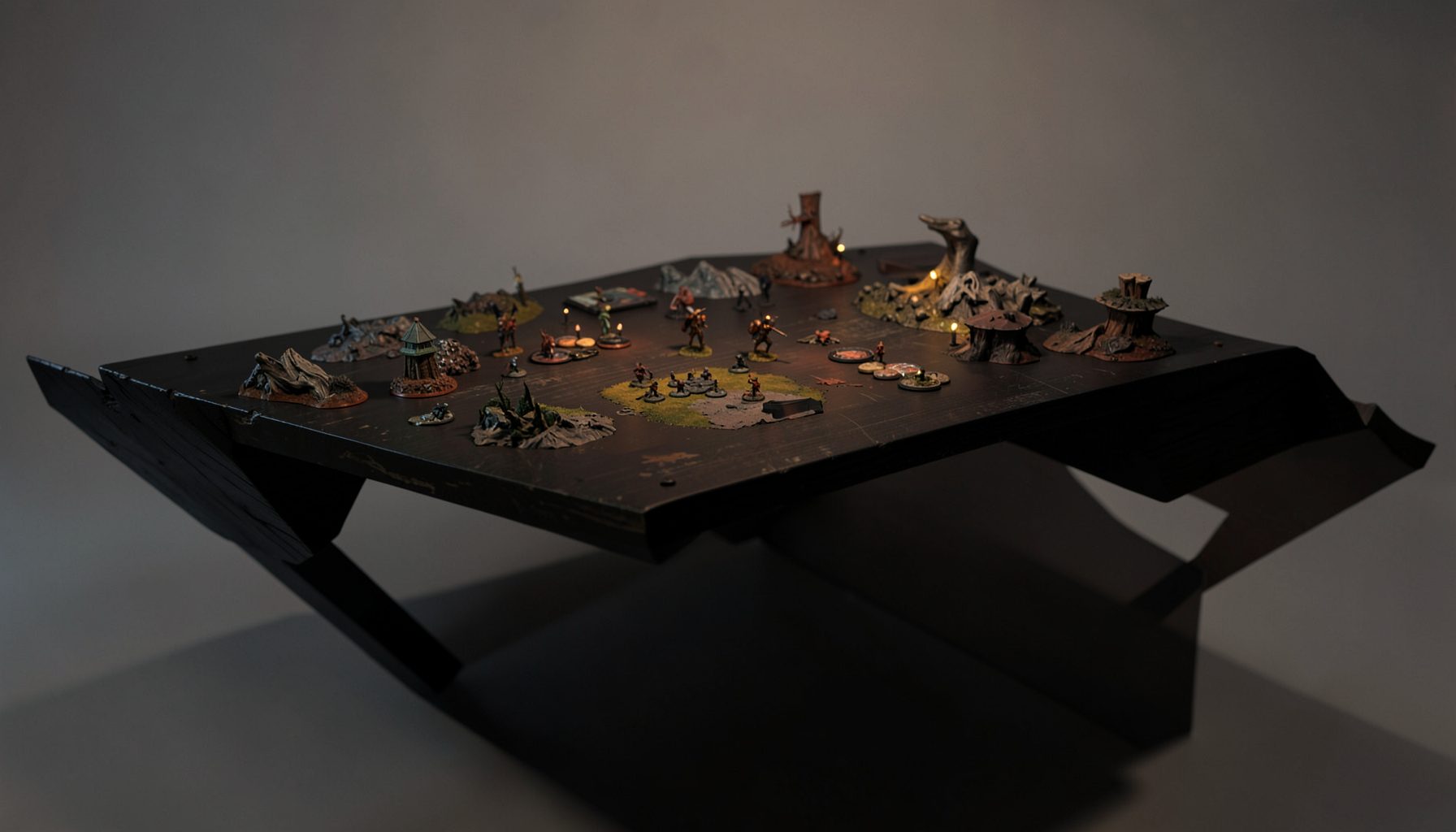
Kill Team has always sat in a strange pocket of the Warhammer hobby. While regular Warhammer 40,000 battles sprawl across the entire battlefield with grand sweeping manoeuvres, Kill Team compresses the action into skirmishes where a single ruined pillar or a low wall can decide the outcome of a round. Terrain is not decoration. It is the entire stage on which operatives move, hide, snipe and contest objectives. Every tournament organiser, streamer and competitive player treats the board as a strategic partner, and the way that stage has been built has changed more in the last four years than at any other point in the game's history.
Australia has long punched above its weight in skirmish wargaming. Cities like Melbourne, Sydney and Brisbane host packed ranking events almost every weekend, and conventions in Canberra, Adelaide and Perth bring hundreds of competitors together under one roof. The streaming schedule out of the southern hemisphere runs in AEDT and AEST, which lines up neatly with European prime time and offers North American viewers a late-night broadcast that is becoming its own little niche on Twitch. As the local scene grew, so did the conversation about what a competitive Kill Team board should look like, and tournament organisers began publishing their terrain expectations alongside their event packs.
Looking back through recorded VODs from events in 2021, the contrast with the modern metagame is striking. Boards used to be sparser, with players often complaining about long-range sightlines that turned games into shooting galleries. Today, organisers demand dense, layered layouts with deliberate line-of-sight blocking and clear paths between mid-board objectives. The shift did not happen overnight. It came from a combination of community feedback, lessons learned at major events, and the steady influence of tournament packs published by Games Workshop alongside the launch of each Kill Team edition.
This article follows the terrain conversation from the Octarius era through to the latest rules revision, looking at how barricades reshaped engagements, why map symmetry has fallen out of favour, and how Australian organisers and venues have built their own local traditions around terrain. The goal is to give new viewers, hobbyists and competitive players a clearer picture of why the board under their models looks the way it does, and where the format might head next.
The Octarius era and the rise of dense ruins
The 2021 refresh of Kill Team, packaged with the Octarius boxed set, reset the conversation about what a competitive board should contain. Before that release, many local tournaments in Australia and abroad had been running with terrain counts that felt more appropriate for standard 40,000 engagements. Kill Team's smaller board size and faster-paced activations meant that open ground became lethal. Players arriving at Good Games in Melbourne's CBD for the first wave of Octarius events noticed immediately that the recommended layouts leaned heavily on ruined buildings, crates, walkways and gantries stacked close to the centre.
This was a deliberate design choice. The rules team wanted to push players into close-range engagements where specialists, melee operatives and tactical plays could shine. Dense terrain encouraged operatives to move from cover piece to cover piece, rewarding measured pushes rather than turn-one charges across open ground. The streamed finals from that period still circulate on YouTube because the boards looked fantastic and forced brilliant tactical decisions, especially in the lower bracket matches where players had nothing to lose.
Australian organisers picked up the dense layout idea very quickly. CanCon in Canberra, one of the country's longest-running tabletop conventions, started adjusting its event pack to require more terrain pieces per board than the published minimum. The reasoning was practical. With players flying in from across the country, organisers wanted matches that finished on time and rewarded tactical skill. Dense terrain slowed the pace just enough to allow for proper mission play, and the convention's recorded terrain guides became a template that smaller clubs in Brisbane and Perth quietly adopted.
Barricades, walls and the standardisation of line of sight
The next major change came with the introduction of the Barricades terrain kit. Suddenly, competitive players had access to standardised plastic pieces that could be arranged quickly and predictably, removing a lot of the variance that came from one organiser preferring MDF ruins and another favouring handmade resin kits. Barricades slotted neatly into the existing layout philosophy but also introduced clearer distinctions between heavy terrain, light terrain and obscuring terrain. That standardisation filtered straight through to the Australian tournament scene.
Local terrain-building groups in Sydney and Adelaide began publishing their own configuration guides, often as downloadable PDFs shared through Discord. These guides rarely conflicted with official tournament packs, but they added helpful commentary about line-of-sight angles from kneeling operatives, prone models and elevated vantage points. Streamers covering events at community halls in Parramatta or in suburban Brisbane started referencing those guides between rounds, which helped newer players understand why a particular barricade mattered and which sightlines they could safely cross.
Around the same time, the Independent Tournament Circuit released a set of terrain density recommendations that became a kind of unofficial benchmark. Most Australian events now aim for roughly a quarter of the board covered by obscuring terrain, with another fifteen or twenty percent taken up by light cover. The result is a more uniform feel across events, which has been good for streaming because viewers can predict where actions will happen. It has also created mild friction in some clubs, where hobbyists who prefer narrative layouts feel that the competitive circuit has standardised the hobby too aggressively.
From symmetry to variance in map design
One of the quieter revolutions in modern Kill Team has been the move away from perfectly mirrored map designs. Earlier tournament packs often asked organisers to lay out terrain symmetrically across the centre line, which made matchups fairer on paper but produced identical board states from game to game. Players learned the same firing lanes, the same cover chains, and the same paths to objectives. The games started to feel scripted.
Newer guidance pushes organisers toward asymmetrical layouts that still offer balanced play. A typical modern table might have heavy ruins clustered in one deployment zone and open ground with light barricades in the other, balanced by objective placement and sightline restrictions rather than mirror-image geometry. This change has made competitive games more dynamic on stream, which matters to platforms like Kill Team Stream that depend on visual variety to keep viewers engaged. A new board every round keeps the broadcast feeling fresh, and commentators can lean into the differences between tables rather than describing the same fights again and again.
Australian organisers have embraced the variance philosophy in part because it suits the eclectic terrain collections available locally. Hobbyists in Melbourne often mix official Games Workshop kits with terrain made by Knight Hobbies, while Sydney players have access to a thriving second-hand market through community groups that trade resin ruins between events. A tournament that demands perfect symmetry wastes that variety, whereas an asymmetrical layout rewards organisers who bring characterful, mismatched terrain to the table. Players have responded well, and the move has nudged several annual Australian events away from mirror layouts entirely.
Australian venues and local terrain traditions
The Australian competitive scene has its own character, shaped as much by geography and regulation as by hobby preference. Events are run in everything from dedicated hobby stores in Brisbane's Fortitude Valley to hired rooms inside the Melbourne Convention and Exhibition Centre during larger conventions. Air conditioning matters more here than in colder climates, because summer temperatures inside a packed gaming hall can climb uncomfortably high, and players will quietly vote with their feet if a venue cannot keep the temperature reasonable. The best-organised local events take this seriously and publish their venue climate controls alongside their terrain layouts.
Distance is another factor that shapes how terrain gets chosen. A tournament in Perth can pull from a smaller pool of local hobbyists than one in Sydney, which means those Western Australian events often rely on simpler barricade-heavy boards that travel well in checked luggage. Eastern seaboard events, by contrast, can afford the luxury of elaborate resin kits and custom-built ruins because most competitors drive or take a short flight. Streamed events out of Adelaide tend to feature a particularly strong mix of both styles because organisers regularly borrow kits from interstate players.
Legislation also plays a quiet role. The Australian Consumer Law provides protections around event descriptions, and a few high-profile refund disputes in recent years have pushed tournament organisers to be much more explicit about what their terrain packs include. Whether the layout will match the published diagrams, how much variance is allowed, and what happens if a critical terrain piece is missing are now standard questions on event registration forms. The result is more paperwork for organisers but a clearer experience for players, and the discipline has filtered into how streaming coverage discusses terrain expectations before each match.
The new edition and what players expect next
The most recent edition of Kill Team, released in 2024, brought with it updated terrain guidance that leaned even further into close-quarters play. Vertical play, multi-level ruins and small enclosed rooms all became more central to the recommended layouts. Australian events running on the new rules already look different on stream, with commentators pointing out the increased emphasis on upper floors and how operatives interact with elevated cover. The visual storytelling has improved alongside the rules, because camera angles now capture interesting decisions happening on raised platforms rather than across flat firing lanes.
Players are already pushing for further refinements. Common requests include more terrain variety between rounds at large events, clearer guidelines on which terrain pieces are mission-critical, and a more consistent interpretation of obscuring rules between organisers. Streamers covering Australian events have started compiling these requests into feedback that gets sent directly to Games Workshop, and community surveys run through local Discord servers suggest that verticality and line-of-sight clarity are the two issues players care about most.
Where the format heads from here will depend on how the next tournament pack reads, how new terrain kits expand the catalogue, and how Australian organisers continue to mix official pieces with locally made terrain. The conversation is healthier now than at any point in Kill Team's history, and the boards on stream reflect a hobby that has learned, sometimes slowly and sometimes painfully, that good terrain design is as important as good army building. Players who tune into the next Australian ranking event will see boards that are denser, more varied and more thoughtfully designed than the ones that greeted competitors back in the Octarius days, and that shift is something worth celebrating every time the dice come out.
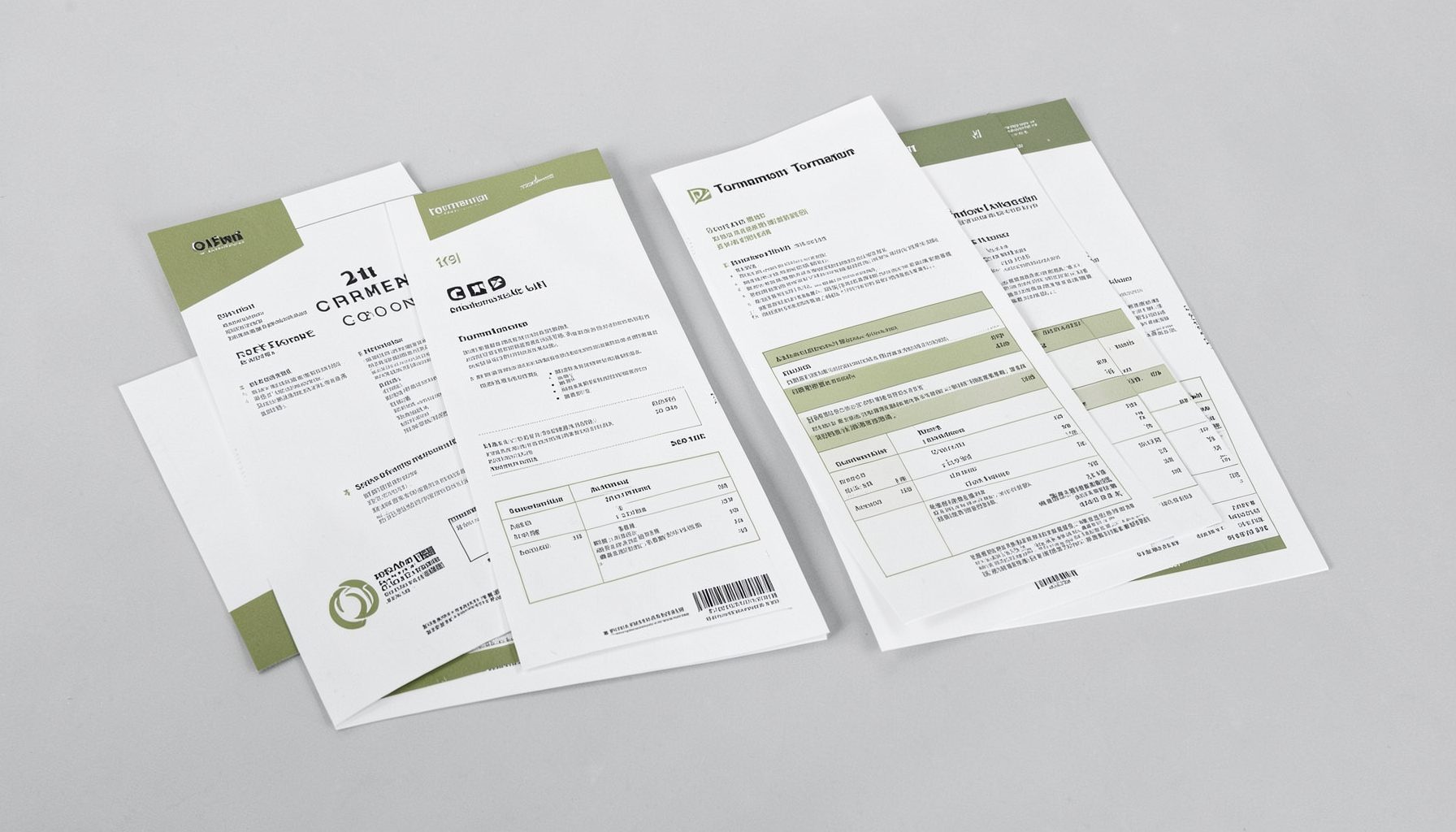
Tournament Packets
Packets from previous Kill Team events are kept here alongside new packets for upcoming tournaments, so organizers and players have what they need in one place.
View Event Data