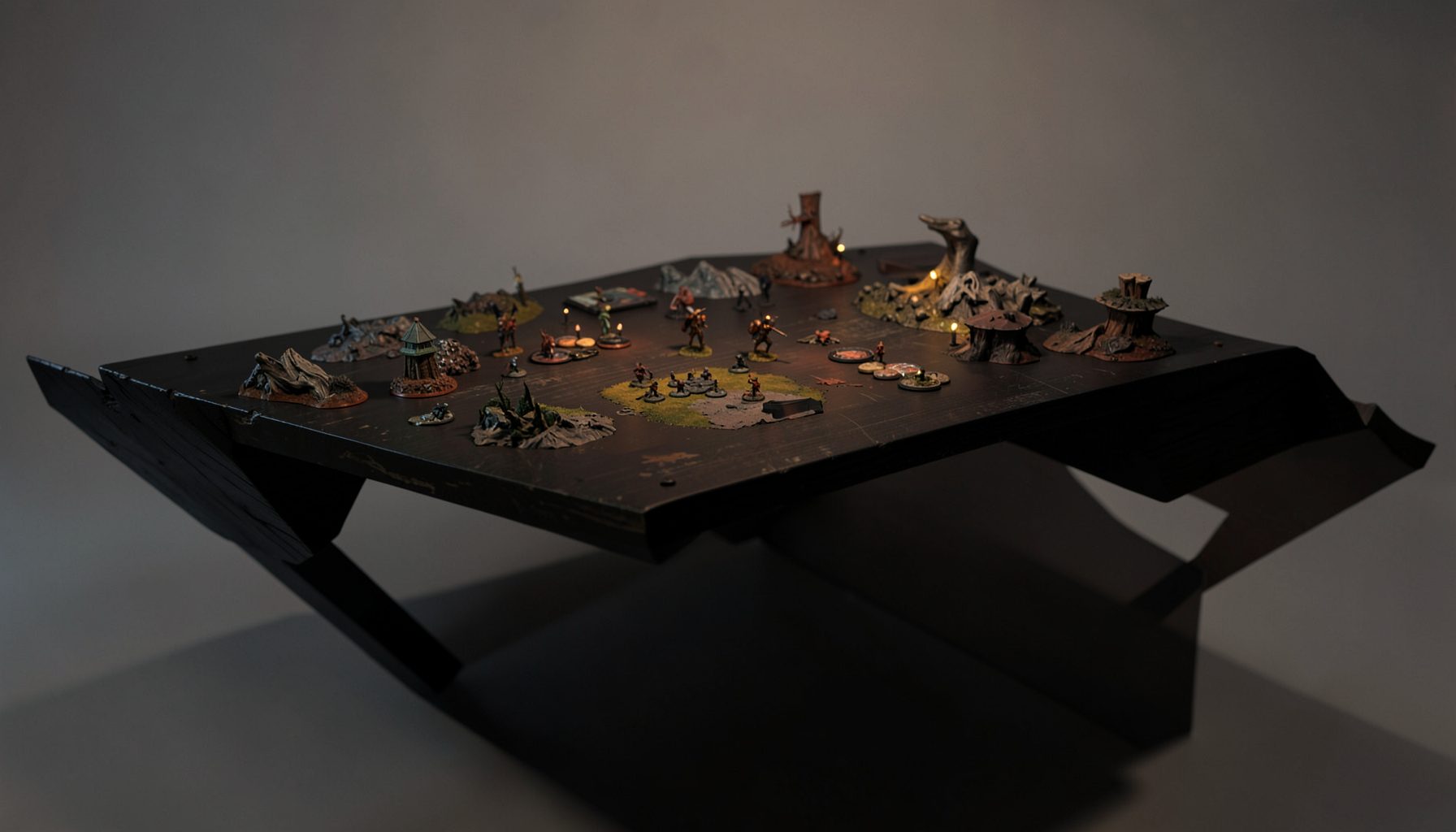
Live-streamed games, recorded matches, and event data gathered in one place.
Kill Team Stream hosts quality live streaming of Kill Team content — tournaments throughout the year on Twitch, regular games streamed to the channel, and tournament data gathered so players can see what's happening in the scene. Powered by WARHAMMER.
Browse tournamentsOfferings
Tournaments
Multiple Kill Team tournaments hosted throughout the year, all live-streamed on our Twitch channel.
Videos
Streams are recorded and uploaded to YouTube alongside original video content we produce.
Event Data
Tournament packets from past events plus resources for upcoming Kill Team tournaments.
Site Directory
Where Kill Team Goes Next
Kill Team has reached a point where each new season carries more weight than a simple faction release. Players are watching for the direction of the rules, the kind of teams Games Workshop will support, and the way the competitive scene will develop around fresh missions, terrain and balance updates. The next expansion season will shape how the game is played in clubs, tournaments and streamed events for years.
For Australian players, those changes will arrive through a distinct local ecosystem. Distance between major events, import costs, limited stock and time-zone differences all affect how quickly a new season gains momentum. From Melbourne leagues to Brisbane tournaments and late-night Twitch broadcasts in Perth, the future of Kill Team will be judged through both global rules design and practical tabletop experience.
A Tighter Rules Package
The next season is likely to focus on refinement rather than a complete reinvention of the game. Kill Team already has a strong identity built around alternating activations, tactical decisions and compact specialist teams. A major rules overhaul could unsettle players who have invested time learning operatives, ploys and mission sequences, so the safer prediction is a clearer and more carefully edited rules framework.
That refinement may include cleaner wording, fewer edge cases and better guidance for unusual interactions. Competitive players regularly encounter situations involving line of sight, vantage points, obscuring terrain and timing effects that are difficult to resolve quickly. A future rules update could place greater emphasis on examples, diagrams and standardised language, making tournaments easier to run and streamed games easier to follow.
Mission design may also become more varied without becoming cumbersome. Recent competitive formats have shown that players value objectives that reward planning instead of simply eliminating the opposing team. Expect more missions that create meaningful choices between scoring early, preserving operatives and contesting dangerous parts of the board. The strongest scenarios will make every turning point visible to spectators while leaving enough room for creative play.
Specialist Teams Will Take Bigger Risks
New kill teams are likely to become more distinctive, with rules built around a strong battlefield concept rather than a broad collection of generic abilities. The most memorable teams give players a clear reason to choose them: unusual movement, coordinated fire, close-combat pressure, deception or objective manipulation. Future releases will probably push these identities further while limiting the number of rules that must be tracked at once.
There is also likely to be more attention on the gap between elite and horde teams. Small elite forces can be forgiving because every operative is individually capable, while larger teams often demand more precise positioning and activation order. A balanced season should give both styles meaningful tools without allowing one approach to dominate every mission. This may come through additional team actions, improved tactical ploys or mission scoring that rewards board control over raw damage.
The strongest faction releases will probably be designed with competitive longevity in mind. Instead of relying on a single powerful combo, a team may offer several viable builds based on equipment, specialists or operative selection. That creates better variety in tournament results and gives content creators more strategic material to analyse. It also helps casual players enjoy a faction before balance changes alter its strongest option.
Terrain Will Become Part Of The Strategy
Kill Team’s future will depend heavily on terrain. Dense boards create the close-range, positional battles that define the game, while sparse tables can turn a match into a firing exercise. The next expansion season may therefore introduce terrain with more deliberate competitive functions, including elevated firing positions, blocked corridors, climb routes and objectives that reward movement through specific areas.
A shift towards modular terrain would benefit both organisers and players. Fixed layouts are useful for major events because they provide consistency, but modular kits allow clubs to create varied tables and adapt boards to different missions. The likely direction is a middle ground: official terrain with recognisable features and recommended layouts, supported by enough flexibility for local events to develop their own character.
This is especially important in Australia, where a tournament may be held in a dedicated gaming venue, a suburban community hall or a shop with limited floor space. Events in Sydney and Melbourne can attract large fields, while regional clubs may need terrain that packs into cars and sets up quickly. A season that provides clear board standards without demanding an expensive complete collection will be easier for the Australian scene to adopt.
Terrain could also become more prominent in broadcast presentation. Camera-friendly layouts make it easier for viewers to understand why an operative is safe, exposed or unable to reach an objective. Kill Team Stream and similar channels can turn a complicated tactical position into a teaching moment when the board is readable. Better terrain standards would therefore support both competitive fairness and educational coverage.
Tournament Play Will Become More Connected
The next expansion season should bring a stronger relationship between official events, local leagues and online coverage. Players increasingly expect a season to have a recognisable competitive arc, with new teams entering the meta, results being tracked and major tournaments showing how strategies evolve. Event packets, standings and post-match analysis can make individual competitions feel like part of a larger story.
Australia is well placed to develop that connection, although geography remains a serious factor. A player in Perth may face a seven-hour time difference when watching European coverage, while someone in Brisbane may follow a North American stream during work or school hours. Local organisers can respond with recorded matches, scheduled watch parties and regional rankings that give players a reason to remain engaged between major events.
A clearer circuit could also encourage travel between cities. Events such as tournaments in Canberra, Adelaide, Brisbane, Melbourne and Sydney can serve different parts of the country, while larger conventions may provide national meeting points. Travel costs will still limit participation, but a reliable calendar gives players more time to plan flights, accommodation and team preparation.
Streaming will increasingly influence how competitive Kill Team is understood. Commentary can explain why a player chooses a safe activation, abandons an objective or spends a limited resource at a precise moment. When match coverage includes standings, faction choices and post-game interviews, viewers gain a better sense of the developing metagame. That feedback loop will help new players move from watching games to entering events themselves.
The Australian Market Will Shape Participation
The local market will remain a major influence on the pace of adoption. Australian players often pay more for imported hobby products after shipping, currency conversion and retailer margins are added. A new season that requires several books, terrain kits and specialist teams could be difficult for casual players to enter immediately. Retail availability in Australian game stores will matter almost as much as the quality of the rules.
The timing of releases will be significant as well. A new box arriving close to Christmas may benefit from holiday spending, while a release during the busy start of the school and university year may receive less attention from younger players. Local stores in Melbourne, Sydney and Brisbane can help bridge that gap through launch nights, painting sessions and learn-to-play events that make the new season feel accessible before a player commits to a full tournament army.
Australian customs around gaming also favour community-led learning. Players commonly gather at friendly local game stores, club rooms and weekend events where newcomers can borrow models, ask rules questions and play several short games in a day. A future season that supports escalation leagues and beginner missions will fit this environment well. It can create a gradual path from a casual demo to a fully painted competitive team.
The cost of living will continue to affect purchasing decisions. Players may prefer releases that provide a complete playable force, useful terrain and enough tokens or accessories in one package. Older teams that remain tournament legal will also be valuable because they allow people to join a new season without replacing an entire collection. Smart product design could expand participation even when hobby budgets are under pressure.
Digital Tools Will Change Preparation
Competitive preparation is likely to become more digital, even if the game remains firmly based on physical miniatures. Players already use online documents, faction discussions, battle reports and recorded matches to test ideas before attending an event. The next season may see more official support for digital rosters, searchable rules references, mission tracking and updated balance information.
A reliable digital rules source would reduce confusion when errata or balance changes arrive. Players need to know which version of a rule applies, while event organisers need a quick way to verify that every competitor is using the same information. If official tools are easy to access on a phone, they could reduce the time spent searching through books during a tournament.
Video analysis will also become more influential. A recorded match can show how a team performs across several rounds, while commentary highlights choices that are easy to miss when reading a faction guide. Australian players who cannot attend every major event will still be able to study high-level games from home, whether they are preparing for a local league in Hobart or a larger tournament on the east coast.
This will raise the standard for competitive content. Viewers will expect accurate mission overlays, clear camera angles and commentary that explains decisions rather than simply describing movement. Tournament media that combines entertainment with practical teaching will have the greatest reach. It can turn the next season’s early uncertainty into a shared learning process across local clubs and international audiences.
A Broader Competitive Identity
The most successful future season will give Kill Team a stronger identity without losing the qualities that make it approachable. Players want strategic depth, but they also want games that can be learned in a reasonable amount of time and completed during a club night. A successful expansion will balance new tactical possibilities with rules that remain visible across the table.
Faction variety will remain central to that balance. Distinct playstyles create reasons to watch different teams and encourage players to explore matchups beyond the most popular choices. If the next releases provide clear strengths, understandable weaknesses and several viable approaches, tournament results will tell a richer story than a single dominant build appearing everywhere.
For Australia, the future will be shaped by the connection between global releases and local enthusiasm. Strong store support, accessible event formats and regular broadcast coverage can overcome distance and cost barriers. The country already has a committed community spread across capital cities and regional centres; a well-designed season can give those players more ways to compete, learn and stay involved.
The next expansion season will therefore be measured by more than its miniatures or headline factions. Its success will appear in fuller local tournaments, clearer streamed matches, stronger regional circuits and players who feel able to enter the scene at their own pace. If the rules, products and competitive support move in that direction, Kill Team will have a durable place in Australia’s tabletop tournament culture.
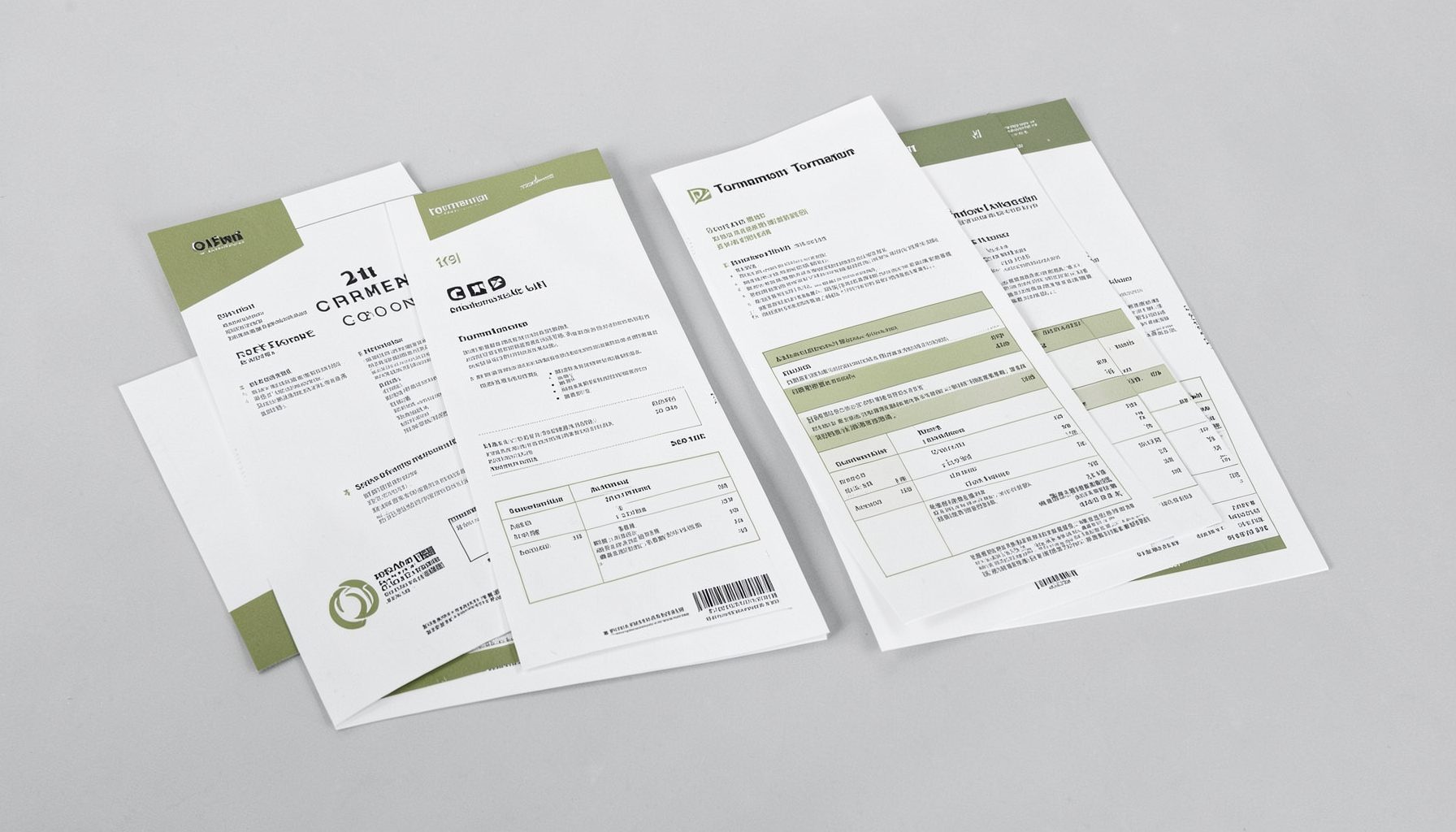
Tournament Packets
Packets from previous Kill Team events are kept here alongside new packets for upcoming tournaments, so organizers and players have what they need in one place.
View Event Data