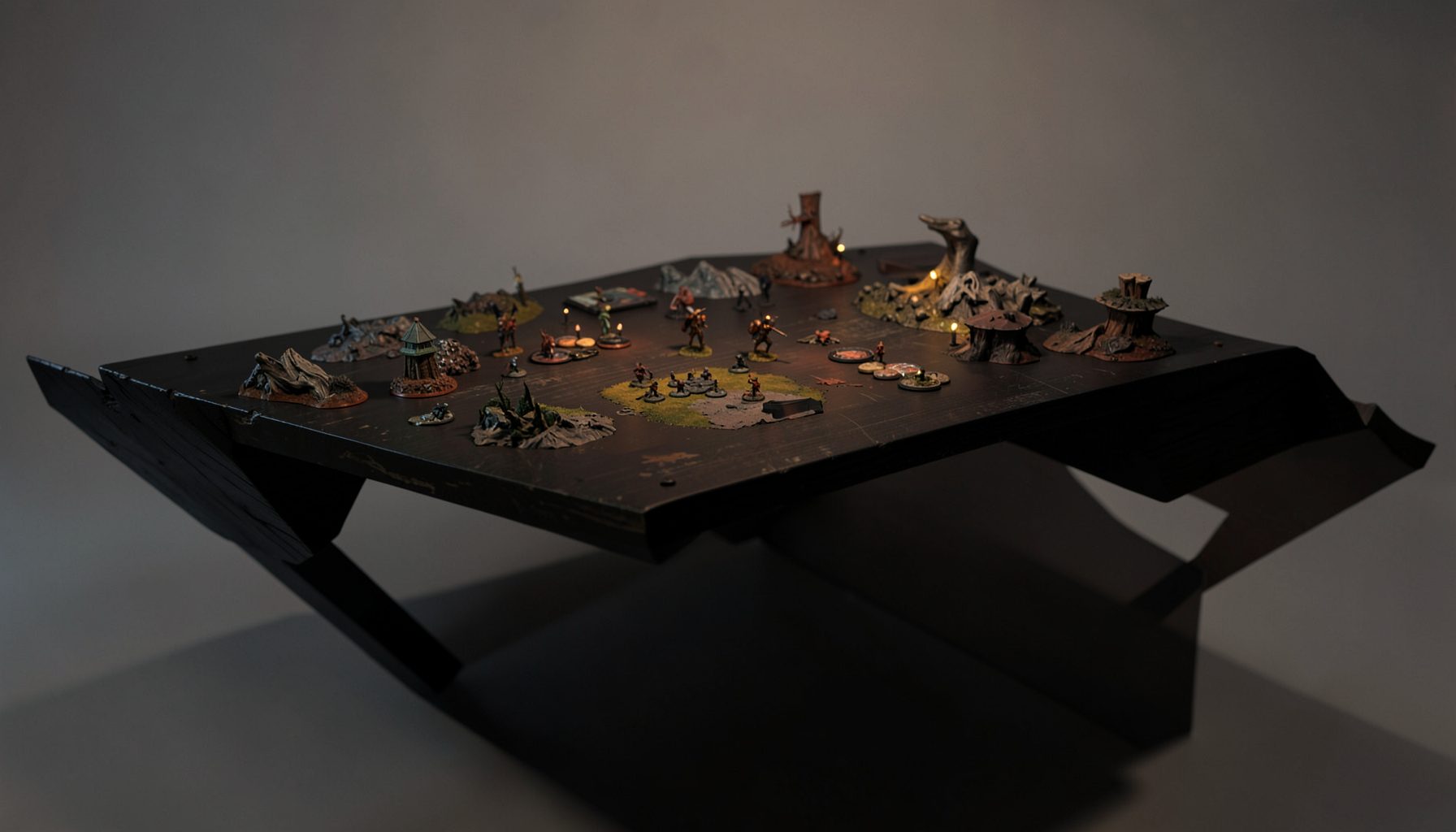
Live-streamed games, recorded matches, and event data gathered in one place.
Kill Team Stream hosts quality live streaming of Kill Team content — tournaments throughout the year on Twitch, regular games streamed to the channel, and tournament data gathered so players can see what's happening in the scene. Powered by WARHAMMER.
Browse tournamentsOfferings
Tournaments
Multiple Kill Team tournaments hosted throughout the year, all live-streamed on our Twitch channel.
Videos
Streams are recorded and uploaded to YouTube alongside original video content we produce.
Event Data
Tournament packets from past events plus resources for upcoming Kill Team tournaments.
Site Directory
How the Fresh Balance Dataslate Is Reshaping Elite Kill Teams
The latest balance dataslate dropped during a busy stretch of the competitive calendar, and the effect on elite kill teams has been almost immediate. Across matchups being played in basements, club halls, and broadcast studios, players are already feeling the points shifts, the rules clarifications, and the small but meaningful wording changes that Games Workshop tucked into the document. For seasoned competitors running the most demanding factions, the update has been less of a gentle nudge and more of a hard reset on what counts as viable.
Kill Team Stream has tracked these changes through daily uploads, archived VODs, and a growing library of rules summaries that the community relies on between events. The site's coverage pairs on-camera commentary with written recaps, giving players a way to study elite kill team builds even when they cannot catch a stream live. Tournament packets, final standings, and deck-style army lists sit alongside the videos, turning the platform into something closer to a living reference document than a simple broadcast channel.
What follows is a closer look at how the new dataslate is altering the landscape for elite kill teams, how Australian competitors are responding, and where the meta appears headed as the next major event cycle approaches. The goal is to help players make sense of the changes without having to read through dozens of forum threads or watch every caster take on the subject.
Decoding the Latest Rules Adjustment
Balance dataslates from Games Workshop generally arrive twice a year, and this iteration focused heavily on the elite tier of the roster. Several kill teams that had grown dominant in recent months saw their primary operatives nudged upward in points, while a handful of underused factions received cost reductions or expanded wargear options. A small number of weapon profiles were rebalanced, including tweaks to armour penetration values and the damage characteristics of certain heavy weapons.
The document also contained clarifications on movement, cover, and the way specific ploys interact with terrain layouts. These often look like minor edits on paper, but in competitive play they can swing the value of an entire archetype. A team built around concealed positions, for instance, behaves very differently if the rules around soft cover from heavy rubble are tightened.
For elite kill teams specifically, the dataslate targeted the synergies that had made certain lists feel unbeatable. Combo-heavy rosters relying on rapid-fire plasma or stacking buffs across multiple operatives lost a few percentage points of efficiency. In return, several mid-tier teams gained tools that make them credible threats at the top tables again.
The Shifting Tournament Meta
The competitive meta always takes a few weeks to settle after a major release, and this dataslate is no exception. Early results from online leagues and small local events suggest that the tier-one list of the previous season is no longer the clear favourite. Instead, several factions that had hovered just outside the spotlight are now producing strong runs at intermediate and advanced events.
Commentary captured on Twitch channels has highlighted how the new points costs affect opening deployments and turn-one planning. A squad that was previously comfortable taking the centre of the board may now have to play more conservatively, conserving action efficiency for later turns. Players running elite kill teams built around elite operatives have had to rethink their use of command points, sometimes holding a few back for clutch plays rather than spending them early.
The change is visible in recorded matchups as well. Archive footage from recent weeklies shows a wider spread of factions reaching the final tables, with Phobos and Hive Fleet-inspired lists scoring alongside previously niche options. The metagame is opening up, and that usually benefits players who enjoy experimenting with less common rosters.
Factions on the Rise and Those Taking a Step Back
Every balance update produces winners and losers, and the recent shifts are no different. Veteran players who had been running elite kill teams focused on storming objectives have had to adapt, while those who had been quietly refining off-meta rosters are now enjoying their moment. The official Games Workshop app has already been updated with new points values, and store event packs in major cities like Sydney and Melbourne are reflecting those numbers.
Faction popularity at recent events supports this picture. Attendance lists from tournaments in Brisbane and Adelaide show a more even spread of teams than at any point in the last year, with veteran players switching off the previously dominant archetypes. Even casual Friday night sessions at local game stores are seeing more variety, as hobbyists explore rosters that have become competitively viable.
Some kill teams remain untouched by the dataslate and continue to perform well. These tend to be elite rosters built around durable mid-board control rather than alpha-strike tactics. Their points costs and abilities were already calibrated for the current style of play, so the new document largely leaves them alone, which has only cemented their position near the top of the standings.
Redesigning Your Roster for the New Reality
Players looking to stay ahead of the curve have already started rebuilding their army lists. The most common change involves swapping out a costly specialist for a more flexible operative, or trimming weapon options to make room for utility pieces like medics or forward scouts. Points efficiency has become the watchword of the season.
Another trend is the return of mixed-faction kill teams, which had fallen out of favour when stricter build rules were enforced. Several Australian players have posted list write-ups online, breaking down the points and explaining how to slot in additional specialists without breaking team composition. These guides are particularly popular among newer competitors preparing for their first big event.
Practice habits have also shifted. With more factions in the running, players cannot afford to study only one or two matchups. Many are now running practice games against a wider pool of opponents, sometimes travelling to neighbouring suburbs or coordinating online sessions across state lines to get enough variety.
Reactions from the Streamed Tournament Circuit
Streamed events have always been a quick barometer of where the meta sits, and the latest cycle has produced plenty of discussion. Casters are spending more time comparing faction win rates and breaking down why certain operatives feel over- or undercosted. Audience chat has been lively, with viewers offering counter-arguments and suggesting rules interpretations.
Event organisers have responded quickly as well. Major streamed tournaments have updated their rules packs to reflect the new dataslate, and several have published FAQ documents clarifying how specific rulings will be handled at the table. Players who missed the original announcement can catch up through highlight clips and dedicated summary videos posted after each event.
The platform run by Kill Team Stream has become a central hub for this kind of coverage, combining recorded matches with results, standings, and downloadable packets for events around the country. For competitors unable to attend in person, the archived footage offers an education that would have been unthinkable just a few years ago.
What Australian Players Are Seeing
The Australian scene has its own rhythm, shaped by time zones, store networks, and a tight-knit community of competitive players. With most streams running on Australian Eastern Standard Time or Australian Eastern Daylight Time, local audiences can tune in live without the late nights common for viewers in Europe or North America. That accessibility has helped grow the audience for regular broadcasts and given local events more visibility.
In Sydney, club-level events have reported larger turnouts since the dataslate dropped, as players reassess their lists and look for testing opportunities. Melbourne's competitive scene, long considered one of the strongest in the country, continues to produce standout performers who travel interstate for major events. Brisbane, Perth, Adelaide, Canberra, Hobart, and Darwin each host their own regular competitions, and the results from those gatherings feed directly into national standings.
Local game stores have also adjusted their stock to reflect the new points costs, helping players pick up the right operatives without waiting for international shipping. Australian hobbyists tend to favour a hands-on approach, and many still prefer to assemble and paint their teams in person at group sessions before heading into a tournament. That culture of preparation has made local players quick to adapt when rules change.
Preparing for the Next Major Event
Looking ahead, the next big competitive event on the calendar will be the true test of how the meta has settled. Players have a few weeks to refine their lists, run practice games, and study the matchups they are most likely to face. The smart move is to record those practice sessions, review them critically, and look for inefficiencies that the dataslate may have introduced.
Several large tournaments are already selling out, and the diversity of faction choices on entry forms suggests the field will be wide open. That uncertainty is healthy for the game, rewarding players who prepare thoroughly rather than those who simply copy the previous season's winning list.
For those wanting to keep up with every shift, the combination of streamed matches, written recaps, and downloadable rules packets remains the easiest way to stay informed. The competitive scene is moving quickly, and the players who treat the new dataslate as a starting point rather than a final answer will be the ones standing on the top tables when the season reaches its climax.
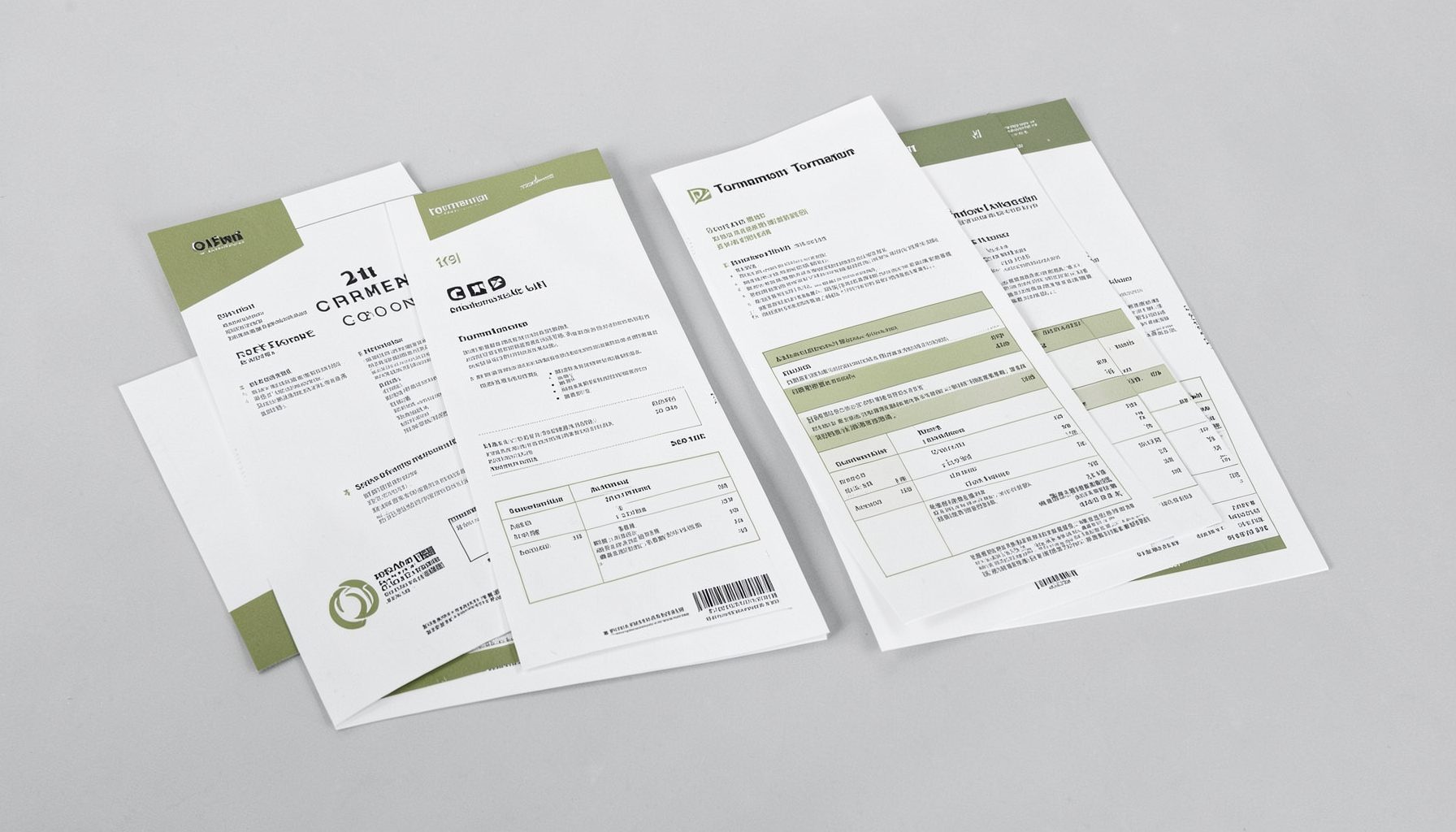
Tournament Packets
Packets from previous Kill Team events are kept here alongside new packets for upcoming tournaments, so organizers and players have what they need in one place.
View Event Data